

If you’re a Rhode Island resident fishing inland, you’ll pay $21 for a freshwater license (plus a $5.50 Trout Conservation Stamp if you plan to keep trout, salmon, or charr); saltwater coverage is $7 and a combo fishing+hunting license is $38. Licenses expire December 31 and are required for most anglers 15+ (saltwater 16+), with exemptions and a license-free May weekend. New fee increases start July 1, 2025 — continue for purchase, exemption, and renewal details.
Who Needs a Rhode Island Fishing License
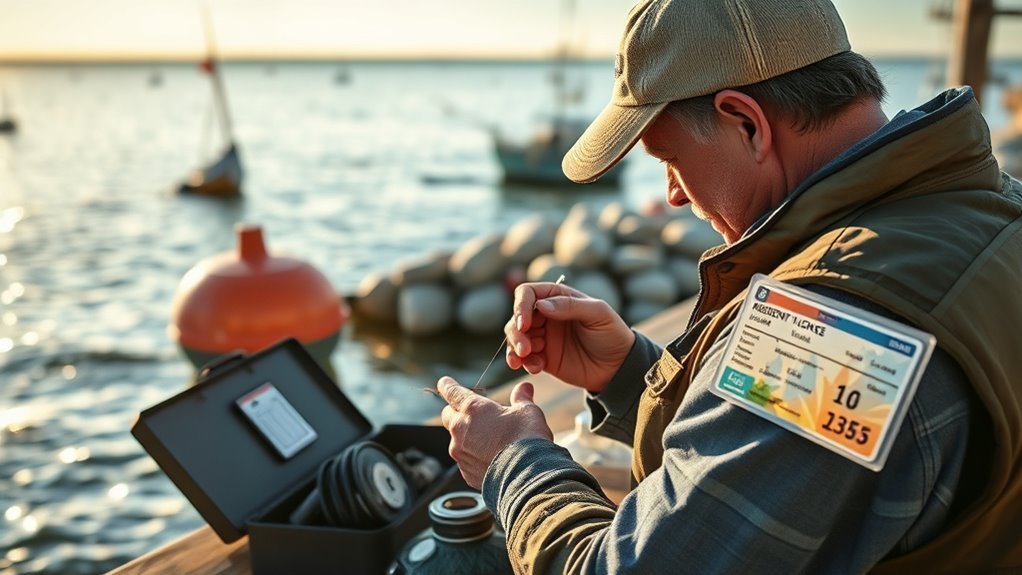
If you’re 15 or older, you must hold a valid Rhode Island fishing license to fish inland, and if you’re fishing saltwater the minimum age rises to 16. Residents and non‑residents alike need separate freshwater and saltwater licenses.
You’ll follow clear fishing age regulations: anybody meeting those age thresholds must purchase the appropriate license unless exempt. Fishing license requirements also allow specific exceptions — license-free fishing occurs the first full weekend of May each year, and certain younger anglers or people with qualifying disabilities may be exempt.
Rhode Island’s rules are regulatory-driven to protect biodiversity and sustain fish stocks; compliance reduces overharvest risk and supports science-based management. Revenue from licenses funds conservation programs that maintain habitat and enforce regulations.
When planning trips, you’ll verify whether you need a freshwater or saltwater permit, confirm age-based eligibility, and account for any temporary license-free dates or documented exemptions to stay lawful and support long-term resource stewardship.
Types of In-State Fishing Licenses
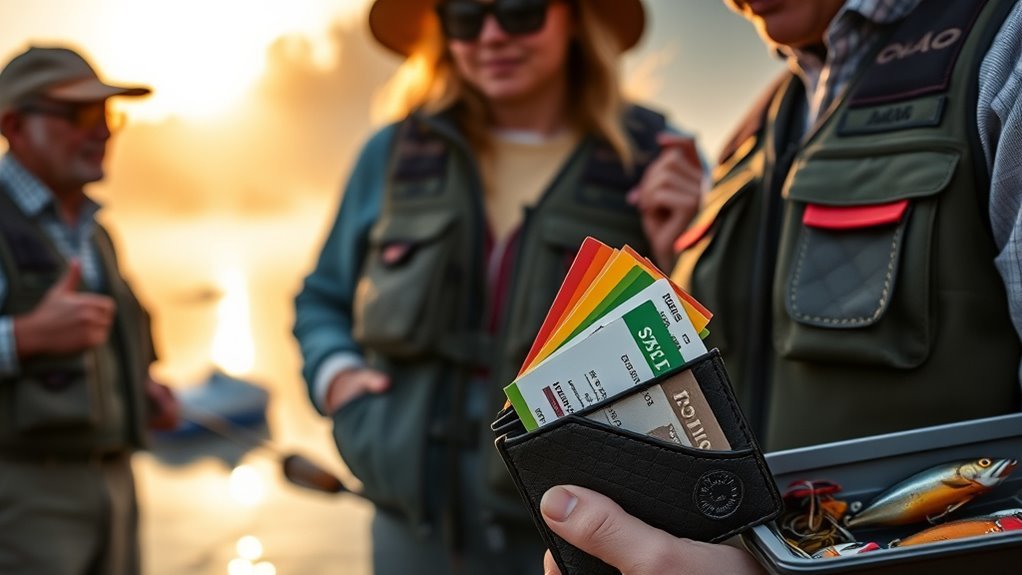
When you fish in Rhode Island, you’ll choose from distinct in-state permits: a $21 resident freshwater license, a $7 resident saltwater license, or a $38 combination fishing and hunting license that covers both; trout, salmon or charr retention requires an additional $5.50 Trout Conservation Stamp.
You’ll select the permit that matches your activity: freshwater fishing, saltwater fishing, or both. Licenses follow separate regulations and requirements; you must comply with species-specific rules and seasons. All resident licenses expire December 31 and require annual renewal. If you plan to keep trout, salmon or charr, buy the Trout Conservation Stamp; without it retention is prohibited.
| License type | Cost | Notes |
|---|---|---|
| Freshwater license | $21.00 | Required for inland waters |
| Saltwater license | $7.00 | Required for marine waters |
| Combination license | $38.00 | Covers both fishing and hunting |
Check departmental rules for gear, bag limits, and area-specific closures before you fish.
Products Worth Considering

Personalize this novelty license plate with your own custom text!

[Compliance] This license plate is a decorative craft item, not a real license plate. It is for interior decoration only and is prohibited from being installed on vehicles. Please comply with US laws and state regulations.

Resident License Fees and What They Cover

Because Rhode Island ties license fees directly to fisheries management, your $21 resident freshwater license (required for anglers 15 and older) covers legal access to inland lakes, rivers and reservoirs and helps fund conservation and enforcement programs; a $38 combination fishing and hunting license covers both pursuits, and anyone keeping trout, salmon or charr must also buy the $5.50 Trout Conservation Stamp.
You’ll renew annually—licenses expire December 31—so budgeting for recurring costs keeps your access continuous. The fees are allocated to freshwater conservation efforts, stock assessments, habitat restoration, angler education and patrols that enforce season, size and creel regulations.
The Trout Conservation Stamp specifically underwrites trout stocking and habitat projects for salmonids. When you buy a license, you receive concrete fishing license benefits: legal entitlement to fish state waters, contribution to science-based management, and support for enforcement that protects resource sustainability.
Track renewal deadlines and stamps required for retention of trout, salmon or charr to remain compliant with Rhode Island regulations.
Products Worth Considering
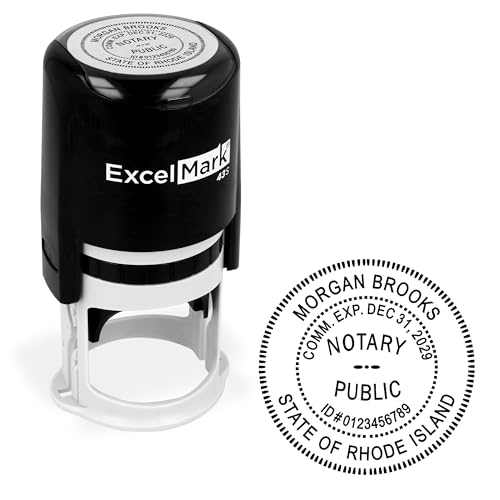
Open mount base to easily align your stamp impressions

Conforms to all Rhode Island notarial requirements

Conforms to all Rhode Island notarial requirements
Exemptions and License-Free Fishing Opportunities
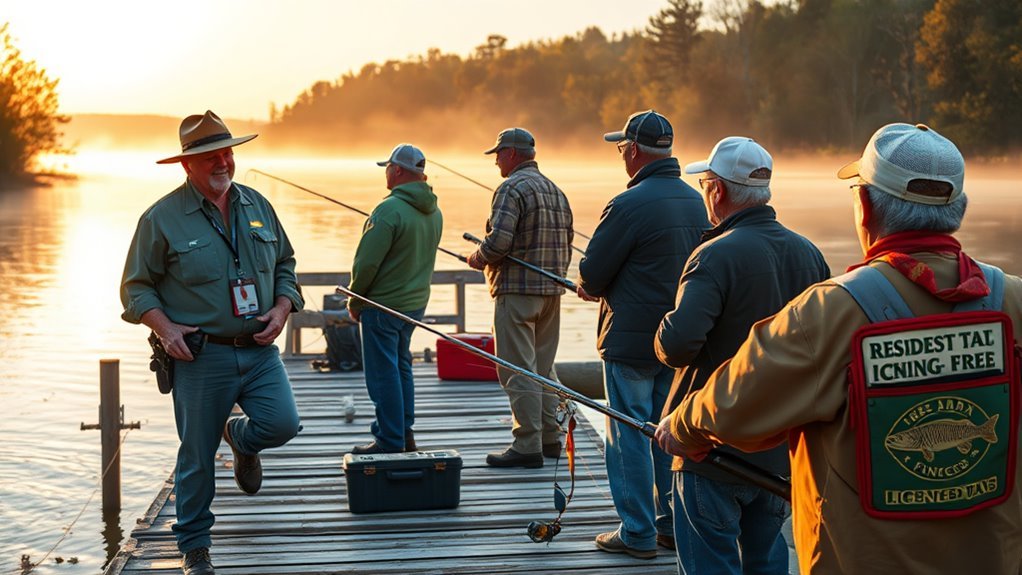
You’re entitled to several license exemptions you should know before you buy: anglers under 15 and residents 65+ don’t need a license, and landowners (and their immediate family) can fish from their property license-free.
Veterans and those with a 100% disability also qualify for waivers under state regulations, so check documentation requirements.
Additionally, Rhode Island offers a statewide license-free period on the first full weekend of May each year to promote participation.
Age-Based Exemptions
Three clear age-based exemptions let many Rhode Island anglers fish license-free: anyone under 15, residents 65 and older, and individuals with a 100% disability are exempt from the state fishing license requirement.
You should note age exemptions apply statewide and remove the need to purchase an annual resident license if you meet those criteria. If you’re under the fishing age threshold (under 15) you can fish without documentation; if you’re 65+ you’re likewise exempt.
These rules coexist with other license-free opportunities—Free Fishing Weekend (first full weekend in May) and landowner/household property fishing—so check regulations before you go.
Always carry proof of age or residency when requested and confirm current statute details with the Division of Fish and Wildlife.
Veteran and Disability Waivers
Alongside age-based exemptions, Rhode Island also offers specific waivers for veterans and anglers with disabilities that can remove the need for a resident fishing license.
If you’re a veteran, check state rules and documentation requirements tied to veteran benefits; some service-connected disability certifications can qualify you for exemption.
If you hold a 100% disability determination, you’re exempt from licensing under state law—keep official paperwork on hand to verify status if asked by enforcement.
These waivers coexist with other statutory exceptions (under-15 anglers, landowners fishing from their property).
You should confirm current application steps and acceptable proof with the Division of Fish and Wildlife to verify compliance and to exercise disability rights and veteran benefits without interruption.
First-Weekend Free Fishing
Because Rhode Island designates the first full weekend of May as license-free, you can fish statewide without a resident or nonresident license during that period, though other eligibility rules still apply.
Use that weekend for community fishing events and weekend activities, but note statutory exemptions remain relevant year-round.
You’re already exempt if you’re under 15, a resident aged 65+, or have a 100% disability.
Landowners and their immediate family may fish from their property without a license.
If you’re on a charter boat, you don’t need a saltwater license when accompanying a licensed captain; non-fishing passengers and active military on leave are also exempt.
Follow catch limits, species regulations, and reporting requirements even during license-free days to stay compliant.
Where and How to Purchase Your License
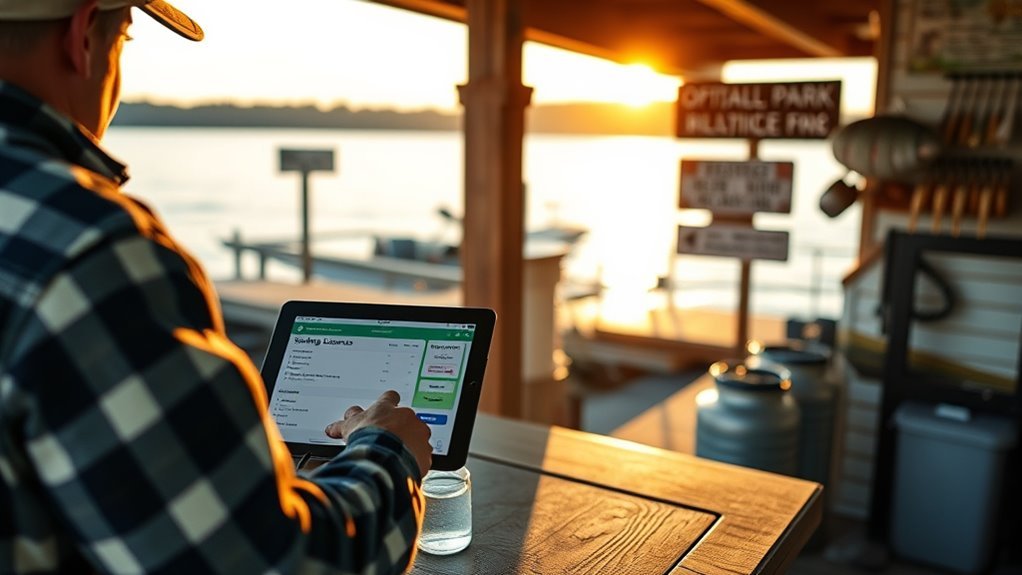
If you’re buying a Rhode Island fishing license, you can complete the purchase online through the RI DEM’s Rhode Island Outdoors (RIO) portal or visit licensed agents and the DEM Boating Licensing & Registration Office in Providence for in-person service.
For online purchases you’ll register, pay, print, and sign your license; printing and signature are required for validity.
For in person purchases expect to pay an Enhance Access Fee in some locations and receive a printed, signable license immediately.
The resident freshwater annual license costs $21.00 and is mandatory for anglers 15 and older; non-residents pay $38.00 annually or $18.00 for a 3-day tourist license.
When you buy, confirm that the specific permit, stamp, or tag you need is included and that current prices apply through June 30, 2025.
Keep digital receipts and a signed printout while fishing to demonstrate compliance with state regulations and enforcement checks.
Products Worth Considering
Authentic Rhode Island Detail: Emblazoned with Rhode Island's nickname "Ocean State" and featuring a classic anchor symbol for maritime charm.

REPRESENT YOUR STATE – Show off your state pride with custom license plate hats that are as unique as you are. Our men’s snapback hats are available in designs from all 50 states (including Puerto Rico) and will have everyone you meet asking where you got your hat from!

Rhode Island license plate design for a unique and authentic look.
Upcoming Price Changes and Important Dates
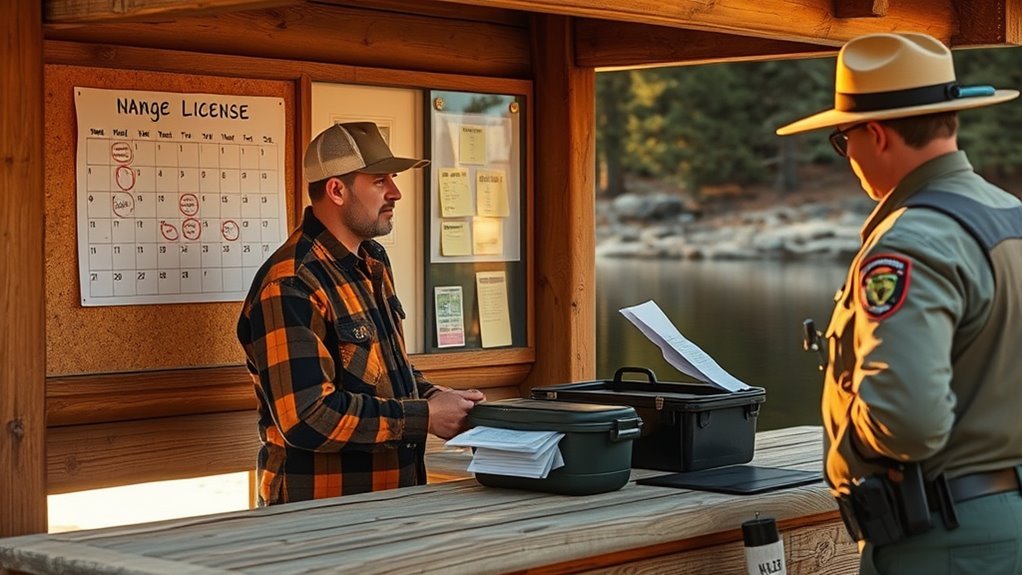
You should note key dates: licenses, permits, and stamps go on sale February 19, 2025, and annual resident licenses are valid through December 31 of the purchase year.
Act before June 30, 2025 to lock in the current $21 rate; on July 1, 2025 the resident freshwater license increases to $24.
The price will then rise again under the phased schedule to $27 by 2028, reflecting the full regulatory adjustment.
Effective Dates & Deadlines
While the current 2024 freshwater fishing license and Trout Stamp remain valid through February 28, 2025, you should plan to renew before that date since all hunting and freshwater fishing licenses, permits, stamps, and tags become available for purchase on February 19, 2025; current prices stay in effect until June 30, 2025, but price increases (up to $5 for residents, up to $15 for non‑residents) take effect July 1, 2025, with the resident freshwater fishing license rising from $21 to $24 in 2025 and additional increases scheduled for 2028.
You must follow the renewal process annually to maintain license validity.
Key dates and actions:
- Feb 19, 2025: new season sales begin — purchase early to avoid delays.
- Feb 28, 2025: 2024 licenses expire — renew before this date.
- Jul 1, 2025: new pricing takes effect; current fees apply through Jun 30.
Future Price Increases
Because fee changes are planned on specific dates, plan to buy your resident freshwater or combination license before July 1, 2025 to avoid the first scheduled increase (resident freshwater: $21 → $24; combination fishing + hunting: $38 → $43), with a further increase planned for 2028 (freshwater: $24 → $27; combination: $43 → $48).
You should treat these future increases as scheduled regulatory adjustments in a multi-year pricing plan that began in 2022 after rates stayed flat since 2003.
Buy early to lock current rates; delays mean paying the new fee on the effective date. Monitor official agency notices for any procedural changes or additional amendments.
Track pricing trends annually so budgeting aligns with confirmed effective dates and avoids unexpected cost exposure.
Frequently Asked Questions
Can I Transfer a Rhode Island Fishing License to Another Person?
No, you can’t transfer a Rhode Island fishing license to another person. You’ll follow the license transfer process guidelines and confirm eligibility criteria for replacement or issuance; state regulations require individual, non-transferable licenses and proof.
Are There Senior Discounts Beyond Resident Pricing?
Want senior discounts beyond resident pricing? You’re subject to senior eligibility requirements and specific fishing license exemptions; check your state’s age thresholds, required ID, and exemption forms, since regulations and discounted fees vary and need documentation.
Do Multi-State Reciprocity Agreements Apply to Rhode Island Licenses?
Yes — Rhode Island honors certain reciprocity benefits for neighboring states, but you’ll need to check multi state regulations specifics; verify eligible states, permitted species, and duration on the DEM website or by contacting their licensing office.
Is There a Refund Policy for Unused Licenses?
About 65% of applicants don’t request refunds; you’ll rarely get one—Rhode Island’s refund process is restrictive. You must apply within specified days, show unused license validity, and meet regulatory criteria to qualify for reimbursement.
Are Discounts Available for Veterans or Active Military?
Yes — you can get veteran discounts and military benefits on licenses in many states; check your state’s fish and wildlife agency for eligibility, required ID, reduced fees, or free licenses, plus documentation and application procedures.
Conclusion
You’ve got the facts: who needs a Rhode Island resident fishing license, the types and fees, exemptions, where to buy one, and upcoming price changes. Keep your ID and species rules handy, and renew on time to avoid fines. Like a map for anglers, this guide points you to compliance and best value so you can focus on fishing, not penalties—check official state sources for exact fees and effective dates before you cast.
