Indiana anglers under age 18 can fish without buying a fishing license or trout/salmon stamp. The state does not sell a special $7 youth fishing license. This guide explains the current 2026–27 rules, what changes when an angler turns 18, where the exemption applies, and how families can prepare for a safe, legal fishing trip.
Quick Answer
Indiana residents and nonresidents under age 18 do not need a fishing license or trout/salmon stamp. The cost is $0. All seasons, size limits, bag limits, gear rules, property rules, and special-water regulations still apply. At age 18, the angler must buy the appropriate adult license unless another exemption applies.
Key Takeaways
- There is no current Indiana youth fishing license or youth trout/salmon stamp for $7.
- Anglers age 17 and younger are exempt from both the fishing license and trout/salmon stamp.
- The exemption does not cancel seasons, bag limits, size limits, hook rules, access rules, or property restrictions.
- For 2026–27, an adult resident annual fishing license is $23, a nonresident annual license is $60, and the trout/salmon stamp is $11.
- Annual licenses run from April 1 through March 31 of the following year, not for 12 months from the purchase date.
At a Glance
| Time Required | About 2–5 minutes to check the current guide and local water rules |
| Difficulty | Easy |
| Tools Needed | Current fishing guide, optional proof of age, and proper safety gear |
| Cost | $0 for anglers under 18; adult fees begin when the exemption ends |
Who Needs a Youth Fishing License in Indiana?

No one needs to buy a special youth fishing license in Indiana because the state does not currently offer that product. Under the Indiana DNR license exemption, residents and nonresidents under age 18 do not need a fishing license or trout/salmon stamp.
The rule applies to anglers age 17 and younger. Once an angler turns 18, the youth exemption ends. That person must buy the correct resident or nonresident fishing license before continuing to fish, unless another legal exemption applies.
Note: A youth angler does not gain extra fishing privileges by purchasing an adult license. Legal methods, seasons, limits, and access rules apply the same way whether an angler is licensed or exempt.
Indiana Fishing License Fees and What They Cover
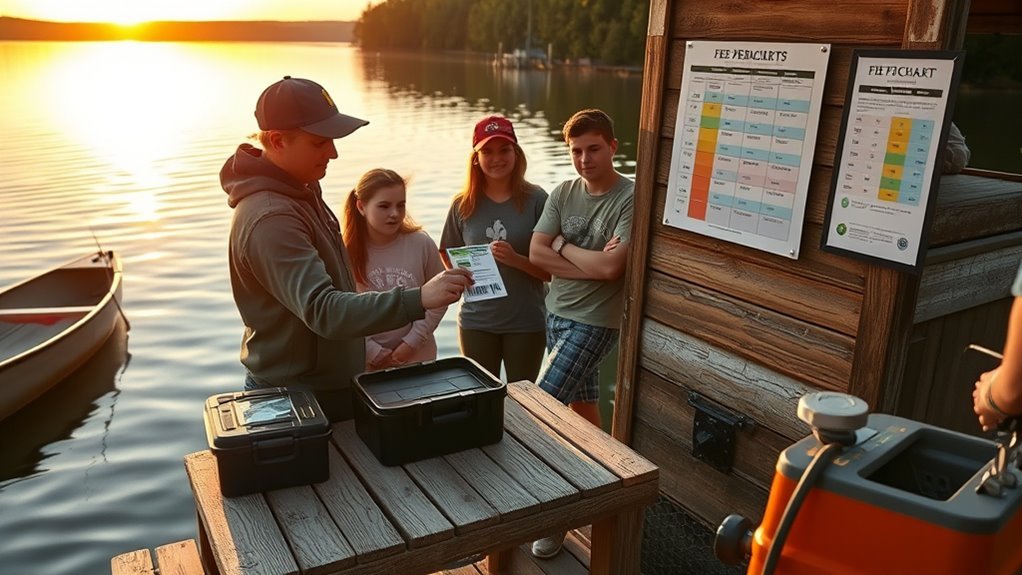
The cost for an angler under 18 is $0. The adult fees below apply after the youth exemption ends. Indiana’s 2026–27 fishing license fees are valid from April 1, 2026, through March 31, 2027.
| License or Privilege | 2026–27 Fee | What It Covers |
|---|---|---|
| Angler under 18 | $0 | Fishing license and trout/salmon stamp exemption |
| Resident annual fishing | $23 | General fishing for a resident age 18 or older; trout/salmon stamp not included |
| Nonresident annual fishing | $60 | General fishing for a nonresident age 18 or older; trout/salmon stamp not included |
| Trout/Salmon Stamp | $11 | Required with a valid fishing license for nonexempt anglers who fish for or take trout or salmon |
| Resident one-day fishing | $10 | Includes trout/salmon privilege for the selected day |
| Nonresident one-day fishing | $15 | Includes trout/salmon privilege for the selected day |
Adult license revenue supports fish and wildlife management, research, habitat work, public access, stocking, education, and enforcement. Youth participation itself remains free under the age-based exemption.
Youth Trout and Salmon Stamp: Cost and Requirements
Anglers under 18 do not need a trout/salmon stamp in Indiana. This exemption applies to both residents and nonresidents. Youth may fish for trout or salmon without paying for a stamp, but they must still follow the current inland trout rules, Lake Michigan and tributary rules, seasons, size limits, bag limits, hook restrictions, and closures.
At age 18, a nonexempt angler who fishes for or takes trout or salmon from public waters generally needs both a valid fishing license and the $11 trout/salmon stamp. A one-day fishing license already includes the trout/salmon privilege.
Warning: Being under 18 removes the license and stamp requirement, not the species rules. Check the current Indiana Fishing Regulations Guide before targeting trout or salmon.
How to Purchase a Fishing License When It Becomes Required

A youth angler does not need to complete a purchase while the under-18 exemption applies. When the angler turns 18, Indiana offers online, app, retailer, DNR property, mail, and phone options.
Online Purchase Options
Use the GoOutdoorsIN Activity Hub or the GoOutdoorsIN smartphone app. Create or sign in to an Access Indiana account, confirm residency, choose the needed license and stamp, review the dates, and pay.
Indiana DNR states that online and app purchases have a $3 technology fee per license plus a credit-card processing fee. Those added fees are separate from the license price and may change.
In-Person Retailer Locations
Licenses are also available at more than 500 authorized retailers statewide and at most DNR properties. Use the official Indiana license retailer directory to find a nearby seller.
Mail orders require a $1 technology fee and enough delivery time. Indiana DNR also accepts license questions by phone at 317-232-4200 or 877-463-6367 during posted business hours.
Pro Tip: Check the angler’s age and the exact fishing date before paying. An annual license follows Indiana’s April 1–March 31 license year, so buying late in the season does not extend it for 12 months.
License Exemptions for Young Anglers
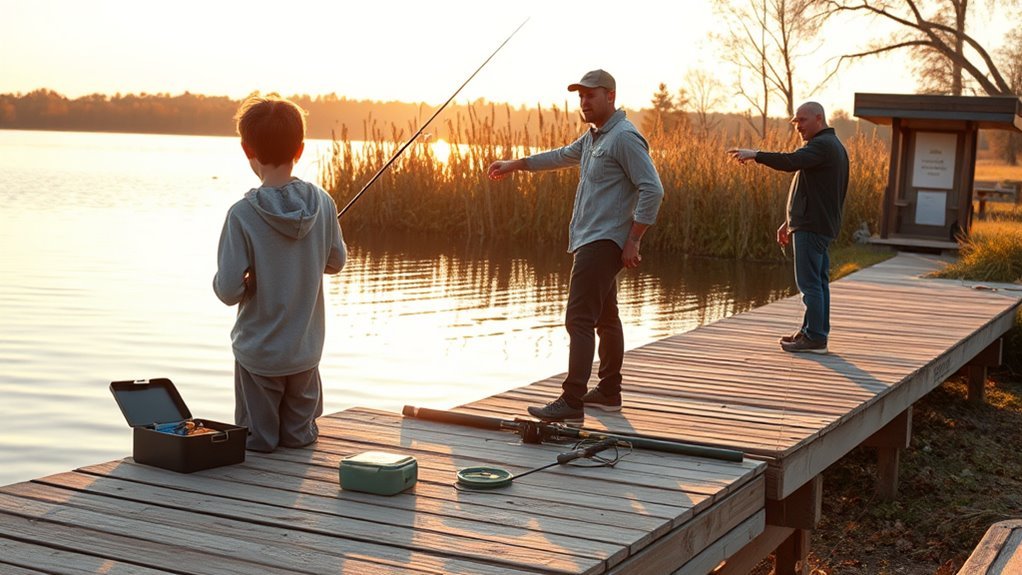
The broadest youth exemption is simple: residents and nonresidents under age 18 do not need a fishing license or trout/salmon stamp. The exemption applies statewide where Indiana fishing law controls, but all other fishing rules remain in force.
Indiana also lists other exemptions that may matter to families, including:
- Fishing in a private pond that does not allow fish to enter from or leave for public waters, with the property owner’s permission.
- Indiana residents who are legally blind.
- Residents of a state-owned mental rehabilitation facility.
- Residents of licensed Indiana health care facilities taking part in a supervised fishing activity sponsored by the facility.
- Indiana residents with a qualifying developmental disability.
- Qualified resident farmland owners or lessees, and certain spouses and children living with them, while fishing on the qualifying farmland.
- Indiana residents in full-time military service while on approved leave, with the required proof.
These exemptions have specific conditions. Review the current guide or contact Indiana DNR when the facts are unusual.
When and Where Youth Fishing Rules Apply
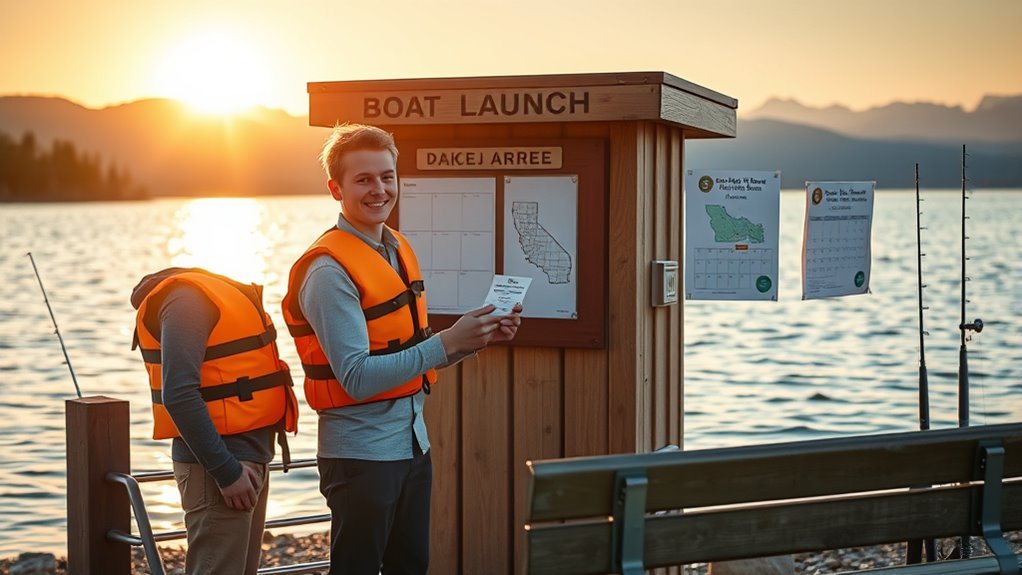
The youth exemption is based on the angler’s age, not a purchased document or a one-year permit. It applies while the person is under 18. When the person turns 18, the exemption ends unless another exemption applies.
Validity Periods Explained
There is no youth license expiration date because there is no youth fishing license. For adults who must buy an annual license, Indiana’s license year runs from April 1 through March 31 of the following year. A 2026 annual license is valid from April 1, 2026, through March 31, 2027.
Eligible Waterways Covered
Youth may use the age exemption on Indiana public lakes, streams, rivers, tributaries, and boundary waters where Indiana rules apply. Special regulations may govern particular waters, species, seasons, or methods. A youth exemption from Indiana does not automatically satisfy another state’s requirements when the angler fishes outside Indiana.
| Water Type | What Youth Anglers Should Know |
|---|---|
| Public lakes and reservoirs | No license or stamp under 18; property access, boating, size, and bag rules still apply |
| Rivers and streams | No license or stamp under 18; check special-water, season, and gear restrictions |
| Lake Michigan and tributaries | Youth stamp exemption applies, but salmon/trout limits, hook rules, closures, and tributary restrictions remain |
| Private ponds | Separate exemption may apply only when fish cannot move to or from public waters and the owner gives permission |
| Waters in another state | Follow that state’s youth-license and fishing rules |
Carrying Proof While Fishing
An exempt youth does not have a fishing license to carry. A parent or guardian may choose to keep proof of age available, especially for an older teen, but Indiana’s published exemption does not create a youth permit that must be displayed.
Licensed anglers may carry a paper license or a saved electronic copy on a smart device. The license must be available to present to an Indiana Conservation Officer or other authorized officer on request.
How Fishing License Sales Support Conservation
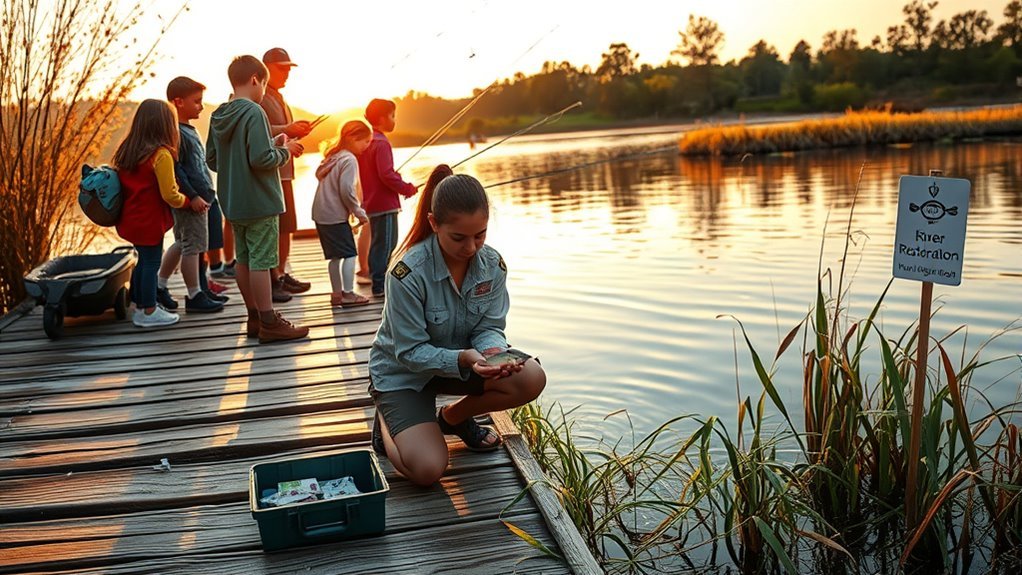
Indiana does not collect a youth fishing-license fee from anglers under 18. Conservation support comes from adult hunting, fishing, and trapping license revenue, federal funding, and other program sources.
According to the Indiana Division of Fish & Wildlife funding page, license revenue is used to manage fish and wildlife resources. Fishing-license sales help support research, habitat management, fish stocking, public access, education, and enforcement.
Youth fishing is license-free in Indiana, while adult license sales help fund the waters, access sites, stocking, research, and education that young anglers use.
Families can also support conservation by buying required adult licenses, following harvest limits, cleaning up line and tackle, using public access sites responsibly, volunteering, and preventing the spread of aquatic invasive species.
Special Rules for Youth on Private vs. Public Waters
On public waters, the under-18 exemption removes the fishing-license and trout/salmon-stamp requirements. It does not remove public-water regulations. Youth must still follow legal seasons, daily bag limits, possession limits, minimum sizes, hook and line rules, special-area restrictions, and access hours.
Private ponds are treated differently when fish cannot enter from or exit to public waters. In that situation, no fishing license is required if the angler has the property owner’s permission. If fish from public waters can move into or out of the pond, public-water fishing rules may still apply to those fish.
Note: “Private property” does not always mean “private water” for fishing-law purposes. Water connections and fish movement matter, so check with Indiana DNR when a pond connects to a creek, river, lake, drain, or seasonal overflow.
Duplicate Licenses, Reprints, and Technical Fees

This section normally does not affect an angler under 18 because exempt youth have no license to lose or reprint. It becomes relevant after a license is required.
| Situation | Current Indiana DNR Information |
|---|---|
| Online or app purchase | $3 technology fee per license plus a credit-card processing fee; fees may change |
| Mail purchase | $1 technology fee per license |
| Online reprint shortly after purchase | Free for up to five days after purchase |
| Retailer duplicate or reprint | $3 for each license |
| Refund | Indiana DNR licenses are nontransferable and nonrefundable |
Save an electronic copy after purchase and check all selections before paying. Indiana DNR states that licenses are nonrefundable, and the credit-card processing fee is also nonrefundable.
Tips for New Young Anglers and Guardians
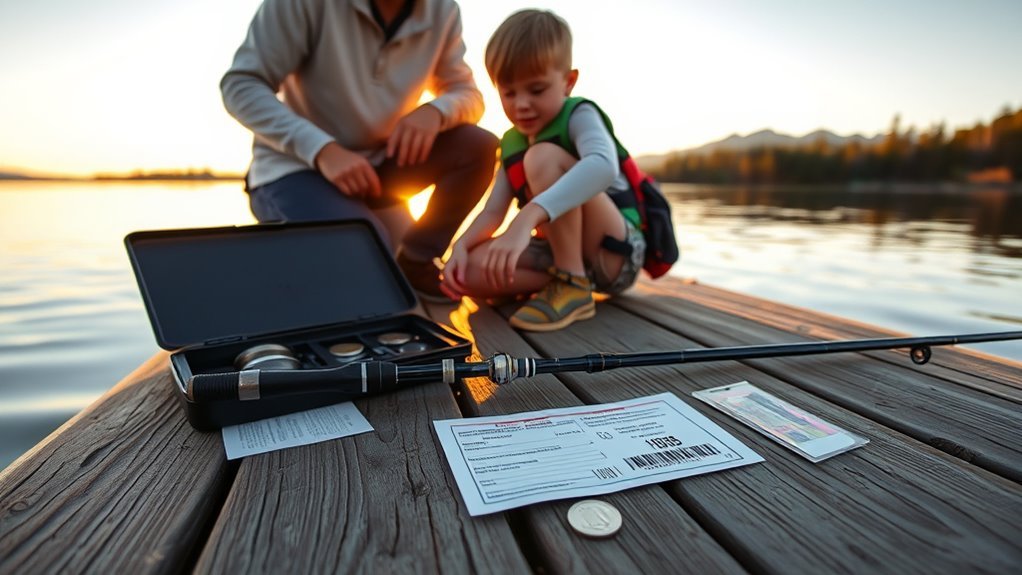
- Check the current guide: Confirm seasons, bag limits, size limits, special-water rules, and property hours before leaving home.
- Start with simple gear: A light rod, small hook, bobber, and easy bait are usually enough for a first trip.
- Choose an easy location: Use a stable bank, fishing pier, or managed public access site with room to cast safely.
- Protect against hooks: Keep space between anglers, look behind before casting, and let an adult handle deeply embedded hooks.
- Use life jackets: Wear a properly fitted life jacket on boats and around deep, swift, cold, or uncertain water.
- Keep outings short: A successful first trip may be 30–90 minutes, especially for younger children.
- Pack basics: Bring drinking water, sunscreen, insect repellent, pliers, a small first-aid kit, and a trash bag for line and litter.
- Practice responsible angling: Handle fish gently, release unwanted fish quickly, and never leave fishing line or hooks behind.
Warning: Indiana DNR advises that ice conditions can vary greatly across the same lake. For ice fishing, test the ice near shore, wear a life jacket, supervise children, and follow the official ice fishing safety guidance.
Frequently Asked Questions
Can youth use Indiana’s fishing exemption in multiple states?
No. Indiana’s under-18 exemption applies where Indiana fishing law controls. When fishing in another state, follow that state’s age, license, stamp, and species rules. Boundary waters may have special agreements or restrictions, so check the current regulations for the exact location.
Do youth need identification to prove their age?
Indiana does not issue an exempt youth a fishing document to carry. The state’s published rules do not state that every youth must carry government identification while fishing. A parent or guardian may still keep proof of age available for an older teen to resolve questions quickly.
Does the youth exemption cover trout and salmon fishing?
Yes. Residents and nonresidents under 18 are exempt from both the fishing license and trout/salmon stamp. Species limits, seasons, hook restrictions, closures, and special-water rules still apply.
Can youth ice fish or fish at night without a license?
The under-18 exemption still applies, but there is no blanket promise that every place is open at all hours or safe for ice fishing. Check property hours, closures, species rules, weather, and ice conditions. Indiana DNR recommends at least four inches of clear ice for ice fishing and warns that thickness can vary.
Can youth be listed on a guardian’s fishing reservation?
Indiana does not use a general statewide “guardian fishing reservation” as a substitute for licensing. Some events, properties, camps, or managed access areas may require registration or reservations. Follow the instructions for that specific event or location.
What happens when a youth angler turns 18?
The under-18 exemption ends. Before fishing again, the angler must buy the appropriate resident or nonresident license and any required stamp unless another exemption applies. Annual licenses expire March 31, even when purchased later in the license year.
Can an unused Indiana fishing license be refunded?
No. Indiana DNR states that its licenses are nontransferable and nonrefundable. Review the license type, residency, dates, and stamp choices before completing the purchase.
Conclusion
Indiana makes youth fishing simple: residents and nonresidents under 18 pay $0 for a fishing license and trout/salmon stamp because both are exempt. Families should focus on the rules that still matter—seasons, limits, access, safe equipment, and special-water restrictions. When the angler turns 18, check the current fee schedule and buy the correct license before the next trip.
Sources
- Indiana DNR License Fees — current adult fishing fees, trout/salmon stamp fee, license-year dates, and reprint information.
- 2026–27 Indiana Fishing Regulations Guide — statewide fishing rules and links to species-specific regulations.
- Indiana DNR Customer Service Center FAQs — under-18 license and trout/salmon stamp exemption and electronic-license guidance.
- Indiana DNR Licenses and Permits — purchase channels, technology fees, mailing instructions, and refund policy.
- Indiana Division of Fish & Wildlife Funding — how license revenue supports fish and wildlife management.
- Indiana DNR Ice Fishing Safety — ice-thickness and youth-safety guidance.