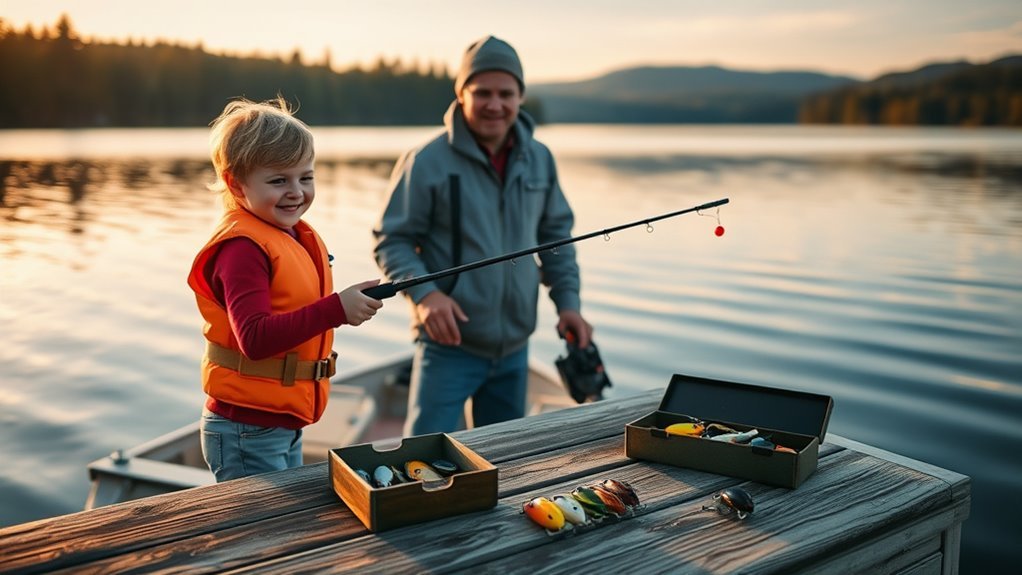
A junior fishing license is not one standard U.S. permit. Each state sets its own age cutoff, price, license term, trout or saltwater add-ons, and youth-program rules. In many states, children fish without a general license until age 16 or 17. Even when a license is not required, size limits, bag limits, seasons, gear rules, and special permits still apply.
Quick Answer
Most young anglers do not need a standard fishing license until age 16 or 17, but the cutoff depends on the state. A free permit, low-cost voluntary youth license, trout permit, saltwater registration, or species report card may still be required. Check the wildlife agency for the state and water where the child will fish.
Key Takeaways
- There is no nationwide age, fee, or license term for junior anglers.
- Pennsylvania, Maryland, and California generally require a fishing license at age 16; Texas generally starts at age 17.
- A youth exemption does not cancel fishing seasons, catch limits, gear rules, or species-specific permits.
- The license for freshwater may not cover saltwater, boundary waters, trout, salmon, sturgeon, or other specially managed species.
- Use only the official state wildlife agency or an authorized license agent when checking rules or buying a permit.
At a Glance
| Time Required | About 5–15 minutes online; longer if identity or residency records must be added |
| Difficulty | Easy once the state, water type, youth’s age, residency, and target species are known |
| Tools Needed | Official agency website, youth’s personal details, proof of residency if requested, and payment for paid items |
| Cost | Often free for exempt youth; optional permits, report cards, stamps, or adult licenses vary by state |
License Terms and Validity for Junior Anglers
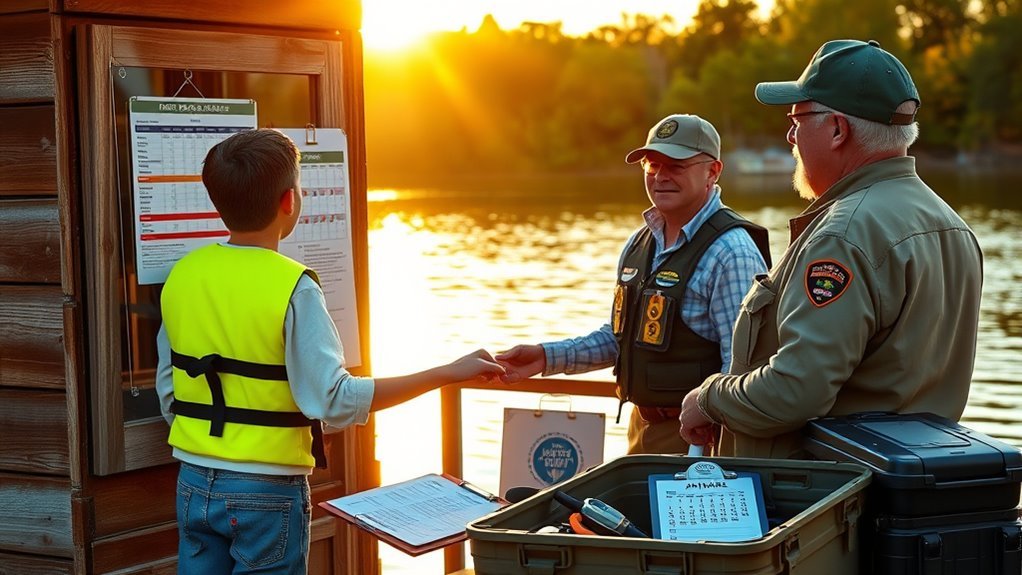
A youth permit may be valid for a calendar year, a state license year, a set number of days, or 365 days from purchase. Do not assume every license lasts one full year from the purchase date.
For example, Pennsylvania’s 2026 annual licenses and permits are tied to the 2026 license year and can be valid from December 1, 2025, through December 31, 2026. By contrast, California’s 365-day sport fishing licenses run for 365 days from purchase. Maryland also uses a 365-day term for its annual sport fishing licenses, while many Texas packages run from the sale date through August 31.
Note: The expiration date printed in the account or license document controls. A child who reaches the state’s licensing age may need an adult or standard license on the birthday, even when the rest of the family’s documents remain valid.
Who Qualifies for a Junior Fishing License or Youth Exemption?
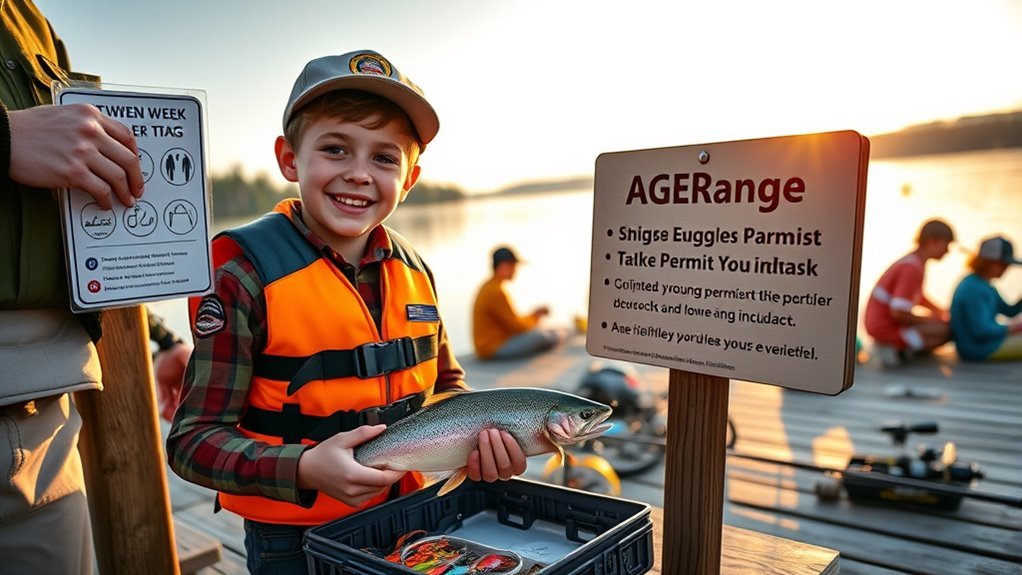
Eligibility normally depends on the child’s current age, residency, the state where the fishing occurs, and the type of water. The phrase “junior fishing license” is not used the same way everywhere. Some states sell a reduced-price youth license, while others simply exempt young anglers from the general license.
Current examples show how much the cutoff can differ:
- Pennsylvania: A general fishing license is required at age 16. Anglers under 16 can obtain a free Mentored Youth Permit or a $2.97 Voluntary Youth Fishing License for special youth opportunities.
- Maryland: Anglers under 16 may fish recreationally without a general fishing license.
- California: A sport fishing license is required at age 16, although report cards can still be required for certain species even when the angler is under 16.
- Texas: Residents and nonresidents under 17 generally do not need a fishing license.
Residency can affect price once a paid license is required. A state may ask for a parent’s address, the youth’s address, or other proof before granting a resident rate.
Warning: “No license required” does not mean “no rules.” Youth anglers must still follow seasons, legal fishing hours, size limits, daily bag limits, possession limits, bait rules, hook restrictions, closed-area rules, and required reporting.
Junior Fishing License Fees: Resident vs. Nonresident
There is no reliable national “junior fee.” Many children pay nothing because they fall below the licensing age. When a youth permit or standard license is required, residents usually pay less than nonresidents, but each state sets its own prices.
These 2026 examples are useful reference points:
- Pennsylvania: The Voluntary Youth Fishing License for anglers under 16 costs $2.97, and the Mentored Youth Permit is free. A standard annual license for anglers 16 and older costs $27.97 for residents and $60.97 for nonresidents.
- Maryland: Anglers under 16 are exempt. For anglers who need a freshwater license, the resident annual non-tidal license is $32. The nonresident annual fee is at least $55 and may be higher under reciprocity pricing.
- California: Anglers under 16 are exempt from the general sport fishing license. For 2026, the 365-day license is $64.54 for residents and $174.14 for nonresidents age 16 or older.
- Texas: Residents and nonresidents under 17 are generally exempt. Paid adult package prices depend on freshwater, saltwater, or all-water coverage.
Fees can change each year and may include issuing-agent or transaction charges. The checkout total on the official agency system is the current amount.
The child’s age often matters more than the label “junior.” In many states, the correct youth cost is $0 because the child is exempt from the standard license.
What a Junior License or Youth Exemption Lets You Do
A valid youth license, permit, or age exemption allows the young angler to fish recreationally in the places and for the species covered by that authority. It does not create a right to fish on private property, enter a closed area, use prohibited gear, exceed catch limits, or sell the catch.
Before fishing, confirm all five parts of the trip:
- Water: freshwater, tidal water, coastal water, boundary water, stocked trout water, or a private pond.
- Species: general game fish, trout, salmon, sturgeon, shellfish, lobster, or another specially managed species.
- Method: rod and reel, second rod, net, trap, bowfishing gear, or another regulated method.
- Access: public land, private property with permission, pier, charter boat, park, or wildlife area.
- Supervision: whether the program, site, boat, or event requires an adult mentor.
A parent may help bait a hook, cast, net a fish, or unhook a catch, but some states treat “assisting in taking fish” as fishing. An adult who actively participates may need their own license even when the child is exempt.
Pro Tip: Save a screenshot or PDF of the youth permit and current regulations before leaving home. Cell service is often weak near lakes and streams.
Age Restrictions and the Transition to an Adult License
The transition happens at the age set by the state, not at one nationwide age. Pennsylvania, Maryland, and California generally begin standard licensing at 16. Texas generally begins at 17. Other states may use a different age or offer a reduced youth rate for older teens.
Check the rule before the birthday. The teen may need:
- a resident or nonresident fishing license;
- a freshwater, saltwater, or all-water package;
- a trout, salmon, Lake Erie, second-rod, or other endorsement;
- a free saltwater registry in place of a paid license in a specific situation; or
- a catch record card or harvest report for a managed species.
Buying the standard license does not replace every permit. In Pennsylvania, for example, an angler age 16 or older who fishes for trout in covered waters needs both a fishing license and a current Trout Permit. In Maryland, anglers age 16 or older need a separate trout stamp to catch, attempt to catch, or possess trout from non-tidal waters.
How to Apply Online, In Person, or by Mail
Start with the official fish and wildlife agency for the state where the child will fish. Avoid third-party sites that add service fees or present old rules.
Online Purchase Steps
- Confirm the child’s age on the fishing date and whether the water is freshwater, tidal, coastal, or a boundary water.
- Open the official state licensing page and choose the youth permit, voluntary youth license, or standard fishing license that matches the trip.
- Create or locate the youth’s customer profile. Enter the exact legal name, date of birth, address, and other information requested by the agency.
- Select any required trout permit, saltwater registration, endorsement, or species report card.
- Review the dates, residency status, and total price before paying.
- Download the license or permit and keep an accepted digital or printed copy available while fishing.
Pennsylvania’s youth account process asks for the child’s date of birth, Social Security number, street address, ZIP code, and a linked email address. Other states use different identity requirements. Enter sensitive information only on the official government portal.
In-Person Options
Authorized sporting-goods stores, bait shops, county offices, or agency service centers can often issue licenses. Bring the youth’s required personal information, proof of residency if needed, and an accepted payment method. An agent can also help identify the correct license, but the angler remains responsible for knowing the regulations.
Mail Application Process
Mail service is not offered for every license in every state. Where it is available, use the current form from the agency website, complete every required field, include the listed payment method, and mail it to the address printed on the form. Apply early because a mailed application is not usually valid proof until the agency issues the document.
Trout Stamps and Other Requirements for Youth
Trout rules are highly state-specific. A youth who is exempt from the standard license may also be exempt from a trout permit, may need a free youth permit for a special event, or may need a separate document despite the age exemption.
Pennsylvania Trout Rules
Anglers under 16 do not need a general Pennsylvania fishing license. To participate in Mentored Youth Trout Day, however, the youth must hold either a current Mentored Youth Permit or a Voluntary Youth Fishing License and fish with a properly licensed adult mentor. Under the program rules, the youth may possess up to two trout of combined species, each at least 7 inches long. Adults may assist and fish under the event rules but may not possess trout during the youth event.
Maryland Trout Rules
Maryland anglers under 16 may fish without a general license. The state’s trout stamp applies to residents and nonresidents age 16 or older who catch, attempt to catch, or possess trout from non-tidal waters. The current stamp prices are $20 for residents and $30 for nonresidents.
California Report Cards
California anglers under 16 do not need the general sport fishing license, but age does not remove every reporting requirement. The state requires the appropriate report card for anyone fishing for specified species such as steelhead, sturgeon, spiny lobster, and salmon in listed North Coast river systems.
Note: A permit can be required for attempting to catch a species, even if the angler plans to release every fish.
Exemptions That Affect Young Anglers
Common exemptions include being below the state licensing age, fishing on an official free-fishing day, fishing from a qualifying public pier, fishing on certain private property, or participating in an approved educational event. Military exemptions and disability programs may also apply, but the details differ by state.
Exemptions are narrow. Always confirm:
- whether the exemption covers residents, nonresidents, or both;
- whether it applies to freshwater, saltwater, or both;
- whether a free registration is still required;
- whether trout stamps, report cards, tags, or access permits remain necessary; and
- whether the supervising adult is fishing and therefore needs a license.
Maryland, for example, exempts anglers under 16 from both its general sport fishing license and the saltwater registration requirement. Its free-fishing days also waive the normal license and stamp requirements, but all other fishing laws remain in effect. Pennsylvania’s Fish-for-Free Days work in a similar way for the license and trout or Lake Erie permits, while seasons and catch rules still apply.
Reciprocity and Fishing Across State Lines
A license from one state is not automatically valid in another. Reciprocity normally applies only to named boundary waters, specific river sections, certain banks, or particular license types.
The Potomac River is a good example. Virginia’s reciprocal-license guidance divides the river into upper, middle, and lower sections, and the licenses honored are different in each section. The agency also states which jurisdiction’s fishing rules apply.
Before crossing a state line or fishing a border water, verify:
- the exact section of water and both shoreline boundaries;
- whether the agreement covers residents only or all licensed anglers;
- whether freshwater, saltwater, or a special commission license is required;
- which state’s seasons, size limits, and creel limits control; and
- whether tributaries, docks, piers, or shore fishing are excluded.
Warning: Do not rely on a broad statement that a home-state license “covers the whole river.” Reciprocity often changes at a bridge, tributary line, dam, or state boundary.
Mentored Youth Programs and Voluntary Youth Permits
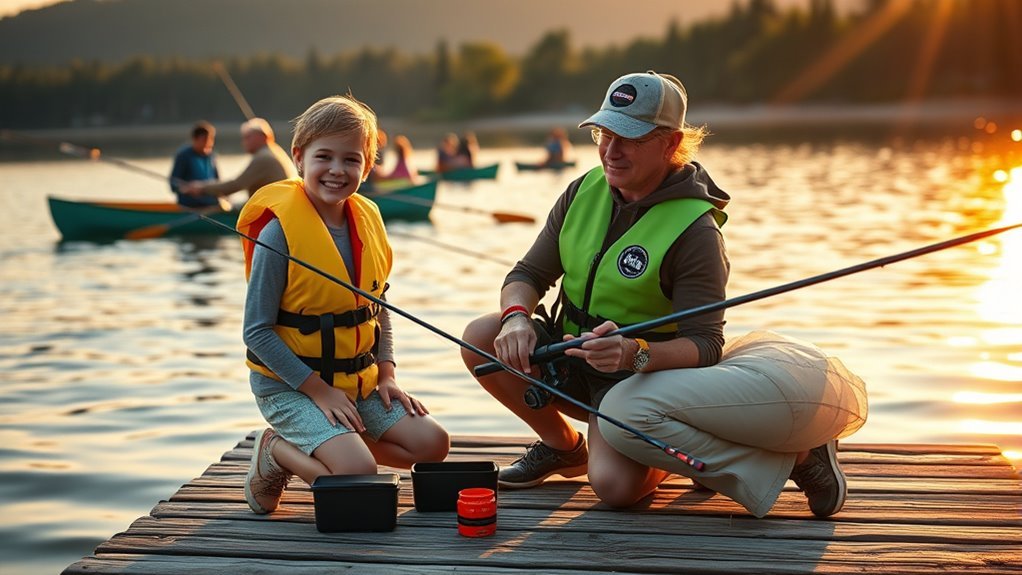
Mentored programs give children a structured way to learn casting, fish handling, conservation, and regulations with an adult. They may create an opportunity that is separate from ordinary fishing and may require a special youth permit even when the child normally fishes license-free.
Pennsylvania’s program offers two choices for anglers under 16:
- Mentored Youth Permit: free and valid for the state’s designated mentored youth trout opportunity.
- Voluntary Youth Fishing License: $2.97 and used for the same youth opportunity while also supporting youth fishing programs.
The voluntary license does not replace normal seasons or grant special year-round catch rights. Outside the special youth event, an angler under 16 already falls under Pennsylvania’s general license exemption and must follow the regulations for the water being fished.
For a safer first trip, choose a calm bank or pier with room to cast, use eye protection, pinch down barbs where legal, keep pliers and a small first-aid kit nearby, and require a properly fitted life jacket around boats, swift water, steep banks, or cold water.
Frequently Asked Questions
Are fishing safety courses required for junior license holders?
Usually, a basic fishing license is not tied to a fishing safety course. A separate boating-safety course may be required if the young person operates a motorboat or personal watercraft. Educational events and managed properties may also set their own supervision or training rules.
Can junior anglers sell fish they catch?
Do not assume recreational catch can be sold. Commercial sale commonly requires a commercial license, legal harvest documentation, and compliance with separate species and dealer rules. Check the state’s commercial-fishing laws before exchanging any catch for money or value.
Are there family discounts for multiple junior licenses?
There is no nationwide family discount. Many states reduce costs by exempting children below a set age or offering a free youth permit. Check the official fee table rather than assuming a bundle is available.
Does a junior license cover saltwater fishing?
Not always. Some states separate freshwater and saltwater licenses, endorsements, or registrations. The youth may be exempt by age, but the adult, boat, or charter operator may still need the correct saltwater authority.
Is gear or tackle included with a junior license?
No. A license or permit is legal authorization, not an equipment package. Some youth clinics lend rods, reels, bait, or life jackets, but that benefit comes from the event rather than the license.
Does a child need a license on a private pond?
It depends on the state, ownership, and whether the pond is connected to public water or managed under a special license. The landowner’s permission is always required, and state seasons or species rules may still apply.
What happens when a young angler turns 16 or 17?
Check the state rule before the birthday. In states that require a license at 16, the angler may need a standard license as soon as they turn 16. Texas generally begins the requirement at 17. Extra permits may also become necessary at the same age.
Must the youth carry proof of the permit?
When a permit, license, report card, or registration is required, carry it in the form accepted by the agency. Some documents can be shown digitally, while certain physical report cards must remain in the angler’s possession.
Conclusion
The right junior fishing license depends on the state, the child’s age, residency, the water, the target species, and the fishing method. Many children can fish without a standard license, but they are never exempt from the rest of the regulations. Check the official agency page shortly before the trip, obtain any youth permit or species document, and keep proof available on the water.
Sources
- Pennsylvania Fish and Boat Commission — Fishing License and Permit Pricing — 2026 age requirements, youth permit prices, adult license fees, and trout permits.
- Pennsylvania Fish and Boat Commission — Mentored Youth Trout License or Permit — youth eligibility, account details, supervision, and catch rules.
- Maryland Department of Natural Resources — Sport Fishing and Crabbing Licenses — age exemption, license terms, fees, trout stamps, and saltwater registration.
- California Department of Fish and Wildlife — Sport Fishing Licenses and Report Cards — 2026 fees, age 16 threshold, 365-day licenses, and report-card requirements.
- Texas Parks and Wildlife Department — Fishing Licenses and Packages — under-17 exemption, package coverage, and license-year terms.
- Virginia Department of Wildlife Resources — Reciprocal Licenses — boundary-water and Potomac River reciprocity rules.