
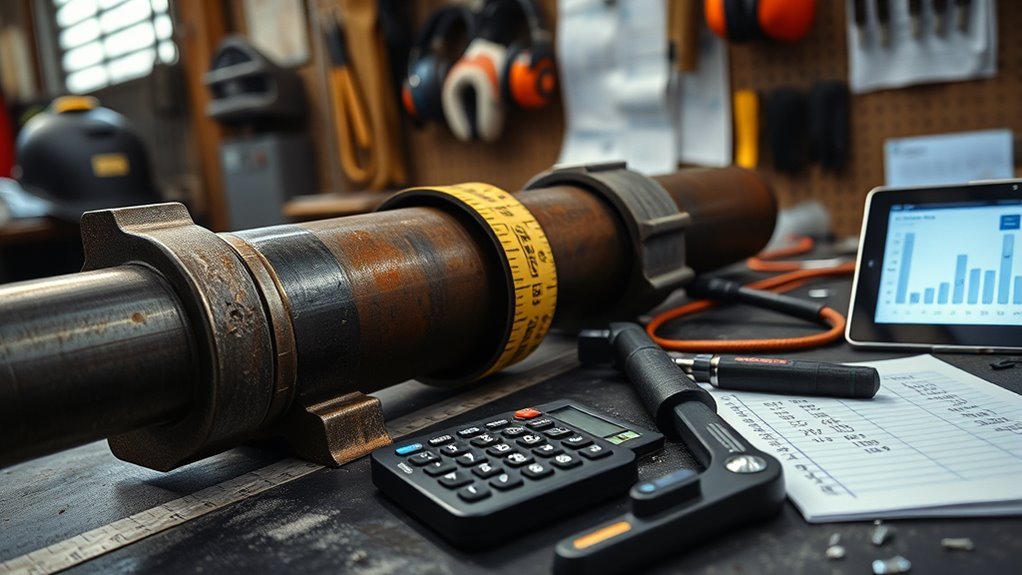
Start with the project scope and precise measurements of your pipe: the material, diameter, wall thickness, and total run length. These numbers help size the filler metal and predict the number of passes. Choose the right welding methods and joint preps (bevels, gaps, backing) to set deposition rates. Calculate weld metal volume, convert it to mass, and add a recovery factor for filler needs. Estimate labor from inches per hour, add prep and inspection time, then price consumables, gas, equipment, overhead and contingency to get a per-foot rate. Keep going to see calculation examples and templates.
Quick Answer
Estimating pipe welding costs per foot comes down to these key steps:
- Define scope and measure pipes accurately.
- Select welding process and joint preparation.
- Calculate weld volume, filler metal, and labor hours.
- Add consumables, gas, equipment, overhead, inspection, and post-weld time.
- Include contingency and compile the final per-foot rate.
Gather Project Scope and Pipe Measurements
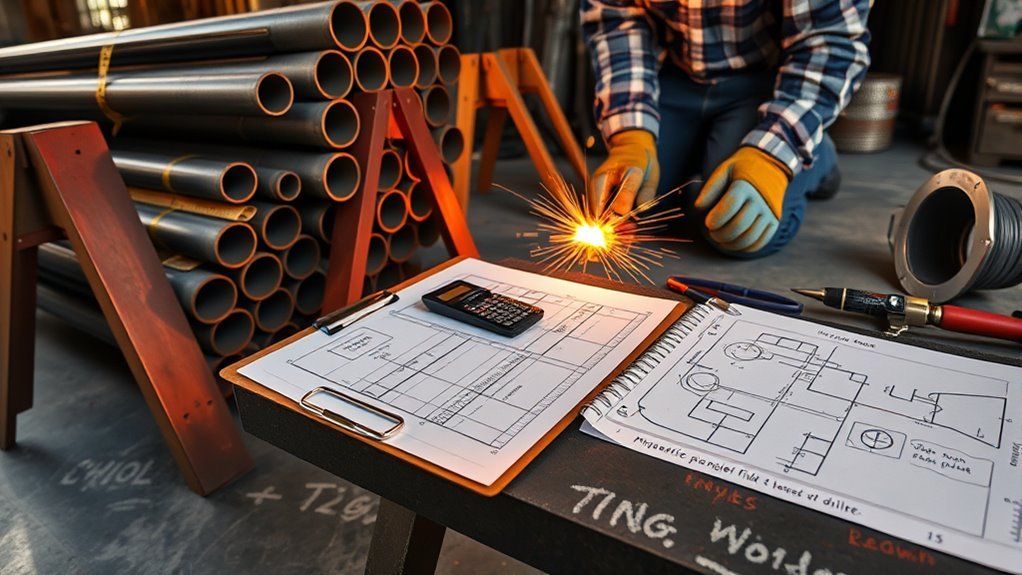
When you start estimating pipe welding costs, first define the project scope and capture precise pipe measurements—material type, diameter, wall thickness, and total run length. Each of those factors directly affects filler metal needs, welding technique, and labor hours.
Identify the piping material first. Stainless, carbon steel, or exotic alloys change consumable costs and preheat requirements, so record this in your project specifications. Measure diameter and wall thickness accurately to size the filler metal and predict the number of weld passes.
Tally total run length to estimate filler quantity and crew hours. Note special joints like T or Y configurations; they add prep time. Log environmental or cleanroom constraints that increase controls or inspection frequency.
Maintain measurement accuracy to avoid costly rework.
Select Welding Processes and Joint Preparations
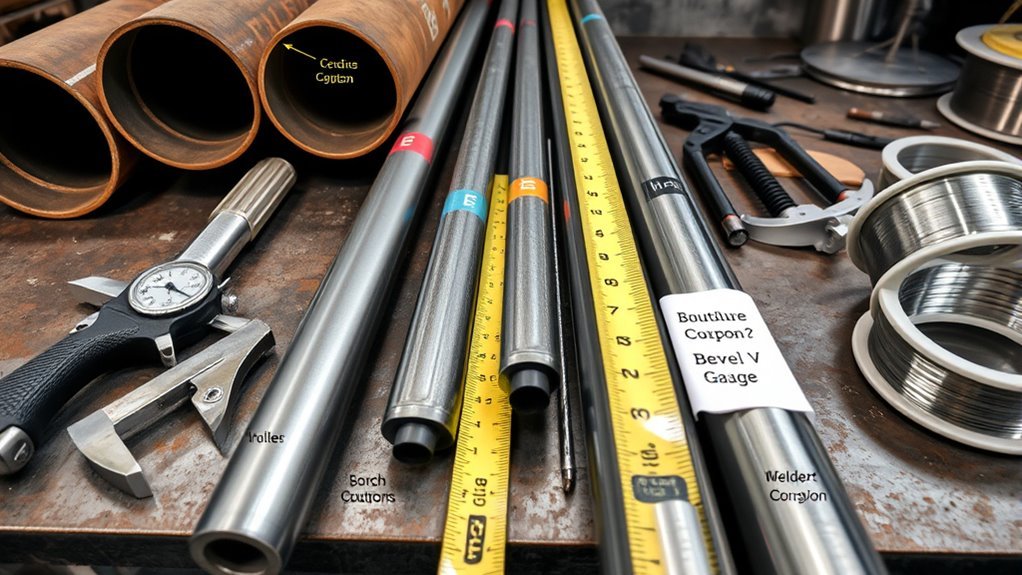
The welding method and joint prep decide how much metal you need and how long the work will take. Pick processes like GTAW or FCAW and specify bevel, butt, or fillet details early so you can quantify filler consumption, deposition rates, and fit-up labor.
Evaluate welding techniques against project specs for purity, environment, and required strength. Then choose joint designs that balance accessibility and cost. Define angles, root gaps, and backing needs so supervisors can set parameters that minimize rework. Different preparations change deposition rates and consumable types, which affects hourly labor and material budgets. Use the table below to compare common choices and their cost implications.
| Process/joint | Cost impact |
|---|---|
| GTAW + bevel | Higher labor, cleaner welds |
| FCAW + fillet | Faster deposition, lower labor cost |
Products Worth Considering

Set includes:8pcs Back cup, 20 collets, 20pcs collet body, 20pcs Alumina gas cup/ nozzle.

5Pcs 3/32" & 2.4mm 13N23 TIG Collet.
Calculate Weld Metal Volume and Filler Required
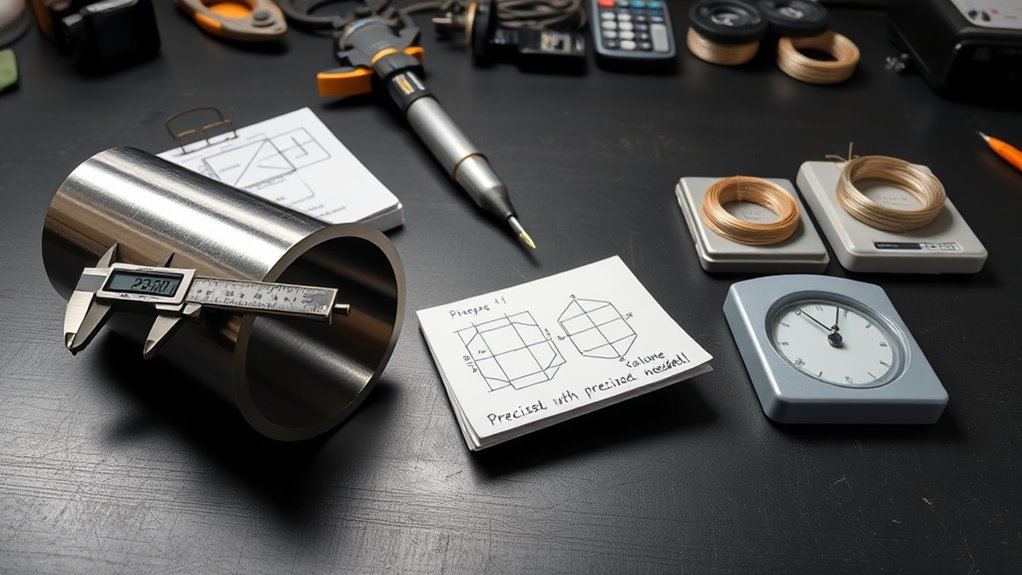
Now that you’ve chosen processes and joint prep, measure the bevels, root gaps, and weld length so you can compute the weld metal volume with the proper geometric formula for the joint type (fillet, single- or double-V, etc.).
Use the joint geometry to select the right area formula, multiply by the weld length, and get volume. Convert volume to mass using material density to price consumables.
Use joint geometry to find cross-sectional area, multiply by the weld length for volume, then convert to mass with material density.
A helpful reference for these calculations is the calculating weld volume and weight guide from TWI. Apply a recovery factor for losses to estimate total filler required. For accuracy, feed dimensions into a spreadsheet that accounts for deposition rates and process efficiency.
- Measure joint dimensions and weld length precisely.
- Calculate volume with correct geometry formulas.
- Multiply by material density and recovery factor.
- Use a spreadsheet for filler quantity and cost.
Products Worth Considering

Product Description : Metal Repair Glue is a two-component, heavy- duty, high-temperature resistant, waterproof epoxy glue, it comes in 1.76oz container, including a set of pusher, scraper and mixed ratio 1:1 syringe. It is a non-irritating odor liquid metal cold welding adhesive, welding glue cures quickly, once cured, metal repair glue can form a strong and stable permanent bond.

PLJOFRSHI Metal glue is a two-component heavy duty high temperature resistant epoxy resin glue with capacity of 1.76oz for each,including a set of pusher, scraper and mixed ratio 1:1 syringe,can be used for boats, cars, Oil tanks, water pipes, heaters, vases, fences welding car bumpers, motorcycle crack repair,It is a good nontoxic and nonirritating odor cold welding glue.

Estimate Welding Labor Hours and Productivity
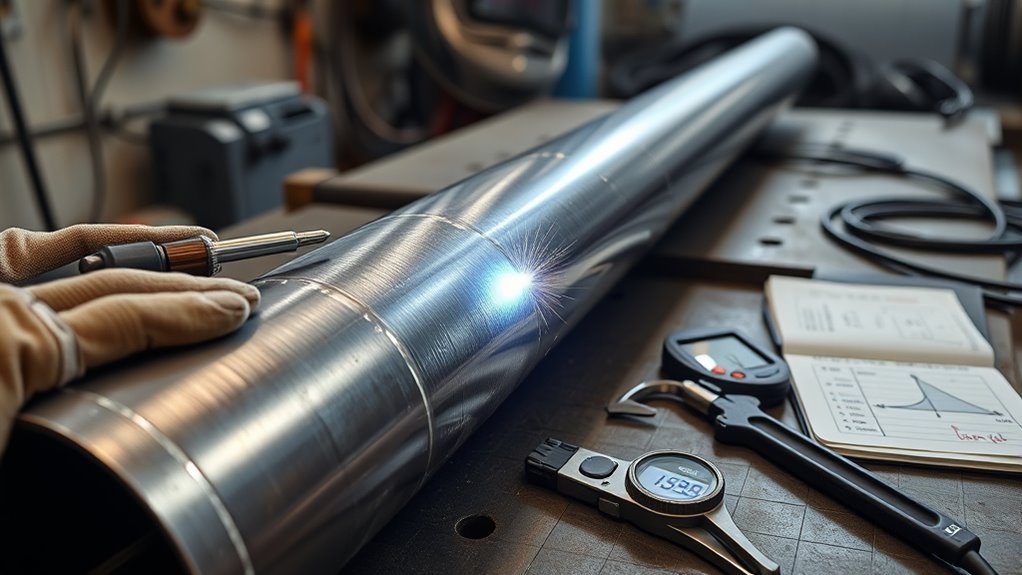
Estimate welding labor hours by starting with the weld length and the expected productivity rate for your crew. For manual pipe welding, a practical range is about 5–10 in/hr of completed weld, including setup and handling, depending on joint type and position.
Convert total inches to hours using that rate, then adjust for joint complexity and welder skill—both can cut productivity or raise hours. Add 15–30% for joint preparation (cleaning, alignment) and another 10–20% for post-weld inspection and cleanup.
Use historical data for similar jobs to calibrate your assumptions and spot atypical conditions. Track welding techniques used (SMAW, GMAW, GTAW) because they alter speeds. Perform a simple productivity analysis to produce realistic labor-hour estimates that feed directly into your cost model.
Products Worth Considering
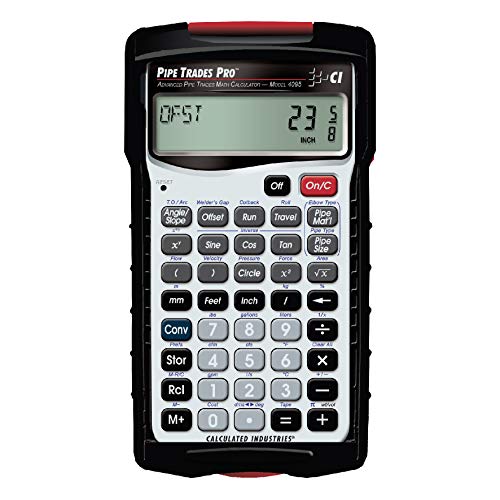
GET INSTANT ANSWERS for all your pipe layout and design problems so you can get to building; when you use the Pipe Trades Pro together with measurements from blue prints you know the end result will be right; it calculates right angles, offsets, parallel pipe cutbacks, fitting angles, bends, weight or volume conversions, flow rates and more

- Input Values as Fractions
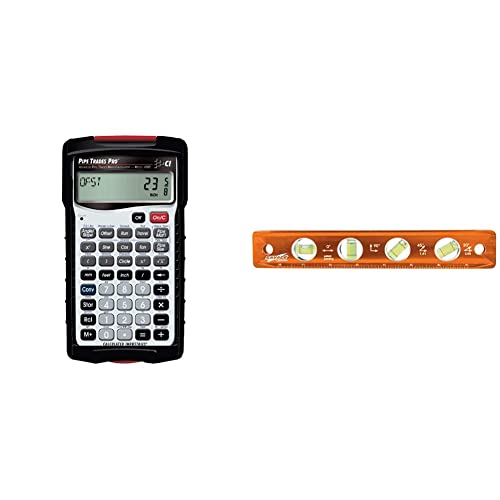
Product 1: GET INSTANT ANSWERS for all your pipe layout and design problems so you can get to building; when you use the Pipe Trades Pro together with measurements from blue prints you know the end result will be right; it calculates right angles, offsets, parallel pipe cutbacks, fitting angles, bends, weight or volume conversions, flow rates and more
Determine Consumables, Gas and Equipment Costs

With labor hours established, quantify the consumables, shielding gas and equipment costs that feed into your per-foot welding rate.
With labor hours set, next quantify consumables, shielding gas, and equipment costs into your per-foot welding rate.
Calculate required quantities from joint design and process: define a wire-to-flux ratio (for example, 0.5–2.5) to size the wire and flux, then source supplier quotes for filler metals.
- Consumables: list consumable types, compute unit costs, and multiply by required mass.
- Gas: determine gas mix, measure consumption per weld, and apply gas pricing per cubic meter.
- Equipment: allocate depreciation and maintenance per job for welders and specialized tools.
- Energy & extras: add kWh consumption and any ancillary tool wear to the consumables subtotal.
Sum these line items to produce a precise consumables/gas/equipment cost per foot.
Products Worth Considering

Complete 123-Piece Set:All necessary TIG torch accessories and consumables for WP-17, WP-18, and WP-26 torches.

SPECIFICATION: 49PCS TIG Torch Accessories kit (consumables).

Set includes:3pcs Back cup, 20 collets, 8pcs collet body, 25pcs Alumina gas cup/ nozzle, 2 gasket
Add Overhead, Inspection and Post-weld Activities
Indirect expenses can quickly erode your margins, so add overhead as a defined percentage of project costs (typically 10–30%). Then separately account for inspection and post-weld work so your per-foot rate reflects the true job cost.
For overhead estimation, apply a clear rate to cover utilities, rent, admin salaries and equipment depreciation; document the base costs you use so the percentage stays defensible. For inspection budgeting, allocate 5–15% of welding labor for qualified inspectors and track actual inspector hours per job.
Include post-weld activities (cleaning, finishing, rework checks) at 5–10% of welding costs and log time to refine future estimates. Keep all entries line-itemized so your per-foot price is transparent and auditable.
Products Worth Considering
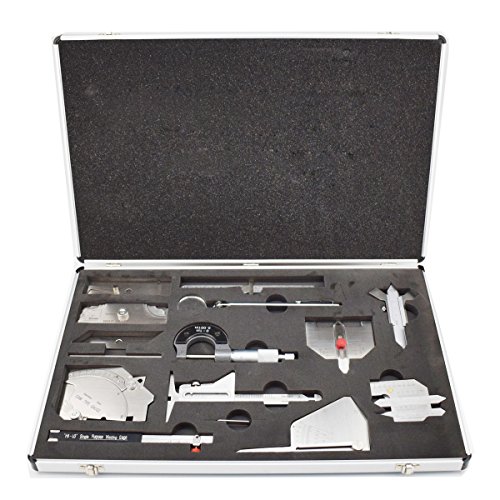
Most ruler are INCH size, some angle measurement are Metric size.

BEAUTIFUL AND PRACTICAL: Weld is made of stainless steel, has reasonable structure, beautiful appearance, easy to use, wide measuring range
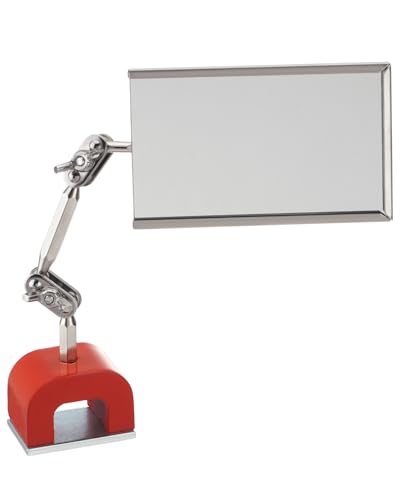
Magnetic Base: Equipped with a 1.58" x 1" magnetic base, the inspection mirror frees your hands for precision work and ensures stability during critical inspections.
Compile Contingencies and Final Cost Summary
When you compile contingencies and the final cost summary, set aside a clear contingency line (typically 10–20% of the total estimated costs) and then reconcile every cost component—materials, labor, equipment, overhead, inspection and post-weld activities—so stakeholders see exactly how you arrived at the per-foot rate.
Document assumptions, summarize labor hours by joint complexity and skill level, and review indirects to meet budget considerations and cost transparency standards. Present a concise summary that stakeholders can audit.
- Itemize materials, equipment, and indirect costs with unit rates and totals.
- Break down labor by hours, rates, and complexity multipliers.
- Apply contingency percentage and justify its selection.
- Provide assumptions, exclusions, and a final per-foot rate for approval.
Frequently Asked Questions
How Do Weld Codes Affect Final Cost Calculations?
Weld codes raise costs by enforcing stricter welding standards, testing, and documentation, such as those from the American Welding Society. You’ll incur higher labor, procedure qualification, inspection, and potential rework costs, so plan budgets conservatively and track compliance-driven expenses closely.
Can Corrosion Allowance Change Filler Metal Estimates?
Corrosion allowance increases filler metal needs, much like measuring extra depth with a yardstick. You’ll specify thicker welds, more volume, and sometimes different alloys, which raises material and labor costs, so plan budgets accordingly.
How to Price Travel and Mobilization Separately?
Separate them by scope: charge travel expenses per mile, per diem, lodging, and incidentals at actual cost; bill mobilization fees as flat fees for setup, equipment transport, and crew standby. Itemize both on invoices for transparency.
Do Joint Access Difficulties Alter Productivity Rates?
Yes—joint access difficulties reduce labor efficiency and slow joint preparation, so you’ll see lower productivity, longer hours, higher labor costs, and potential rework. Plan contingencies, adjust rates, and document efficiency impacts for accurate costing.
Are Taxes and Duties Included in Material Costs?
Taxes and duties aren’t always included in material pricing, like seeing the full receipt laid out on a table. Check tax implications separately, adjust unit costs, and document total landed material expense precisely.
Conclusion
Follow each step—from measuring pipes and choosing processes to tallying filler metal, labor hours, consumables, inspections and contingencies—and you’ll get a reliable welding cost estimate that’s as solid as the weld itself. Stay detail-oriented: verify joint prep, run realistic productivity numbers, and itemize overhead and inspections. That way you’ll avoid surprises, control budget risk, and present a defensible, cost-focused total every time.
