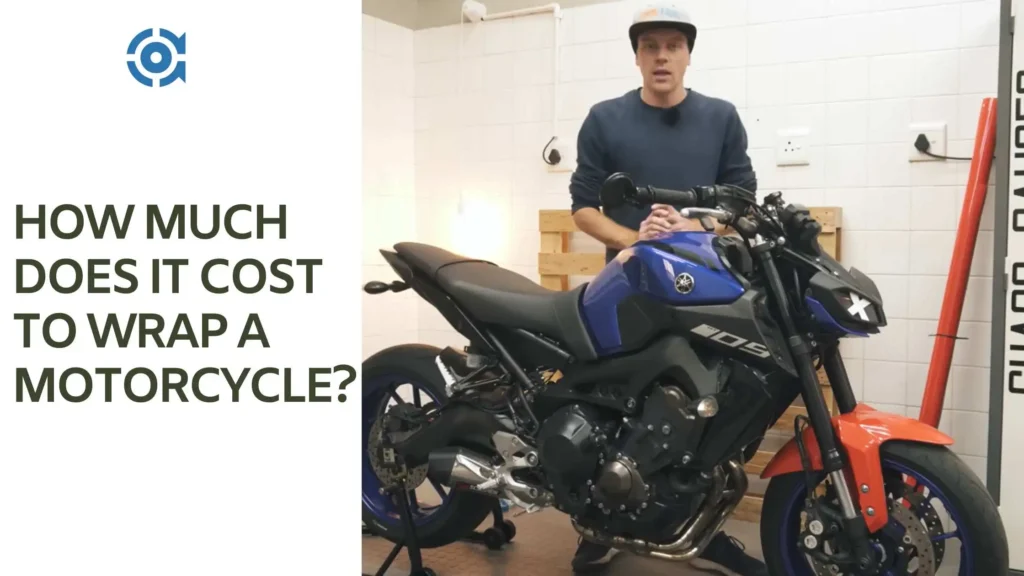
The cost to wrap a motorcycle typically ranges between $1,500 and $4,000 in the U.S. Prices vary depending on the bike’s size and the wrap’s complexity.
Wrapping a motorcycle is a popular way to change its appearance without committing to a permanent paint job. Riders can choose from a wide range of colors, patterns, and finishes to get a truly unique look.
The process involves applying large vinyl sheets to the motorcycle’s body. These sheets can also protect against scratches and UV damage.
The final price depends on the quality of materials, the complexity of the design, and the labor rates of the installer you choose. Done right, a wrap is both a style statement and an investment in your bike’s appearance.
Quick Answer
- A full professional motorcycle wrap costs $1,500 to $4,000 in the U.S.
- Materials alone (vinyl) range from $100 to $700 depending on type and brand.
- Labor rates run $20 to $60+ per hour depending on skill level and location.
- Custom graphic design adds another $150 to $2,000+ to the bill.
- A quality wrap lasts 3 to 7 years with proper care.
- Wrapping is generally cheaper and more flexible than a custom paint job.
Introduction To Motorcycle Wrapping

Motorcycle wrapping is a modern way to change your bike’s look. It involves covering the motorcycle with a thin, adhesive vinyl film. Riders like it because it’s easy to customize and far less permanent than paint.
Rise In Popularity Of Custom Wraps
Custom wraps are catching on fast, and for good reason:
- Easy customization: Riders can choose from countless designs and colors.
- Quick process: Wrapping a bike is faster than painting it.
- Protects original paint: The wrap shields the bike’s paint from scratches and weather.
Benefits Of Wrapping Vs. Painting
Wrapping has some real advantages over a traditional paint job:
- Cost-effectiveness: Wrapping is generally cheaper than a full paint job.
- Reversibility: You can remove the wrap to reveal the original paint underneath.
- Duration: High-quality wraps can last about 5 to 7 years with proper care.
Factors Influencing Wrap Costs

Wrapping a motorcycle can breathe new life into its appearance. But the price isn’t fixed. Several factors push the cost up or down.
Motorcycle Size And Design
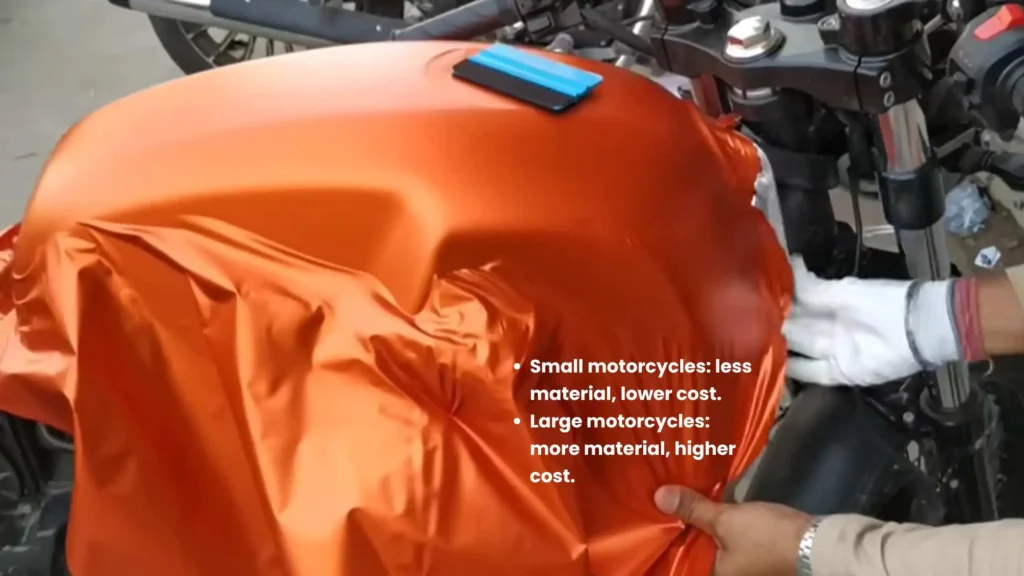
Bigger bikes need more material. Custom shapes take extra work. Plan to pay more for larger or more complex builds.
- Small motorcycles: less material, lower cost.
- Large motorcycles: more material, higher cost.
Choice Of Wrap Materials
The wrap material affects both durability and price. High-quality vinyl lasts longer but costs more. Cheaper materials save money upfront but may not hold up as well over time.
| Material Type | Cost |
|---|---|
| Premium Vinyl | Higher |
| Basic Vinyl | Lower |
Complexity Of The Wrap Design
More complex designs take longer to install, and labor time adds to the bill. Simple single-color wraps are quicker and cheaper. Custom graphics cost extra on top of that.
- Simple patterns: less time, less cost.
- Complex designs: more time, more cost.
Material Options And Pricing
Choosing the right material for wrapping a motorcycle matters. It shapes both the final look and the total cost.
Vinyl Quality And Types
Vinyl wraps come in two main types, each with a different price range:
- Calendered vinyl is less expensive but not as durable. It’s made by pressing softened vinyl through rollers, which leaves some internal stress in the film.
- Cast vinyl costs more but lasts longer and conforms better to curves. It’s made by spreading liquid vinyl onto a casting sheet, resulting in a more stable, thinner film.
Special Finishes And Textures
For a more distinctive look, special finishes and textures are available. These include:
- Matte and gloss finishes for a sleek, clean look.
- Carbon fiber and metallic textures for a bolder, more technical appearance.
These special finishes usually add to the overall cost.
Durability And Brand Differences
Brand matters when it comes to durability. Top brands typically offer:
- Longer-lasting wraps.
- A wider range of colors and textures.
That wider selection and better performance usually comes with a higher price tag.
| Material/Finish | Price Range |
|---|---|
| Calendered Vinyl | $100 – $300 |
| Cast Vinyl | $250 – $500 |
| Special Finishes | $300 – $600 |
| Top Brands | $400 – $700 |
Material choice has a big impact on the final price. From budget-friendly calendered vinyl to premium brands with unique finishes, the range is wide.
Preparation And Labor Costs
Preparation and labor make up a big chunk of the total wrap cost. Understanding what’s involved helps you budget more accurately.
Bike Disassembly And Preparation
Proper prep is essential for a wrap that lies flat and lasts. It typically includes:
- Removing parts like mirrors and seats.
- Cleaning the surface thoroughly.
- Repairing any surface damage.
Time spent here prevents bigger problems down the road.
Labor Hours And Skill Levels
Shops charge based on how long the job takes and how skilled the installer is. Here’s a rough guide:
| Experience Level | Hourly Rate |
|---|---|
| Beginner | $20-$30 |
| Intermediate | $35-$45 |
| Expert | $50+ |
Experts cost more per hour, but they typically work faster and make fewer mistakes.
Geographic Impact On Labor Rates
Where you live affects the price too. Bigger cities tend to have higher rates than smaller towns.
- In New York City, expect to pay $60+ per hour.
- In a smaller town, it might be closer to $25 per hour.
This gap comes down to the local cost of living and how much competition exists between shops.
Design And Customization Expenses
Custom wrap designs can range from simple to highly intricate, and that directly affects the final price. Here’s a breakdown of what to expect for graphics, templates, and digital previews.
Custom Graphics And Designer Fees
A unique graphic design usually means hiring a professional designer. Fees vary based on their experience and what you’re asking for. Here’s what you can expect:
- Initial Consultation: Free to a fee, depending on the designer
- Design Creation: Hourly rates or a flat fee
- Revisions: Additional costs may apply for multiple changes
The table below breaks down potential designer fees:
| Service | Cost Range |
|---|---|
| Basic Design | $150 – $300 |
| Complex Design | $500 – $2,000+ |
Pre-designed Templates Vs. Bespoke Designs
The choice between a pre-made template and a custom design has a real impact on your budget:
- Pre-designed Templates: Affordable, less personalized
- Bespoke Designs: Higher cost, one-of-a-kind
Cost Of Digital Rendering And Mockups
Digital mockups let you preview the wrap before a single piece of vinyl is cut. The cost includes software, rendering time, and the designer’s skill level.
Expect to pay anywhere from $50 to $200 for digital mockups, depending on the complexity of the project.
Installation Process And Expenses
The installation process plays a big role in the overall cost. Here’s what the steps actually involve and how long it takes.
Step-by-step Wrap Installation
- Clean the motorcycle thoroughly. No dust or grease should remain.
- Remove parts that may get in the way. This includes mirrors and lights.
- Measure and cut the wrap material. Be precise to avoid waste.
- Apply the adhesive. Start from one end, smoothing out bubbles as you go.
- Trim excess material. Use a sharp blade for clean edges.
- Reattach any parts you removed earlier.
Tools And Techniques Used
- Heat gun or hairdryer to stretch the wrap around curves.
- Squeegee to smooth out bubbles.
- Utility knife for cutting the wrap material.
- Cleaning supplies like isopropyl alcohol and microfiber cloths.
Experienced installers use these tools carefully to make sure the finished wrap looks clean and sits flat.
Timeframe For Wrap Application
The time it takes to wrap a motorcycle depends on a few things:
| Factor | Time Impact |
|---|---|
| Motorcycle size | Smaller bikes take less time. |
| Wrap complexity | Simple designs are quicker. |
| Experience level | Pros work faster than beginners. |
On average, expect the job to take 5 to 8 hours. That varies with each project.
Maintenance And Longevity Of Wraps
A motorcycle wrap does more than look good. It also acts as a protective layer for your paint. How long it lasts depends largely on how well you care for it.
Routine Maintenance Tips
Keeping your wrap in good shape doesn’t take much. Follow these basics:
- Clean regularly with gentle soap and water.
- Avoid high-pressure washes that can lift edges.
- Use soft cloths to prevent surface scratches.
- Store your motorcycle indoors or under a cover when possible.
Long-term Care For Extended Life
For a wrap that holds up for years, add these steps to your routine. You can also find detailed guidance on wrap care and maintenance from leading manufacturers like Avery Dennison.
- Wax the wrap twice a year with a silicone-based product.
- Inspect for damage regularly and deal with it quickly before it spreads.
- Keep the motorcycle out of direct sunlight for extended periods.
Impact Of Weather And Riding Habits
Weather and how you ride both affect wrap life. Here’s a quick breakdown:
| Factor | Impact | Preventive Action |
|---|---|---|
| Sun exposure | Fades color | Park in shade |
| Rain | Can cause lifting | Dry after wet rides |
| Cold | Makes wrap brittle | Store indoors |
| Gravel roads | Scratches wrap | Avoid rough terrain |
Ride smart and your wrap will show it.
Comparative Analysis
Before spending money on any customization, it helps to compare your options. This section looks at how wrapping stacks up against other methods and what it means for your bike’s long-term value.
Wrapping Vs. Other Customization Methods
Motorcycle owners weigh a few options when personalizing their rides. Wrapping stands out for several reasons:
- Cost: Typically less expensive than a custom paint job.
- Time: Faster to apply than paint, so the bike is out of service for less time.
- Variety: More color and finish options than most paint shops can offer.
- Protection: Acts as a shield against scratches and UV rays, preserving the original paint.
Cost-benefit Analysis Over Time
A wrap is an investment. Here’s how it compares to paint over the long haul:
| Aspect | Wrap | Paint |
|---|---|---|
| Initial Cost | Lower | Higher |
| Durability | 5-7 years | 10+ years |
| Maintenance | Low | High |
| Changeability | Easy to replace | Permanent |
Wraps offer real flexibility and cost savings, especially for riders who like to update their bike’s look every few years.
Resale Value Impact
A wrapped motorcycle can affect resale value in positive ways:
- Preservation: The original paint stays intact underneath, which appeals to buyers.
- Appeal: An attractive wrap can catch a buyer’s eye.
- Customization: Unique designs may attract niche buyers willing to pay more.
Keep in mind that taste varies. Some buyers will always prefer a stock finish over a custom wrap.
Case Studies And Real-world Examples
Exploring real-life motorcycle wrap projects sheds light on the costs involved. These examples show what different budgets can actually get you.
Budget-friendly Wrap Projects
There are solid options for riders who want a fresh look without a big spend:
- Vinyl wraps: Durable and less expensive than custom paint jobs.
- DIY kits: Starting at $50, they offer a hands-on option for the budget-savvy rider.
- Partial wraps: Covering only certain parts of the bike cuts both material and labor costs.
Premium And High-end Wrap Examples
For those who want the best, premium wraps deliver high-quality finishes and maximum protection:
| Wrap Type | Cost Range |
|---|---|
| Custom Graphics | $400 – $800 |
| Chrome or Specialty Material | $600 – $1,200 |
| Full Professional Wrap | $1,000 – $2,000+ |
Cost Breakdowns From Actual Bike Owners
Real owners share what they actually spent:
- Material costs: $100 – $500, depending on vinyl quality.
- Labor charges: Typically range from $250 – $600.
- Additional fees: Some owners face extra costs for complex designs or bike disassembly.
Final Thoughts And Smart Spending Tips
A motorcycle wrap is a great way to refresh your bike’s look. With some planning and careful service selection, you can get a result you’re happy with without overspending.
How To Budget For Your Bike Wrap
Know the factors that affect cost:
- Motorcycle size
- Wrap quality
- Design complexity
Build a budget plan that includes:
- Material costs
- Labor fees
- Extra charges for custom designs
Set aside a contingency fund of about 10 to 15 percent of your total budget for surprises.
Avoiding Unnecessary Expenses
Pick a durable wrap material. It lasts longer and saves money over time.
Go with a timeless design so you’re not paying to redo it in a year.
If your old wrap needs to come off first, do the removal yourself if possible. It saves on labor costs.
When To Opt For A Professional Service
Some jobs really do call for a pro:
| Detail | DIY Risk | Professional Advantage |
|---|---|---|
| Complex designs | Higher chance of errors | Quality assurance |
| High-quality finish | May lack expertise | Expert application |
| Longevity | Potential for early wear | Durable results |
Remember: good work isn’t cheap, and cheap work isn’t good.
Frequently Asked Questions of How Much Does It Cost to Wrap a Motorcycle?
Is It Cheaper To Paint Or Wrap A Motorcycle?
Wrapping is typically less expensive than painting. Paint jobs usually require more labor and materials. Wrapping also offers more design options and is easier to reverse.
How Long Does A Motorcycle Wrap Last?
A quality motorcycle wrap typically lasts between 3 and 7 years, depending on the vinyl quality and how well it’s maintained. Regular cleaning and keeping the bike away from harsh conditions helps extend its life.
How Much Should I Charge To Wrap A Motorcycle?
Motorcycle wrap costs vary, typically ranging from $1,500 to $4,000, depending on bike size, wrap complexity, and material quality.
What Is The Cost Of Wrapping A Bike?
The cost of wrapping a bicycle typically ranges from $150 to $500, depending on the materials and design complexity.
Conclusion
Wrapping a motorcycle gives your bike a fresh look while adding a layer of protection. Costs vary based on size, design, and material, but a quality wrap pays off in both style and longevity. Research local installers to find a service that fits your budget and the look you’re after.
A well-done wrap can genuinely turn heads on the road.