
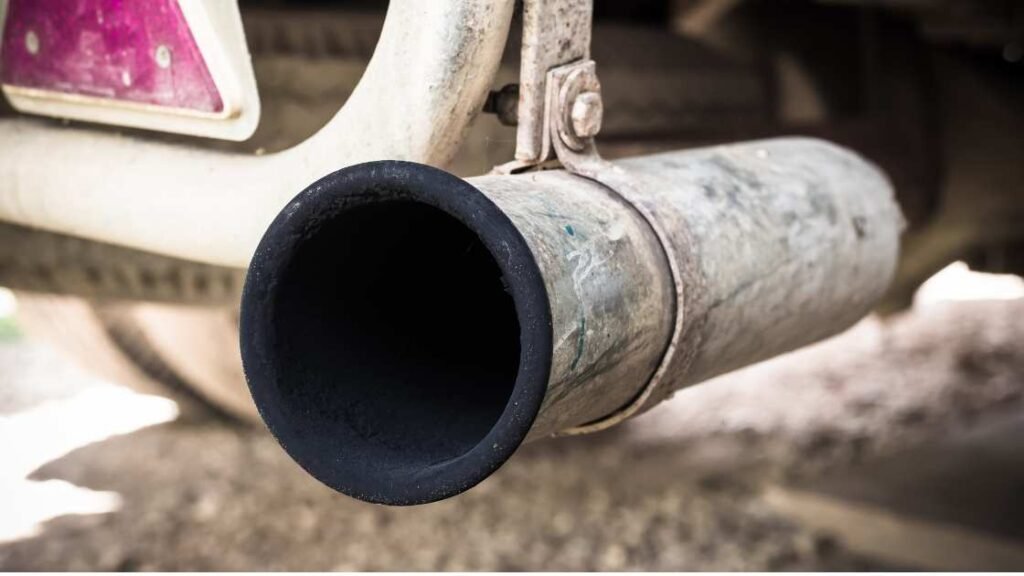
In the U.S., budget about $200 to $1,000 for many emissions-intact straight-pipe-style exhaust jobs on a truck. A simple muffler-only section can cost less, while stainless steel, dual exhaust, rust repair, and custom fabrication can push the total above $1,000.
In this guide, “straight pipe” means replacing the muffler and, in some setups, the resonator with less-restrictive tubing while leaving required emissions equipment intact. Removing, bypassing, or disabling catalytic converters, diesel particulate filters (DPFs), selective catalytic reduction (SCR) systems, or other required emissions controls is prohibited under U.S. federal law for street vehicles. The most predictable result of an emissions-intact exhaust change is more sound; a horsepower increase is not guaranteed.
The final price depends on the truck, single- or dual-exhaust layout, pipe material, rust, fabrication time, and local shop rates. A qualified exhaust shop should also check hanger placement, ground clearance, leaks, and the location of factory sensors. See the EPA’s current tampering policy before approving any work that changes factory emissions hardware.
Before spending money, check state and local muffler, noise, and inspection rules. An aftermarket exhaust does not automatically void an entire vehicle warranty, but coverage may be denied for damage the modification caused. This guide explains cost, materials, labor, legal limits, and how to compare quotes.
Last updated: August 10, 2026. Prices below are planning ranges, not guaranteed shop quotes.
How Much Does It Cost to Straight Pipe a Truck?
| Job scope | Planning cost | Main cost drivers | Street-use note |
|---|---|---|---|
| Muffler-only straight section | Often in the low hundreds | Pipe size, one or two mufflers, welding or clamps, tip, local labor | Emissions equipment stays in place; muffler and noise laws still apply |
| Custom emissions-intact straight-through tubing | About $200–$1,000 | Truck layout, bends, stainless vs. aluminized steel, rust, fabrication time | Keep catalytic converters, DPF/SCR equipment, and required sensors intact |
| Complex stainless or dual-exhaust fabrication | $1,000+ is possible | More tubing, bends, hangers, welding, corrosion repair, tight access | Ask the shop to confirm emissions and local noise compliance before work |
What Does Straight Piping a Truck Mean?
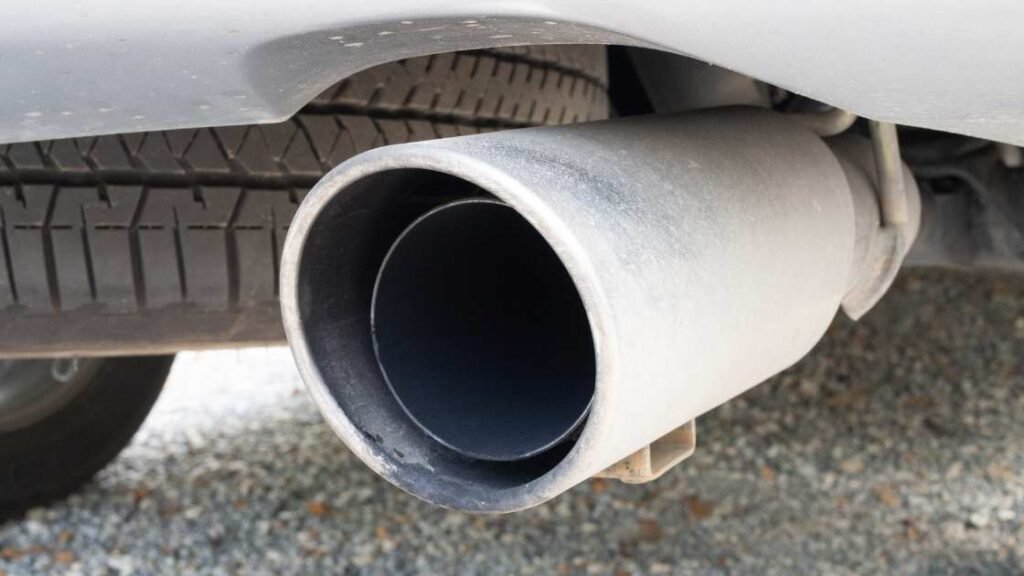
“Straight pipe” is used loosely. On a street-driven truck, the lower-risk version is usually a muffler delete, resonator delete, or custom section of straight-through tubing installed after the required emissions equipment. A full exhaust delete that removes or bypasses a catalytic converter, DPF, SCR system, or required sensor is a different modification and is not legal for U.S. street use.
Straight Pipe vs. Muffler Delete
A muffler delete removes only the muffler and replaces that section with pipe. A broader straight-through exhaust job may also change a resonator or more of the tubing. The quote can include:
- Pipe material: usually aluminized steel or stainless steel
- Fabrication: cutting, bending, welding, clamps, and hangers
- Vehicle condition: rust, seized fasteners, damaged hangers, or previous exhaust repairs
Ask the shop to write down exactly which components will be removed and which will remain. That prevents a cheap “straight pipe” quote from turning into an emissions or inspection problem.
Benefits and Drawbacks of an Emissions-Intact Setup
The clearest change is more exhaust volume and a different tone. Reduced restriction may change engine response on some setups, but there is no universal horsepower gain you can assume without vehicle-specific testing.
| Benefits | Drawbacks |
|---|---|
|
|
For a daily-driven truck, sound quality, drone, legal compliance, leak-free workmanship, and reversibility usually matter more than chasing an unverified horsepower claim.
If the goal is a deeper sound without removing required emissions hardware, compare a performance muffler, axle-back, or cat-back system before choosing the loudest straight-through setup. These options can make the scope easier to define and may be easier to return to stock.
Key Components and Materials
Material choice affects price, corrosion resistance, and how long the exhaust is likely to stay serviceable. For a street-driven truck, every pipe choice should preserve the factory-required emissions layout.
Types of Pipes Used
Two common materials for custom truck exhaust work are:
- Aluminized steel: Lower upfront cost and reasonable corrosion resistance, but it generally does not resist long-term rust as well as stainless steel.
- Stainless steel: Higher upfront cost but better corrosion resistance, which can be useful in wet or road-salt regions.
Additional Parts Required for Installation
Besides the pipes, you’ll need a few additional parts:
| Part | Function |
|---|---|
| Exhaust Hangers | Secure pipes in place |
| Gaskets | Seal connections, prevent leaks |
| Clamps | Join sections of the pipe |
| Muffler Delete Pipe | Replace muffler in straight pipe systems |
The shop should match pipe diameter, bends, hangers, and joints to the truck rather than forcing a universal section into place. Poor fit can create leaks, rattles, low clearance, or stress at nearby exhaust joints.
Labor Costs and DIY Considerations

Labor can be the biggest variable in a custom exhaust quote. A clean, accessible single-exhaust truck is usually easier to work on than a rusty dual-exhaust system that needs cutting, bending, hanger repair, and welding.
Professional Installation vs. DIY
A professional exhaust shop makes sense when the job needs custom bends, welding, rust repair, or tight fitment around the axle, spare tire, hitch, fuel tank, or suspension. DIY can reduce labor cost when the work is a simple, legal clamp-on section and the owner already has safe lifting equipment and the correct tools.
| Installation Type | Cost Impact | Best Fit |
|---|---|---|
| Professional | Adds labor and fabrication charges | Custom bends, welding, dual exhaust, rust, tight clearances |
| DIY | Can save labor if tools are already owned | Simple emissions-intact clamp-on work with safe vehicle support |
Consider warranty coverage and vehicle integrity before choosing DIY. U.S. warranty note: the FTC says using aftermarket parts does not automatically cancel the warranty, but a manufacturer or dealer may deny coverage for damage caused by a defective part or improper installation. See the FTC’s auto warranty guidance.
How Long Does the Job Take?
There is no reliable one-size-fits-all installation time. A simple bolt-on or clamp-on section can be much quicker than custom dual exhaust, rust repair, broken fasteners, or hand-fabricated bends. A complete quote should account for:
- Inspection and measurement before any cutting
- Removal of the muffler or resonator section being replaced
- Fitment and fabrication of pipe, clamps, hangers, or welded joints
- Final checks for leaks, rattles, heat clearance, and ground clearance
If a shop charges by labor time, ask for the estimated hours in writing before authorizing the job. For related pricing context, see our guide to exhaust pipe welding cost.
Why Straight-Pipe Cost Varies by Truck
Truck make and model matter because exhaust routing, pipe diameter, wheelbase, cab and bed configuration, single- versus dual-exhaust layout, hanger locations, and corrosion can all change the amount of material and fabrication required.
Which Truck Details Change the Quote?
The cost to straight pipe a truck is not one-size-fits-all. The shop should price the job from the actual exhaust layout rather than engine size alone.
- Single vs. dual exhaust: Two pipe paths can require more tubing, hangers, joints, and fabrication.
- Wheelbase and routing: Longer runs and tighter bends can add material and labor.
- Rust and previous repairs: Weak metal may need to be cut back before new pipe can be fitted.
- Factory sensors and emissions hardware: Required components must stay functional and should not be moved or bypassed to make the job cheaper.
Modern diesel trucks deserve extra caution. A DPF-back exhaust that leaves the emissions system intact is not the same as a DPF delete. Do not approve a quote that removes or disables the DPF, SCR/DEF equipment, EGR system, or related controls on a street-driven truck.
How to Get the Right Fit for Your Truck
A good exhaust quote should identify the truck’s exact year, engine, cab/bed or wheelbase configuration when relevant, current pipe diameter, and whether the system is single or dual. Universal pipe can reduce parts cost, but poor fitment can create leaks, rattles, or clearance problems.
Use these checks before approving the work:
- Confirm exactly which factory components will stay in place.
- Ask whether the quote uses aluminized or stainless steel.
- Ask whether welding, clamps, hangers, tips, leak testing, shop supplies, and tax are included.
- Keep the removed muffler or resonator when practical so the truck can be returned to stock more easily.
Compare two or three written quotes for the same scope. A lower price is only useful if both shops are pricing the same material, the same amount of fabrication, and the same legal, emissions-intact job.
Straight-Pipe Cost Breakdown and Budgeting

Use the $200–$1,000 figure as a planning range for many emissions-intact custom jobs, not as a guaranteed national price. The cheapest quote may cover only a short pipe section, while a higher quote may include stainless tubing, more bends, dual exhaust, new hangers, rust repair, or additional fabrication.
What Should Be Included in a Straight-Pipe Quote?
The useful number is the complete installed price, not a pipe-only or labor-only teaser. Ask the shop to separate these items on the estimate:
- Pipe and hardware: tubing, clamps, flanges, gaskets, hangers, and any tip included in the job
- Fabrication labor: cutting, bending, fitting, welding, rust cleanup, and alignment
- Final checks: leak testing, clearance checks, and correction of rattles
- Other charges: shop supplies, disposal, tax, or repair of damaged existing exhaust parts
For many straightforward emissions-intact jobs, $200–$1,000 is a reasonable planning range. Complex stainless or dual-exhaust fabrication can cost more, and a simple muffler-only section can cost less.
How to Save Money Without Creating a Bad Exhaust Job
Focus on comparable written quotes rather than the lowest advertised price. These checks make the comparison more useful:
| Tip | Action |
|---|---|
| Research | Compare prices among reputable service providers. |
| Scope | Make sure each shop is quoting the same components, material, and fabrication work. |
| Material Choice | Choose aluminized steel for lower upfront cost or stainless when corrosion resistance justifies the higher price. |
A good installation should be leak-free, well-supported, properly routed, and legal for the truck’s intended use. Those outcomes matter more than an unverified promise of extra horsepower.
Legal Considerations and Possible Extra Costs

Exhaust legality depends on what the shop removes and where the truck is driven. Federal emissions law applies nationwide, while muffler, sound-level, and inspection rules can add state or local requirements.
What Exhaust Changes Are Legal for a Street Truck?
Before modifying a street-driven truck, confirm three separate layers of rules:
- Federal emissions law: do not remove, bypass, or disable required emissions-control devices or related elements of design.
- State or local inspection rules: requirements vary by location and vehicle.
- Muffler and noise rules: a modification can keep emissions controls intact and still violate a state or local sound or muffler requirement.
U.S.-specific note: EPA’s current policy explains the Clean Air Act prohibitions on tampering and aftermarket defeat devices. The agency’s July 2026 aftermarket-parts update also states that compliant aftermarket parts may be certified, but they still cannot bypass, tamper with, or remove emissions controls. See the EPA tampering policy. As one state example, California Vehicle Code 27150 requires an adequate muffler on covered vehicles.
Potential Fines and Long-Term Expenses
The exact financial risk depends on the violation and jurisdiction. Federal emissions penalties are not the same thing as a local loud-exhaust ticket:
| Cost or Risk | What to Know |
|---|---|
| U.S. federal tampering or defeat-device penalties | EPA currently lists civil penalties up to $4,527 per tampering event or sale of a defeat device; actual enforcement outcomes depend on the facts of the case |
| State or local muffler/noise violations | Penalty amount and enforcement rules vary by jurisdiction; check the law where the truck will be driven |
| Returning the truck to stock | Cost varies with the parts that were removed, the condition of the original system, and labor needed to reinstall or replace it |
Other possible costs include failed inspections where applicable, exhaust leaks or rattles that require rework, returning the truck to stock, and reduced resale appeal for buyers who prefer an original exhaust.
Straight piping also can affect a specific warranty claim if the modification or installation caused the failure. For a legal replacement-catalyst cost comparison, see our guide to welding in a catalytic converter.
Frequently Asked Questions About Straight-Piping a Truck
How Much Does It Cost to Straight Pipe a Truck?
For many emissions-intact custom jobs in the U.S., use about $200–$1,000 as a planning range. A simple muffler-only section can cost less, while stainless steel, dual exhaust, rust repair, and custom fabrication can push the bill above $1,000. Get written quotes for the same scope before comparing prices.
Is It Good to Straight Pipe a Truck?
An emissions-intact straight-through exhaust can make a truck much louder and may reduce some exhaust restriction, but it is not automatically a performance upgrade. For a daily driver, consider cabin drone, local muffler and noise rules, reversibility, and workmanship before changing the stock exhaust.
Is a Muffler Delete or Straight Pipe Cheaper?
A muffler delete is usually cheaper because it changes only the muffler section. A broader custom exhaust can require more tubing, bends, hangers, welding, and labor. The exact difference depends on the truck and the scope quoted by the shop.
Is a Straight Pipe Illegal?
Removing, bypassing, or disabling required emissions-control equipment is prohibited under U.S. federal law. Even if the catalytic converter, DPF, and other emissions equipment remain intact, a muffler delete or very loud exhaust can still violate state or local muffler and noise rules.
What Are the Cons of a Straight Pipe?
The main downsides are loud cold starts, cabin drone, possible muffler or noise-law violations, harder resale to buyers who want a stock truck, and the risk of leaks or rattles from poor fabrication. Removing emissions equipment adds a separate federal legal problem. A power gain is not guaranteed.
Does Straight Piping a Truck Add Horsepower?
Not necessarily. Removing a muffler or resonator can reduce some restriction, but the actual power change depends on the engine, factory exhaust, pipe sizing, other modifications, and calibration. Do not treat a straight pipe as a guaranteed horsepower upgrade unless the specific truck has before-and-after test data.
Will a Straight Pipe Void My Truck Warranty?
Not automatically. FTC guidance says aftermarket parts do not by themselves cancel the entire warranty. However, a manufacturer or dealer may deny coverage for damage caused by a defective aftermarket part or improper installation, so keep the invoice and ask the shop to document exactly what was changed.
Conclusion
For many emissions-intact truck exhaust jobs, $200–$1,000 is a useful planning range, with simple muffler-only work sometimes lower and complex stainless or dual-exhaust fabrication higher. Before comparing prices, define the exact scope: which components stay, which are replaced, what material is used, and what labor is included.
For a street-driven truck, keep all required emissions equipment functional, check local muffler and noise rules, and get two or three written quotes for the same legal scope. That gives you a more useful price comparison than choosing the cheapest “straight pipe” offer.

4 thoughts on “How Much Does It Cost to Straight Pipe a Truck?”
Pingback: How Much Does It Cost To Replace Cast Iron Pipes | Optimizing Your Budget: The 5-Star Guide To Cost-Effective Cast Iron Pipe Replacement
Pingback: How Much Does It Cost To Replace Galvanized Pipes?
Pingback: How Much Does It Cost To Start A Construction Company?
Pingback: How Much Does An Exhaust Leak Repair Cost?