
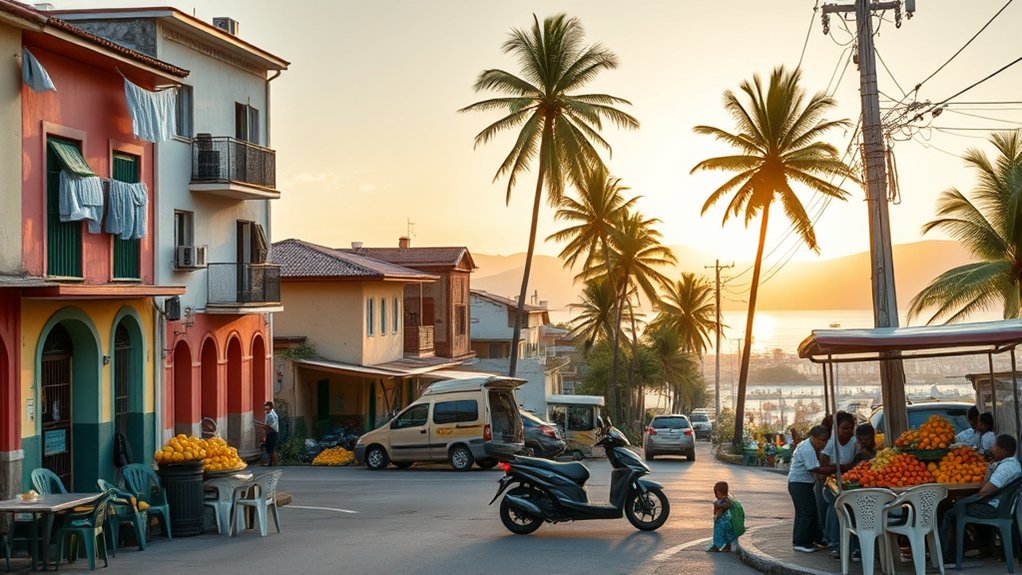
You’ll find living in São Tomé and Príncipe is relatively cheap by global standards, but costs depend on your lifestyle. A couple can comfortably budget $1,250–$1,900 per month for essentials plus some modest leisure. Rent is the biggest variable: a one-bedroom in the center runs about $326, while the same place outside costs around $218. Utilities stay low at roughly $41 per person. High-speed internet is about $67, and a monthly public transport pass is $48. Food and eating out are affordable overall, though imported goods cost 20–40% more than in Europe. Keep reading for the full breakdowns and practical tips.
Quick Answer
Here’s the bottom line if you’re planning a move:
- A couple needs $1,250–$1,900 monthly for a decent lifestyle with some leisure.
- Rent is the main expense — $218 outside the center or $326 in the city for a one-bedroom.
- Local salaries average just $226 after tax, so most expats rely on savings or remote income.
- Local staples like fish and cocoa are cheap, but imports push grocery bills higher.
- Utilities, transport, and basic dining stay very affordable.
Cost Overview and Monthly Budget Estimates

São Tomé and Príncipe offers a moderate cost of living. Most couples spend roughly $1,250–$1,900 a month on rent, utilities, food, transport, and light entertainment.
Expect a moderate cost of living: a couple’s monthly budget runs about $1,250–$1,900 for essentials and leisure.
These figures help you compare local purchasing power. The average after-tax salary is about $226 according to LivingCost.org. That covers only around 0.2 months of typical couple expenses, so most residents need extra income or savings.
Local staples such as cocoa and fish stay inexpensive. Imported goods, however, run 20–40% higher than in Europe. That raises your grocery bill if you prefer familiar brands. Utilities and internet stay modest in absolute terms — basic services average $40.70 per person and 50 Mbps+ internet costs about $67.43. Housing is the real variable, with central one-bedroom rents near $326.26 and $217.51 outside the center.
Use these numbers to match your lifestyle and set priorities.
Housing and Utilities Costs
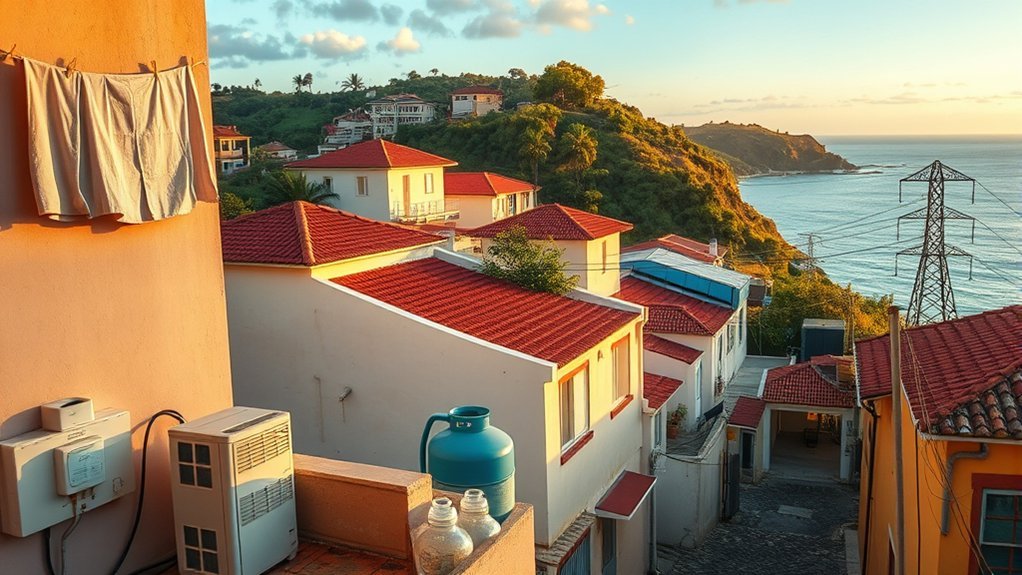
Rent changes sharply by location. A one-bedroom averages $326 in the city versus $218 outside. Three-bedrooms run about $625 centrally and $489 in peripheral areas.
Basic utilities average $40.70 per month for one person. High-speed internet (50 Mbps+) adds around $67.43, so connectivity takes a noticeable slice of fixed costs. If you plan to buy, expect a 20-year mortgage rate near 7.41% per Numbeo data, which affects long-term affordability.
Apartment Rent Differences
Location drives most of the difference. In São Tomé you see a clear urban–suburban split: a one-bedroom in the city center averages $326.26 versus $217.51 outside. A three-bedroom runs $625.34 centrally compared with $489.40 in peripheral areas. Utilities add roughly $40.70 per person and push total monthly housing costs up or down depending on usage.
São Tomé and Príncipe still feels favorable for expats compared with many destinations, but your choices matter. Compare these options:
- One-bedroom apartment (city): $326.26 — higher demand, central access.
- One-bedroom (suburb): $217.51 — lower rent, longer commutes.
- Three-bedroom (city): $625.34 — for families or shared housing.
- Three-bedroom (suburb): $489.40 — savings if you tolerate distance.
Factor utilities into your total and remember that location remains the primary cost driver.
Utility Bills Breakdown
Utilities usually form a predictable part of monthly housing costs. Budget about $40.70 per person for basic services in São Tomé and Príncipe.
Internet plans over 50 Mbps add roughly $71.60 if you need faster speeds. Rural bills tend to run lower than urban ones. When you combine them with rents (about $315 for a city one-bedroom versus $209 outside), utilities can tip the scale toward city convenience or suburban savings.
Averages keep utilities modest relative to rent, so rural or suburban living favors lower monthly outlays if that fits your priorities. Compare city rent plus utilities against suburban rent plus lower utilities to decide.
Internet and Connectivity
Reliable internet matters for work or daily life. Expect to pay roughly $71.60 per month for plans at 50 Mbps or higher, while basic utilities run about $40.70 per person.
Rural areas often have poorer infrastructure and fewer providers, so connectivity can cost more or perform worse than in urban centers. You may need satellite backups there.
- Urban vs rural: urban areas offer faster, more competitive plans; rural areas may need costly satellite or limited options.
- Cost burden: $71.60 internet plus $40.70 utilities can feel high relative to local wages.
- Expat/remote-worker needs: you’ll likely prioritize reliable, higher-priced plans.
- Planning tip: budget for backups and possible installation fees.
Food, Groceries, and Dining Out
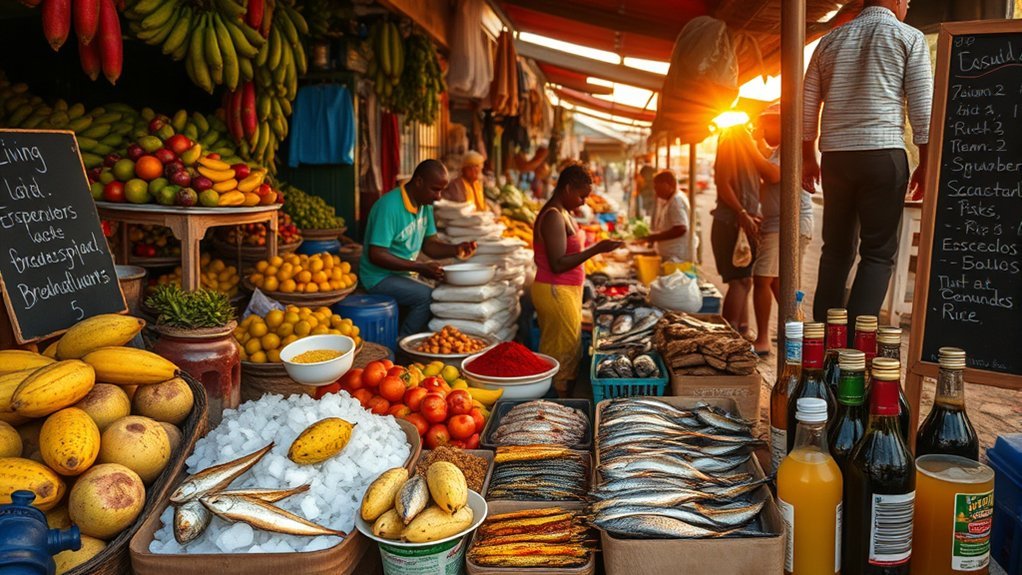
Everyday meals depend on where you eat. A casual fast-food meal averages about $11.50. Inexpensive restaurants charge around $14.14, lunch menus run $29.10, and a mid-range dinner for two sits near $28.75–$32.40.
Cooking at home keeps costs down, but groceries vary. Apples cost about $3.26 per kg and chicken breast around $10.55 per kg, so protein can push weekly bills higher than produce. Drinks stay cheap — a 0.5 L beer is about $1.67 and a cappuccino roughly $2.31. That helps when you budget café visits.
Transportation and Fuel Prices

Public transport is inexpensive. One-way fares run about $1.16 and a monthly pass is roughly $48.00. That compares well with many regional capitals. Fuel sits around $1.57 per liter, so driving stays moderate, though owning a vehicle adds insurance and maintenance.
Public Transport Costs
Options vary between urban and rural areas, but you can count on a one-way fare of about $1.16 and a monthly pass near $48.00. Gasoline is about $1.57 per liter and taxi waiting charges hover around $13.27 per hour.
Services concentrate in São Tomé city. Rural routes run less often and less predictably. Compare costs and availability when choosing where to live or work.
- One-way public fare: $1.16 — low for short trips, practical for occasional riders.
- Monthly pass: $48.00 — cost-effective if you commute daily.
- Gasoline: $1.57/L — relevant if you drive often.
- Taxi wait: $13.27/hr — use for short, time-sensitive trips.
Fuel Price Trends
Global oil markets and local supply chains set gasoline at around $1.57 per liter. That shapes your commuting choices and overall transport costs.
Compare it with alternatives: a monthly public transport ticket runs about $48.00 and often saves money for daily commuters. Relying on taxis can add up quickly — a one-hour wait or short ride averages $13.27.
In well-connected areas you use less fuel and more tickets. In remote spots you depend on private driving or taxis and spend more. Prices fluctuate with global trends and occasional local disruptions, so build in some flexibility.
Healthcare and Insurance Expenses
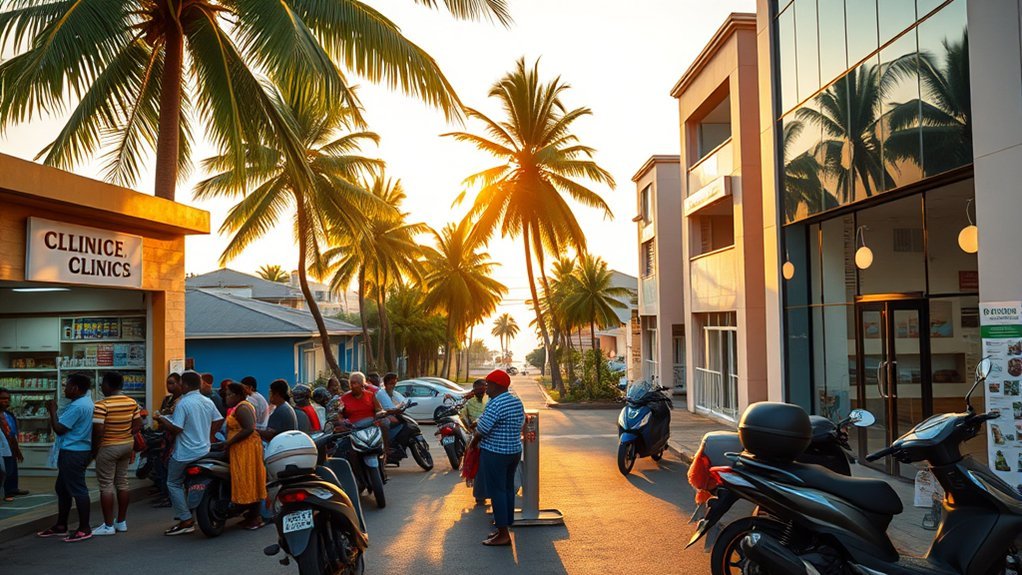
Basic public healthcare is free for citizens and covers primary care. You usually pay upfront for medications, tests, or private consultations. Advanced treatments often require travel to Portugal or South Africa.
Local clinics handle common ailments, immunizations, and prenatal checks, with fee exemptions for children under five and pregnant women. Medicine shortages and limited diagnostics affect both public and private options.
- Private care concentration: São Tomé city — higher out-of-pocket costs or private insurance needed.
- Public system scope: primary care dominant; specialist care scarce; upfront fees for tests/meds common.
- Referral reality: complex or advanced procedures typically mean costly referrals abroad (Portugal, South Africa).
- Risk factors: infrastructure gaps and intermittent medicine availability raise the likelihood of additional travel or private treatment expenses.
Routine visits cost less here than in many expat-heavy African capitals. Total expenses rise sharply, however, when you need overseas referrals.
Education and Family Living Costs
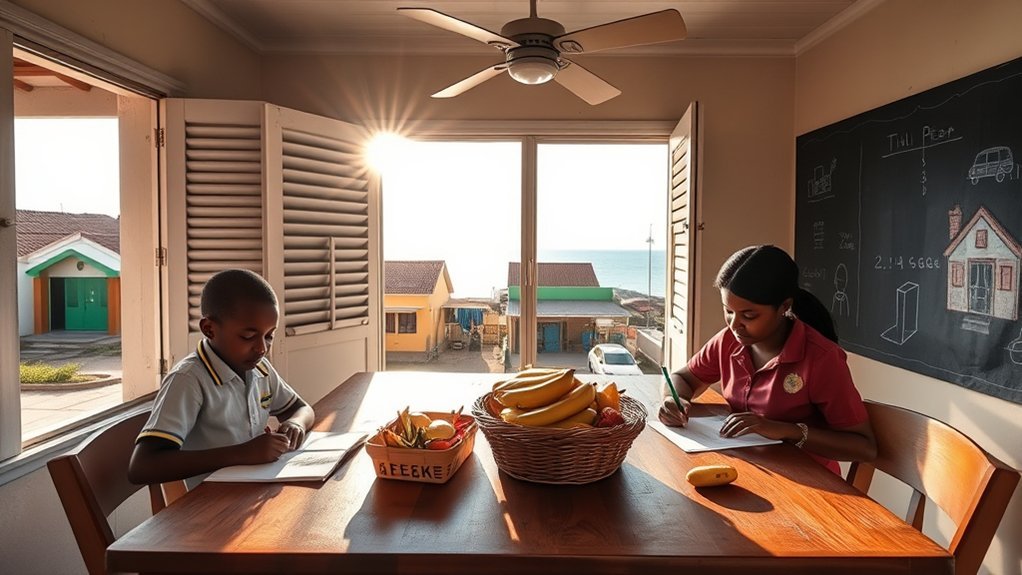
Families must budget for overseas care when local options fall short. That same reality shapes schooling choices.
Education happens mainly in Portuguese through public schools that follow the Portuguese curriculum. Bilingual or international options are limited, so many expat families use local schools or pay more for private ones if English or French instruction is essential.
With an average monthly salary near $226, public primary and secondary education keeps tuition low. Private or international schooling raises monthly costs significantly. Higher education usually means studying abroad, which adds travel and tuition similar to medical travel budgets.
Schooling choices plus periodic overseas healthcare can double or triple annual costs for expats compared with local families who rely on public services. Plan for frequent travel and limited local bilingual options to avoid surprises.
Lifestyle, Entertainment, and Miscellaneous Spending
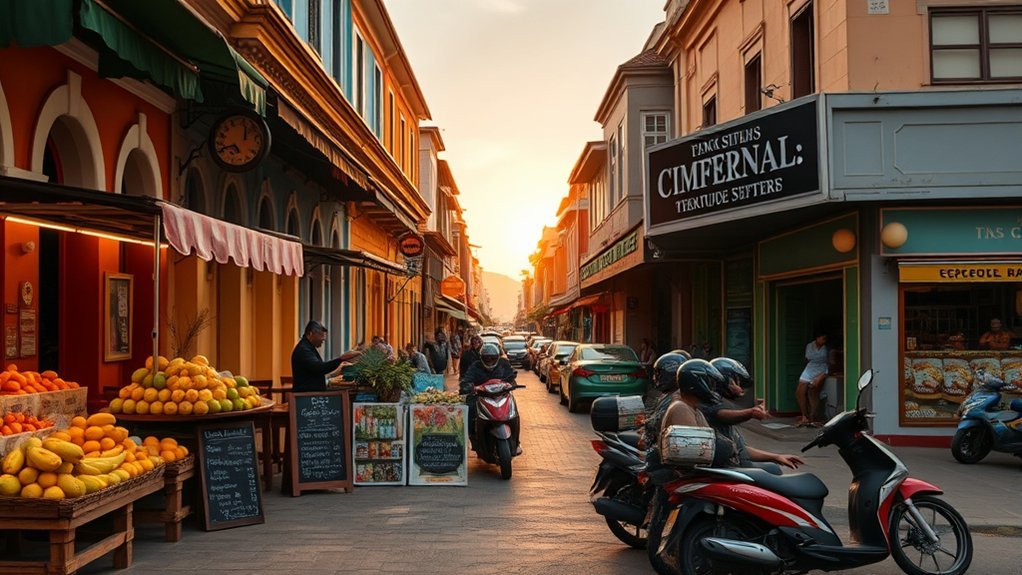
Dining, drinks, and leisure stay modestly priced compared with many capitals. An inexpensive meal runs about $14.14 and a mid-range dinner for two about $28.75. Beer and coffee hover near $1.66 and $1.63. Cinema tickets average $19.58, gym memberships cost roughly $34.80 per month, cocktails in downtown clubs run higher, and a tennis court session is about $27.19.
You get predictable daily conveniences and a few premium options. Meals and drinks beat Western capital prices. Cinema and fitness sit in the mid-range, while nightlife can spike. Set a realistic discretionary budget around frequent modest spends or occasional bigger nights out.
- Regular meals and coffee: $1.63–$14.14
- Mid-range dining and cinema: $19.58–$28.75
- Gym and sports: $27.19–$34.80
- Nightlife/cocktails: variable, often higher than dining
Frequently Asked Questions
How Much Does a Gallon of Milk Cost in São Tomé and Príncipe?
A gallon of milk in São Tomé and Príncipe costs about $5.80–$6.00, so you’ll pay moderately for dairy; urban areas tend to be pricier, while local markets often offer slightly cheaper, locally produced options.
What Is the Average Salary in Sao Tome and Principe?
The average salary in São Tomé and Príncipe is about $226 per month (≈$2,712 yearly). You’ll see it’s far below typical couple living costs, covering roughly 0.2 months of expenses and highlighting why many people need supplementary income or savings.
How Much Does It Cost to Live in Sao Tome?
You’ll need roughly $1,250–$1,900 monthly as a couple; expect $326 city or $218 outside for a one-bedroom, $48 transit, $1.57/l gasoline, $14–$29 dining, and $67 internet.
How Much Does It Cost to Live in São Tomé and Príncipe in US Dollars?
By 2026 standards, you’ll pay roughly $1,250–$1,900 monthly as a couple: city-center rent $218–$326, utilities ~$41 per person, food per meal ~$11–$29, and transit pass ~$48 — varies by lifestyle.
Conclusion
Living in São Tomé and Príncipe feels like living on a small, sunlit island. Essentials stay simple, but some prices can bite. Rent and imported groceries sit above regional averages, while local produce and low fuel use keep other costs down. Compared with nearby African and Portuguese-speaking places, healthcare and schooling can feel limited unless you pay extra. Weigh the higher housing and import premiums against cheaper daily living and decide whether the island’s benefits make the price worthwhile.
