
The cost of living in Peru in 2026 runs about S/2,400–2,900 (~$700–$835) a month for a single person living simply, and about S/4,650–5,100 (~$1,355–$1,480) for a comfortable single life in a central Lima district such as Miraflores. A couple should plan on roughly S/5,050–6,550 (~$1,465–$1,910), and a family of four about S/9,550–11,500 (~$2,780–$3,340) before private school fees. These figures use an exchange rate of S/3.436 per US dollar, the Banco Central de Reserva del Perú (BCRP) closing rate on October 5, 2026. Rent is the biggest swing factor: a central Lima one-bedroom costs about three times as much as one in Cusco. Below you’ll find city-by-city rents, grocery and transport prices, health insurance, taxes, visa income rules, and sample budgets.
Quick Answer
- Single person: S/2,400–2,900 (~$700–$835) on a lean budget; S/4,650–5,100 (~$1,355–$1,480) for a comfortable one in central Lima.
- Couple: S/5,050–6,550 (~$1,465–$1,910) a month in Lima.
- Family of four: about S/9,550–11,500 (~$2,780–$3,340) in Lima before private school and health insurance.
- Rent, one-bedroom: S/670–1,160 (~$195–$340) outside the center; S/750–2,530 (~$220–$735) in the center, depending on the city.
- Utilities: about S/250 (~$73) a month for an 85 m² Lima apartment; internet adds about S/95 (~$28).
- Transit: about S/2.40 per local ride in Lima; S/3.20–3.50 on the Metropolitano bus system.
- Minimum wage: S/1,230 (~$358) a month since October 1, 2026.
Exchange Rate, Inflation, and Minimum Wage in 2026
Three numbers shape what Peru costs you this year.
The exchange rate. The sol closed at S/3.436 per US dollar on October 5, 2026, according to BCRP data. In early September it traded closer to S/3.35–3.36, so the sol has weakened about 2–3% in a month. That gives dollar earners slightly more purchasing power than in late summer. The sol is still one of the most stable currencies in Latin America, which makes sol-based budgets easier to plan than peso-based ones in Colombia or Argentina.
Inflation. Annual inflation in Metropolitan Lima reached 4.44% in August 2026, the highest since September 2023 and above the BCRP’s 1–3% target range. Higher electricity tariffs and fuel prices drove most of the increase, while food prices fell slightly that month.
The minimum wage. The remuneración mínima vital (RMV) rose from S/1,130 to S/1,230 a month on October 1, 2026, under Supreme Decree 015-2026-TR. A second step of S/70, to S/1,300, is expected in the first half of 2027. The family allowance (asignación familiar), 10% of the RMV, rose to S/123.
At S/3.436 per dollar, the new minimum wage equals about $358 a month. Crowd-sourced averages put Lima’s typical net salary at about S/2,242 (~$652).
Cost of Living by City
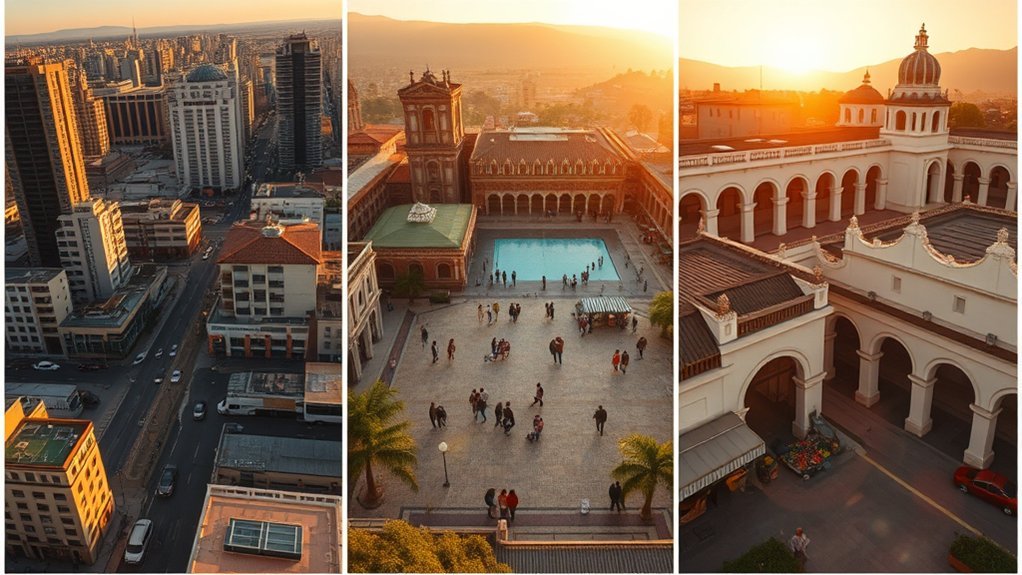
Lima has the largest rental market and the highest prices. The table uses crowd-sourced averages from Numbeo, updated October 2–3, 2026. Lima and Arequipa have the most price reports; Trujillo and Cusco have very few, so treat those rows as rough guides.
| City | 1-Bed, City Center | 1-Bed, Outside Center | Basic Utilities (85 m²) | Internet (60+ Mbps) | Inexpensive Meal |
|---|---|---|---|---|---|
| Lima | S/2,530 (~$736) | S/1,162 (~$338) | S/250 (~$73) | S/95 (~$28) | S/15 (~$4.37) |
| Arequipa | S/1,218 (~$354) | S/812 (~$236) | S/82 (~$24)* | S/80 (~$23) | S/12 (~$3.49) |
| Trujillo | S/1,324 (~$385) | S/867 (~$252) | S/333 (~$97) | S/94 (~$27) | S/12 (~$3.49) |
| Cusco | S/750 (~$218) | S/667 (~$194) | S/100 (~$29) | S/150 (~$44) | S/7 (~$2.04) |
| Peru average | S/1,641 (~$478) | S/850 (~$247) | S/189 (~$55) | S/89 (~$26) | S/12 (~$3.49) |
*Arequipa’s utility figure comes from few reports and looks low. Plan on at least S/150 a month for electricity, water, and gas.
A few patterns stand out:
- Lima costs the most by a wide margin. Central one-bedrooms average more than twice the Arequipa figure.
- Arequipa is the most popular lower-cost alternative, with mild weather, good services, and rents about 30–50% below Lima.
- Trujillo sits between the two on rent, but its utility bills run higher in the reports, likely from heat and fans or air conditioning.
- Cusco looks cheapest on paper, but the sample is tiny. Tourist-area apartments near the historic center often list well above these averages, and internet costs more.
Local salaries give useful context. Average net pay is about S/2,242 (~$652) in Lima, S/2,118 (~$616) in Arequipa, S/1,888 (~$549) in Trujillo, and S/1,469 (~$427) in Cusco. A Lima single-person budget is above what many local workers earn, so Peru feels cheap mainly to people paid in dollars or euros.
Housing: Rent in Lima and Buying Property
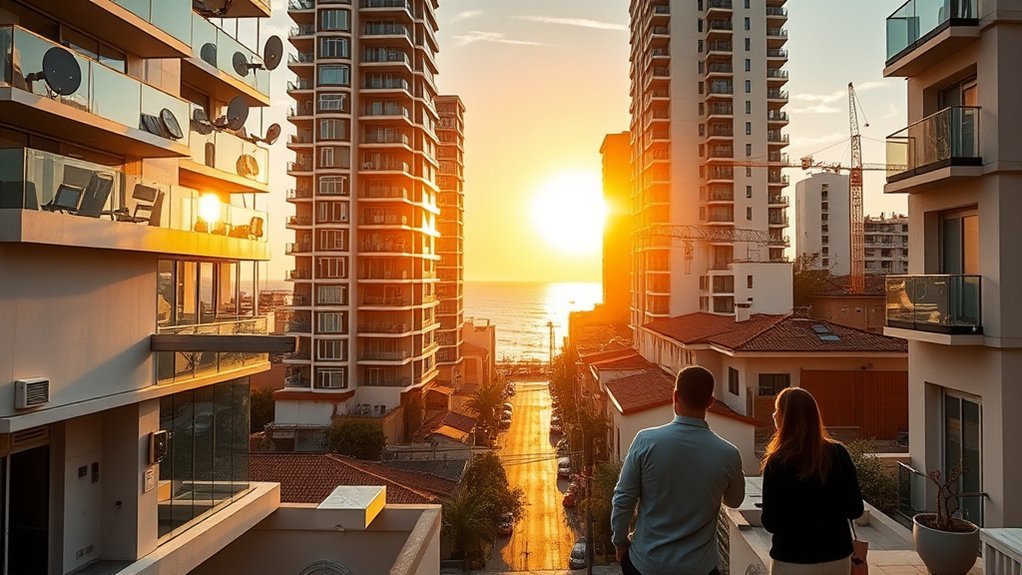
Rent by Apartment Size in Lima
Housing is the largest variable in a Lima budget. Crowd-sourced averages from early October 2026 look like this:
| Apartment | City Center (S/) | Outside Center (S/) | Approx. USD |
|---|---|---|---|
| 1 bedroom | 2,530 | 1,162 | $736 / $338 |
| 3 bedrooms | 4,131 | 2,213 | $1,202 / $644 |
“City center” in Lima usually means the districts most foreigners choose: Miraflores, San Isidro, Barranco, and parts of Santiago de Surco and San Borja. Urbania asking-rent data reported for April 2026 put a 100 m² three-bedroom at roughly $1,285 a month in Barranco and about $800 in Lince, a mid-market district a short bus ride away. Jesús María, Lince, Magdalena del Mar, Pueblo Libre, and San Miguel offer lower rents with reasonable access to the center.
Renting as a Foreigner
Foreigners can rent legally. Landlords often ask for one month’s rent as a deposit (garantía) plus the first month in advance, and some ask for two months of deposit. Leases are commonly quoted in soles, though some upscale apartments are listed in dollars. Ask whether the rent includes the building maintenance fee (mantenimiento), which can add a meaningful amount in buildings with security staff, elevators, and pools. Furnished short-term rentals cost more but require less paperwork.
Buying Property
Crowd-sourced data puts Lima apartment prices at about S/8,290 per m² (~$2,415) in the center and about S/4,700 per m² (~$1,370) outside it. Foreigners can generally buy property in Peru, except within 50 km of the borders. Price depends heavily on district, building age, parking, and title history, so use a local lawyer and check the title at the public registry (SUNARP) before you pay a deposit. The 20-year fixed mortgage rate in the same data is about 8.9%.
Utilities, Internet, and Phone
Basic utilities (electricity, water, gas, and garbage) for an 85 m² apartment average about S/250 (~$73) a month in Lima. Lima rarely needs heating, and many apartments have no air conditioning, which keeps bills lower than in hot coastal cities. Electricity tariffs rose in mid-2026 and were the main driver of August’s inflation, so budget a little above the average.
- Home internet (60+ Mbps): about S/95 (~$28) a month in Lima. Fiber is widely available in central districts; check the exact building before signing a lease.
- Mobile plan (10 GB+ data): about S/56 (~$16) a month in Lima and about S/46 (~$14) nationally.
- Building maintenance fee: often separate from the rent. Ask before signing.
Food: Groceries and Dining Out
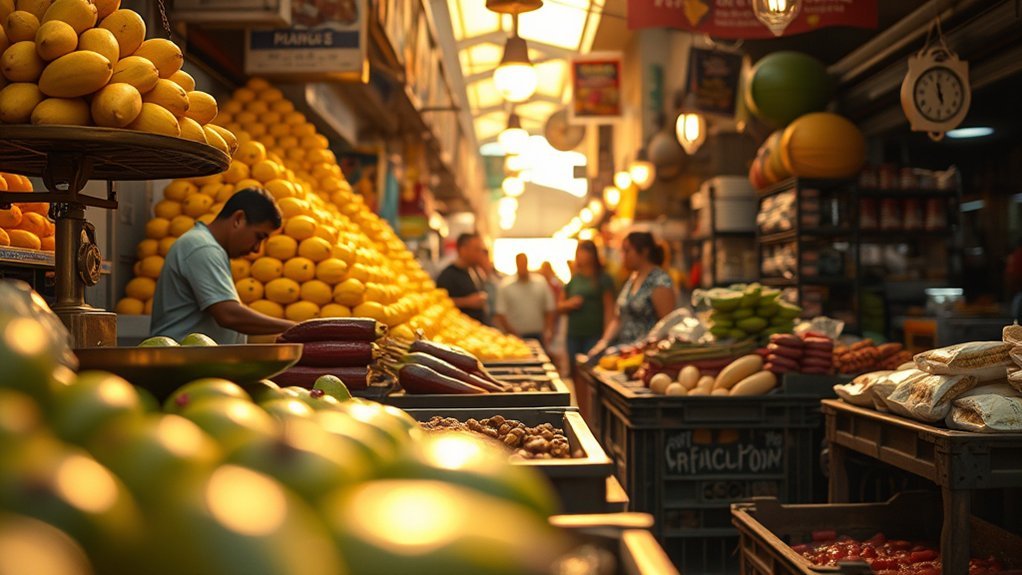
A single person who cooks most meals spends about S/700 (~$205) a month on groceries in Lima. Prices are lowest at neighborhood markets (mercados) and highest at upscale supermarkets in Miraflores and San Isidro.
Average Lima prices in October 2026:
| Item | Typical Cost (S/) | Approx. USD |
|---|---|---|
| Milk (1 liter) | 5.54 | $1.61 |
| Bread (1 lb loaf) | 8.04 | $2.34 |
| Rice (1 lb) | 2.08 | $0.61 |
| Eggs (12) | 10.02 | $2.92 |
| Chicken fillets (1 lb) | 9.25 | $2.69 |
| Beef round (1 lb) | 15.25 | $4.44 |
| Apples (1 lb) | 3.14 | $0.91 |
| Water (1.5 liters) | 3.05 | $0.89 |
| Mid-range bottle of wine | 30.18 | $8.78 |
| Domestic beer (0.5 liter, store) | 6.55 | $1.91 |
Eating out is good value if you eat where locals eat. The menú, a set lunch with a starter, a main dish, and a drink, is the cheapest way to eat out and costs about the same as an inexpensive restaurant meal. Other common Lima prices:
- Meal at an inexpensive restaurant: about S/15 (~$4.37)
- Three-course dinner for two at a mid-range restaurant: about S/120 (~$35)
- Domestic draft beer (pint, at a bar): about S/9 (~$2.62)
- Imported beer (12 oz, at a bar): about S/15 (~$4.37)
Eating a set lunch out every weekday costs roughly S/300–330 (~$87–$96) a month in Lima.
Transportation and Getting Around
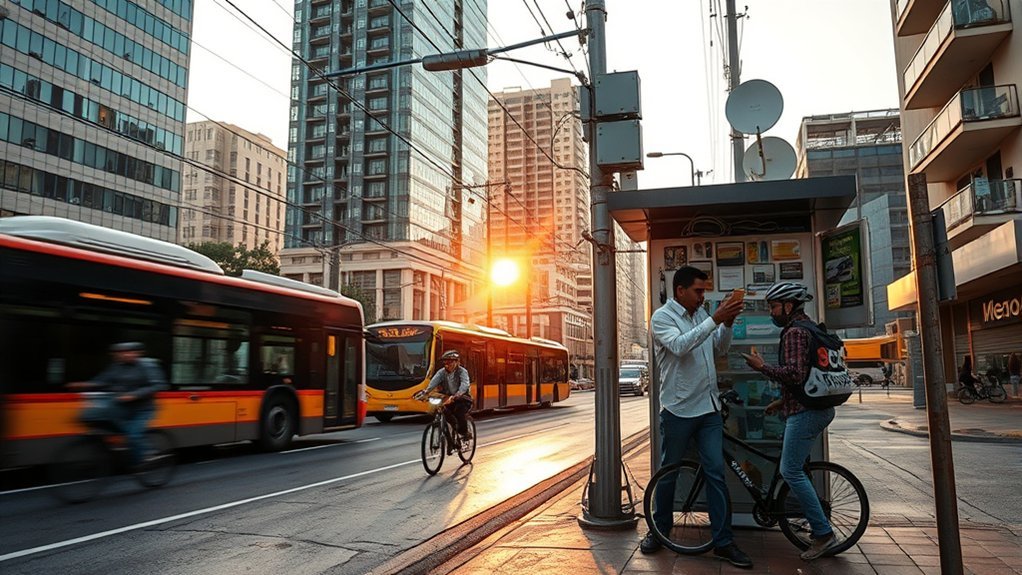
Public transport in Lima is cheap but crowded, and traffic is heavy. Most people combine buses, the Metropolitano bus rapid transit line, Metro Line 1, and ride-hailing apps.
| Item | Cost (S/) | Approx. USD |
|---|---|---|
| Local bus or transit ride (average) | 2.39 | $0.70 |
| Metropolitano trunk fare | 3.20 | $0.93 |
| Metropolitano integrated trunk + feeder fare | 3.50 | $1.02 |
| Monthly transit spending, regular commuter | 91.30 | $26.57 |
| Gasoline (1 liter, average) | 5.81 | $1.69 |
The Transport Authority for Lima and Callao (ATU) applies the S/3.50 integrated fare on feeder routes linked to the Metropolitano in northern and southern Lima, so one payment covers the connection. The regular trunk fare is S/3.20.
Other transport costs:
- Taxis and apps: fares depend on distance, traffic, and demand. Agree on a price before you get in a street taxi, or use an app for a fixed quote, especially at night.
- Gasoline: crowd-sourced averages put it at about S/5.81 per liter (~$6.40 per gallon). Regular gasohol costs less than premium grades.
- Intercity travel: long-distance buses are cheap and comfortable on major routes. Domestic flights from Lima to Cusco or Arequipa save a full day of travel.
Healthcare and Insurance Costs
Peru has a public social security health system (EsSalud) for formal workers, the SIS program for low-income residents, and private clinics (clínicas) that most foreigners use.
- EsSalud for employees: employers pay 9% of salary. From October 2026 the minimum EsSalud contribution is S/110.70 (~$32) a month, tied to the new minimum wage.
- Private health insurance: RIMAC advertises its Salud Flexible plan from about S/157–182 (~$46–$53) a month, with S/45 (~$13) doctor visits at affiliated clinics. Your quote depends on age, coverage, and medical history.
- Premiums by age: September 2026 quotes reported in the press ran from about S/74 (~$22) a month for basic cover under 35, to S/160–220 (~$47–$64) in your 40s, and S/350–520 (~$102–$152) between 55 and 65.
Before you buy, compare hospital coverage, emergency care, deductibles, waiting periods, pre-existing condition rules, and which clinics are near your home. Top private clinics in Lima are well equipped, but quality outside the big cities varies.
Schools and Childcare
- International primary school: about S/45,107 (~$13,130) a year per child on average in Lima. Top schools charge more, plus enrollment fees (cuota de ingreso), transport, and uniforms.
- Private preschool or kindergarten: about S/617 (~$180) a month, full day.
- Public schools: free, and enrollment cannot be conditioned on payment. Classes are in Spanish, and quality varies widely by area.
For a family with two children in international school, tuition alone adds about S/7,520 (~$2,190) a month.
Taxes: VAT and Income Tax
- IGV (sales tax): 18% (16% IGV plus the 2% municipal promotion tax), included in shelf prices.
- Tax residency: you become a Peruvian tax resident after more than 183 days in the country within any 12-month period. Residents are taxed on worldwide income; non-residents pay tax only on Peruvian-source income, at a flat 30% on employment income.
- Tax unit: the UIT for 2026 is S/5,500, up from S/5,350. Employees and independent workers can deduct 7 UIT, or S/38,500 (~$11,205), before tax.
Resident rates on employment and independent income are progressive:
| Annual Net Income (after 7 UIT deduction) | In Soles (2026) | Rate |
|---|---|---|
| Up to 5 UIT | up to S/27,500 (~$8,005) | 8% |
| 5–20 UIT | S/27,500–110,000 | 14% |
| 20–35 UIT | S/110,000–192,500 | 17% |
| 35–45 UIT | S/192,500–247,500 | 20% |
| Over 45 UIT | over S/247,500 (~$72,030) | 30% |
If you’ll stay past 183 days, talk to a Peruvian accountant early, especially if you have foreign pensions, rental income, or investment accounts. Your home country’s tax rules still apply.
Visas and Income Requirements
US citizens do not need a visa for tourist stays of 90 days or less. Peruvian border officials set the exact stay on arrival, and overstays are fined. A tourist stay does not give you the right to work or live in Peru.
For long stays, retirees and people with passive income usually choose the rentista residence from Migraciones. It requires proof of at least US$1,000 (about S/3,436) a month in permanent net income from abroad, such as a pension, plus a declaration that the money enters Peru through a bank supervised by the SBS, Peru’s banking regulator. You also need a criminal record certificate covering the past five years. The application fee is S/58.80 (~$17), and processing takes about 30 business days. Other residence types cover workers, investors, students, and family members of Peruvians.
Note that a US$1,000 income meets the rentista rule but is below a comfortable Lima budget. It works better in Arequipa or a mid-market Lima district.
Safety Notes
Crime affects daily costs and where you choose to live. The US State Department’s travel advisory for Peru is Level 2, “Exercise increased caution,” issued September 4, 2026, citing crime, unrest, and kidnapping. It advises against travel to some areas, including the Colombia–Peru border area in Loreto and the VRAEM valley region. In Lima, many foreigners pay more to live in districts with better security, such as Miraflores, San Isidro, and Barranco, and use app-based taxis at night.
One-Time Setup Costs
Budget for these before your first month:
- Rental deposit and advance: often one or two months’ rent as a deposit plus the first month, so S/2,300–7,600 (~$675–$2,210) for a Lima one-bedroom.
- Residence application: S/58.80 for the rentista application, plus apostilled documents and certified translations, which can cost more than the fee itself.
- Furnishing an unfurnished apartment: varies widely; secondhand furniture and local brands keep it down.
- Health coverage gap: international or travel insurance for the first months, until a local plan starts and any waiting periods end.
- School enrollment: international schools charge one-time entry fees on top of tuition.
Sample Monthly Budgets
These budgets combine the averages above. The lean single budget uses rents outside the center in Arequipa and Lima. The comfortable and couple budgets use Lima. The retired-couple budget uses a central Arequipa one-bedroom and private health cover for two people over 55.
| Expense (S/) | Single, Lean | Single, Comfortable | Couple | Retired Couple (Arequipa) |
|---|---|---|---|---|
| Rent (1-bed) | 812–1,162 | 2,100–2,530 | 1,162–2,530 | 1,218 |
| Utilities | 150–250 | 250 | 250–300 | 150 |
| Internet + mobile | 151 | 151 | 207 | 190 |
| Groceries | 700 | 800 | 1,400 | 1,300 |
| Eating out + leisure | 350 | 700 | 1,000 | 700 |
| Transport | 91 | 300 | 400 | 200 |
| Health insurance | 160 | 250 | 400–500 | 720–1,060 |
| Gym | — | 112 | 224 | — |
| Total (S/) | 2,400–2,900 | 4,650–5,100 | 5,050–6,550 | 4,500–4,800 |
| Total (USD) | $700–$835 | $1,355–$1,480 | $1,465–$1,910 | $1,305–$1,400 |
Family of four: crowd-sourced averages put a Lima family’s costs at about S/7,340 (~$2,136) a month before rent. Add a three-bedroom (S/2,213 outside the center to S/4,131 in it) and the total is about S/9,550–11,500 (~$2,780–$3,340). International school for two children pushes that to roughly S/17,000–19,000 (~$4,970–$5,530), and private health insurance for the family adds more.
Retirees: health insurance is the biggest variable for people over 55. A retired couple living on exactly the US$1,000 rentista minimum would need to share housing costs carefully, choose a cheaper city, or accept a basic health plan.
Money-Saving Tips
- Look beyond Miraflores. Lince, Jesús María, Pueblo Libre, and Magdalena del Mar offer lower rents a short ride from the center.
- Consider Arequipa. Rents run about 30–50% below Lima, with a pleasant climate and good services.
- Eat the menú. A set lunch costs about the same as a simple café meal and is filling.
- Shop at mercados. Buy produce, meat, and staples at neighborhood markets and save supermarkets for imported items.
- Ask about the maintenance fee. A cheaper rent with a high mantenimiento can cost more than a slightly pricier all-in apartment.
- Pay in soles. Use a card or account with low foreign transaction fees, and avoid paying rent in dollars at a poor conversion rate.
- Use the Metropolitano and Metro. They beat taxis on cost and often on time during rush hour.
How Peru Compares With Nearby Countries
Peru is one of the more affordable options in South America, especially outside Lima. Its closest comparisons are the cost of living in Ecuador, which uses the US dollar and has very low inflation, and the cost of living in Colombia, where the peso swings more. Living costs in Bolivia are lower but come with currency and supply problems, while the cost of living in Chile is higher, especially for rent in Santiago.
| Country | Single Person, Monthly | Couple, Monthly | Currency |
|---|---|---|---|
| Peru (Lima/Arequipa) | $700–$1,480 | $1,465–$1,910 | sol, fairly stable |
| Ecuador (Quito) | $850–$1,360 | $1,330–$2,000 | US dollar |
| Colombia (Bogotá/Medellín) | $905–$1,565 | $2,040–$2,390 | peso, volatile |
| Bolivia (La Paz/Santa Cruz) | $330–$895 | $840–$1,140 | boliviano, newly floated |
| Chile (Santiago) | $975–$1,645 | $1,955–$2,315 | peso, floating |
Figures for other countries come from our 2026 country guides and use each country’s own exchange rate in early October 2026.
Frequently Asked Questions
How much money do you need to live in Peru per month?
A single person needs about S/2,400–2,900 (~$700–$835) a month for a simple life outside central Lima or in Arequipa, and about S/4,650–5,100 (~$1,355–$1,480) for a comfortable life in a central Lima district. A couple should budget about S/5,050–6,550 (~$1,465–$1,910). These figures use S/3.436 per US dollar (October 5, 2026).
Is $1,000 a month enough to live in Peru?
Yes, for a single person on a simple budget. At S/3.436 per dollar, $1,000 is about S/3,436. That covers a one-bedroom outside central Lima, or a central apartment in Arequipa or Trujillo, plus food, transport, and a basic private health plan. It does not cover a furnished apartment in Miraflores or San Isidro with frequent dining out.
How much is rent in Lima in 2026?
Crowd-sourced averages put a one-bedroom at about S/2,530 (~$736) a month in the city center and about S/1,162 (~$338) outside it. A three-bedroom averages about S/4,131 (~$1,202) in the center and S/2,213 (~$644) outside. Miraflores, San Isidro, and Barranco sit at the top of the range.
Is Arequipa cheaper than Lima?
Yes, mainly for housing. A one-bedroom outside the center averages about S/812 (~$236) in Arequipa versus S/1,162 (~$338) in Lima, and central one-bedrooms cost about half as much. Restaurant meals are also a little cheaper, but internet, imported goods, and private health insurance cost about the same.
What is the minimum wage in Peru in 2026?
The minimum wage (remuneración mínima vital) rose from S/1,130 to S/1,230 a month (~$358) on October 1, 2026, under Supreme Decree 015-2026-TR. A second step to S/1,300 is expected in the first half of 2027.
How much income do you need for Peru’s rentista visa?
Peru’s rentista residence requires proof of at least US$1,000 a month in permanent net income from a foreign source, such as a pension, deposited through a bank supervised by Peru’s banking regulator. The application fee listed by Migraciones is S/58.80 (~$17).
Can a US citizen live in Peru?
Yes. US citizens do not need a visa for tourist stays of 90 days or less, and Peruvian border officials set the exact stay on arrival. To live in Peru long term, you need a residence status from Migraciones, such as rentista, worker, family, or investor residence.
Conclusion
Peru remains good value in 2026, especially for people earning in dollars or euros. The sol is stable, and the recent dip to about S/3.44 per dollar slightly helps foreign earners. Costs are rising, though: Lima inflation is above 4%, electricity is up, and the minimum wage rose in October. A single person can live simply for about $700–$835 a month in Arequipa or outside central Lima, or comfortably for about $1,355–$1,480 in Miraflores or San Isidro. Choose your city and district first, since rent drives most of the difference, then price health insurance for your age before you commit.
Sources
- Expreso – BCRP closing exchange rate, October 5, 2026
- Perú Retail – INEI Lima inflation, August 2026
- El Peruano – new minimum wage of S/1,230 (DS 015-2026-TR)
- SUNAT – UIT values 2025 and 2026
- Infobae – 2026 UIT and income tax brackets
- Gob.pe / Migraciones – rentista residence requirements
- La República – ATU integrated Metropolitano fare
- RIMAC – Salud Flexible health plan
- US State Department – Peru country information and travel advisory
- Numbeo – Peru, Lima, Arequipa, Trujillo, Cusco (crowd-sourced averages, October 2026)