
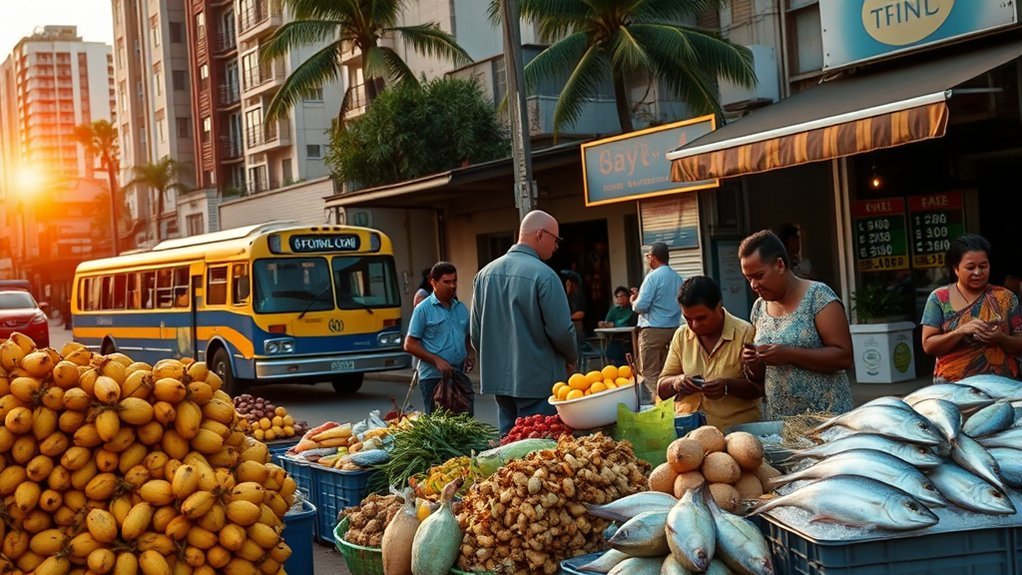
You’ll need roughly $800–$860 monthly for basic living costs in Papua New Guinea (excluding rent). Prices still swing wildly depending on the city and your lifestyle. Simple city rentals now start around $580, but expats almost always pay far more for secure, central apartments.
The average cost of living in Papua New Guinea is approximately $800–$860 per month for a single person excluding rent. Housing varies a lot: secure expat apartments in Port Moresby run from $1,200 to over $2,600, while basic local rentals sit around $580 outside the centre. Internet remains expensive, often $96 or more for decent broadband.
Key Takeaways
- High Rent Variance: Local housing starts around $580, but secure expat places in Port Moresby often cost $1,500–$2,500 a month.
- Expensive Connectivity: Fixed internet is still a big budget item and usually costs more than in the U.S. for reliable speeds.
- Food Costs: Local market produce stays affordable, but imported groceries and meals at international spots will push your spending higher.
Cost of Living Overview and Key Numbers

While Papua New Guinea’s overall cost of living looks low at about $802 monthly for a single person (excluding rent), you’ll feel real pressure when you compare the average after-tax salary of roughly $450 against city rents and expat needs. For a clear picture, use these updated anchors to plan your monthly budget:
- Utilities: Roughly $55–$60 (basic electric/water).
- Internet: About $24 for mobile data, but $96 or more for home broadband.
- Daily Food: Lunch at a local spot around $8; dinner for two near $46.50.
This data-driven snapshot shows you can live cheaply if you stick to local options, but you’ll need a higher income or subsidized housing to have any breathing room. Check the latest on Numbeo for the most recent figures.
Housing and Rental Prices by City

When you compare city-centre rents, expect Port Moresby one-bedrooms to start around $1,200–$1,700 a month on average, with two-bedroom units reaching $2,000 or more. Outside urban cores, one-bedrooms drop to roughly $580, and rural options stay much cheaper. If you’re an expat, budget for furnished units with good security because quality housing is limited. See current Port Moresby data for the latest ranges.
City Center Rents
Although living costs vary, city-centre rents give a clear picture of urban housing prices. A basic one-bedroom costs about $580 a month locally now, but “expat-standard” secure units are significantly pricier. Urban accommodation can still be cost-effective if you need to be close to jobs, but always factor in occasional maintenance or management fees.
Suburban and Rural
You should expect steep price differences between cities and the countryside. While Port Moresby commands the highest rents, suburban and rural one-bedroom options can fall into the $580–$800 range. Note that while costs drop in rural areas, clean, secure, and furnished options become scarce, so many expats stay in urban centres.
Monthly Utilities and Internet Costs
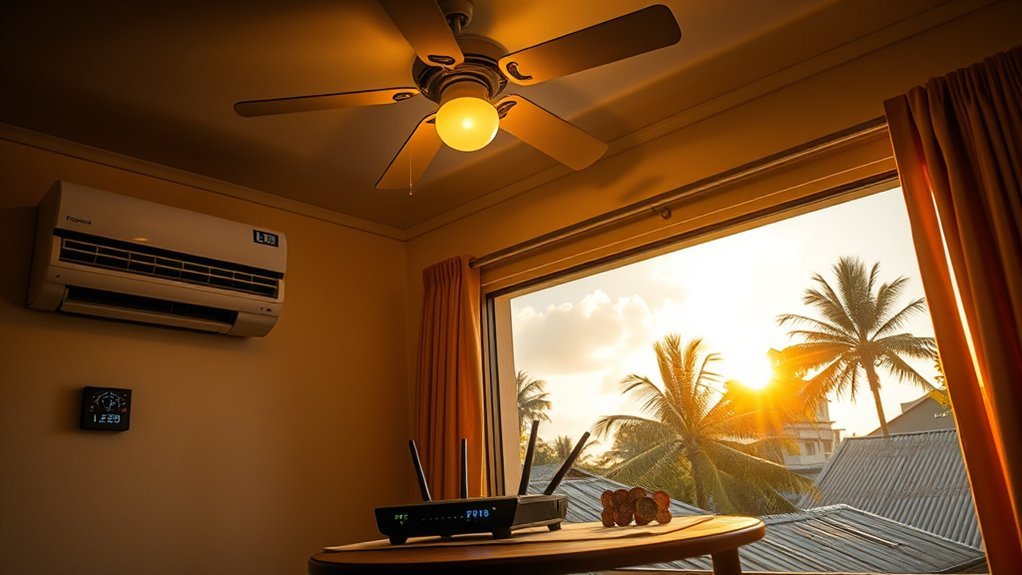
Curious how much you’ll pay to stay powered and connected? Monthly utilities (electricity, water, gas) average about $55–$60 per person. If you rent an 85 m² apartment, expect roughly $123 monthly in utilities.
However, fixed internet is still pricey. Plans offering unlimited data average around $96—higher than many countries for reliable service. Many people use mobile data bundles (about $24 for ~10GB) or look for corporate deals to keep the cost down.
Products Worth Considering

Organic Papua New Guinea has cupping notes of dark chocolate, candied walnut, spices, and black currant. An Indonesian fan favorite, our Papua New Guinea is sweet and rich with a creamy mouthfeel and a clean finish.

Organic Papua New Guinea has cupping notes of dark chocolate, candied walnut, spices, and black currant. An Indonesian fan favorite, our Papua New Guinea is sweet and rich with a creamy mouthfeel and a clean finish.
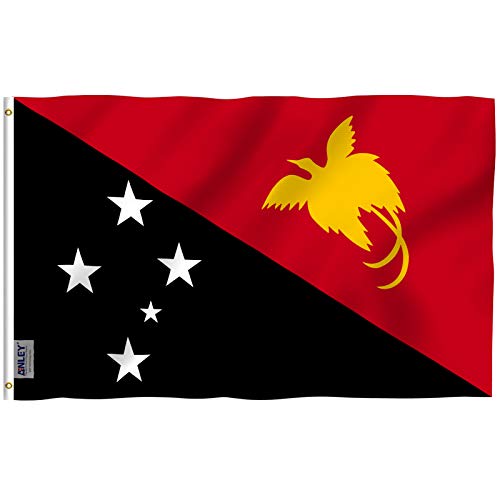
Fly breeze series - This flag is ideal for low-wind area. The lightweight design allows the flag to fly in mild breeze. (Not recommended for super windy outdoors)
Food, Groceries and Dining Out

Basic groceries vary: a liter of milk is about $1.92 and a dozen eggs roughly $3.65. Eating out can be economical if you stick to local spots, where a meal costs around $8.
Typical Grocery Prices
| Item | Price (USD) |
|---|---|
| Milk (1 L) | $1.92 |
| Eggs (dozen) | $3.65 |
| Bread (Loaf) | ~$1.41 |
| Rice (1kg) | ~$1.50 |
Eating Out Costs
Dining out is often cheaper than in the U.S. if you avoid luxury hotels. A cheap restaurant meal runs about $8, while a three-course dinner for two averages $46.50. Fast-food combos stay around $6–$7, and a domestic beer (0.5L) costs roughly $2.90.
Transportation and Fuel Expenses

Transport costs depend heavily on your mode of travel. A one-way local ticket (PMV) is just $0.47, and a monthly pass is around $23. However, taxis for short trips (8km) now cost about $30, and gasoline is roughly $1.04 per liter. For expats, owning a 4WD vehicle is common, which adds maintenance and fuel costs to the budget.
Salaries, Income and Purchasing Power
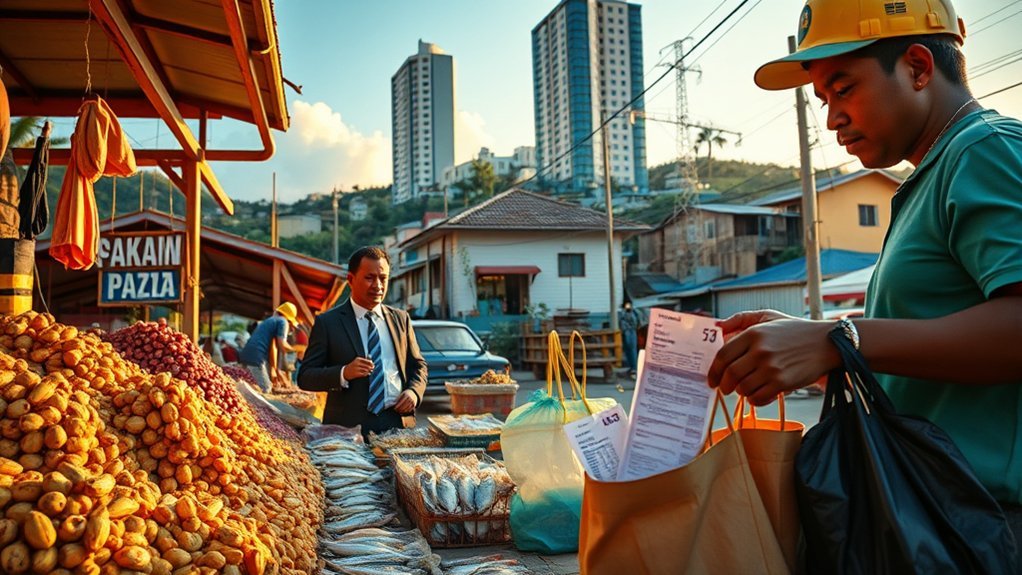
The average after-tax monthly salary in PNG is about $450, which covers only part of typical expat expenses. While local prices are lower than the world average, purchasing power for locals stays tight. Expats typically negotiate salaries of $3,000 or more to cover security, housing, and private services.
Education, Childcare and Healthcare Costs

If you’re moving with family, these costs will likely be your largest expenses after rent:
- International School: $1,500–$3,000 per month.
- Private Childcare: $300–$600 per month.
- Private Healthcare: Consultations start at $50; comprehensive health insurance is essential as emergency evacuations can be very costly.
Products Worth Considering

Funny Phone Screen Papua New Guinea Flag shirt, Patriotic Papua New Guinea Shirt, Papua New Guinea Flag Shirt, Papua New Guinea Men's T-Shirt, Papua New Guinea apparel, country Papua New Guinea, camisa Papua New Guinea, Papua New Guinea costume, Papua New

Set of 3 International Flag Patches – Choose from a variety of country flags to showcase your pride.

Funny it's in my DNA Papua New Guinea flag Fingerprint This a perfect design idea for anyone who loves the Papua New Guinea people with a Papua New Guinea flag Fingerprint or supports the Papua New Guinea people.
Currency and Budgeting Tips
The currency is the Papua New Guinean Kina (PGK). The exchange rate fluctuates, but is roughly 1 USD = 4.30 PGK. Always convert prices to your home currency when planning. Track your fixed costs (especially rent and internet) first, then allocate for groceries. Due to transfer fees, compare rates from banks and remittance services if you are sending money internationally.
Frequently Asked Questions
What is the average price of a house in Papua New Guinea?
House prices vary drastically by location and security level. Modest rural homes can cost under $50,000, while secure properties in Port Moresby often exceed $200,000, with luxury compounds reaching significantly higher prices.
Is Papua New Guinea cheap to live in?
It depends on your lifestyle. While local food and public transport are cheap (roughly $800/month for basic living excluding rent), expat-standard housing, security, and imported goods are expensive, making it costly for foreigners compared to local averages.
Can foreigners live in Papua New Guinea?
Yes, foreigners can live in PNG with a valid work or residence visa, typically sponsored by an employer. Expats mostly reside in secure urban compounds in Port Moresby or Lae due to safety concerns.
What is a good salary in PNG?
A good expatriate salary usually ranges from $3,000 to $5,000+ USD per month to cover secure housing, reliable transport, and healthcare. In contrast, the average local salary is approximately $450 per month.
