The cost of living in Nicaragua in 2026 runs about C$27,700–29,600 (~$755–$810) a month for a single person living simply in Managua, and about C$48,800–51,600 (~$1,330–$1,410) for a comfortable single life with private health cover and air conditioning. A couple should plan on roughly C$66,850–69,650 (~$1,825–$1,900), and a family of four about C$112,500–119,200 (~$3,070–$3,255) before international school fees. These figures use the Banco Central de Nicaragua’s official rate of C$36.6243 per US dollar (late September 2026). Rent is cheap by regional standards: a one-bedroom outside a city center averages about C$7,850 (~$215) nationally. The bigger budget risks are electricity for cooling, private healthcare, and the legal and safety issues covered below. You’ll find city rents, utilities, food prices, the 2026 minimum wage, taxes, residency costs, and sample budgets in this guide.
Quick Answer
- Single person: C$27,700–29,600 (~$755–$810) on a lean budget; C$48,800–51,600 (~$1,330–$1,410) for a comfortable one.
- Couple: C$66,850–69,650 (~$1,825–$1,900) a month in a central one-bedroom.
- Family of four: about C$112,500–119,200 (~$3,070–$3,255) before international school.
- Rent, one-bedroom: about C$6,650–7,850 (~$180–$215) outside the center; C$9,400–15,600 (~$255–$425) in the center, depending on the city.
- Utilities: about C$3,700–5,600 (~$100–$150) a month for an 85 m² apartment; internet adds about C$1,200–1,400 (~$33–$39).
- Minimum wage 2026: from C$6,188 (~$169) in agriculture to C$13,848 (~$378) in construction and finance.
- Safety: the US State Department rates Nicaragua Level 3, “Reconsider Travel.”
Exchange Rate, Inflation, and Wages in 2026

Three numbers shape what Nicaragua costs you this year.
The exchange rate. The Banco Central de Nicaragua lists an official rate of C$36.6243 per dollar (September 22, 2026). The central bank stopped the córdoba’s gradual devaluation in 2024, so the rate has stayed flat. For dollar earners, that means almost no currency swings. US dollars are widely held, but since 2025 the central bank requires most everyday goods and services, such as food, restaurants, local transport, and phone service, to be priced and paid in córdobas. Rent and property can still be quoted in dollars.
Inflation. The national statistics office INIDE reported year-on-year inflation of 3.98% in June 2026, up from 0.89% a year earlier. Restaurants and hotels, and food, drove most of the monthly rise. With a fixed exchange rate, that inflation passes straight through to dollar budgets.
Wages. Nicaragua sets minimum wages by sector. The 2026 rates took effect on March 1 (January 1 for free trade zones):
| Sector | Monthly Minimum Wage (C$) | Approx. USD |
|---|---|---|
| Agriculture | 6,188 | $169 |
| Small tourism and craft businesses | 6,520 | $178 |
| Manufacturing | 8,320 | $227 |
| Community and personal services (incl. domestic workers) | 8,675 | $237 |
| Free trade zones | 9,987 | $273 |
| Commerce, restaurants, hotels, transport | 11,350 | $310 |
| Construction, finance, insurance | 13,848 | $378 |
Rates are from WageIndicator’s Nicaragua minimum wage table, based on the Labor Ministry’s agreement. Crowd-sourced averages put the typical net salary at about C$12,300 (~$336) a month. That gap explains why most local families spend far less than the expat budgets below, and why domestic help and labor-heavy services are cheap.
A housekeeper on the domestic-worker minimum earns about C$8,675 (~$237) a month, less than a one-bedroom apartment in central Granada.
Cost of Living by City
Rent varies more by town than any other cost. The table uses crowd-sourced averages from Numbeo. Managua’s data was updated on October 4, 2026, and the national figures in July 2026. Granada, San Juan del Sur, and León have few price reports and older updates (2025), so treat those rows as rough guides only.
| Location | 1-Bed, City Center | 1-Bed, Outside Center | 3-Bed, City Center | Basic Utilities (85 m²) |
|---|---|---|---|---|
| Managua | C$9,424 (~$257) | C$6,653 (~$182) | C$16,274 (~$444) | C$5,567 (~$152) |
| Granada* | C$15,621 (~$427) | C$12,864 (~$351) | C$29,404 (~$803) | — |
| San Juan del Sur* | C$15,621 (~$427) | C$14,243 (~$389) | C$33,998 (~$928) | C$2,205 (~$60) |
| León* | C$14,702 (~$401) | — | — | — |
| Nicaragua average | C$12,826 (~$350) | C$7,854 (~$214) | C$20,500 (~$560) | C$3,716 (~$101) |
*Fewer than 12 contributors in the past 18 months. Figures for these towns mostly reflect furnished, foreigner-oriented listings.
A few patterns stand out:
- Managua has the most data and the lowest rents. It also has the best hospitals, the airport, and most government offices, which matters if you need residency paperwork or specialist care.
- Granada costs more in the colonial center because of tourism and short-term rentals. Outer neighborhoods are cheaper.
- San Juan del Sur and the Pacific beach towns are the most expensive places to rent, especially houses. Expect to pay more for taxis, restaurants, and imported food too.
- León, Estelí, and Matagalpa often have lower local rents than the reported averages suggest, but savings shrink if you travel to Managua often for care or errands.
Housing and Renting
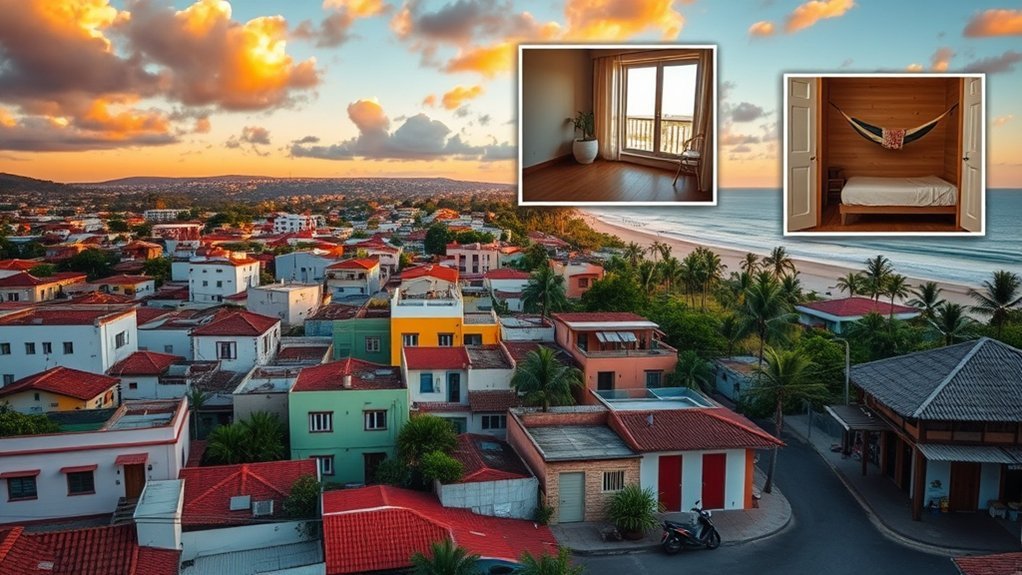
Most newcomers start in a furnished place. Local unfurnished rentals found through word of mouth can cost much less than the averages above, while seasonal beach rentals can cost much more. Use these planning ranges:
| Type of Rental | Typical Monthly Cost (C$) | Approx. USD |
|---|---|---|
| Basic 1-bed, outer Managua or inland town | 6,600–7,900 | $180–$215 |
| Central 1-bed, Managua | 9,400–12,800 | $257–$350 |
| Furnished 1-bed, Granada or León center | 12,800–15,600 | $350–$427 |
| 3-bed house, Managua | 13,800–16,300 | $377–$444 |
| 3-bed house, San Juan del Sur | 28,800–34,000 | $786–$928 |
Before you sign:
- Visit day and night. Check noise, drainage, road access in the rainy season, water pressure, power cuts, and mobile signal.
- Ask what rent includes. Water, internet, security guards, gardening, and pool care are often extra.
- Get the currency in writing. Rent is often quoted in dollars. Confirm the deposit (usually one month), notice period, and who pays repairs.
- Ask for recent electric bills. A cheap house with old air conditioners or a pool pump can cost more than a pricier, efficient one.
Utilities, Internet, and Phone
Basic utilities (electricity, cooling, water, and garbage) for an 85 m² apartment average about C$3,716 (~$101) a month nationwide and about C$5,567 (~$152) in Managua, where the heat pushes up air-conditioning use. A small home that relies on fans can spend less. A large coastal house running several air conditioners can easily pass C$7,300–11,000 (~$200–$300).
Other monthly connections:
- Home internet (60+ Mbps): about C$1,193 (~$33) in Managua and C$1,413 (~$39) as a national average.
- Mobile plan with 10 GB+ of data: about C$639–722 (~$17–$20).
Internet quality can change from one block to the next. If you work remotely, test the connection inside the home before signing, and keep a second mobile data plan as a backup.
Food: Groceries and Dining Out
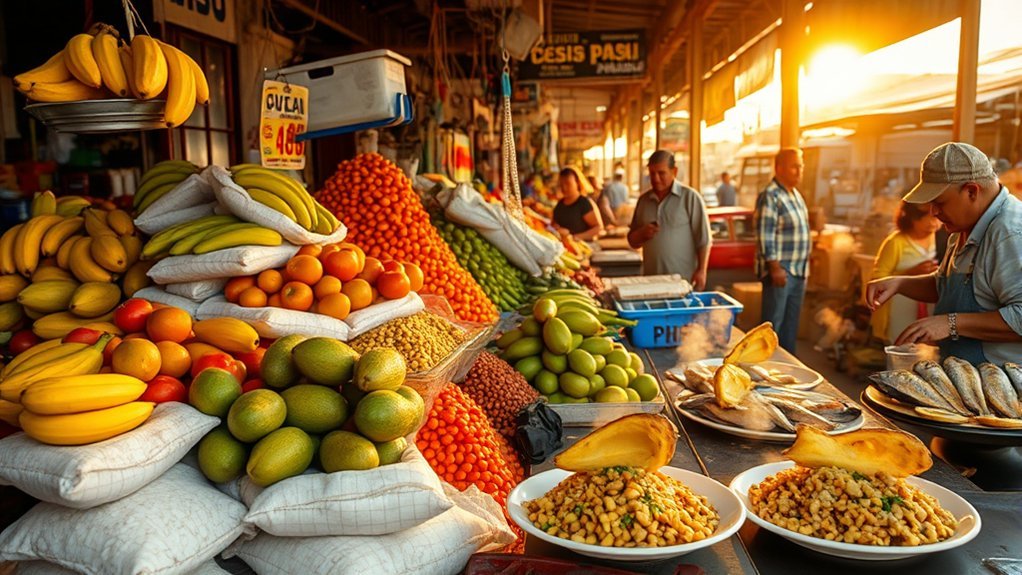
A single person who cooks most meals with local products spends about C$7,000–9,000 (~$190–$245) a month on groceries. A couple should plan on about C$15,000 (~$410), and a family of four about C$28,000 (~$765). Local markets are cheapest for produce, rice, beans, eggs, and cheese. Imported cereal, wine, snacks, and US brands at supermarkets raise the bill fast.
Average national prices (Numbeo, July 2026):
| Item | Typical Cost (C$) | Approx. USD |
|---|---|---|
| Milk (1 liter) | 45.93 | $1.25 |
| Bread (1 lb loaf) | 68.22 | $1.86 |
| Rice (1 lb) | 28.33 | $0.77 |
| Eggs (12) | 82.99 | $2.27 |
| Chicken fillets (1 lb) | 105.88 | $2.89 |
| Beef (1 lb) | 127.08 | $3.47 |
| Local cheese (1 lb) | 159.82 | $4.36 |
| Bananas (1 lb) | 13.91 | $0.38 |
| Tomatoes (1 lb) | 37.66 | $1.03 |
| Mid-range bottle of wine | 441.57 | $12.06 |
Eating out is cheap if you eat like a local. A plate at a fritanga or neighborhood comedor costs well under the restaurant average. Other common prices:
- Meal at an inexpensive restaurant: about C$184 (~$5) nationally; closer to C$368 (~$10) in Managua
- Three-course dinner for two at a mid-range restaurant: about C$1,214 (~$33)
- Fast-food combo meal: about C$280 (~$7.65)
- Cappuccino: about C$84 (~$2.30)
- Domestic beer (pint, at a bar): about C$50 (~$1.37)
Transportation and Getting Around
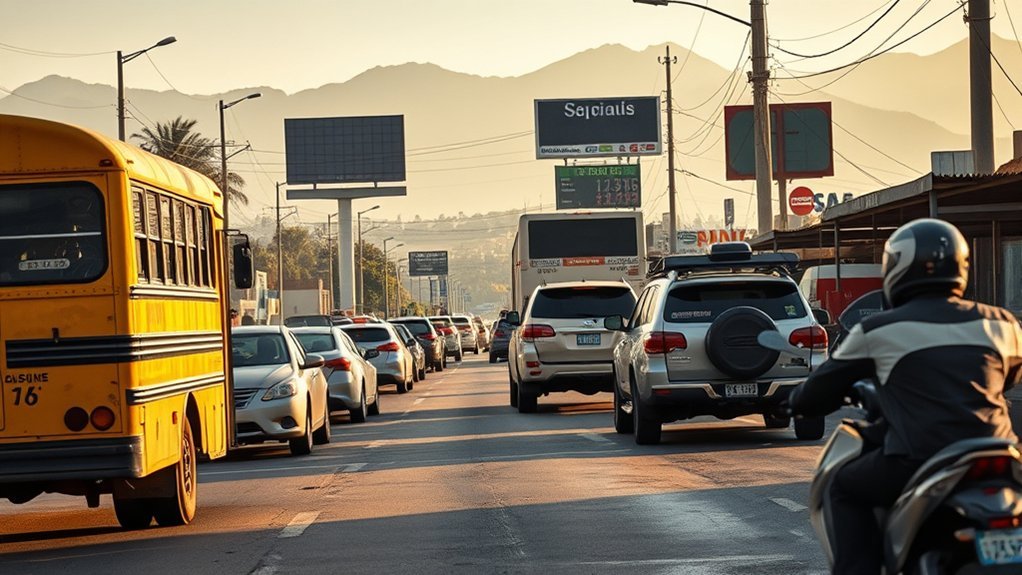
Buses are very cheap, but most foreigners use taxis for safety and convenience, especially at night.
| Item | Cost (C$) | Approx. USD |
|---|---|---|
| Local bus ticket | about 5 | $0.14 |
| Monthly bus pass | 221 | $6 |
| Taxi starting fare | 55 | $1.50 |
| Gasoline (1 liter) | 49.16 | $1.34 (~$5.08/gallon) |
| New Toyota Corolla | about 970,800 | $26,500 |
Taxis often don’t use meters, so agree on the fare before you get in. A person who takes a few taxi rides a week will spend about C$2,000–3,000 (~$55–$80) a month. Owning a car adds insurance, registration, repairs, and parts that are often imported and slow to arrive. The US State Department’s advisory also warns about road conditions and driving after dark, so factor safety in, not just price.
Healthcare and Insurance Costs
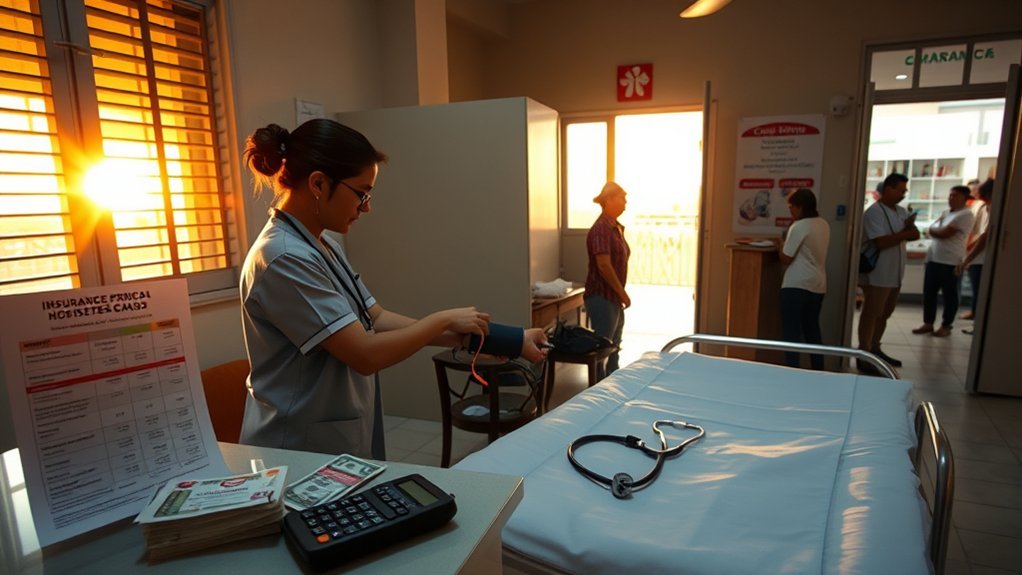
Public hospitals exist, but most foreign residents use private clinics and hospitals, mainly in Managua. According to the State Department, quality medical care is limited mostly to the capital, and medical evacuation may be the only option for some emergencies.
What to budget for:
- Private insurance: premiums depend on age, deductible, and whether the plan covers evacuation. This guide’s budgets set aside about C$5,500 (~$150) a month per adult for coverage. Get written quotes, since older applicants pay much more.
- Self-pay visits: ask private clinics for cash prices for consultations, labs, and imaging before you need them.
- Medical evacuation: confirm whether your plan covers it, where it would take you, and how approval works. Standard policies often exclude it.
- Medication: common drugs are available in Managua pharmacies, but bring a supply of anything specialized.
Tap water is generally not safe to drink, so add bottled or filtered water to your grocery budget.
Schools and Childcare
Families face the widest cost range, because schooling can outweigh the savings on rent.
- International primary school: about C$222,700 (~$6,080) a year per child in Managua, and C$252,400 (~$6,890) as a national average. Top schools charge more, plus enrollment fees, books, uniforms, and transport.
- Private preschool or kindergarten: about C$6,350–8,670 (~$173–$237) a month, full day.
- Public schools: classes are in Spanish and quality varies widely.
For a family with two children in international school, tuition alone adds about C$37,100–42,100 (~$1,015–$1,150) a month.
Taxes: VAT and Income Tax
- IVA (VAT): 15%, included in shelf prices. Medicine, basic food items, tuition, and textbooks are exempt, according to PwC’s Nicaragua tax summary.
- Property tax (IBI): a municipal tax of 1% applied to 80% of the cadastral value, so about 0.8% of the assessed value each year.
- Income tax: resident rates are progressive, as shown below. Non-residents pay a flat 20% withholding on Nicaraguan-source income.
| Annual Taxable Income (C$) | Approx. USD | Rate |
|---|---|---|
| 0–100,000 | $0–$2,730 | 0% |
| 100,000–200,000 | $2,730–$5,460 | 15% |
| 200,000–350,000 | $5,460–$9,555 | C$15,000 + 20% |
| 350,000–500,000 | $9,555–$13,650 | C$45,000 + 25% |
| Over 500,000 | over $13,650 | C$82,500 + 30% |
Rates come from PwC’s personal income tax summary, reviewed in August 2026. US citizens must still file US returns while abroad, so talk to a tax adviser before you move.
Residency, Entry, and Safety
US citizens pay a $10 cash fee for a tourist entry stamp on arrival, valid for up to 90 days. You must declare cash of $10,000 or more on entry, and a $42 departure tax is usually included in airfare. Entry can be refused without explanation.
For longer stays, Nicaragua’s Law 694 offers residency for retirees (pensionados) and people with passive income (rentistas). The law has long set the income floor at about $600 a month for retirees and $750 for rentistas. Rules and fees change, so confirm with Migración or a local attorney. Budget for apostilled documents, translations, police records, legal help, and trips to Managua.
Safety and legal risk. The State Department rates Nicaragua at Level 3, “Reconsider Travel” (May 14, 2026). It warns of a serious risk of wrongful detention for US nationals, arbitrary enforcement of laws, exit bans, phone and social-media searches, and property seizures. These risks are not monthly costs, but they belong in any decision to move.
Buying Property

Crowd-sourced averages put city-center apartment prices around C$4,080 per square foot (~$111), and about C$2,210 (~$60) outside the center. The US Embassy in Managua urges extreme caution before buying, citing disputed titles, slow courts, and corruption. Before paying a deposit:
- Hire your own attorney, not the seller’s, to review the title chain, liens, boundaries, and occupants.
- Ask for a written closing statement that lists notary, registration, transfer tax, and survey costs.
- Budget for the annual IBI, insurance, security, and repairs.
- Rent in the area for three to six months first.
One-Time Setup Costs
Budget for these before your first month:
- Entry: $10 tourist stamp on arrival.
- Rental deposit: usually one month’s rent, about C$6,650–15,600 (~$180–$427) for a one-bedroom.
- Short-term lodging while you look for a place to rent.
- Residency paperwork: apostilles, translations, legal fees, and government fees. Get a quote from a local attorney.
- Household setup: linens, kitchen items, fans, and a water filter if the rental is not fully equipped.
- Insurance: travel or international coverage from day one.
A reserve of two to three months of living costs on top of an emergency fund covers most first-month surprises.
Sample Monthly Budgets
These budgets combine the averages above. Rent for the single and couple columns uses Managua and national one-bedroom averages, with the comfortable options at Granada-level central rents. The family column uses a three-bedroom in Managua.
| Expense (C$) | Single, Lean | Single, Comfortable | Couple | Family of Four |
|---|---|---|---|---|
| Rent | 6,650–7,850 | 12,800–15,600 | 12,800–15,600 | 13,800–20,500 |
| Utilities | 3,000–3,700 | 5,600 | 5,600 | 7,500 |
| Internet + mobile | 2,050 | 2,100 | 2,850 | 3,500 |
| Groceries | 7,000 | 9,000 | 15,000 | 28,000 |
| Eating out + leisure | 3,000 | 6,000 | 8,000 | 10,000 |
| Transport | 1,000 | 3,000 | 4,000 | 9,000 |
| Health | 2,500 | 5,500 | 11,000 | 20,000 |
| Gym / childcare | — | 1,300 | 2,600 | 12,700 |
| Personal + household | 2,500 | 3,500 | 5,000 | 8,000 |
| Total (C$) | 27,700–29,600 | 48,800–51,600 | 66,850–69,650 | 112,500–119,200 |
| Total (USD) | $755–$810 | $1,330–$1,410 | $1,825–$1,900 | $3,070–$3,255 |
Lean single: assumes an outer-Managua apartment, fans instead of constant air conditioning, buses, and a small health fund for self-pay visits rather than full insurance. It leaves little room for emergencies, so add 10%–20% if you can.
Family of four: the childcare line covers two children in local private preschool. With two children in international school instead, the total rises to roughly C$137,000–149,000 (~$3,740–$4,070).
Salary vs. costs: the lean single budget is more than double the average local net salary. Living on a local wage as a foreigner is not realistic; most expats here live on pensions, remote income, or savings.
Money-Saving Tips
- Rent before you buy. Test the town, the rainy season, the internet, and the drive to a hospital first.
- Look outside tourist centers. Outer Managua and inland towns cost far less than Granada’s center or the beach.
- Control the air conditioning. Choose shaded, cross-ventilated homes and cool only the bedroom at night.
- Shop at markets. Buy produce, beans, rice, eggs, and cheese from local sellers and skip imported brands.
- Eat at comedores. A local lunch costs a fraction of a tourist-area restaurant meal.
- Delay buying a car. Learn your real travel pattern first; taxis are cheap.
- Pay in córdobas. Paying in dollars at shops often means a poor exchange rate.
How Nicaragua Compares With Nearby Countries
Nicaragua is among the cheapest countries in Central America for rent and daily costs, but it carries more legal and safety risk than its neighbors. The lean single budgets below come from our 2026 country guides:
| Country | Lean Single Budget (USD/month) | Currency |
|---|---|---|
| Nicaragua | $755–$810 | córdoba (fixed rate) |
| Guatemala | $745–$1,075 | quetzal |
| Honduras | about $1,000 | lempira |
| El Salvador | $1,095–$1,250 | US dollar |
| Costa Rica | about $1,555 | colón |
Costa Rica, Nicaragua’s southern neighbor, costs about twice as much. See our guide to the cost of living in Costa Rica for its rents and healthcare system. To the north, the cost of living in Honduras is closest to Nicaragua’s. If you want to avoid exchange-rate math, compare the cost of living in El Salvador, which uses the dollar, and the cost of living in Guatemala, where Antigua is a popular expat base.
Frequently Asked Questions
How much money do you need to live in Nicaragua per month?
A single person needs about C$27,700–29,600 (~$755–$810) a month for a lean life in Managua, and about C$48,800–51,600 (~$1,330–$1,410) for a comfortable one with private health cover. A couple should budget about C$66,850–69,650 (~$1,825–$1,900).
Is $1,000 a month enough to live in Nicaragua?
Yes, for one person. At C$36.62 per dollar, $1,000 is about C$36,600, which covers a lean Managua budget with some room for savings. It is tight for a couple, and it does not cover a beach house in San Juan del Sur or full private insurance for older adults.
How much is rent in Nicaragua in 2026?
A one-bedroom averages about C$7,850 (~$214) outside a city center and C$12,830 (~$350) in one nationwide. Managua is cheaper, at about C$6,650–9,420 (~$182–$257), while Granada and San Juan del Sur run about C$12,860–15,620 (~$351–$427).
What is the minimum wage in Nicaragua in 2026?
It depends on the sector. Monthly rates effective March 1, 2026 range from C$6,188 (~$169) in agriculture to C$13,848 (~$378) in construction and finance. Commerce, restaurants, and hotels pay at least C$11,350 (~$310).
Is Nicaragua cheaper than Costa Rica?
Yes. A lean single budget in Nicaragua is about $755–$810 a month, compared with about $1,555 in Costa Rica. Rent, restaurant meals, and local services all cost much less in Nicaragua.
What currency is used in Nicaragua?
The córdoba (C$). The official rate has been fixed at C$36.6243 per US dollar. Most everyday purchases must be priced and paid in córdobas, while rent and property are often quoted in dollars.
Is it safe to move to Nicaragua?
The US State Department rates Nicaragua at Level 3, “Reconsider Travel,” because of crime, health limits, wrongful detention, and arbitrary enforcement of laws. Read the full advisory and talk to people living there before you commit.
Conclusion
Nicaragua is one of the least expensive places to live in Central America in 2026. A single person can get by on about $755–$810 a month in Managua and live comfortably on about $1,330–$1,410, and the fixed córdoba keeps dollar budgets predictable. Inflation near 4% means prices are rising, and air conditioning, private healthcare, and international school can double a budget quickly. The bigger question for most people is risk, not cost: read the current travel advisory, rent before you buy, and keep a strong emergency fund.
Sources
- Banco Central de Nicaragua – official exchange rate
- INIDE – Consumer Price Index, June 2026
- WageIndicator – Nicaragua minimum wages 2026
- PwC – Nicaragua personal income tax
- PwC – Nicaragua VAT and other taxes
- US Department of State – Nicaragua travel advisory
- US Embassy in Nicaragua – buying property and property disputes
- Numbeo – Nicaragua, Managua, Granada, San Juan del Sur, León (crowd-sourced averages)