What’s in This Article
- Understanding Welding Rig Components
- Factors That Affect Welding Rig Prices
- Basic vs. Advanced Welding Rig Setups
- Budgeting for Your Welding Rig
- New vs. Used Welding Rigs
- Essential Features to Consider
- Financing Options for Welding Rigs
- Long-Term Cost Considerations
- Market Trends in Welding Rig Pricing
- Frequently Asked Questions
A welding rig can look like one purchase, but it’s really a full mobile work system. Your final cost depends on the truck, welder, bed setup, tools, safety gear, and how much repair risk you accept. Most buyers should expect a wide price range, from lower-cost used setups near $12,500 to high-end rigs near $80,000 or more. This guide breaks down what affects the price so you can plan a smarter budget.
Quick Answer
A welding rig often costs between $12,500 and $80,000, depending on the truck, welder, mileage, and installed equipment. A dependable used setup often falls near $30,000, but newer or fully loaded rigs can cost much more. Always budget for tools, fuel, insurance, repairs, and future upgrades, not just the purchase price.
Key Takeaways
- A basic used welding rig can cost much less, but it may need repairs sooner.
- A reliable working setup often costs around $30,000 when truck and equipment quality stay balanced.
- Newer rigs can reach $80,000 or more because they include modern trucks, lower mileage, and stronger equipment.
- Your budget should include fuel, maintenance, insurance, welding leads, tanks, tools, and safety gear.
- Used rigs can offer strong value when you inspect the truck, welder, wiring, and service history carefully.
Understanding Welding Rig Components
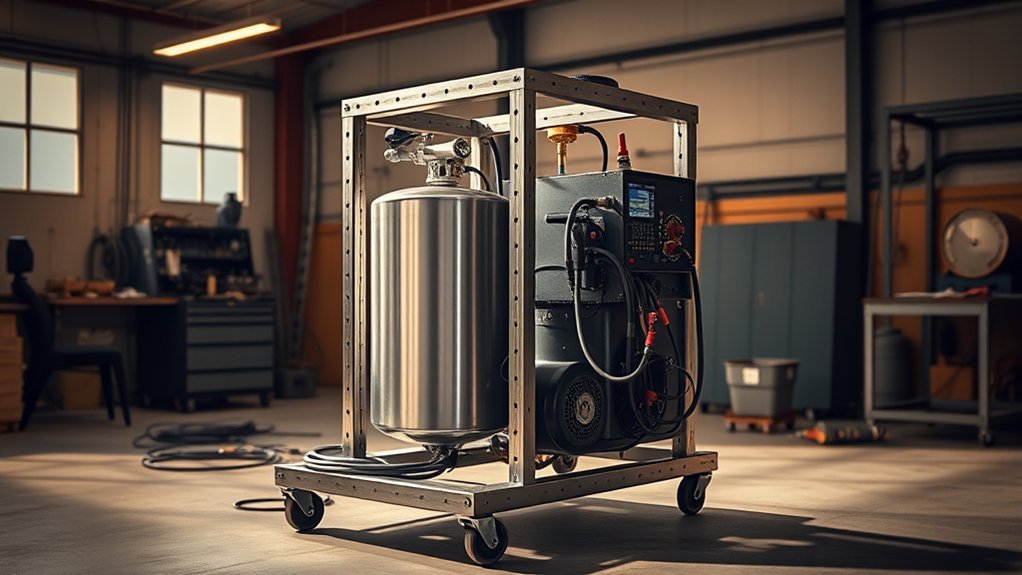
When you build or buy a welding rig, you need to understand the parts that drive cost and performance. A complete setup usually includes a heavy-duty truck, a welding machine, tool storage, gas bottles, leads, clamps, grinders, and safety gear. The truck supports the full load, so its frame, suspension, engine, and bed condition matter a lot.
Truck examples can vary widely in price. A high-mileage older truck may cost less, while a lower-mileage diesel or newer one-ton truck can cost far more. The welding machine also changes the budget. A new engine-driven welder, multi-process machine, or generator-welder can raise your total investment fast.
Accessories may look small beside the truck price, but they affect daily work. Leads, reels, bottles, torch kits, toolboxes, vises, and air systems all add real cost. Match each component to your job type, load needs, and expected work hours so you don’t overspend on gear you won’t use.

The DEWALT TSTAK Mobile Storage unit delivers a spacious, stackable solution for organizing and transporting tools with ease. Its telescopic handle, durable 7-inch wheels, and bi-material top handle make moving loads more comfortable, while rust-resistant metal latches and side latches support secure stacking with other TSTAK units. Built for convenience and mobility, it is ideal for professionals and DIY users who need dependable on-the-go storage.

This hardcover cookbook offers fast, approachable recipes designed for busy days and low-energy nights. Caroline Chambers focuses on simple, flavorful meals that help you get dinner on the table without overthinking it. It's a practical pick for home cooks who want quick weeknight inspiration and minimal-fuss cooking.

This hardcover book celebrates the art of gathering with inspiring table settings, thoughtful traditions, and practical ideas for hosting memorable meals. Written by Shea McGee, it offers beautiful design inspiration alongside approachable guidance for creating warm, welcoming spaces for family and friends. It's a charming resource for anyone who loves entertaining, home styling, and making everyday moments feel special.
Factors That Affect Welding Rig Prices
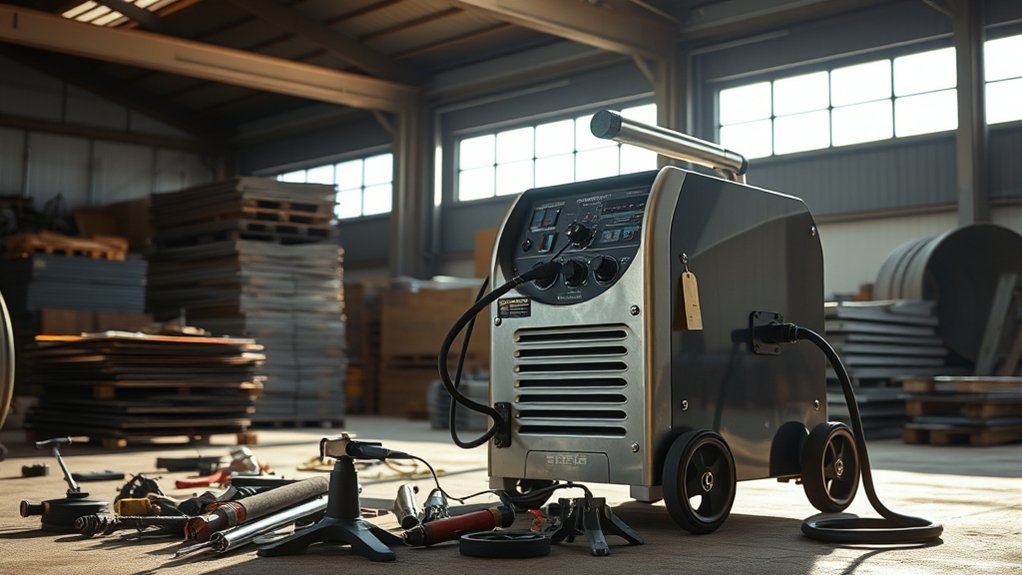
Several factors shape welding rig prices, and each one affects both your starting cost and long-term value. The vehicle model often has the biggest impact. An older used truck may cost near $12,500, while a newer heavy-duty truck with a full setup can reach $80,000 or more.
Mileage also matters. A high-mileage rig can save money upfront, but it may need engine, transmission, brake, or suspension work sooner. A lower-mileage truck usually costs more, but it may reduce downtime if the previous owner maintained it well.
The welder, bed layout, and installed tools can raise the price too. A rig with a proven engine-driven welder, lead reels, bottle racks, storage, air compressor, and clean wiring can justify a higher price. When you compare rigs, look beyond the sticker price and review the full working setup.
Basic vs. Advanced Welding Rig Setups
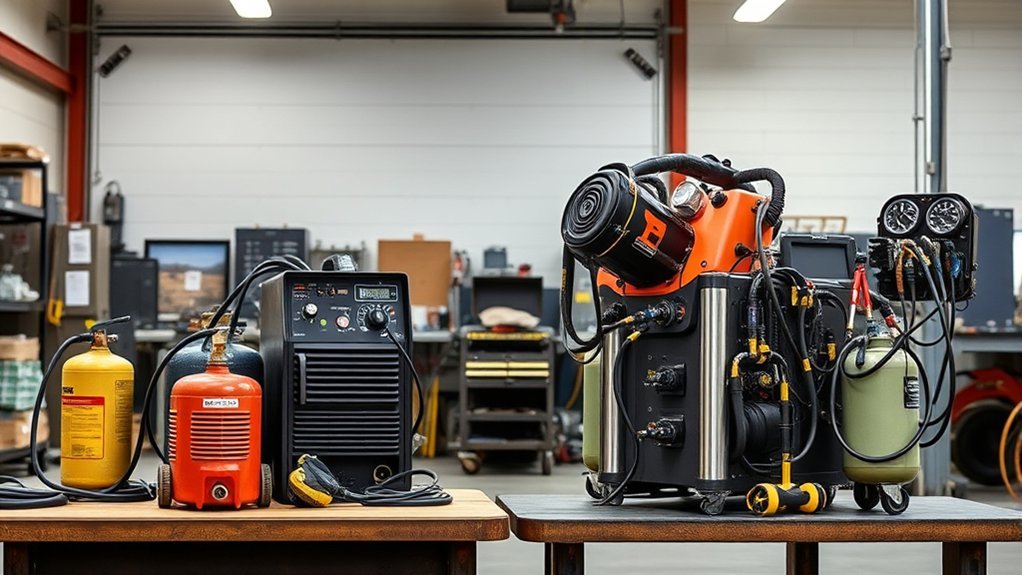
Basic and advanced welding rigs serve different buyers. A basic setup may work well for smaller jobs, side work, or entry-level mobile welding. An advanced setup suits heavier field work, pipeline-style jobs, repair fleets, and contractors who need more power and storage.
A basic rig often costs less because it uses an older truck, simple storage, and only essential tools. A higher-end rig costs more because it may include a newer diesel truck, premium welder, lead reels, compressor, lighting, and custom bed work. Your best choice depends on your work type, not just your budget.
Essential Equipment Required
A useful welding rig needs more than a truck and a welder. Each part should help you work safely, move fast, and handle common job-site needs.
- Basic rig: Reliable truck, welding machine, leads, clamps, hand tools, helmet, gloves, and fire-resistant clothing.
- Intermediate rig: Better storage, gas bottle racks, grinders, extension cords, spare consumables, and work lights.
- Advanced rig: Multi-process welder, generator capacity, air compressor, lead reels, custom bed, and stronger tool organization.
Start with the gear your work requires every day. Then add upgrades only when they save time, improve safety, or help you take higher-paying jobs.
Price Range Differences
The price range for welding rigs changes based on the truck, welder, tools, and condition. Use the table below as a planning guide, not a fixed price list.
| Type | Typical Price Range | Common Features |
|---|---|---|
| Basic Setup | $12,500 – $28,500 | Older truck, higher mileage, basic welder, core tools |
| Average Setup | Around $30,000 | Reliable truck, proven welder, balanced tool package |
| Advanced Setup | Up to $80,000 or more | Newer truck, low mileage, custom bed, advanced equipment |
Basic rigs give you a lower entry cost, but they may lack comfort and modern features. Advanced rigs cost more, but they can support heavier work and reduce setup time. Compare the full package before you decide which price point fits your work.
Budgeting for Your Welding Rig
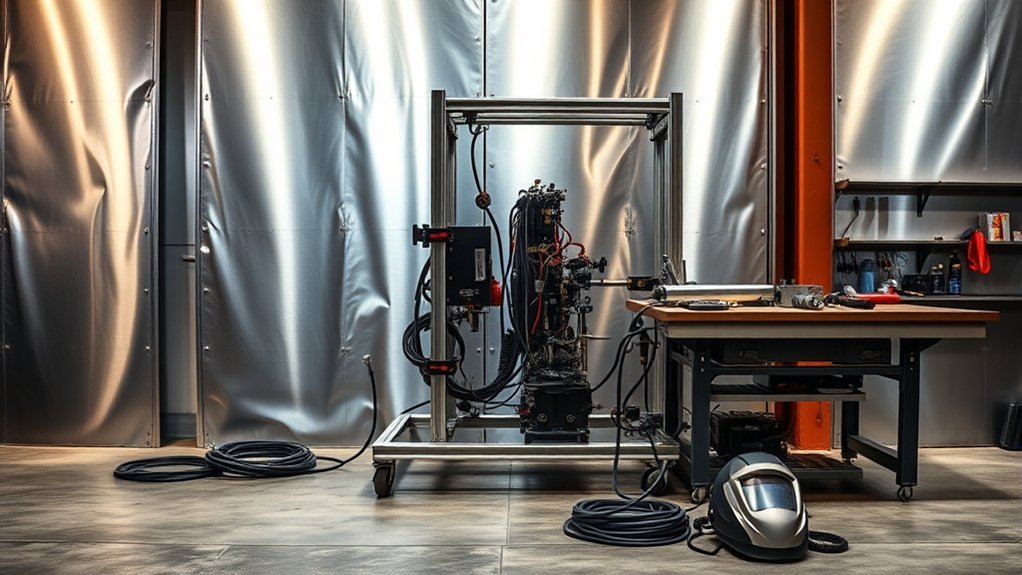
When you budget for a welding rig, don’t stop at the purchase price. A quality setup may cost around $30,000, but your true cost includes repairs, tools, fuel, insurance, and job-site supplies. A lower-priced rig can still cost more later if it needs major work.
Pro tip: Keep a separate startup budget for consumables, repairs, and safety gear before you take paid jobs.
Use these budget categories before you buy:
- Initial purchase: Truck, welder, bed setup, storage, and installed tools.
- Inspection costs: Mechanic check, welder test, battery test, and fluid review.
- Operating costs: Fuel, oil changes, tires, insurance, registration, and routine service.
- Work supplies: Rods, wire, gas, grinding discs, clamps, lenses, gloves, and fire blankets.
- Future upgrades: Lead reels, air compressor, lighting, extra storage, or a stronger welder.
Build your budget around the work you plan to do. If your jobs need heavy field repair, you may need a stronger truck and more power. If you handle light mobile repairs, a simpler used setup may be enough.
New vs. Used Welding Rigs

Choosing between new and used welding rigs comes down to cash flow, repair risk, and job demands. A new rig can offer warranty coverage, cleaner records, and modern comfort features. A used rig can save a lot upfront, but only if the truck and welder pass inspection.
Pros of New Rigs
A new welding rig can reduce uncertainty when you need dependable daily use. You also get a cleaner starting point for maintenance records, wiring, and equipment layout.
- Modern technology: Newer trucks may offer better safety features, towing support, and comfort.
- Lower early repair risk: A new truck usually needs fewer major repairs in the first years.
- Warranty support: Warranty coverage can help protect you from some early defects.
- Financing access: Dealers may offer loan or lease options that spread out the cost.
A new rig can make sense if downtime would cost you more than the higher payment. It can also help when you need a professional image for commercial clients.
Advantages of Used Rigs
Many welders choose a used welding rig because it lowers the cost of entry. Used rigs can range from lower-priced older setups to well-equipped trucks that still cost a serious amount. The best ones already include storage, leads, bottles, and a proven welder.
Used rigs may also carry lower insurance and registration costs. They can offer better value when the previous owner maintained the truck and equipment well. Before you buy, check service records, inspect the frame, test the welder under load, and confirm that the electrical setup looks safe.
Cost Comparison Insights
New and used rigs can both make sense, but they serve different goals. Use these points to compare them clearly:
- New rigs cost more: A complete new or near-new setup can reach around $80,000 or more.
- Used rigs vary widely: Older working rigs may start near $12,500, while cleaner setups can cost much more.
- Mileage affects value: Lower mileage can raise price, but service history matters just as much.
- Return on investment matters: A cheaper rig only helps if it stays reliable and supports paid work.
Ask yourself how much downtime you can handle. If one missed job would hurt your income, paying more for reliability may be smarter.
What to Inspect Before Buying a Used Welding Rig
A used rig can save money, but you need to inspect it with care. Start with the truck, then move to the welding machine and installed equipment. A low price can hide expensive problems.
- Truck frame and bed: Check for rust, cracks, weak mounts, and signs of overload.
- Engine and transmission: Look for leaks, hard starts, smoke, slipping, and warning lights.
- Welder output: Test the arc under load, not just at idle.
- Electrical setup: Check battery cables, grounds, fuses, connectors, and any homemade wiring.
- Safety items: Confirm fire extinguishers, bottle mounts, caps, chains, and ventilation.
Warning: Don’t buy a rig with unsafe gas bottle mounts, damaged wiring, or untested equipment just because the price looks low.
Essential Features to Consider

When you choose a welding rig, focus on features that affect daily work. Engine type comes first. Diesel engines can offer strong pulling power and durability, but they often cost more to maintain. Gas engines may cost less to repair and can work well for lighter setups.
Next, check load capacity. A three-quarter-ton or one-ton truck usually fits welding work better than a light-duty pickup. Your rig must carry the welder, tools, bottles, fuel, and materials without strain.
Four-wheel drive can help if you work on farms, job sites, dirt roads, or rough ground. Tool storage also matters because poor organization wastes time. A clean bed layout helps you reach tools fast and keeps heavy items secure.

Die With Zero offers a fresh perspective on personal finance by encouraging readers to use money intentionally to create memorable life experiences instead of simply accumulating wealth. Written by Bill Perkins, this book combines practical guidance with a motivating philosophy to help readers align spending, saving, and life goals for a more fulfilling future.

LIQUI MOLY Cera Tec is a ceramic-based engine oil additive designed to reduce friction and wear in petrol and diesel engines. It mixes easily with compatible motor oils, helps protect against metal-to-metal contact, and can improve smoother engine performance while supporting lower fuel consumption. Suitable for engines, transmissions, pumps, and compressors, it is built to handle extreme temperatures and long service intervals.

Coghlan's Magnetic Bear Bell helps alert bears and other wildlife to your presence while hiking, walking, or exploring outdoors. The built-in magnetic silencer lets you quiet the bell when it is not needed, and the hook-and-loop closure makes it easy to attach to clothing, boots, hats, packs, or pet collars. It is a simple safety accessory designed to add peace of mind on the trail.
Financing Options for Welding Rigs
Selecting the right welding rig also means choosing a payment plan that fits your income. Some buyers pay cash for used rigs. Others use loans, dealer financing, or equipment financing to spread the cost over time.
Common financing options include:
- Bank loans: These may offer set terms, but they often require good credit.
- Dealer financing: Some dealers offer easier setup and flexible down payments.
- Equipment loans: These may fit buyers who need to finance the welder and tools.
- Leasing options: Leasing can lower monthly payments, but you may not own the rig at the end.
- Small business financing: Some programs support contractors and trade businesses with seasonal income.
Compare interest rates, payment length, total finance cost, and early payoff rules. A low monthly payment can still cost more if the term runs too long.
Long-Term Cost Considerations

Your welding rig cost continues after you buy it. Fuel, tires, service, repairs, insurance, and consumables can all affect profit. Plan for these costs before you quote jobs.
| Cost Factor | Possible Annual Cost | Notes |
|---|---|---|
| Maintenance | $1,500 | Routine service, filters, fluids, and wear parts |
| Fuel | $3,000 | Costs change with mileage, engine type, and job distance |
| Repairs | $500 or more | Older rigs may need a larger repair reserve |
These figures work as rough planning examples, not guaranteed costs. Your real expenses depend on mileage, labor rates, parts prices, and how hard you use the rig. Keep a repair fund so one breakdown doesn’t stop your work.
Insurance, Registration, and Business Costs
A welding rig may need more than standard personal auto coverage. If you use it for paid work, ask an insurance agent about commercial auto coverage, liability coverage, and equipment protection. Your rates can change based on location, truck value, driving record, and business use.
You should also budget for registration, permits, local business requirements, and taxes. Mobile welders may need extra coverage if they work on customer property. Review these costs before you set your service prices.
Market Trends in Welding Rig Pricing
Welding rig pricing follows truck demand, equipment costs, fuel prices, and local labor markets. Heavy-duty trucks often hold value well when contractors need them. Clean, well-equipped rigs can sell for more because they save setup time for the next owner.
Watch these market factors when you shop:
- Truck condition: Clean frames, strong engines, and good service records raise value.
- Equipment package: Welders, reels, compressors, and storage can make a rig more valuable.
- Local demand: Energy, construction, farm, and repair work can raise rig prices in some areas.
- Feature demand: Diesel engines, four-wheel drive, and custom beds often increase asking prices.
Don’t rely on one listing to judge the market. Compare several rigs with similar trucks, mileage, equipment, and condition before you make an offer.
Frequently Asked Questions
What are the most reliable brands for welding rigs?
Many welders trust Miller, Lincoln Electric, and ESAB for welding machines because these brands have strong support and wide parts access. For trucks, buyers often compare Ford Super Duty, Chevrolet Silverado HD, GMC Sierra HD, and Ram Heavy Duty models. The best choice depends on maintenance history, not just the badge.
How long do welding rigs typically last?
A welding rig can last 5 to 15 years or longer with good care. The truck, welder, and bed setup may age at different rates. Regular service, safe loading, clean wiring, and dry tool storage can extend its working life.
Can I build my own welding rig?
Yes, you can build your own welding rig if you understand load ratings, wiring, gas storage, and safety needs. You’ll need a suitable truck, welder, tool storage, leads, gas setup, and safety gear. Have a qualified mechanic or fabricator inspect the setup before paid work.
What safety gear do I need with a welding rig?
You’ll need a welding helmet, gloves, flame-resistant clothing, safety glasses, and sturdy boots. You may also need hearing protection, respiratory protection, fire blankets, and fire extinguishers. Match your safety gear to the process, metal, location, and ventilation.
Are warranties available for welding rigs?
Some new trucks, welders, and equipment parts include warranties from the manufacturer or dealer. Used rigs may have limited coverage or no warranty at all. Read the warranty terms before you buy, and confirm what parts, labor, and defects the coverage includes.
Financial Disclaimer: This article is for informational purposes only and does not constitute professional financial advice. Always consult a qualified financial advisor, lender, insurance agent, or tax professional before making decisions based on this information.
Conclusion
A welding rig costs more than the truck and welder you see in the listing. Your real budget should include tools, safety gear, insurance, fuel, repairs, and the value of uptime. Choose a setup that matches your work, skill level, and cash flow instead of chasing the cheapest option. A well-planned rig can help you work faster, stay safer, and build a stronger mobile welding business.

The Manbook offers a blunt, practical approach to mental toughness, responsibility, and professional growth. Written by Nick Freitas, it is designed to help readers push through excuses, build discipline, and get the job done with focus and confidence. This hardcover edition is a useful pick for anyone looking for straightforward guidance on self-improvement and resilient living.

Drop Stop provides complete coverage for the gap around your seat belt catch, helping keep keys, phones, and other small items from slipping into hard-to-reach spaces. Designed to move with your seat, it installs easily and stays in place without constant readjustment. This original, patented seat gap filler comes with bonus accessories for added convenience and a cleaner, safer driving experience.

The ANCEL AD310 is a compact OBD II scanner designed to quickly diagnose check engine light issues by reading and clearing emission-related trouble codes. It also provides live data, freeze frame, I/M readiness, and vehicle information, making it a practical tool for drivers and home mechanics. With broad compatibility across many 1996 and newer OBD2 vehicles, it is a simple, fast, and portable way to check engine problems.