
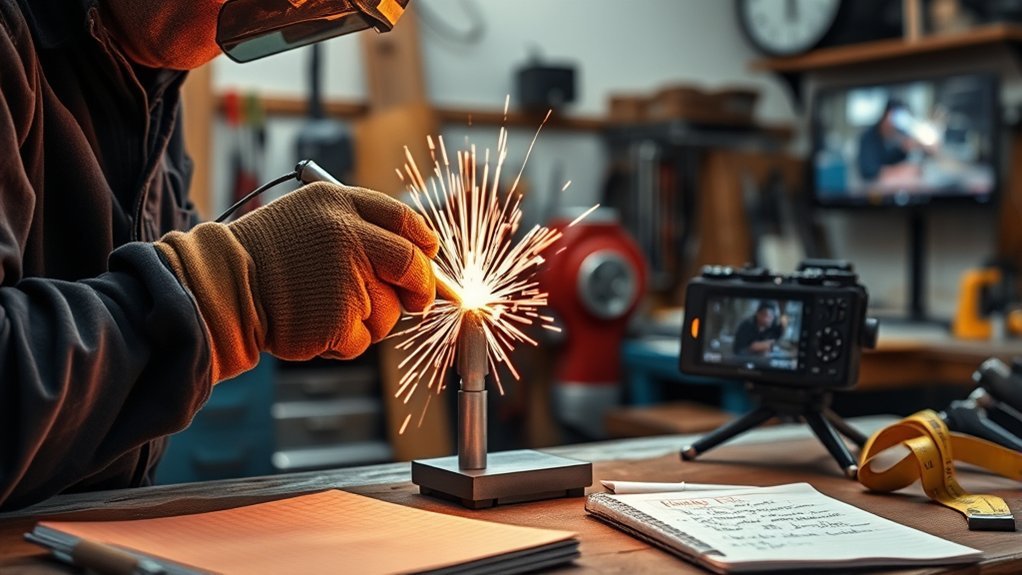
A small welding job typically costs between $75 and $250. The price depends on the welding method (MIG or TIG), the materials (aluminum or stainless steel), and how complex the work is. For a precise quote, add up labor, materials, and any extra fees for special tasks. There’s more to know about pricing and project specifics so you get the best value.
Quick Answer
- Most small welding jobs cost $75–$250.
- Hourly rates average $65–$125, but specialized work can reach $200.
- MIG is usually the cheaper, faster choice for basic fixes; TIG costs more for precision.
- Labor makes up 60–70% of the total bill.
- Get 2–3 quotes with clear photos to lock in the right price.
Welder Hourly Rates
When you price a small welding job, welder hourly rates are the biggest piece. The national average typically ranges from $65 to $125 per hour, depending on the job type and your location. Angi puts most service rates right in that range.
For specialized welding tasks, rates can climb to $200 per hour because of the extra skill required. Basic MIG welding jobs often have a minimum charge of around $75, while TIG welding jobs start at approximately $100, reflecting higher material and expertise costs.
If you go with mobile welding services, expect a minimum of $75 for the first hour to cover travel and setup.
Labor usually accounts for 60% to 70% of total project expenses, so these hourly rates drive most of what you pay. Knowing the numbers helps you budget and choose the right welder.
Factors Affecting Welding Costs
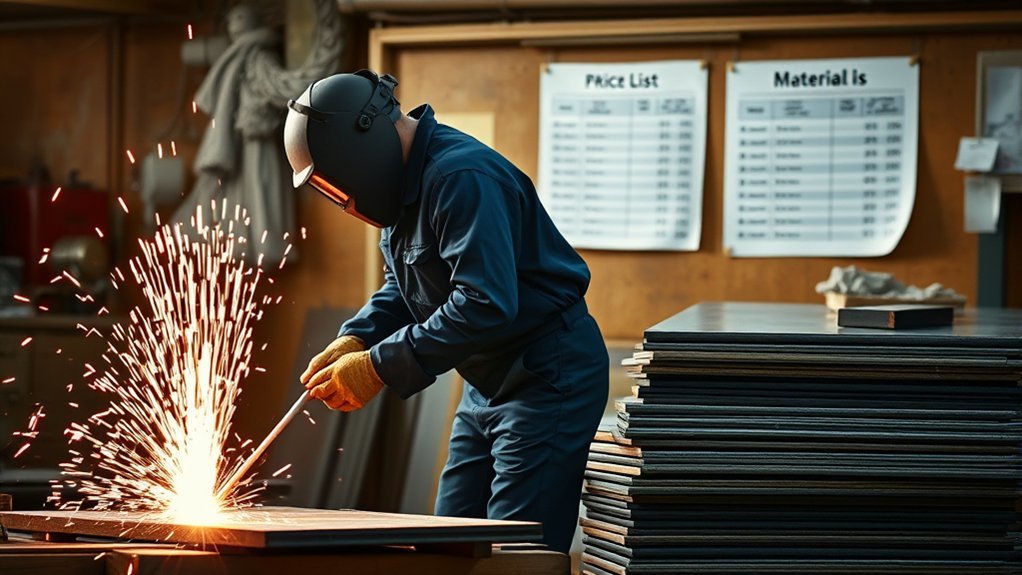
Job complexity and material selection have the biggest impact on welding costs. Intricate work needs more time and skill, and metals like aluminum or stainless steel cost more than mild steel. The welding method you pick also changes the final price.
Job Complexity and Materials
Simpler jobs cost less because they need less labor and material. More complex projects raise the price through extra skill and time. Small welding tasks usually carry a minimum service fee of $75 to $100, depending on the type.
Material costs matter too. Mild steel is the cheapest option, while aluminum and stainless steel run 1.5 to 2 times more expensive. Thumbtack pros confirm this multiplier. Consumables like flux and grinding wheels add roughly 10% to the total. Site accessibility can also push costs up if the location needs extra equipment or time.
Welding Method Selection
Your choice of welding method directly affects the bill. MIG welding usually runs $65 to $90 per hour and works well for quick jobs. TIG welding costs $75 to $125 per hour because it demands more precision and skill. Stick welding stays economical at $50 to $75 per hour and suits many smaller projects.
The metal type matters too—welding aluminum often runs $1.25 to $4.00 per inch. Job complexity and site access can increase labor time. Filler metals and consumables make up about 10% of the total, so picking the right method helps keep expenses down.
Types of Welding Projects
Small welding projects come in several common types. Knowing them helps you match the right technique to your needs.
| Project Type | Common Techniques | Estimated Cost Range |
|---|---|---|
| Furniture Repairs | MIG Welding | $75 – $150 |
| Automotive Parts | MIG/TIG Welding | $100 – $200 |
| Small Metal Structures | MIG Welding | $75 – $150 |
| Art Installations | TIG Welding | $100 – $300 |
| Custom Fabrications | MIG/TIG Welding | $125 – $500 |
MIG welding shines for speed on smaller jobs. TIG welding delivers clean, precise results on thinner materials. Your final price still depends on complexity and the metal you choose.
Products Worth Considering

Crafted with precision, our steel plates are laser-cut, offering unparalleled edge smoothness and dimensional accuracy compared to stamped and sheared parts.

DIY Kit: try your hand at welding with this comprehensive welding flower kit that can create a vase and two flowers, ignite your passion for welding, and embark on an ideal journey of artistic expression
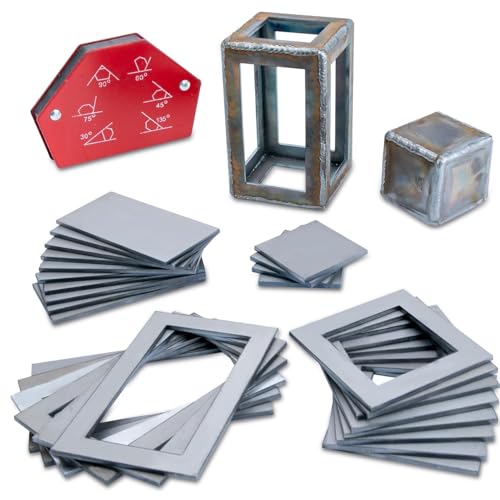
Richly Packed Welding Kit: This kit includes 10 pieces of 3x2-inch plates, 10 pieces of 2x2-inch plates, 10 pieces of 5x3-inch plates, and 10 pieces of 4x2-inch plates. You can weld them into basic 3x3x3-inch and 2x2x2-inch cubes, or create rectangular shapes like a 5x3x3-inch box or a 4x2x2-inch box. Perfect for beginners looking to enhance their welding skills.
Cost by Welding Method
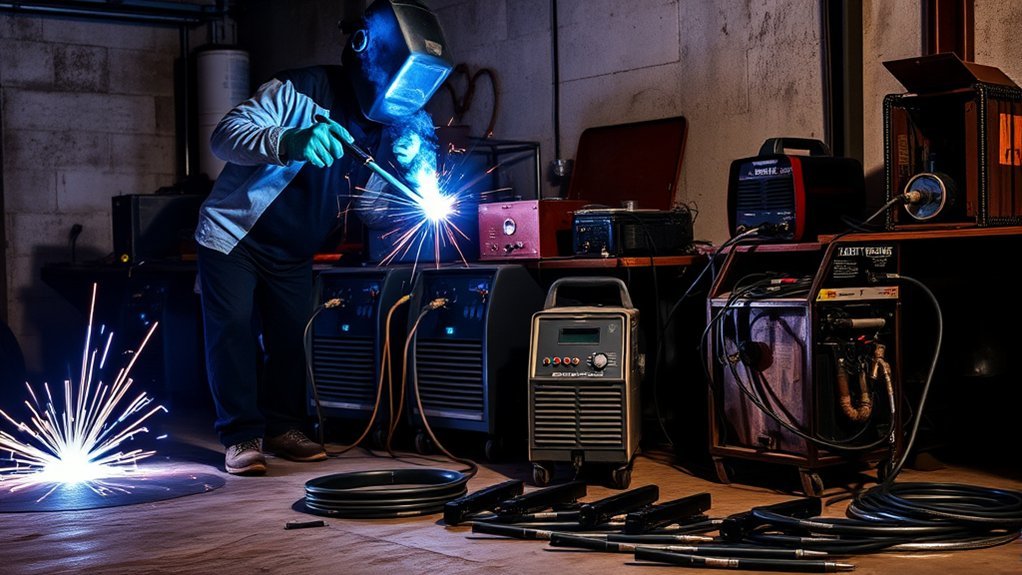
Different welding methods come with their own price tags. MIG offers good value for everyday tasks, while TIG charges more for its precision.
Products Worth Considering

MULTIFUNCTIONAL: A 4-in-1 welder, capable of Flux Core MIG/Gas MIG/ Stick/Lift TIG (need to purchase extra tig lift torch). This unit caters to a wide range of welding applications and meets your various welding needs.

MULTI PROCESS: Experience the convenience of a high-quality, budget-friendly 3-in-1 welding machine that masterfully handles Gasless Flux Core MIG/Stick/Lift TIG(additional 10-25 lift TIG torch required). This unit caters to a wide range of welding applications and meets your various welding needs.
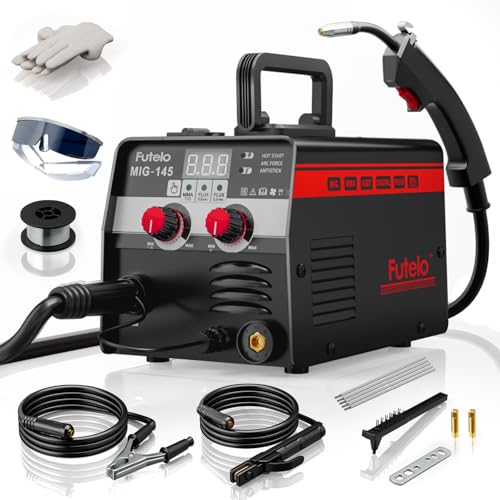
【3-IN-1 WELDER】Compact 3 in 1 welder combines MIG welder, Stick, and Lift TIG welding machine functions to tackle a wide range of welding tasks. With 30–145A output and support for carbon and stainless steel (1–5mm), it’s ideal for home DIY, repairs, and outdoor metal work. (NOTE: TIG torch not included—please purchase separately)
Cost Comparison by Method
Stick welding runs $50 to $75 per hour and works well for basic work. MIG sits at $65 to $90 per hour for a nice balance of speed and cost. TIG, the precision choice, costs $75 to $125 per hour. Flux-Cored Arc Welding (FCAW) falls between $55 and $90 per hour and handles outdoor jobs nicely.
The metal also changes the price. Mild steel usually runs $0.50 to $2.00 per inch, while aluminum is $1.25 to $4.00 per inch.
Factors Influencing Method Pricing
Each welding technique has its own cost range because of skill level and equipment. Stick stays budget-friendly at $50 to $75 per hour for simple tasks. MIG gives speed and value at $65 to $90 per hour. TIG costs $75 to $125 per hour when you need perfect results. FCAW at $55 to $90 per hour is great outside. The metal type and job details still push the final number up or down.
Material Costs in Welding
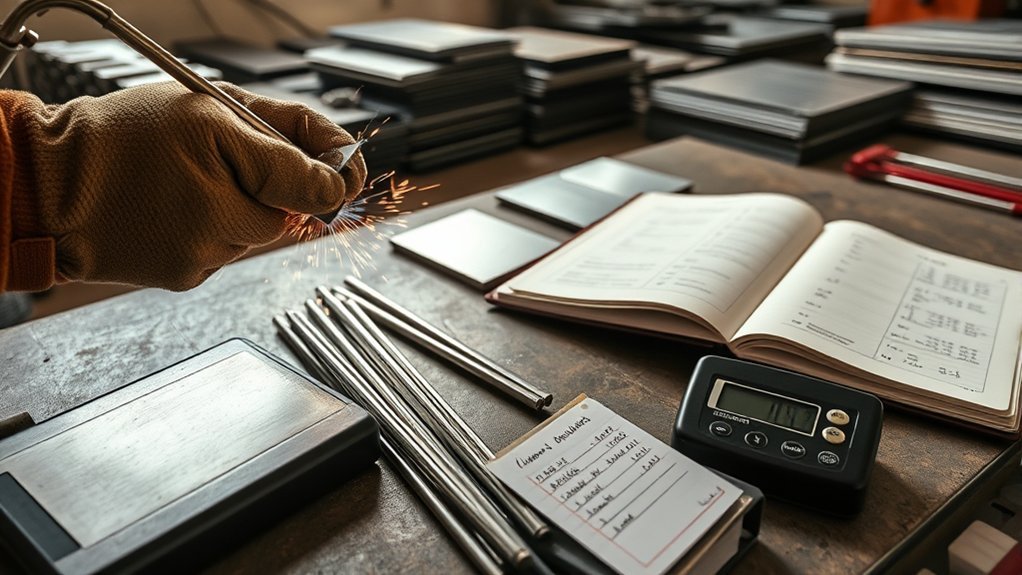
Material choice affects your budget a lot. Mild steel keeps costs low, while aluminum and stainless steel run 1.5 to 2 times higher. Flux, wire, and other consumables add to the total too.
| Material Type | Estimated Cost |
|---|---|
| Mild Steel (25 ft) | $44 – $50 |
| Aluminum (25 ft) | $66 – $100 |
| Flux/Gas (1.5-2 wks) | $120 – $150 |
| Wire (30 lbs) | $40 |
| Grinding Tools | $64 |
Prices can shift, so check current rates when you plan your job.
Products Worth Considering

Commonly used for general shop applications with poor fit-up
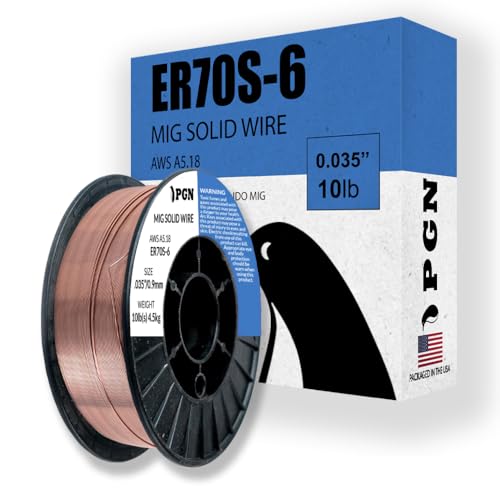
Do Your Best Work ... Color all your clients impressed with the precision and arc control of the ER70S-6 solid MIG welder wire. You'll love the low splatter whether you're performing single or multi-pass welds. Great for T-joints, butt welds & lap welds.
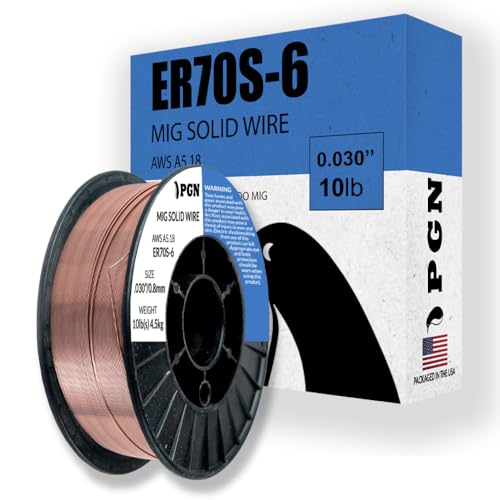
Do Your Best Work ... Color all your clients impressed with the precision and arc control of the ER70S-6 solid MIG welder wire. You'll love the low splatter whether you're performing single or multi-pass welds. Great for T-joints, butt welds & lap welds.
Tips for Hiring a Welder
Start by asking for a free estimate before any work begins. Share clear details and photos so the welder can price the job accurately. Check that the welder has experience with small projects and holds the right certifications. Read reviews from past customers to judge reliability and quality.
Products Worth Considering

Richard Finch, Welder's Handbook: A Complete Guide to MIG, TIG, Arc & Oxyacetylene Welding, "Completely Revised and Updated Edition!" paperback
Estimating Your Welding Project Costs
Small welding jobs usually start with a minimum charge of $75 for basic MIG and $100 for TIG. Average hourly rates fall between $65 and $125, depending on method and complexity. Labor takes 60% to 70% of the total, and the minimum often covers 1 to 2 hours.
Materials and consumables add about 10% more. Get quotes from a few welders, compare them, and you’ll feel confident about the price.
Products Worth Considering
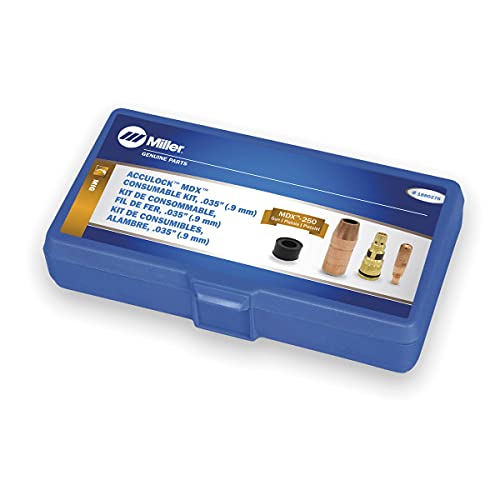
Comprehensive Kit: Includes ten contact tips, one nozzle, one diffuser, one neck insulator, and a consumable storage box for all your MIG welding needs

Package Including 10pcs x 0.035" Contact Tip, 2pcs x Gas Nozzle, 2pcs x Gas Diffuser.

COMPATIBILITY: Designed for Lincoln Magnum 100L (K530 series) and Tweco Mini/#1 welding torches. This kit is also a direct fit for YESWELDER FLUX-135PRO/MIG-140DS PRO/YWM-160/MIG-165DS PRO/MIG-185DS PRO/MIG-205DS PRO/MIG-250PRO/MCT-520.
Frequently Asked Questions
How Can I Prepare My Project for a Welder?
Gather your materials, double-check measurements, clean the surfaces, and sketch your design clearly. Tell the welder exactly what you need so there are no surprises.
What Types of Payment Do Welders Accept?
You’d think welders only accept gold ingots, but they actually take cash, checks, credit cards, and even digital payments. Just ask upfront to avoid surprises.
Is a Deposit Required for Welding Services?
Yes, many welders ask for a deposit. It holds your spot and covers initial materials. Talk about terms before you start.
Can I Get a Warranty on Welding Work?
Yes, most good welders offer a warranty on their work. Always ask for the details up front.
How Long Does a Small Welding Job Usually Take?
A small welding job usually takes one to three hours. Setup, prep, and any fixes can stretch the time a bit.
Conclusion
Getting a handle on welding costs helps you avoid surprises and spend smarter. Hiring a welder is a bit like planting a garden—you need the right tools, know-how, and supplies for a solid result. Choose the best welder and method for your job, and you’ll get strong work without extra bills.
