

If you fish Indiana public waters for a day, you’ll need a one-day license unless you’re under 18 or were born before April 1, 1943. Residents pay $9 and nonresidents pay $15. Buy permits online, by phone, or at 500+ retailers, and carry a signed copy while fishing to avoid citations. Certain legally blind residents and supervised facility residents are exempt. Fishing on a private pond with owner permission also doesn’t require a license. Read on for the full details.
Quick Answer
- Anyone 18 or older fishing Indiana public waters needs a one-day license, regardless of residency.
- Residents pay $9; nonresidents pay $15. Anglers under 18 are exempt.
- Buy online at the Go Outdoors Indiana portal, by phone, or at 500+ retailers statewide.
- Carry a signed copy (paper or digital) while fishing.
- Residents born before April 1, 1943, legally blind residents, and those fishing private ponds with owner consent are also exempt.
Who Needs a One-Day Fishing License in Indiana
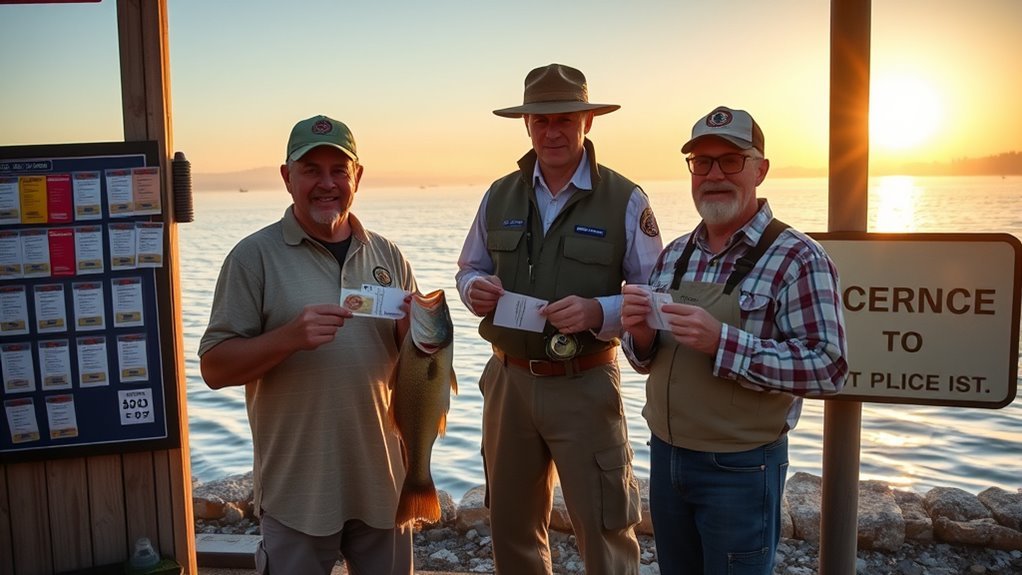
You need a one-day fishing license in Indiana if you’ve turned 18 and plan to fish in public waters. That rule applies to both residents and nonresidents.
Under state fishing regulations, residents born before April 1, 1943, are permanently exempt. Anyone under 18, resident or nonresident, also fishes without a license.
Residents born before April 1, 1943, and anyone under 18 are exempt from Indiana fishing licenses.
Nonresident adults must get a one-day license to comply with Indiana law. You can buy it online, by phone, or from authorized retailers, which makes last-minute trips easy.
Carry proof of purchase while you fish. Officers check permits during routine enforcement. Following these rules keeps you citation-free and supports resource management.
Products Worth Considering

Made of stainless steel with a durable finish that resists the elements

Add a touch of humor and flair to your car with this funny "Weekend Hooker" front license plate. Perfect for the bass fishing enthusiast, this custom car tag is a great gift for men, especially for dads, husbands, or any fishing fanatic. Whether you're an outdoorsman or just enjoy a good laugh, this novelty license plate is sure to bring a smile to your face and enhance your fishing-themed car decor. Let your personality shine on the road with this fun and unique accessory.

NCAA officially licensed
Resident Vs Nonresident Daily Permit Fees

Both resident and nonresident one-day permits give you access to Indiana’s public waters, but the fee differs. Residents pay $9.00 while nonresidents pay $15.00. Both must carry a signed copy of the permit and follow the same regulations. Anglers under 18 are exempt regardless of residency.
Same access, different price, same legal obligations. A daily permit works well for short visits or when an annual license isn’t worth the cost.
- Cost comparison: $9.00 (resident) vs $15.00 (nonresident), a clear price difference to budget for.
- Compliance: both must carry a signed copy and follow all fishing regulations and seasons.
- Exemptions: anglers under 18 don’t need a permit, removing cost and paperwork for youth.
- Use case: the daily permit suits short-term visits when annual licensing isn’t practical.
Choose based on how often you fish, your residency status, and cost-effectiveness.
Where and How to Buy a Daily Fishing License
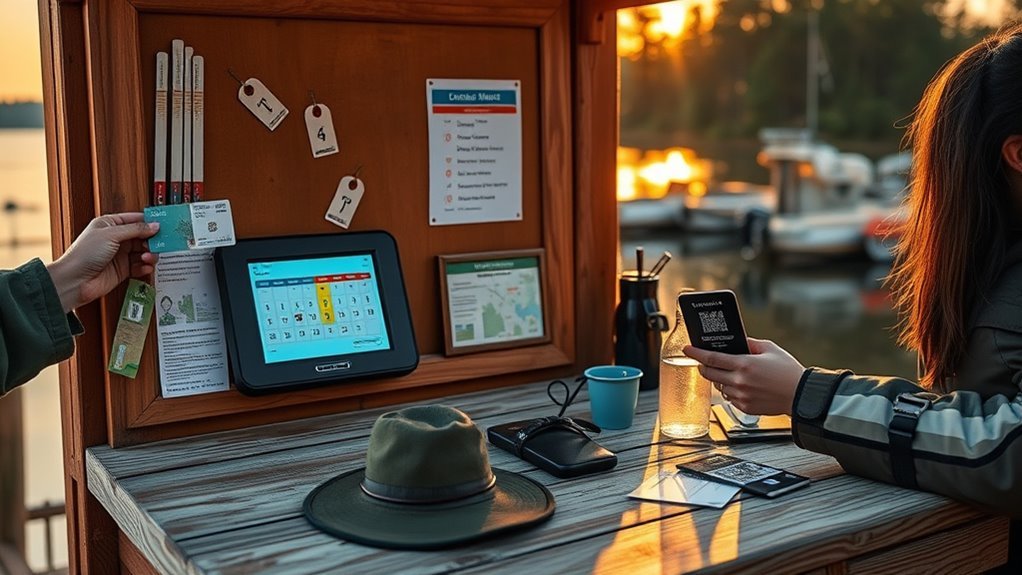
The fastest option is the Go Outdoors Indiana website, which issues immediate electronic confirmations you can carry on your phone or print out.
Prefer buying in person? Over 500 retailers statewide sell one-day permits, including bait shops and outdoor stores. You can also call the Indiana Department of Natural Resources at 317-232-4200 or 877-463-6367 to buy by phone.
Daily license costs are $9 for residents and $15 for nonresidents, regardless of purchase channel. After buying, carry the permit while fishing. A signed paper copy or a signed electronic confirmation both work for verification.
Products Worth Considering

Made of zinc alloy metal
Premium Quality – Our high-quality license plate frames are crafted from durable zinc alloy metal, featuring a vibrant design on both the top and bottom. Each design is coated with a protective epoxy layer to shield it from weather, UV rays, and outdoor elements, ensuring long-lasting beauty and resilience for your vehicle’s license plate frame.
Exemptions and Special Cases for Day Permits
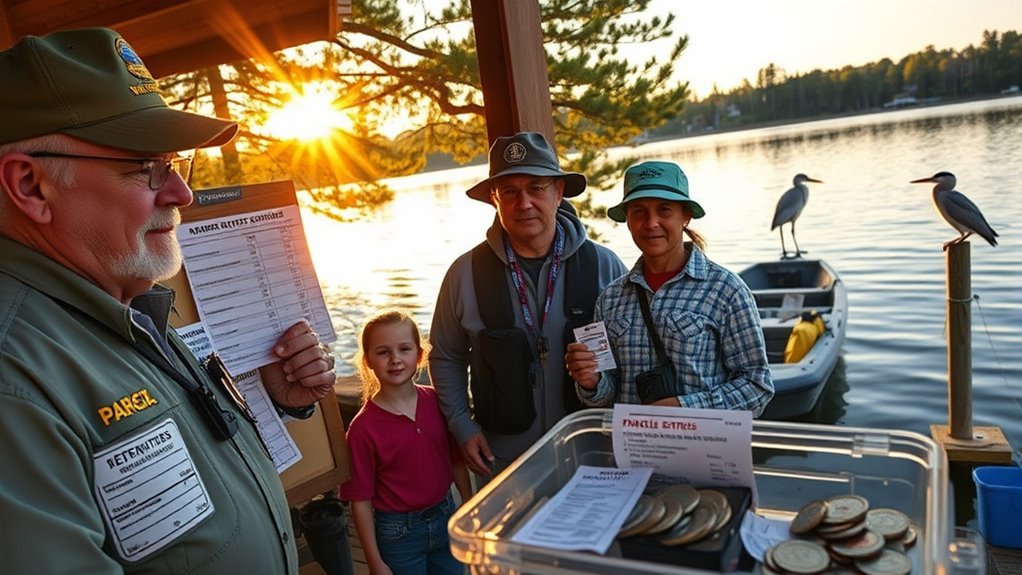
Certain anglers don’t need a one-day permit at all. Indiana fishing regulations spell out exactly who qualifies.
- Under-18s: Residents and nonresidents under 18 are exempt from all fishing licenses, including one-day permits.
- Seniors: Residents born before April 1, 1943, are permanently exempt, covering one-day outings as well.
- Disability and institutions: Legally blind residents and residents of state-owned mental rehabilitation facilities fishing under supervision don’t need a license for any duration.
- Private ponds: Fishing on a private pond is exempt when the property owner consents, including single-day visits.
You may need ID or other documentation to verify exempt status during enforcement. Always check current Indiana DNR fishing regulations before you go, since rules can change.
What the Fee Revenue Supports

Your license fee does real work. About 29% of the Division of Fish & Wildlife budget comes from license sales, funding fish stocking, habitat preservation, and research on species management. Those dollars also pay for habitat restoration projects that improve population resilience.
License fees, about 29% of the Division’s budget, directly fund stocking, habitat preservation, research, and restoration to sustain healthy aquatic ecosystems.
Fee revenue also maintains Fish & Wildlife areas and public access sites, keeping fishing spots safe and accessible. Higher license income means stronger enforcement of fish and wildlife laws, which protects resources for future generations.
A one-day permit is a small investment with direct, measurable results: stocking, habitat work, research, site upkeep, and enforcement that keep Indiana’s waters worth fishing.
Frequently Asked Questions
Do Refunds or Exchanges Apply to Unused One-Day Licenses?
Generally, no. Refunds and exchanges for unused one-day licenses are rare. Exceptions require documented errors or administrative approval per official policy.
Can I Fish in Indiana With Another State’s One-Day Permit?
Generally, you can’t. Indiana requires its own license unless specific reciprocity exists with your state. Check Indiana DNR rules or contact them directly for current reciprocity details.
Are Boat Launch or Park Fees Included With the Day Fishing License?
No. The day fishing license doesn’t cover boat launch fees or park access. Pay those separately and check local agency fee schedules for exact costs.
Is a Printed License Required, or Is a Digital Copy Acceptable?
A digital copy is widely accepted. Most agencies allow mobile proof of license, which makes verification faster and eliminates the risk of a lost paper copy.
Do Children Need a One-Day License if Accompanying a Licensed Adult?
No. Children under 18 are exempt from one-day licenses in Indiana. Still, verify local age cutoffs and documentation requirements to stay fully compliant.
Conclusion
A one-day fishing license is a practical option for visitors or anyone planning a spontaneous trip. Fees differ for residents and nonresidents, and you can buy a permit online, by phone, or at hundreds of retailers statewide. Some anglers qualify for exemptions, and every fee collected goes toward habitat restoration, enforcement, and research. It’s a small, straightforward cost that helps keep Indiana’s fisheries healthy.
