
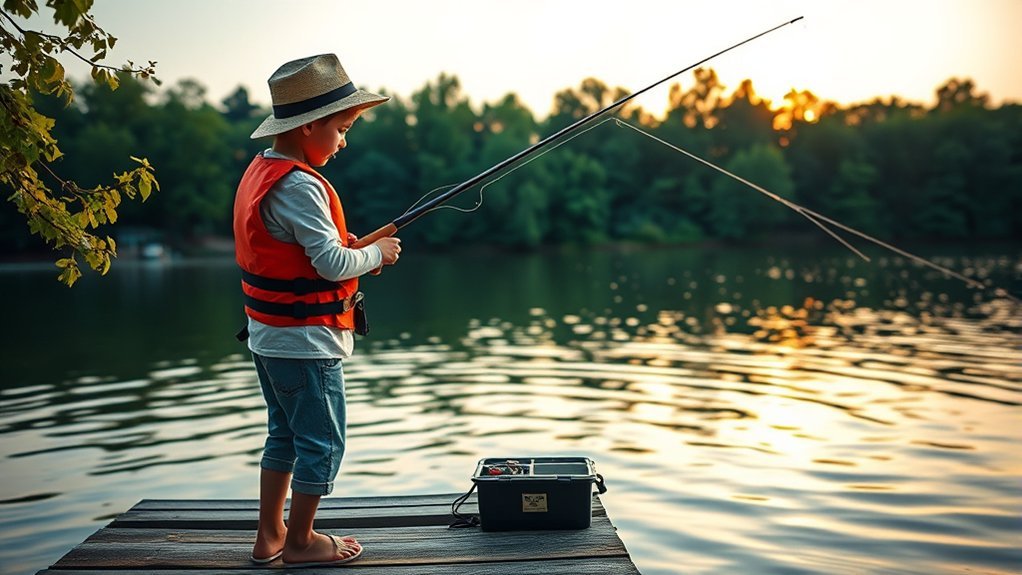
California’s youth fishing rules are simpler than the original “junior license” wording suggests. The state does not sell a separate discounted annual license for teens. Children under 16 generally may fish without a sport fishing license, while anglers ages 16 and older must have a valid license unless a specific exemption applies. Report cards, seasons, bag limits, and local rules can still apply at any age.
Quick Answer
In California, anglers under 16 do not need a sport fishing license. Starting at age 16, residents and nonresidents buy the same licenses offered to adults. For 2026, annual fees are $64.54 for residents and $174.14 for nonresidents. Species report cards may be required at any age.
Key Takeaways
- California has no separate junior annual sport fishing license or junior rate.
- Children under 16 usually fish without a sport fishing license; the regular license requirement begins at age 16.
- A 2026 annual license costs $64.54 for a resident and $174.14 for a nonresident and lasts 365 days from purchase.
- Steelhead, sturgeon, North Coast salmon, and spiny lobster report cards can be required even when the angler is under 16 or fishing on a Free Fishing Day.
- Every angler must still follow seasons, closures, gear rules, and size and bag limits.
At a Glance
| Time Required | About 5–10 minutes for an online purchase |
| Difficulty | Easy |
| Tools Needed | Identity information, a CDFW customer record or GO ID, and a payment method |
| Cost | $0 for the basic license requirement under age 16; at age 16, 2026 annual fees are $64.54 resident or $174.14 nonresident, plus any required report card or validation |
California Youth Fishing License Age Requirements
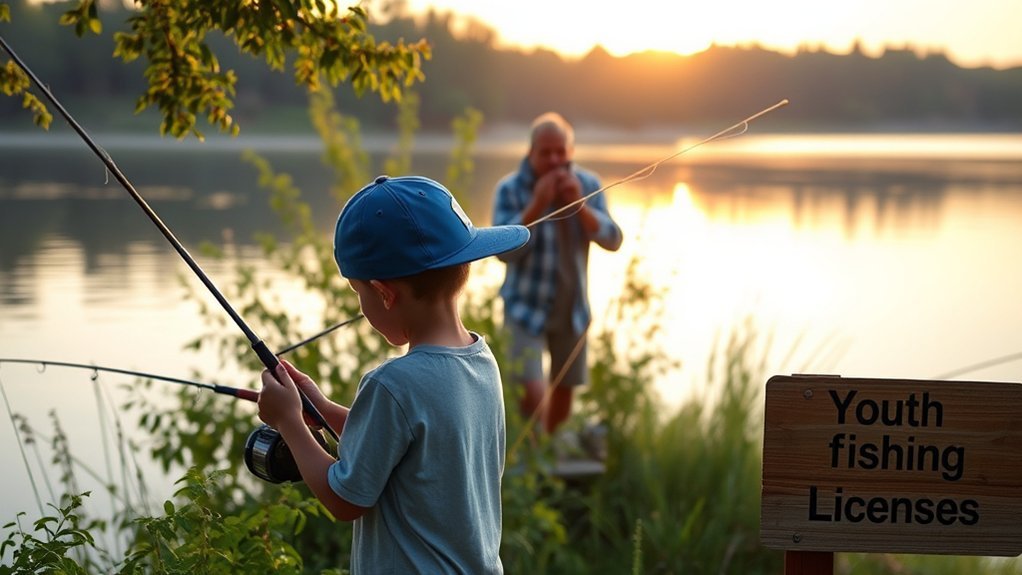
Under California Fish and Game Code section 7145, a person must have a sport fishing license once they are 16 years old and are taking or attempting to take fish, reptiles, or amphibians. California therefore uses a simple age cutoff rather than a discounted junior license.
| Angler | Sport License | Important Details |
| Under age 16 | Not normally required | Report cards and all fishing regulations can still apply. |
| Ages 16–17 | Required unless an exemption applies | The standard resident, nonresident, or short-term license applies; there is no junior discount. |
| Age 18 and older | Required unless an exemption applies | The same general license rules that apply to 16- and 17-year-olds apply to adults. |
The license requirement begins when the angler turns 16. A child under 16 does not have to wait for a designated Free Fishing Day to fish without a license. California’s Free Fishing Days are mainly useful to people ages 16 and older because anyone may fish without buying a sport fishing license on those dates.
In California, the regular sport fishing license requirement begins at age 16, but species report cards can apply to anglers of every age.
Products Worth Considering

Enough to Use: you will receive 6 pieces of fishing license holders, and 6 pieces of safety pins, abundant in quantity, enough for you to choose and replace, can meet your different needs; You can also share them with your friends

Enough to Use: you will receive 6 pieces of fishing license holders, and 6 pieces of safety pins, abundant in quantity, enough for you to choose and replace, can meet your different needs; You can also share them with your friends

Enough to Use: you will receive 6 pieces of fishing license holders, and 6 pieces of safety pins, abundant in quantity, enough for you to choose and replace, can meet your different needs; You can also share them with your friends
Cost of a California Fishing License for Teens in 2026
The California Department of Fish and Wildlife license page lists the following 2026 sport fishing fees. These rates can change from year to year, so confirm the current amount before buying.
| License or Item | 2026 Fee |
| Under age 16 basic sport license requirement | $0 |
| Resident 365-day sport fishing license, age 16 or older | $64.54 |
| Nonresident 365-day sport fishing license, age 16 or older | $174.14 |
| One-day sport fishing license, resident or nonresident | $21.09 |
| Two-day sport fishing license, resident or nonresident | $32.40 |
| Ten-day nonresident sport fishing license | $64.54 |
A 365-day license is valid for 365 consecutive days from the purchase date, not from January 1 through December 31. Short-term licenses may be a better value for a 16- or 17-year-old who plans to fish only once or twice.
Report cards and validations are separate purchases. For 2026, CDFW lists a Steelhead Report Card at $10.29, a North Coast Salmon Report Card at $9.21, a Spiny Lobster Report Card at $12.70, and a 2026–2027 Sturgeon Fishing Report Card at $8.13. Requirements depend on the species, location, method, and current season.
Note: CDFW does not list a general family-package or multiple-license discount for ordinary sport fishing licenses. Children under 16 already receive the main age-based benefit because they generally do not need a sport fishing license.
How to Buy a California Fishing License or Report Card
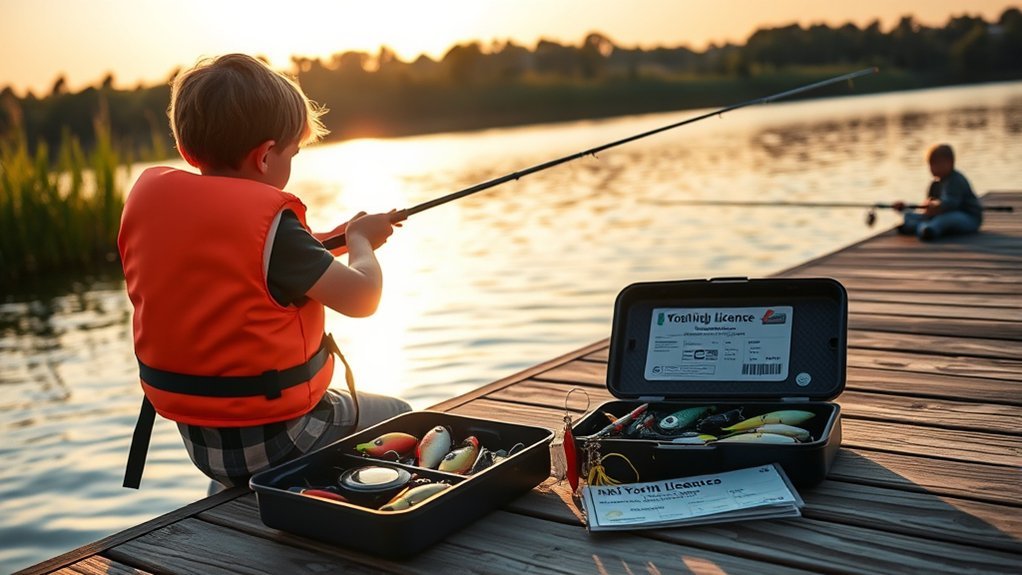
A teen who is 16 or 17 can buy a license through CDFW Online License Sales and Services, an authorized license agent, or a CDFW license sales office. A child under 16 normally needs a customer record only when purchasing an item such as a report card.
- Confirm what is required. Check the angler’s age, species, water, fishing method, and planned dates. A basic sport fishing license may not be needed under age 16, but a report card may still be required.
- Create or retrieve the customer record. Each person buying fishing items uses an individual CDFW customer record and GO ID.
- Gather the customer information. Online registration asks for the person’s name, address, residency status, accepted identity information, date of birth, height, weight, hair color, and eye color. A minor may use an accepted form of identification or qualifying parent or guardian identification when purchasing through an agent.
- Select the correct item. Choose the resident, nonresident, or short-term license and add only the report cards or validations required for the trip.
- Pay and review the transaction. Confirm the name, dates, license type, and species privileges before finishing because license purchases are generally nonrefundable.
- Keep the license or card in immediate possession. Eligible licenses and validations may be displayed in the CDFW License App. A phone image or app proof of purchase does not replace a physical report card when a physical card is required.
Pro Tip: Buy mail-fulfilled report cards well before the trip. CDFW advises allowing time for delivery, and a report card must be physically carried when the regulation requires one.
Products Worth Considering
CALIFORNIA STATE FLAG DESIGN: Features a textured, raised California flag design for an authentic, high-end look and feel.

FISHING LICENSE HOLDER W/ZIP CLOSURE

【Material】Our License Plate Frame Is Made Of Stainless Steel, Strong And Durable.
Benefits of Learning the Rules Early
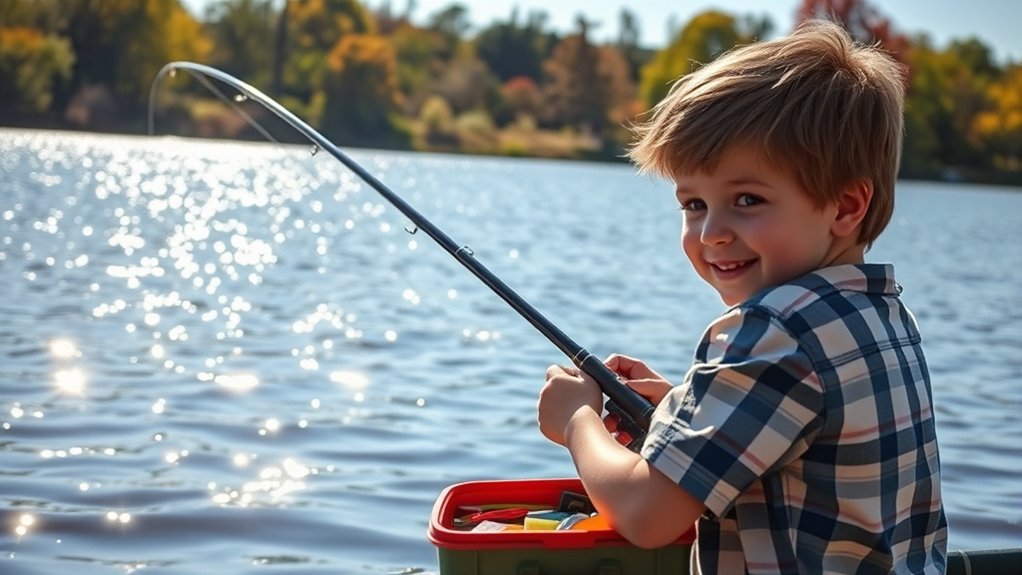
Knowing the license rules before a trip helps a young angler focus on fishing instead of worrying about a citation. It also teaches the practical side of responsible angling: checking seasons, identifying species, measuring fish correctly, following bag limits, and recording report-card activity when required.
License and report-card revenue supports fishery management and access programs. Young beginners can also learn through CDFW clinics and the Fishing in the City program, where staff and volunteers teach basic tackle use, fishing ethics, and conservation.
The best benefit is not the piece of paper itself. It is the habit of checking the rules before every trip. California regulations can differ by water, species, season, and emergency closure, so that habit protects both the angler and the resource.
Products Worth Considering
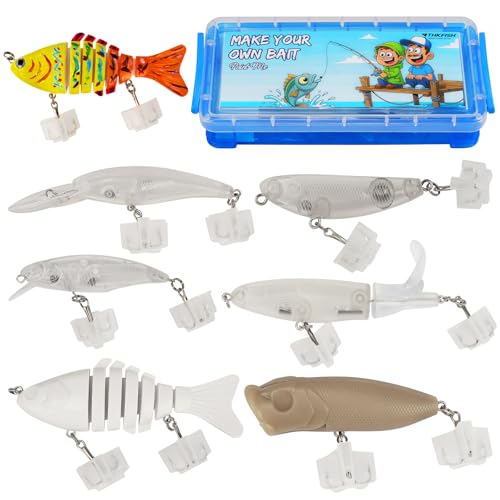
[Customizable Bait]: This DIY fishing lures set for kids will inspire their imagination, creativity, and hands-on skills! The set includes 6 different types of bait and a bait box, allowing children to design unique bait for any tackle box. Create your own bait set!

【Premium Fishing Tackle Kit】- TCMBY high-quality freshwater fishing tackle kit gives kids, boys, beginner or starter plenty of options to catch most of fish, like Trout, walleye, smallmouth Bass, Panfish, ect.

🚗 Package Content: You will receive 4 license plate screw fasteners with rhinestones, you can choose your favorite color. The size of the screw is 31.5mm x 19mm/1.2" x 0.7".
Additional Requirements for Youth Fishing
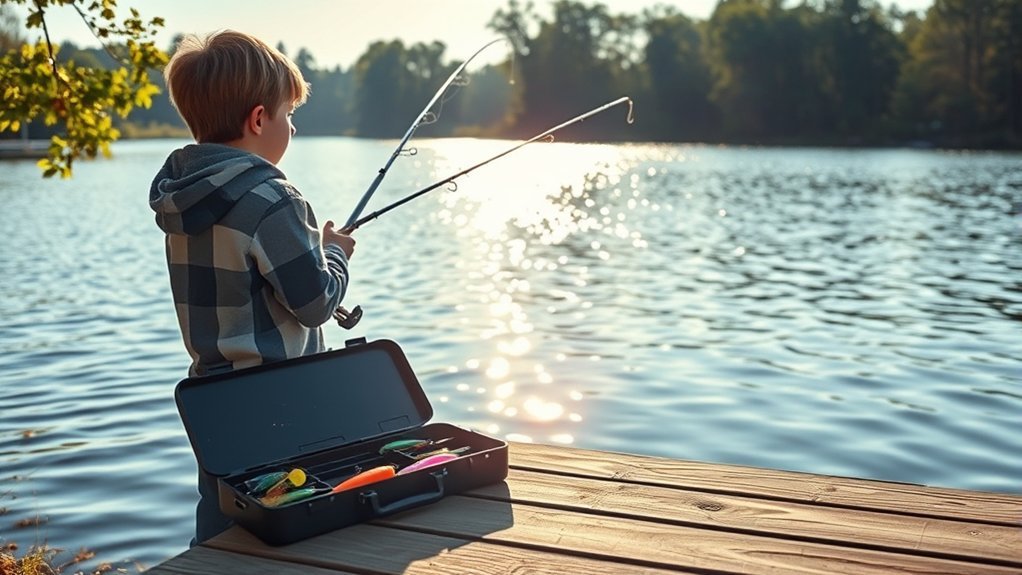
Report Cards Can Apply at Any Age
CDFW requires the appropriate report card for every person fishing for certain species, including anglers under 16, people fishing on a Free Fishing Day, and people fishing from a qualifying public ocean pier. Current report-card categories include:
- Steelhead in inland waters
- White sturgeon
- Salmon in the Smith, Klamath, and Trinity river systems
- California spiny lobster
- Red abalone if the fishery reopens; it is currently closed
Fill out each report card exactly as its instructions require and submit the report by the deadline, even when no fish were kept or no fishing occurred if the card’s rules require a report.
Catch-and-Release Fishing Still Counts
A person age 16 or older generally needs a license even when every fish will be released. California defines “take” to include attempting to catch a fish, so casting a line is enough to trigger the license rule unless an exemption applies. Species-specific report cards may also be required for catch-and-release fishing.
Adults May Supervise Without Fishing
An adult may accompany a child without buying a license if the adult only supervises and does not fish or attempt to take fish. Once the adult casts, works a line, or otherwise participates in taking fish, the adult generally needs a valid license unless a legal exemption applies. Adult supervision is a wise safety practice, but it is not a blanket statewide condition that makes a child’s license exemption valid.
Free Fishing Days Apply to Everyone
California’s 2026 Free Fishing Days are Saturday, July 4, and Saturday, September 5. On those dates, people of any age may fish without a sport fishing license. All other rules remain in effect, including report cards, seasons, closures, gear restrictions, fishing hours, and size and bag limits.
Public Ocean Pier Exemption
A sport fishing license is generally not required when angling from a qualifying public pier in California ocean waters. This exemption is not limited to youths, and it does not erase report-card requirements or other fishing rules. A private pier, ordinary dock, seawall, or inland pier may not qualify, so check the official definition before relying on this exemption.
Warning: Never rely on an old fee chart or a general statewide summary alone. Before each trip, check the current CDFW fishing regulations, in-season changes, emergency closures, and rules for the exact water you plan to fish.
Before-You-Go Checklist
- Confirm whether each angler is under 16 or age 16 and older on the fishing date.
- Check freshwater or ocean regulations for the exact location.
- Review species seasons, size limits, bag limits, and gear restrictions.
- Buy and carry any required report card or validation.
- Carry the sport fishing license in paper or approved digital form if required.
- Bring age-appropriate safety gear, sun protection, drinking water, and a properly fitted life jacket when boating.
Frequently Asked Questions
Can adults accompany youths without a license while fishing?
Yes. An adult may supervise without a fishing license as long as the adult does not fish or attempt to take fish. If the adult casts, handles the rod as part of catching fish, or otherwise fishes, a license is generally required unless an exemption applies.
Are fishing licenses required for catch-and-release fishing?
Yes for anglers age 16 or older unless an exemption applies. California’s definition of taking fish includes attempting to catch them, so releasing every fish does not remove the license requirement. A report card may also be required for certain species.
What are the age limits for youth fishing licenses in California?
California does not have a separate junior annual sport fishing license. Children under 16 generally do not need a sport fishing license. Beginning at age 16, the angler must buy a standard resident, nonresident, or short-term license unless an exemption applies.
Can a California fishing license be used in another state?
Usually not. Fishing licenses are issued under each state’s laws. Check the other state’s wildlife agency before fishing there. Limited boundary-water agreements may exist, such as rules for portions of the Colorado River, but they should not be treated as general interstate reciprocity.
Are there family discounts for multiple California fishing licenses?
CDFW does not list a standard family-package or multi-license discount for regular sport fishing licenses. Children under 16 usually do not need a sport fishing license, which reduces the cost for families with younger anglers.
Do children under 16 need fishing report cards?
Yes, when they fish for a species covered by a report-card rule. The age-based sport license exemption does not remove the requirement for a Steelhead, Sturgeon, North Coast Salmon, or Spiny Lobster Report Card.
Does a child need a license on a California Free Fishing Day?
No. Nobody needs a sport fishing license on a designated Free Fishing Day. Children under 16 already generally fish without one on other days, but report cards and all other regulations still apply.
Can a teen show a California fishing license on a phone?
Eligible sport fishing licenses and validations may be displayed through the official CDFW License App. Physical report cards must still be carried when required; an app screen or proof of purchase does not replace the card.
How long is a California annual fishing license valid?
A 365-day sport fishing license is valid for 365 consecutive days from the date of purchase. It no longer expires automatically on December 31.
Is a license required when fishing from a public pier?
A sport fishing license is generally not required when angling from a qualifying public pier in California ocean waters. Other rules still apply, including report-card requirements, and not every dock, jetty, or pier meets the legal definition.
Conclusion
For California youth fishing, the key age is 16. Children under 16 generally fish without a sport fishing license, while 16- and 17-year-olds buy the same standard licenses as adults. Before heading out, check the exact water and species rules, carry any required report card, and confirm current fees and closures. That preparation keeps the trip legal, safe, and focused on enjoying the water.
Sources
- California Department of Fish and Wildlife: Sport Fishing Licenses and Report Cards — 2026 fees, age threshold, license duration, report cards, and public-pier rules
- California Fish and Game Code section 7145 — legal requirement for anglers age 16 and older
- CDFW Free Fishing Days — 2026 dates and rules that remain in force
- CDFW Online License Sales FAQ — customer information, online purchasing, temporary documents, and possession requirements
- CDFW License App — digital display rules for licenses and validations
- CDFW Fishing and Hunting Regulations — current freshwater and ocean regulation booklets and updates
