
Last updated: September 7, 2026.
Rolex does not publish how much it costs to manufacture an individual Submariner, so there is no verified per-watch factory-cost figure. Online estimates should be treated as estimates, not Rolex-reported accounting data. What can be verified is the retail price: Rolex currently lists the Oystersteel Submariner ref. 124060 at $10,050 and the Submariner Date ref. 126610LN at $11,350 in the U.S., before applicable taxes.
The important distinction is between raw material cost, direct manufacturing cost, fully loaded factory cost, and retail price. Rolex does not publicly disclose the first three on a per-Submariner basis. The retail prices and technical specifications, however, can be checked directly against Rolex’s current U.S. catalog.
| Cost / Specification | What Can Be Verified | Status |
|---|---|---|
| Per-watch manufacturing cost | Rolex does not publicly disclose it. | Not publicly available |
| Submariner 124060 U.S. MSRP | $10,050 before applicable taxes | Verified from Rolex, Sept. 7, 2026 |
| Submariner Date 126610LN U.S. MSRP | $11,350 before applicable taxes | Verified from Rolex, Sept. 7, 2026 |
| Case / Water Resistance | 41 mm Oyster case; waterproof to 300 m / 1,000 ft | Verified from Rolex |
| Movement | Calibre 3230 in 124060; Calibre 3235 in 126610LN | Verified from Rolex |
| Power Reserve | Approximately 70 hours | Verified from Rolex |
This evidence-first approach is more useful than assigning precise dollar amounts to steel, labor, marketing, or dealer margin without access to Rolex’s internal accounts. For broader brand-level context, see our guide to how much it costs to make a Rolex.
Introduction To Rolex Submariner

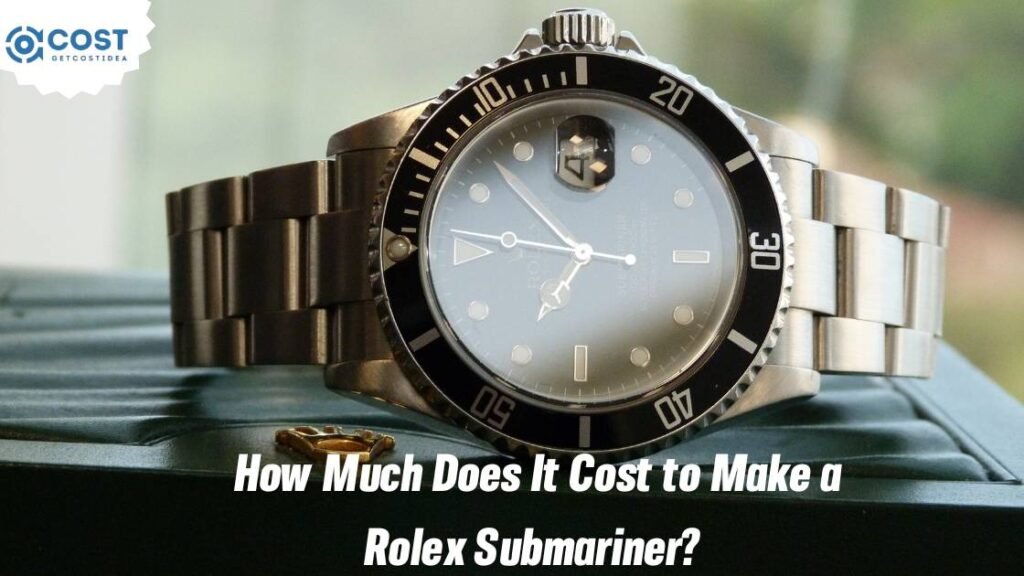
The Rolex Submariner is one of the best-known mechanical dive watches. Current Submariner and Submariner Date models use a 41 mm Oyster case, a unidirectional 60-minute bezel, a Cerachrom ceramic bezel insert, an Oyster bracelet, and water resistance to 300 metres (1,000 feet).

These Stanley MaxSteel straight aviation snips are built for clean, controlled cutting through sheet metal and other tough materials. Serrated cutting edges help prevent slippage for more accurate results, while the double pivot action delivers increased cutting power with less effort. Designed for dependable performance, they are a practical choice for metalworking, HVAC tasks, and general workshop use.

The DeLonghi Water Filter helps reduce scale buildup and unwanted impurities that can affect your coffee machine's performance and taste. Its active carbon and ion-exchange technology helps improve brew consistency, maintain flavor, and reduce the need for frequent descaling. Designed as an OEM authorized replacement part, it fits select DeLonghi models for reliable everyday maintenance.

This versatile Cuisinart cookware set provides essential pots and pans for everyday cooking, from sauces and soups to sautéing, simmering, and frying. The aluminum-encapsulated base promotes fast, even heating, while cool-grip handles and tight-fitting glass lids support comfortable, efficient cooking. Designed for broad compatibility, it is dishwasher safe and oven safe for flexible use across many recipes.
History And Legacy
Rolex launched the Submariner in 1953 as its first divers’ wristwatch waterproof to 100 metres (330 feet). Rolex introduced the Submariner Date in 1969. The modern versions are now waterproof to 300 metres (1,000 feet). You can review the model’s history on the official Rolex Submariner page.
That history matters to the manufacturing-cost question because today’s Submariner is not simply a steel case containing an off-the-shelf movement. Rolex produces the watch around proprietary materials, in-house movements, specialized finishing, assembly, testing, and quality-control standards.
Popularity And Demand
Rolex states that demand for some watches can exceed available supply and that Official Rolex Jewelers independently manage allocation and sales. Limited availability should not, however, be confused with manufacturing cost. Secondary-market premiums and waiting lists tell you about supply and demand, not what Rolex spends to produce one watch.
Key characteristics of the current Submariner include:
- Oystersteel: Rolex’s steel belongs to the corrosion-resistant 904L steel family.
- In-House Movements: Calibre 3230 powers the no-date 124060, while Calibre 3235 powers the 126610LN Date.
- Superlative Chronometer Standard: Rolex specifies precision of -2/+2 seconds per day after casing.
- Dive-Watch Construction: Current models are waterproof to 300 metres and use the Triplock winding-crown system.
Raw Materials
Raw materials contribute to the Submariner’s production cost, but Rolex does not publish a bill of materials or the dollar value of the materials used in one finished watch. That makes precise raw-material cost estimates impossible to verify from public information.
Metals And Alloys
Rolex uses Oystersteel for the case and bracelet of references 124060 and 126610LN. Rolex states that Oystersteel belongs to the 904L steel family and is selected for corrosion resistance and its ability to retain a high-quality finish.
Rolex also produces Submariner Date versions in 18 ct yellow gold, 18 ct white gold, and Yellow Rolesor, which combines Oystersteel and yellow gold. Rolex operates its own foundry for its 18 ct gold alloys. Precious-metal versions therefore have a very different material-cost profile from the steel models, but Rolex does not publish their per-watch material costs.
Gemstones And Ceramics
Current Submariner models use a scratch-resistant Cerachrom ceramic bezel insert. On the Oystersteel 124060 and 126610LN, Rolex specifies numerals and graduations coated in platinum. Gold versions can use gold-coated graduations instead.
The front crystal is scratch-resistant sapphire. The Submariner Date includes a Cyclops lens over its date window, while the no-date 124060 does not have a date display or Cyclops lens.
| Material | Role in Submariner | What Is Publicly Known |
|---|---|---|
| Oystersteel (904L family) | Case and bracelet on steel models | Material and properties are published; per-watch cost is not. |
| 18 ct Gold | Case and bracelet on selected Submariner Date versions | Rolex casts its own gold alloys; per-watch material cost is not disclosed. |
| Yellow Rolesor | Oystersteel and yellow-gold case/bracelet combination | Current Submariner Date configuration |
| Cerachrom Ceramic | Unidirectional bezel insert | Scratch-resistant ceramic used across current Submariner versions |
| Sapphire Crystal | Front crystal | Cyclops lens is fitted to the Date model, not the 124060 no-date model. |
Manufacturing Process
Rolex uses a vertically integrated Swiss manufacturing system for its watches. Public Rolex material describes specialized production for movements, cases, bracelets, dials, materials, assembly, and testing. The company does not publish the cost allocated to each stage for an individual Submariner. Explore the official Rolex Submariner specification portal for current technical specs.
Case And Bracelet Construction
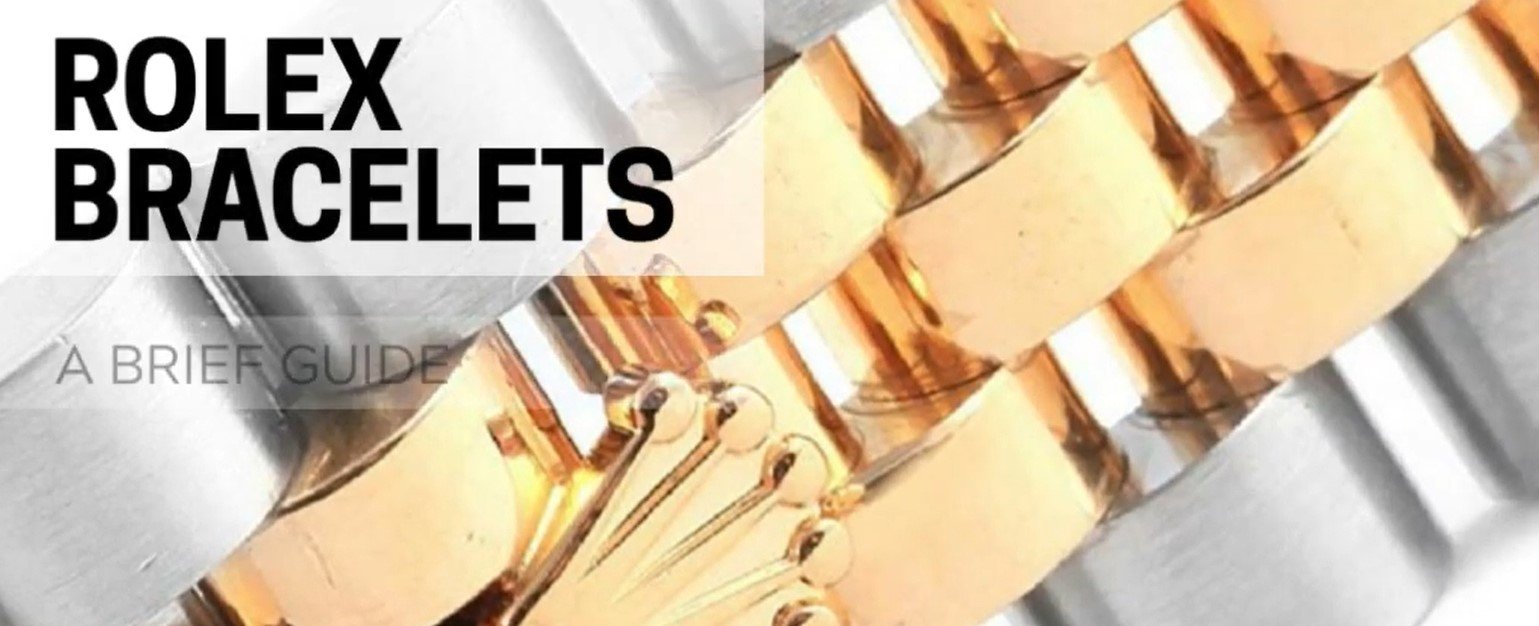
The current Submariner’s Oyster case uses a monobloc middle case, screw-down case back, and screw-down Triplock winding crown. Its steel versions use Oystersteel, while selected Submariner Date references use yellow gold, white gold, or Yellow Rolesor.
The Oyster bracelet uses three-piece solid links and an Oysterlock safety clasp. Current Submariner models also use Rolex’s Glidelock extension system, allowing bracelet adjustment without a tool.
| Component | Current Specification | Manufacturing-Cost Status |
|---|---|---|
| Oyster Case | 41 mm; Oystersteel or precious-metal configuration depending on reference | Per-unit machining and finishing cost not disclosed |
| Oyster Bracelet | Three-piece solid links with Oysterlock and Glidelock | Per-unit production cost not disclosed |
Movement Architecture And Assembly
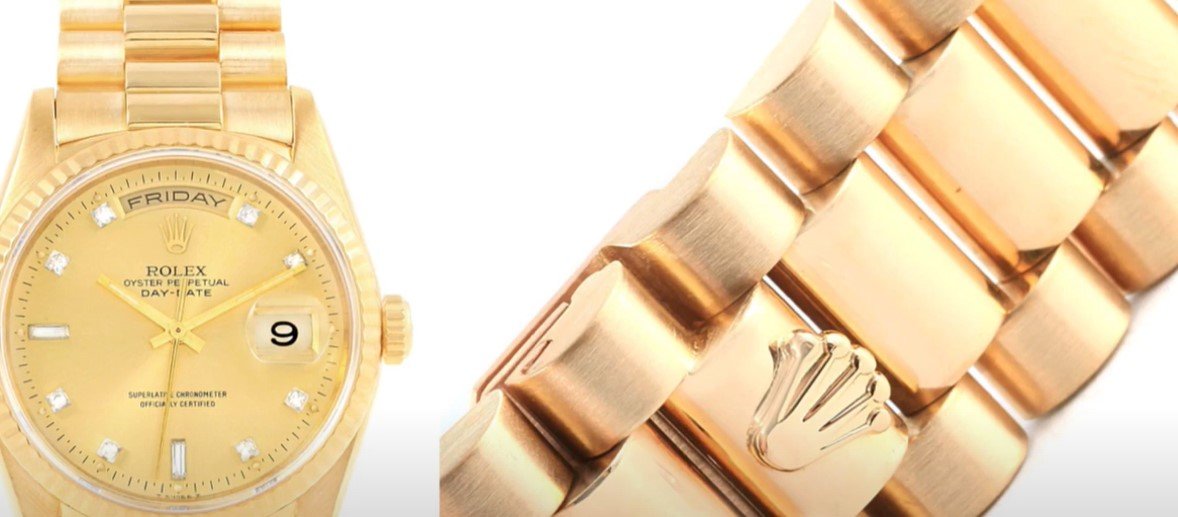
The movement is another major production element. The current no-date Submariner 124060 uses Calibre 3230. The Submariner Date 126610LN uses Calibre 3235, which adds an instantaneous date function with rapid setting.
Rolex specifies several shared movement features:
- Chronergy Escapement: Designed for high energy efficiency.
- Blue Parachrom Hairspring: A paramagnetic hairspring used in the oscillator.
- Paraflex Shock Absorbers: High-performance shock protection for the oscillator.
- Power Reserve: Approximately 70 hours for both Calibre 3230 and 3235.
Rolex certifies the completed watch as a Superlative Chronometer after casing. The finished watch is rated to -2/+2 seconds per day and is also tested for waterproofness, self-winding performance, and power reserve.
Research And Development
Research, tooling, testing equipment, production facilities, and movement development are real business costs, but Rolex does not disclose how much of those expenses it assigns to each Submariner. Any precise per-watch R&D percentage therefore remains an estimate unless supported by internal Rolex accounting.
Innovation And Engineering
The current Submariner uses Rolex’s Triplock triple waterproofness system, a screw-down winding-crown design used on the brand’s diving watches. Together with the Oyster case architecture, it supports the current Submariner’s 300-metre (1,000-foot) waterproofness rating.
This distinction matters when estimating manufacturing cost: a buyer is paying for a finished system that includes case engineering, sealing, movement integration, quality control, and testing—not merely the commodity value of the metal.
Quality Control And Testing
Rolex uses two levels of chronometer verification:
- COSC Certification: The movement receives official Swiss chronometer certification.
- Rolex Superlative Chronometer Testing: Rolex then tests the completed, cased watch to its own criteria. Current Submariner specifications state a precision of -2/+2 seconds per day after casing.
Rolex states that its completed watches undergo additional checks covering precision, waterproofness, self-winding, and power reserve. Those processes add real manufacturing overhead, but Rolex does not disclose their per-watch dollar cost.
Labor Costs
Labor is another cost that cannot be isolated accurately from public Rolex data. The company combines automated manufacturing with skilled human assembly, finishing, inspection, regulation, and servicing.
Skilled Workforce Roles
Production depends on specialists working at different stages of the watchmaking process:
- Watchmakers: Assemble, regulate, inspect, and service mechanical movements.
- Polishers and Finishers: Produce the brushed and polished finishes required on cases and bracelets.
- Quality-Control Specialists: Check precision, waterproofness, function, and aesthetic quality.
| Specialist Role | Primary Production Function |
|---|---|
| Watchmakers | Movement assembly, regulation, inspection, casing, and servicing functions |
| Quality-Control Technicians | Functional, chronometric, waterproofness, and final quality checks |
Swiss labor clearly contributes to production cost, but no authoritative public source provides a reliable dollar amount for the labor contained in one Submariner.
Marketing And Branding
Rolex maintains global advertising, sporting, cultural, and exploration partnerships. These expenses help support the brand and its commercial operations, but they should not be confused with the direct factory cost of machining and assembling one Submariner.

This versatile cookware set equips home cooks with essential pots, pans, and a steamer insert for everyday meals and larger gatherings. The aluminum-encapsulated base promotes quick, even heating, while Cool Grip handles and tight-fitting glass lids support comfortable, controlled cooking. Designed for stovetop, oven, broiler, and dishwasher use, it offers reliable performance across a wide range of recipes.

MuscleTech Platinum Pure Creatine Monohydrate Powder is a micronized, unflavored creatine supplement designed to support strength, muscle gains, and workout performance. Each serving delivers a 5g dose with ultra-pure, HPLC-tested formula quality for easy mixing and trusted daily use. It contains no fillers or sugar and can be added to beverages or shakes to help simplify your supplement routine.

Aegend Swim Goggles are designed to help swimmers enjoy a clear, comfortable, and secure fit in the pool. Built for adults and youth, they aim to reduce leaking and provide full eye protection for training, recreation, and water sports. Their versatile design makes them a practical choice for men and women looking for dependable swim eyewear.
Why Marketing Cannot Be Turned Into a Reliable Per-Watch Percentage
A company’s annual marketing expense can be allocated across products in many ways. Rolex does not publish a model-level accounting statement showing how much advertising expense is assigned to each 124060 or 126610LN. Claims that a fixed percentage of every Submariner’s MSRP represents marketing should therefore be treated as estimates rather than verified facts.
Sponsorships And Global Visibility
Rolex is associated with major sporting, cultural, and exploration activities. These programs contribute to global brand visibility, but public sponsorship activity does not reveal the manufacturing cost of an individual watch.
Distribution And Retail Dynamics
Rolex sells new watches through its network of Official Rolex Jewelers. The retail price shown to a consumer is not the same thing as Rolex’s manufacturing cost, and the difference between the two should not automatically be described as Rolex profit.
Retail Price Is Not Manufacturing Cost
MSRP can reflect much more than materials and assembly. It exists within a commercial system that includes production facilities, research, testing, warranty obligations, distribution, retail operations, taxes, and corporate expenses. Rolex does not publish a Submariner-specific cost statement showing the exact allocation of those items.
Dealer Margin Claims Require Caution
Third-party discussions often quote percentage estimates for authorized-dealer margins. Rolex does not publish a current Submariner dealer-margin percentage for consumers, so a precise percentage should not be presented here as an official fact.
Maintenance And Service
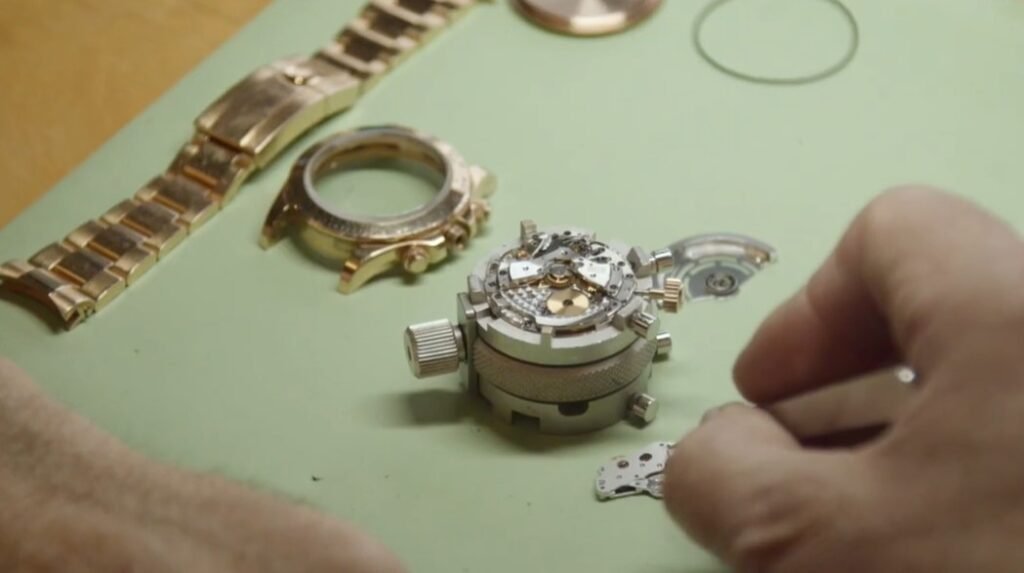
Service cost is an ownership expense rather than part of the original manufacturing cost, but it matters when comparing a Submariner’s purchase price with its long-term cost of ownership.
Warranty Coverage & Service Intervals
New Rolex watches purchased from an Official Rolex Jeweler include a five-year international guarantee. Rolex also recommends servicing a watch approximately every 10 years, depending on the model and real-life usage. After a complete official service, Rolex provides a two-year international service guarantee covering replacement parts and labor.
| Service Item | Current Rolex Guidance | Cost |
|---|---|---|
| Complete Service | Watch is assessed; movement, case, bracelet, seals and performance are serviced as required | Quoted after inspection; varies by watch condition and required work |
| Recommended Interval | Approximately every 10 years depending on model and real-life usage | Not a fixed recurring price |
| Service Guarantee | Two years after a complete official service | Included with qualifying complete service |
For current guidance, see Rolex’s watch care and service FAQ and official servicing procedure.
Long-Term Maintenance Recommendations
Rolex recommends basic care that helps protect waterproofness and appearance:
- Rinse the watch with fresh water after wearing it in the sea to remove salt and sand.
- Ensure the winding crown is screwed down properly before exposing the watch to water.
- Have servicing and waterproofness concerns evaluated by an Official Rolex Jeweler or Service Center.
Manufacturing Cost vs Retail Price: What the Numbers Mean
The most reliable way to analyze the Submariner’s economics is to separate numbers Rolex publishes from numbers it keeps private. MSRP is observable. A per-watch manufacturing cost is not.
| Item | Submariner 124060 | Submariner Date 126610LN |
|---|---|---|
| Current U.S. MSRP | $10,050 before tax | $11,350 before tax |
| Case | 41 mm Oystersteel | 41 mm Oystersteel |
| Movement | Calibre 3230 | Calibre 3235 |
| Date Function | No | Yes, with Cyclops lens |
| Water Resistance | 300 m / 1,000 ft | 300 m / 1,000 ft |
| Approx. Power Reserve | 70 hours | 70 hours |
| Verified Per-Watch Manufacturing Cost | Not publicly disclosed | Not publicly disclosed |
The $1,300 retail-price difference between these two U.S. references does not prove that the Date model costs $1,300 more to manufacture. Retail pricing and incremental manufacturing cost are separate concepts. Rolex does not publish the internal cost difference between Calibre 3230 and Calibre 3235 or between the two completed watches.
You can verify the latest published prices and specifications directly on Rolex’s pages for the Submariner 124060 and Submariner Date 126610LN.
Frequently Asked Questions
How much does it cost to make a Rolex Submariner?
Rolex does not publish the manufacturing cost of an individual Submariner, so there is no verified per-watch factory-cost figure. Online production-cost estimates should be treated as estimates rather than Rolex-reported data.
How much is a new Rolex Submariner at retail?
As checked on September 7, 2026, Rolex lists the Oystersteel Submariner reference 124060 at $10,050 USD and the Oystersteel Submariner Date reference 126610LN at $11,350 USD in the United States, before applicable taxes.
Why is a Rolex Submariner’s retail price much higher than its raw material cost?
Raw material value is only one part of manufacturing and retail economics. A finished Submariner also involves precision machining, movement production, assembly, finishing, testing, research and tooling, factory overhead, warranty support, distribution, and brand operations. Rolex does not publicly disclose the per-watch allocation of those costs.
What movements are used in the current Rolex Submariner?
The Oystersteel Submariner reference 124060 uses Calibre 3230. The Submariner Date reference 126610LN uses Calibre 3235, which adds the date function. Rolex specifies an approximately 70-hour power reserve for both.
How often should a Rolex Submariner be serviced?
Rolex recommends servicing its watches approximately every 10 years, depending on the model and real-life usage. Rolex does not publish one universal service price; the watch is assessed and an estimate is provided before the work begins.
Conclusion
No public evidence establishes an exact manufacturing cost for a Rolex Submariner. The defensible answer is therefore not a precise factory-cost estimate: Rolex keeps that information private. What buyers can verify are the current retail prices, materials, movements, specifications, testing standards, warranty, and service guidance.
As of September 7, 2026, the U.S. MSRP is $10,050 for the Oystersteel Submariner 124060 and $11,350 for the Oystersteel Submariner Date 126610LN, before applicable taxes. Use those verified figures as the retail baseline, and treat unsupported claims about Rolex’s per-watch material cost, labor cost, dealer margin, or profit as estimates unless a reliable source provides the underlying accounting.

Shadazzle Natural All Purpose Cleaner and Polish is a versatile cleaning paste designed to help lift everyday grease, grime, and residue while leaving washable surfaces polished and refreshed. It works on cookware, glass, ceramic, stainless steel, sinks, stovetops, and shower glass, making it a convenient choice for routine household cleaning. The lemon scent adds a fresh finish, and the concentrated formula is used sparingly for long-lasting value.

This kid-friendly cookbook helps young chefs build confidence in the kitchen with more than 100 recipes designed for fun, learning, and delicious results. Created by America's Test Kitchen Kids, it offers approachable instructions, helpful guidance, and a wide range of dishes that make cooking and eating an engaging family activity.

This compact automatic bread maker lets you bake fresh homemade bread with ease, offering 12 preprogrammed settings and customizable loaf sizes and crust colors. It can also mix, knead, and bake a variety of doughs and treats, including cakes, pizza, jams, and sauces, while the delay-start timer and keep-warm function add everyday convenience.
