As an Amazon Associate, we may earn from qualifying purchases. This article contains affiliate links at no extra cost to you.
Last updated: August 10, 2026. Product labels, packaging, and availability can change, so confirm the current directions before use.
You rely on a clear windshield to spot hazards and react quickly. The right windshield washer fluid should clean road film, bugs, salt, and everyday grime without leaving distracting streaks, while also matching your climate and how much mixing you are willing to do.
This guide compares three different use cases: a summer cleaning concentrate, a high-yield concentrate, and a ready-to-use winter de-icer. That makes the choice easier than treating every washer fluid as interchangeable.
Quick Verdict
- SONAX ClearView: Best fit for warm-weather drivers who want a concentrated cleaner with a 1:100 mix ratio and strong plastic/headlamp compatibility.
- Sanco AquaCharge: Best fit for households, frequent refillers, or fleets that want very high yield from one 32-ounce bottle.
- Prestone De-Icer: Best fit for freezing conditions when you want a ready-to-use winter fluid with deep freeze protection.
Top Picks
|
Category |
Product |
Best For |
|---|---|---|
|
🏆 Best Summer Concentrate |
Warm-weather cleaning and high concentration |
|
|
💰 Best High-Yield Value |
Frequent refills, multiple vehicles, or fleet use |
|
|
❄️ Best Winter De-Icer |
Freezing weather, frost, road salt, and winter grime |
Selection Criteria
We prioritized the factors that change the buying decision: cleaning performance, streak control, dilution or ready-to-use format, stated freeze protection, compatibility claims, ease of preparation, and overall yield. Climate matters most. A summer concentrate can be economical and effective in warm weather but may be unsuitable when temperatures fall below freezing, while a winter de-icer is designed around cold-weather visibility rather than maximum concentrate yield.
Safety Note: Use washer fluid only as directed on the product label and in your vehicle owner’s manual. For freezing weather, choose a fluid rated for your expected temperature or follow the manufacturer’s winter-blending directions exactly.
SONAX ClearView

SONAX ClearView is the most concentrated warm-weather option in this roundup. The manufacturer specifies a 1:100 dilution, and the formula is designed to remove insects, oily film, road grime, and other windshield contamination while remaining compatible with common automotive plastics and headlamp diffusers.
Its biggest advantage is efficiency: you store a small bottle instead of multiple premixed jugs. The tradeoff is that it requires measuring and mixing, and this version is intended for summer use rather than frost protection.
Buyer Feedback Snapshot
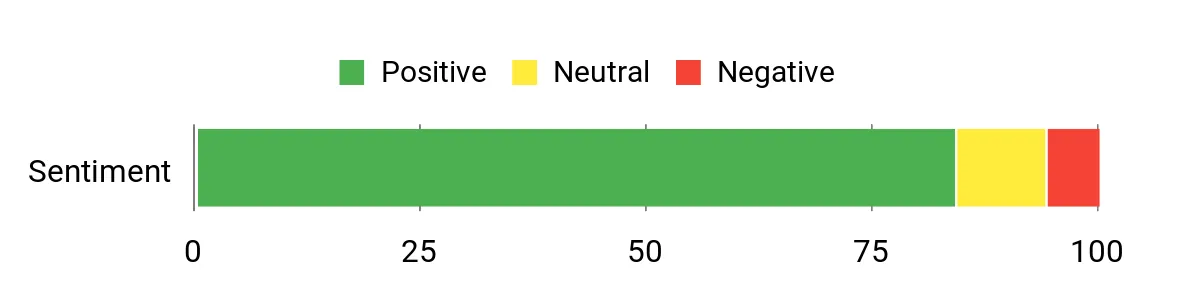
The review snapshot already included with this roundup mainly highlights cleaning performance, low product use per refill, and easy mixing. Packaging complaints also appear in the source feedback.
Historical sentiment snapshot: Mostly positive in the source dataset; current marketplace feedback may differ.
|
Pros |
Cons |
|---|---|
|
✅ Effective at removing bugs, oil and road film |
❌ Requires measuring and mixing before use |
|
✅ 1:100 concentrate keeps storage needs low |
❌ Summer formula is not intended for frost protection |
|
✅ Compatible with plastics and high-quality headlamp diffusers |
|
|
✅ Anti-lime formula can be mixed with hard water |
Who Should Buy This
Choose SONAX ClearView if you drive mainly in above-freezing conditions, want to minimize storage space, and do not mind measuring concentrate before filling the reservoir. It is also a strong fit if your vehicle uses fan-jet washer nozzles or you regularly mix with hard tap water.
Who Should Avoid This
Skip this version if you need dependable winter freeze protection or prefer a pour-and-go product. In freezing climates, use a washer fluid specifically rated for the expected temperature.
Key Benefits
- 1:100 concentrate for high yield from a compact bottle
- Targets insects, oil, grime, silicone film, and road residue
- Compatible with plastics and high-quality headlamp diffusers
- Suitable for fan-jet nozzles and hard-water mixing
- Fresh fragrance
Before You Buy: This is a summer concentrate. Protect it from frost and follow the bottle’s dosing directions rather than estimating the mix.
Check Product Details on Amazon
Sanco AquaCharge
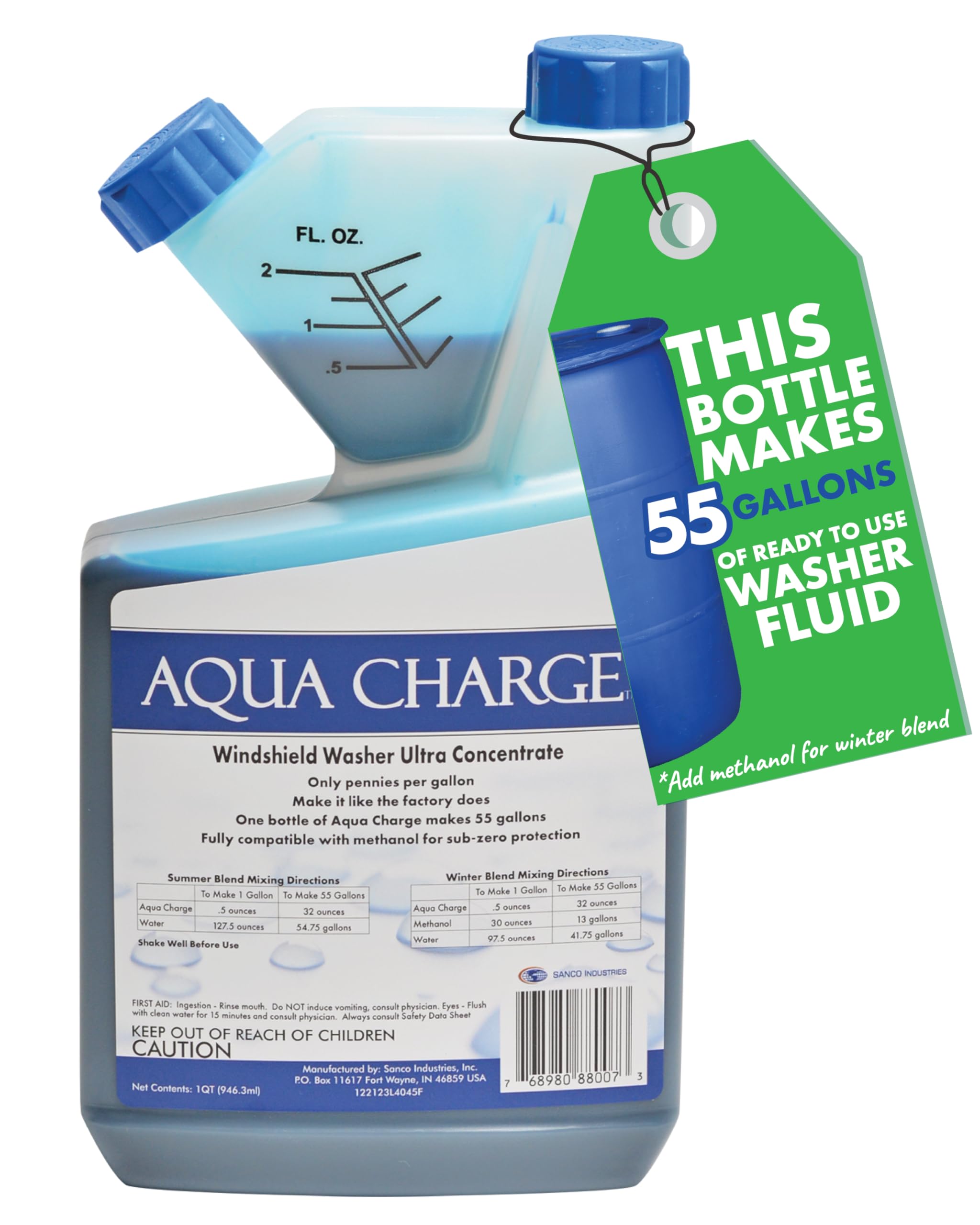
Sanco AquaCharge is the volume-value option. The 32-ounce concentrate is marketed to make up to 55 gallons of finished washer fluid, which can make sense for multi-vehicle households, frequent refillers, and fleet use.
The important limitation is cold weather: the standard finished mixture is not a winter-ready de-icer. If freezing temperatures are possible, use a properly temperature-rated washer fluid or follow AquaCharge’s manufacturer directions for winter blending exactly rather than improvising a mix.
Buyer Feedback Snapshot
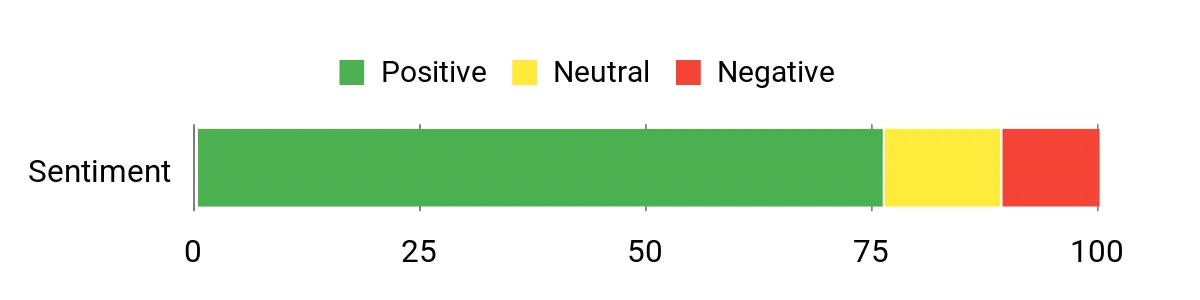
The review snapshot included with this roundup mainly emphasizes high yield, value per prepared gallon, and acceptable everyday cleaning when mixed correctly. The source feedback also notes the strong blue dye and the need for careful measuring.
Historical sentiment snapshot: Mostly positive in the source dataset; current marketplace feedback may differ.
|
Pros |
Cons |
|---|---|
|
✅ One 32-ounce bottle makes up to 55 gallons |
❌ No measuring cup included—requires careful dosing |
|
✅ Effective cleaning once diluted properly |
❌ Heavy blue dye can stain containers or clothing |
|
✅ Ammonia-free and unscented |
❌ Standard mix is not suitable for freezing conditions |
|
✅ Works with tap water for convenience |
Who Should Buy This
Choose AquaCharge if you refill washer reservoirs often, maintain several vehicles, or want to store one concentrate instead of many ready-to-use jugs. It is especially attractive when your main goal is high finished-fluid yield.
Who Should Avoid This
Skip it if you want a simple pour-and-go product or if freezing weather is common and you do not want to manage a manufacturer-approved winter blend. A ready-to-use winter fluid is the easier choice for cold climates.
Key Benefits
- Up to 55 gallons of finished fluid from one 32-ounce bottle
- Concentrated format reduces storage space compared with premixed jugs
- Ammonia-free and unscented formula
- Designed for everyday windshield cleaning when mixed correctly
- Useful for multi-vehicle households and frequent refillers
Before You Buy: Measure carefully and check the label for the correct preparation ratio. The normal mixture is not a substitute for a temperature-rated winter washer fluid.
Check Product Details on Amazon
Prestone De-Icer

Prestone De-Icer is the purpose-built winter option in this roundup. It is a ready-to-use washer fluid designed to melt light ice and frost, remove winter salt and grime, and resist refreeze in very cold conditions.
Prestone states deep-freeze protection down to -34°F and describes the formula as streak- and glare-free and safe for rain-sensing windshield wipers. That makes it the simplest choice here for drivers who want winter protection without measuring a concentrate.
Buyer Feedback Snapshot
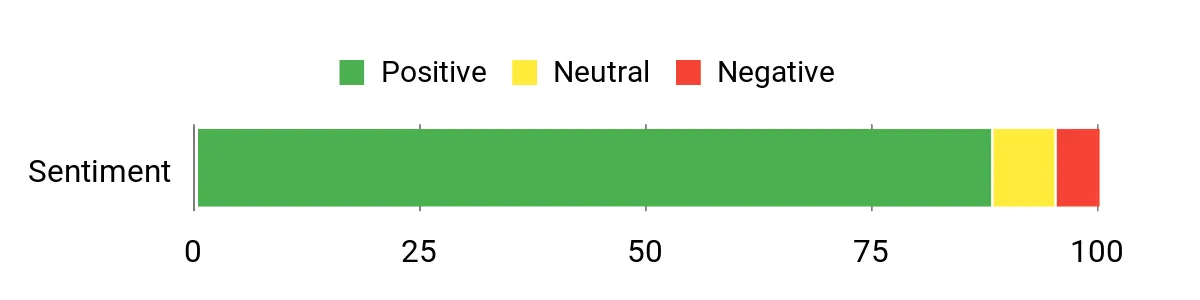
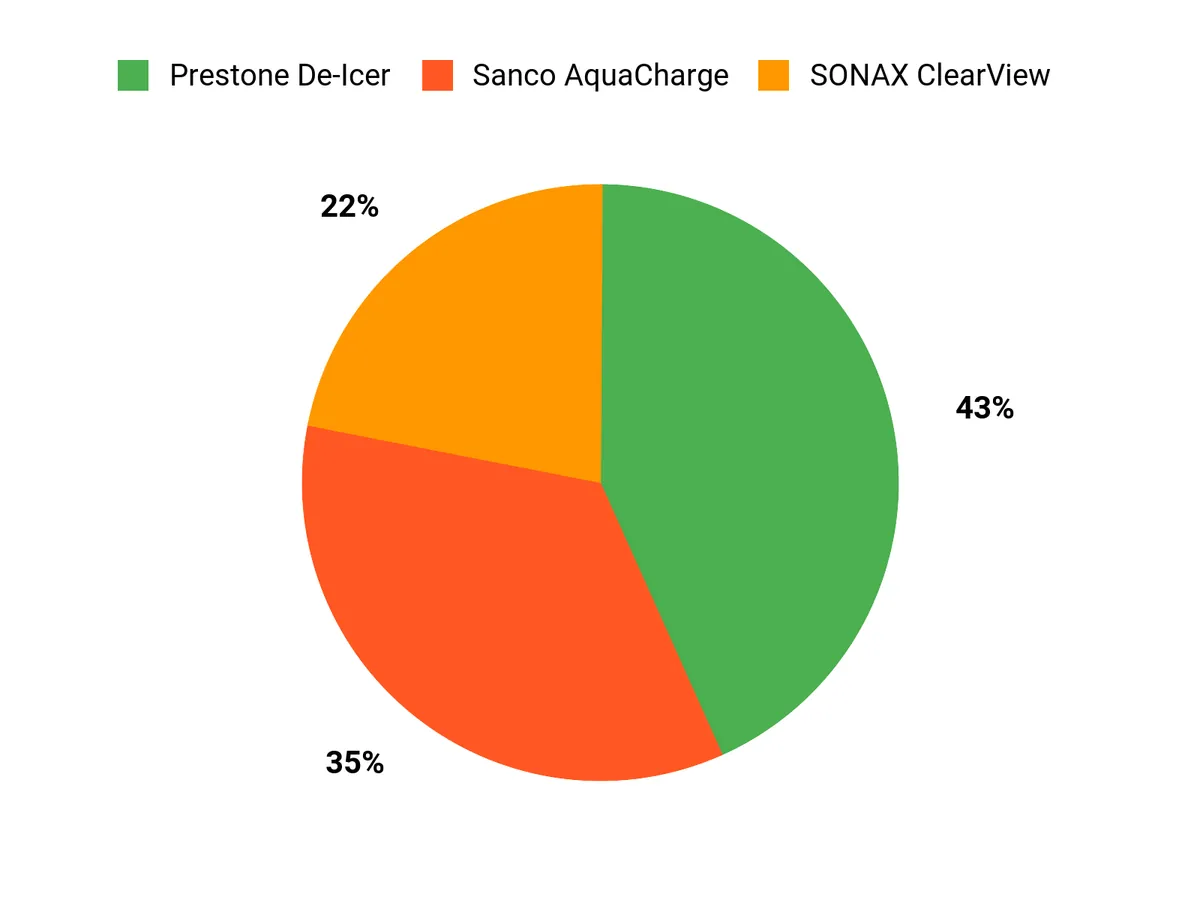
The review snapshot included with this roundup mainly highlights winter de-icing, reduced refreeze, and straightforward pour-and-go use. Because marketplace feedback changes over time, treat the chart below as a historical snapshot rather than a current review score.
Historical sentiment snapshot: Mostly positive in the source dataset; current marketplace feedback may differ.
|
Pros |
Cons |
|---|---|
|
✅ Ready-to-use winter formula with -34°F protection |
❌ Specialized for winter rather than maximum summer bug-cleaning value |
|
✅ Formulated to help prevent windshield refreeze |
❌ One-gallon container can be bulky to store for occasional users |
|
✅ Clears salt and grime without streaking |
|
|
✅ Compatible with rain-sensing windshields |
Who Should Buy This
Choose Prestone De-Icer if you routinely drive in freezing temperatures and want a ready-to-use product with a clearly stated cold-weather rating. It is the easiest option here for winter commuting because no dilution is required.
Who Should Avoid This
Skip it if your climate stays warm year-round and your priority is maximum concentrate yield or compact storage. A summer concentrate will usually be more space-efficient for those needs.
Key Benefits
- Deep-freeze protection rated down to -34°F
- Designed to melt light ice and frost and help prevent refreeze
- Power-cleans winter salt and grime
- Streak- and glare-free formula
- Safe for rain-sensing windshield wipers
Before You Buy: This is the winter specialist of the three. Check the current label before use because packaging, directions, and temperature claims can change over time.
Check Product Details on Amazon
Buying Guide: How to Choose Windshield Washer Fluid
Match the Fluid to Your Climate
Start with temperature. If freezing weather is possible, choose a washer fluid with a clearly stated freeze-protection rating that covers the temperatures you expect. Summer concentrates are better suited to above-freezing use unless the manufacturer provides a specific winter-blending method.
Decide Between Concentrate and Ready-to-Use Fluid
Concentrates save storage space and can lower the amount of packaging you keep on hand, but they require accurate measuring. Ready-to-use fluids are faster and simpler because you can pour them directly into the reservoir.
Check Compatibility and Directions
Read the product label and your vehicle owner’s manual, especially if your vehicle uses rain-sensing wipers, fan-jet nozzles, specialty headlamps, or sensitive exterior finishes. Do not assume that one fluid’s compatibility claims apply to every washer-fluid formula.
Think About Refill Frequency
If you maintain several vehicles or use washer fluid often, high-yield concentrate can be convenient. If you refill only occasionally, a ready-to-use gallon may be simpler even if it takes more storage space.
FAQ
How Do I Mix And Use A Concentrate?
Follow the label ratio exactly because washer-fluid concentrates vary. Measure the concentrate, add the specified amount of water, and use a clean container or the method described by the manufacturer. SONAX ClearView uses a 1:100 ratio; AquaCharge uses its own preparation directions, so do not assume the same ratio applies to both.
Can I Use Tap Water With A Concentrate?
It depends on the product. SONAX specifically states that its ClearView concentrate can be mixed with hard water because of its anti-lime properties. For other concentrates, follow the label and use distilled or demineralized water if the manufacturer recommends it.
Will Washer Fluid Harm My Windshield Or Headlights?
Use the compatibility statements on the specific product label rather than assuming every washer fluid is safe for every material. SONAX lists compatibility with automotive plastics and high-quality headlamp diffusers, while Prestone states that its De-Icer is safe for rain-sensing windshield wipers. If your vehicle has specialty coatings or materials, check the vehicle and coating manufacturer’s guidance before use.
Which Fluid Should I Use In Winter?
Choose a washer fluid with a stated freeze-protection rating for the temperatures you expect. In this roundup, Prestone De-Icer is the dedicated ready-to-use winter option. SONAX ClearView is a summer concentrate, and AquaCharge’s standard mix is not winter-ready, so cold-weather users should not treat those products as direct substitutes for a rated winter fluid.
Can I Mix Different Washer Fluids Together?
It is better to follow the product and vehicle manufacturer directions instead of assuming two formulas are compatible. If you are changing fluid types for the season, use up or drain the old fluid as appropriate and refill with the new product according to the label.
Customer Preferences
The easiest way to choose is by use case. Pick SONAX ClearView when you want a compact summer concentrate with a 1:100 ratio and broad plastic/headlamp compatibility. Pick Sanco AquaCharge when finished-fluid yield matters most and you are comfortable measuring a concentrate. Pick Prestone De-Icer when freezing weather is the priority and you want a ready-to-use product with a clearly stated cold-weather rating.
Wrapping Up
There is no single best washer fluid for every driver. SONAX ClearView makes the most sense for warm-weather drivers who want a concentrated cleaner with a small storage footprint. Sanco AquaCharge is the high-yield choice for frequent refillers and multi-vehicle use.
For freezing temperatures, Prestone De-Icer is the clearest fit because it is designed for winter use and carries a stated -34°F protection rating. Match the fluid to your climate first, then decide whether concentrate efficiency or ready-to-use convenience matters more.
Final Recommendation: Warm climate and compact storage: SONAX. Maximum yield: Sanco. Freezing weather: Prestone.
| SONAX Clear View Concentrate 271141 | Sanco Industries Aqua Charge | Prestone AS250 De-Icer | |
|---|---|---|---|
|
|
|
|
|
| Best For | Warm-weather cleaning | High-yield frequent refills | Winter driving and de-icing |
| Preparation | 1:100 concentrate; 250 ml yields about 25 liters | 32-ounce concentrate makes up to 55 gallons | Ready to use; no dilution required |
| Cold-Weather Use | Summer formula; protect from frost | Standard mix is not winter-ready | Rated to -34°F |
| Special Highlights |
|
|
|
| Check Product Details on Amazon | Check Product Details on Amazon | Check Product Details on Amazon |
This roundup is reader-supported. As an Amazon Associate, we may earn from qualifying purchases made through eligible links.