
You want reliable performance, smoother starts and fewer fuel-system problems. The best fuel additive is the one that matches your fuel type and the problem you are actually trying to solve. Depending on the formula, an additive may help clean fuel-system deposits, reduce gum and varnish, stabilize stored fuel, improve diesel lubricity or raise octane. Any mileage, power or drivability improvement is most likely when deposits, fuel quality or insufficient octane are genuinely limiting the engine.
Quick answer: Choose Red Line SI-1 for concentrated gasoline fuel-system cleaning, Lucas Fuel for high-volume routine treatment, Star Tron for storage and ethanol-related fuel concerns, Opti-Lube XPD for diesel trucks, STA-BIL 360 for marine gasoline, Helix 5-in-1 for mixed gasoline equipment and Torco Accelerator only when a gasoline engine or tune specifically calls for higher octane.
Affiliate disclosure: This roundup is reader-supported. When you click through qualifying Amazon links, we may earn a referral commission at no extra cost to you.
Freshness note: Product positioning and usage guidance were checked against current manufacturer information. Retailer pricing, packaging and availability can change.
Top Picks
|
Category |
Product |
Primary Use |
|---|---|---|
|
🔧 Best for Routine Use |
Routine treatment |
|
|
🎯 Best Concentrated Gasoline Cleaner |
Deposit cleaning |
|
|
🔰 Best for Storage & Ethanol Concerns |
Storage / ethanol concerns |
|
|
🚚 Best All-Season Diesel Additive |
Diesel lubricity / cold weather |
|
|
⭐ Best Multi-Purpose Gasoline Treatment |
Gasoline equipment / storage |
|
|
🌊 Best for Marine |
Marine gasoline protection |
|
|
🚀 Best Octane Booster |
Octane increase |
Selection Criteria
You need an additive that matches a specific problem rather than a bottle that promises to do everything. We prioritized fuel-system cleaning, storage stability, ethanol-related fuel management, diesel lubricity and cetane support, cold-weather diesel protection, marine use and true octane-boosting applications.
We also weighed dose, bottle size, fuel compatibility, ease of use, safety cautions and how clearly each manufacturer defines the product’s intended job. Retailer ratings, review counts, prices and category ranks can change quickly, so they are not used as fixed decision criteria here. Labels such as “best” refer to the use case described in this roundup, not to a universal performance ranking.
Before You Buy
- Match the additive to your fuel type: gasoline, diesel and marine formulas are not always interchangeable.
- Pick by problem: choose a cleaner for deposits, a stabilizer for storage, anti-gel support for diesel winter use or an octane booster for performance tuning.
- Follow the label dose: use the manufacturer’s current directions instead of assuming that more additive is better.
- Check engine design and compatibility: a tank additive can only clean areas the treated fuel reaches, so follow the product label and your vehicle manual for the correct application.
- Do not expect mechanical repairs: additives can help with fuel-related issues, but they cannot fix worn injectors, failed sensors, bad plugs or engine damage.
Safety Note
Fuel additives are chemicals. Follow the product label and safety data, avoid skin and eye contact, keep products away from children and ignition sources, and use them only in the fuel types and applications the manufacturer specifies.
Lucas Fuel
Best for: high-volume routine fuel-system cleaning and lubrication when you want one large bottle for repeated use.
Skip if: you want the most concentrated one-tank cleaner or a dedicated storage stabilizer.

You’ll like this as a straightforward routine treatment focused on cleaning and lubricating the fuel system. The large one-gallon format makes the most sense when you maintain several vehicles or pieces of equipment and want a repeat-use product rather than a one-time concentrated cleaner. Lucas currently recommends 2–3 ounces per 10 gallons of gasoline or diesel, with the one-gallon bottle treating up to 400 gallons at the stated rate.
Use it for ongoing maintenance, not as a promise to cure rough running or poor fuel economy. If a dirty injector or fuel-system deposit is contributing to the problem, cleaning may help; mechanical faults still need proper diagnosis and repair. Worn or fouled spark plugs are a separate ignition issue.
Source Feedback Snapshot
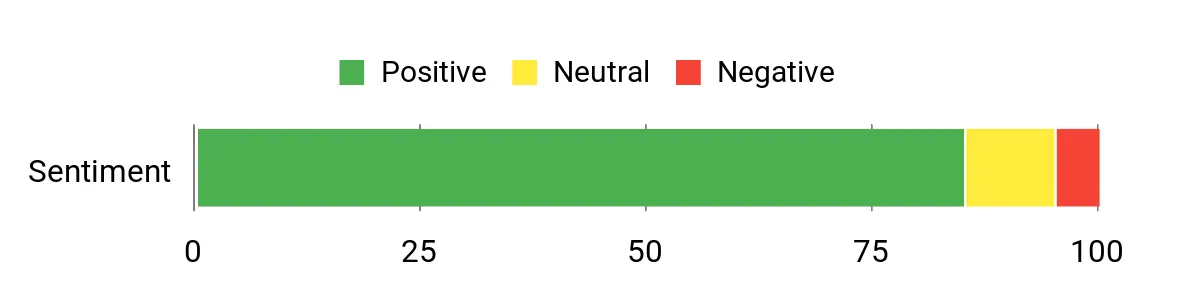
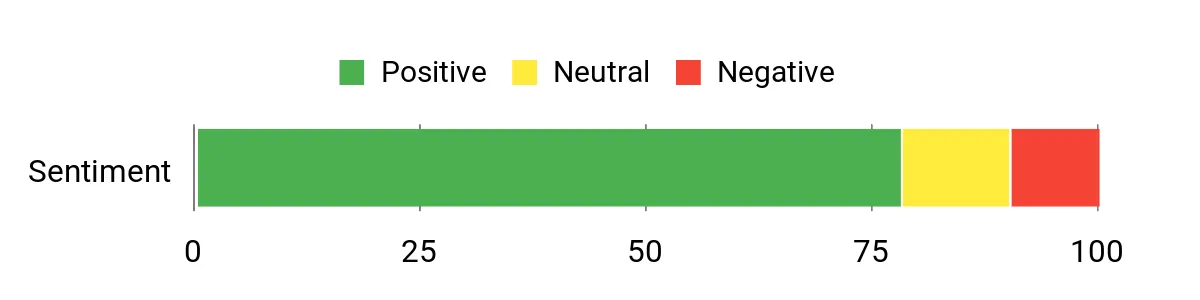
Buyer feedback is generally positive around the large bottle size and routine-use convenience. The chart below is a historical snapshot; it is not a live Amazon rating or a current review-count summary.
Feedback snapshot: Source-dataset signal only; verify recent retailer feedback if current buyer experience matters to your decision.
When To Use It
|
Situation |
How It Helps |
|---|---|
|
High-Mileage Vehicles |
Routine cleaning and lubrication can help maintain fuel-system cleanliness as mileage climbs. |
|
Before Emissions Testing |
A treatment cycle may support cleaner combustion, but it will not repair failed emissions parts or guarantee a smog-check pass. |
|
Routine Maintenance For Multiple Vehicles |
The one-gallon bottle is convenient if you service several cars, trucks or yard equipment, letting you dose regularly without buying many small bottles. |
|
Routine Fuel-System Maintenance |
Regular treatment can support fuel-system cleanliness and lubrication when used at the manufacturer’s recommended dose. |
Versatility
Lucas Fuel Treatment is a broad routine-maintenance option rather than the most targeted choice in this roundup. Use the current label to confirm fuel compatibility and dosing for your vehicle or equipment, and choose a dedicated deep-clean product when deposit removal is your main goal.
Key Benefits
- Supports Cleaner, More Consistent Combustion
- Cleans Fuel System Deposits
- Lubricates Fuel-System Components
- Good For Routine Maintenance
Check Product Details on Amazon
Red Line SI-1
Best for: deep gasoline fuel-system cleaning when idle quality, hesitation or deposit control matter most.
Skip if: your main need is long-term storage, marine moisture control or diesel treatment.
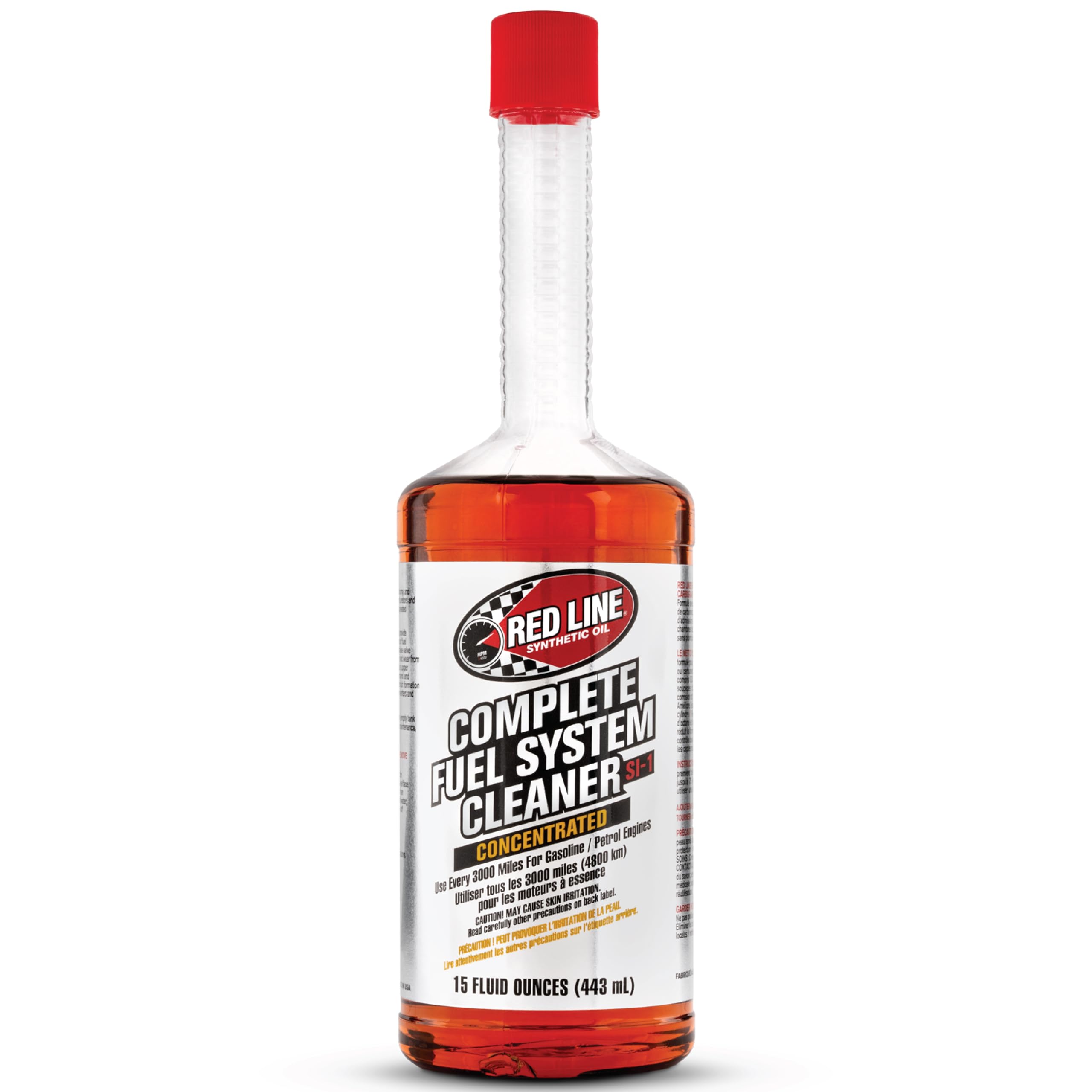
If you want a concentrated gasoline fuel-system cleaner, Red Line SI-1 is the most targeted cleaning pick in this group. Its detergent package is intended to clean injectors, carburetors, valves and combustion-chamber deposits, making it a stronger fit when deposit control is the main goal rather than storage or winter diesel protection.
Source Feedback Snapshot
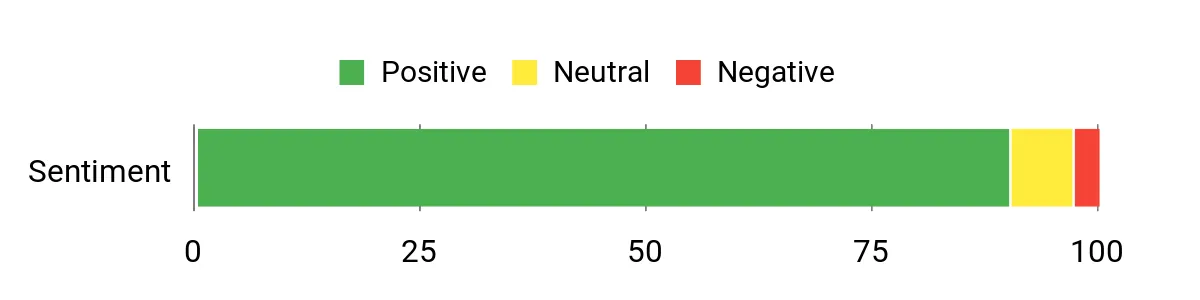
Buyer feedback emphasizes smoother operation and throttle response after treatment. The chart below is a historical snapshot and is not a live Amazon rating. For the strongest cleaning treatment, Red Line currently directs users to add the full 15-ounce bottle to the tank and then fill with up to 20 gallons of gasoline.
Feedback snapshot: Source-dataset signal only; individual results depend on engine condition and deposit level.
When To Use It
|
Situation |
How It Helps |
|---|---|
|
Stubborn Carbon Build-Up |
Its concentrated detergent package targets injector, valve and combustion-chamber deposits that can affect drivability. |
|
Performance Engines |
It helps maintain injector and fuel-system cleanliness; any power or response improvement depends on whether deposits were limiting the engine. |
|
High-Mileage Cars |
Regular treatment may help maintain drivability when fuel-system deposits contribute to rough idle or hesitation. |
|
Periodic Deep Cleaning |
Use it when you want a more concentrated cleaning cycle than a light routine-maintenance treatment. |
Versatility
Red Line SI-1 is a gasoline-focused cleaner for applications ranging from daily drivers to performance vehicles. It is primarily a targeted cleaner rather than a dedicated long-term storage product, so use a separate stabilizer only when its label and the manufacturers’ compatibility guidance support that combination.
Key Benefits
- Concentrated Detergent Cleaning
- May Improve Deposit-Related Idle And Response
- Effective On Injectors, Valves And Combustion Chambers
- Easy Single-Bottle Application
Check Product Details on Amazon
Star Tron
Best for: seasonal storage, ethanol-prone fuel and households with several small gasoline engines.
Skip if: you mainly want a concentrated one-time cleaner for a gasoline car.

You’ll find Star Tron useful for gasoline equipment that sits between uses, especially when storage stability, gum and varnish control or ethanol-related fuel concerns matter. Its enzyme-based formula is positioned for cars, boats, generators and lawn equipment as well as seasonal storage.
Use it according to the label before fill-ups or storage. It is a better fit for fuel stability and broad maintenance than for an aggressive one-time deposit-cleaning job.
Source Feedback Snapshot
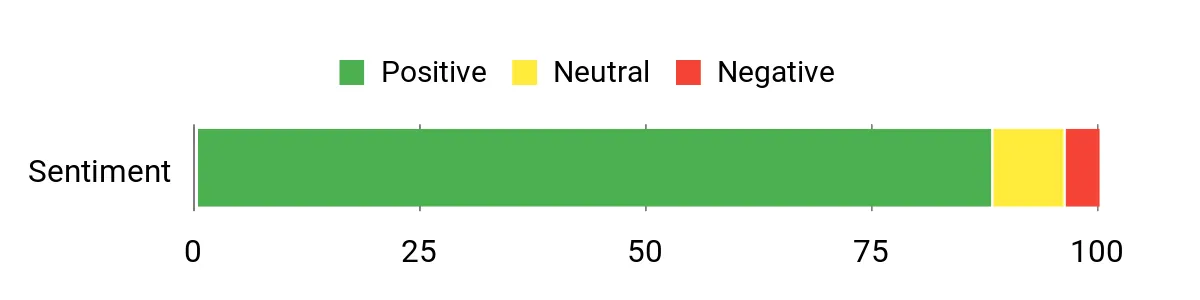
Buyer feedback is strongest around seasonal equipment, storage and multi-machine convenience. The chart below should be treated as historical context rather than a current retailer review score.
Feedback snapshot: Source-dataset signal only; check current retailer feedback for up-to-date buyer experience.
When To Use It
|
Situation |
How It Helps |
|---|---|
|
Seasonal Storage |
It is designed to stabilize gasoline during extended storage and help limit gum, varnish and ethanol-related fuel problems. |
|
Small Engines |
It can help limit gum and varnish buildup in mowers, trimmers and generators that sit between uses. |
|
Ethanol-Prone Fuel |
The formula is intended to address fuel degradation, moisture-related ethanol concerns, gum and varnish. |
|
Multi-Equipment Households |
One bottle treats many gallons, so you can dose cars, boats and tools without buying lots of small bottles. |
Versatility
Star Tron is broadly compatible across gasoline engines and works in boats, cars, lawn equipment and generators. It’s especially handy when you need both ongoing cleaning and long-term stabilization rather than a one-off deep carbon removal product.
Key Benefits
- Stabilizes Fuel Up To Two Years
- Enzyme Cleaning For Gunk And Deposits
- Works With Ethanol Blends
- Suitable For Small Engines And Marine Use
Check Product Details on Amazon
Opti-Lube XPD
Best for: diesel pickups, fleets, farm equipment and cold-weather diesel use.
Skip if: you use gasoline or need a severe-cold emergency treatment for fuel that has already gelled.

You’ll find Opti-Lube XPD especially useful if you drive diesel regularly or manage diesel equipment. It is built around lubricity, injector cleanliness, cetane support and preventative anti-gel performance, so it covers several everyday ULSD concerns in one treatment.
Add it before or during fueling for good mixing and use it before cold conditions become severe. Opti-Lube currently lists a standard warm-weather treatment rate of 1/4 ounce per gallon and a premium/cold-weather rate of 1/2 ounce per gallon or more. Its XPD guidance describes preventative anti-gel support down to about -10°F depending on base fuel, so severe winter operation may require a more specialized winter formula.
Source Feedback Snapshot
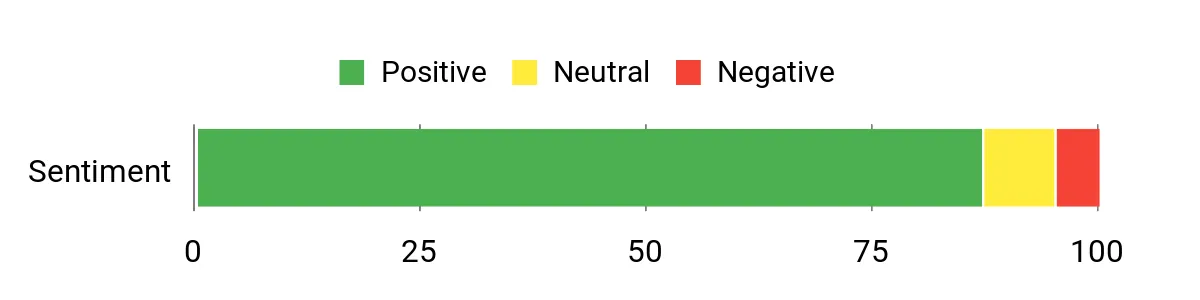
Buyer feedback is generally favorable around smoother diesel operation and all-season convenience. The chart below is a historical snapshot and is not a live Amazon rating; mileage, wear and component-life anecdotes depend on fuel quality, engine condition, climate and maintenance.
Feedback snapshot: Source-dataset signal only; treat performance and longevity anecdotes cautiously.
When To Use It
|
Situation |
How It Helps |
|---|---|
|
Long Haul Trips |
Lubricity, injector-cleaning and cetane support can help maintain consistent diesel operation across long trips; actual efficiency gains vary. |
|
Cold Weather |
The preventative anti-gel component can improve cold-weather fuel flow, but results depend on the base fuel and temperature. |
|
High-Mileage Trucks |
Lubricity and injector-cleaning support are intended to help manage wear and deposits; they do not guarantee longer component life. |
|
Preventative Maintenance |
Add it to a maintenance routine when its lubricity, cleaning or cold-weather benefits match your diesel use case. |
Versatility
Opti-Lube XPD is designed for ultra-low-sulfur diesel engines found in pickups, semis, farm equipment and generators. It’s focused on diesel benefits rather than gasoline applications, so stick to diesel use cases and cold-weather protection scenarios.
Key Benefits
- Improves Lubricity To Support Fuel-System Protection
- Boosts Cetane For Better Combustion
- Anti-Gel Protection In Cold Conditions
- Helps Maintain Fuel-System Cleanliness
Check Product Details on Amazon
Helix 5-in-1
Best for: mixed gasoline equipment when you want cleaning, water control, stale-fuel support and light octane help in one bottle.
Skip if: you want a dedicated deep cleaner, diesel formula or high-output performance octane concentrate.
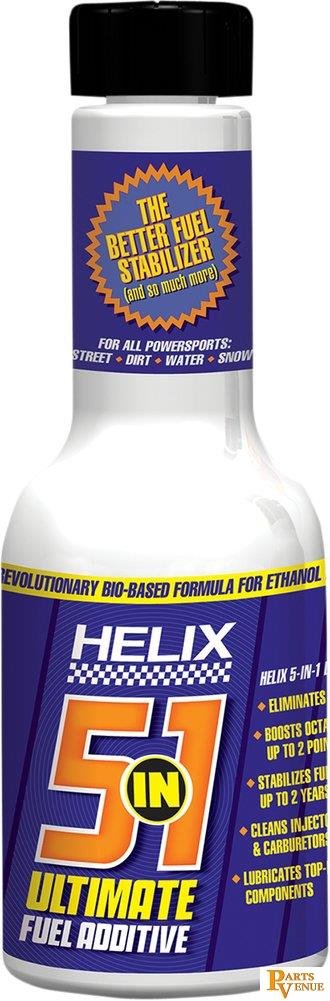
You’ll find Helix 5-in-1 useful when you want one gasoline treatment for moisture control, fuel stabilization, injector and carburetor cleaning, lubrication and a modest octane increase. It is aimed especially at powersports, watercraft and small gasoline equipment that may sit between uses.
Use the current label carefully: Helix lists a standard treatment ratio of 1/2 ounce per gallon and a longer-term storage ratio of 1 ounce per gallon. One 8-ounce bottle treats up to 16 gallons at the standard rate. Because this is a chemical fuel treatment, follow the handling precautions on the bottle and safety data.
Source Feedback Snapshot
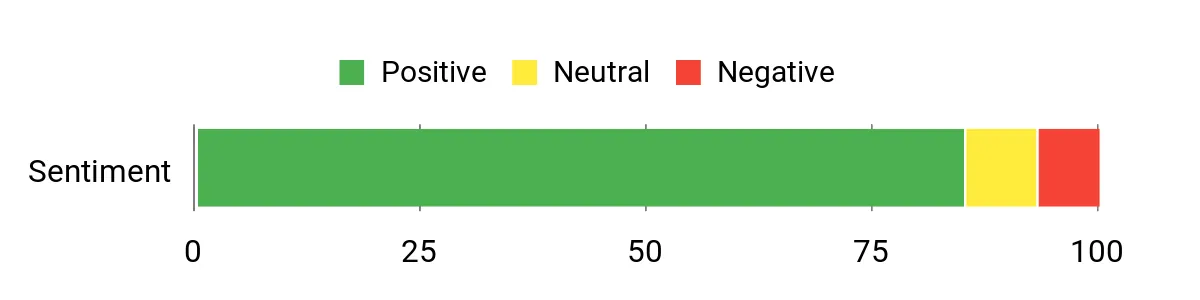
Buyer feedback is positive around seasonal starting, mixed-equipment use and carburetor cleanliness. The chart below is a historical feedback snapshot; current label instructions and safety precautions matter more than anecdotal dosing advice.
Feedback snapshot: Source-dataset signal only; not a live retailer rating.
When To Use It
|
Situation |
How It Helps |
|---|---|
|
Winter Storage |
The storage dose is designed to help keep gasoline stable during extended downtime and reduce stale-fuel problems. |
|
Small Engine Maintenance |
Its cleaning and stabilization functions can help limit gum and varnish in carburetors and fuel passages. |
|
Marine Use |
Moisture control and fuel stabilization are useful for gasoline-powered watercraft that spend time sitting between uses. |
|
Performance Improvement |
A modest octane increase may help only when the engine actually benefits from higher-octane fuel. |
Versatility
Helix is flexible across a wide range of gasoline-powered machines, from outboards and motorcycles to lawn equipment. It is balanced for cleaning, stabilization and modest octane support rather than concentrated deposit removal, so choose a more targeted cleaner instead when deep cleaning is your main goal.
Key Benefits
- Helps Control Moisture Contamination
- Helps Manage Old Or Stale Gasoline
- Boosts Octane By Up To Two Points
- Stabilizes Fuel For Up To Two Years
Check Product Details on Amazon
STA-BIL 360
Best for: boats, watercraft and gasoline equipment exposed to moisture, ethanol issues and seasonal storage.
Skip if: you do not need marine-focused moisture and corrosion protection.

You’ll want STA-BIL 360 Marine when a gasoline boat or watercraft faces moisture, ethanol-related corrosion risk and periods of storage. It combines fuel-system cleaning, water-management support and stabilization in a marine-focused formula.
Use it according to the label at fill-up for in-season protection or with fresh fuel before storage. STA-BIL currently directs users to add 1 ounce per 10 gallons of gasoline and states that treated fresh fuel can remain fresh for up to 12 months. It is a stronger fit for boats and watercraft than a general automotive additive when marine exposure is your main concern.
Source Feedback Snapshot
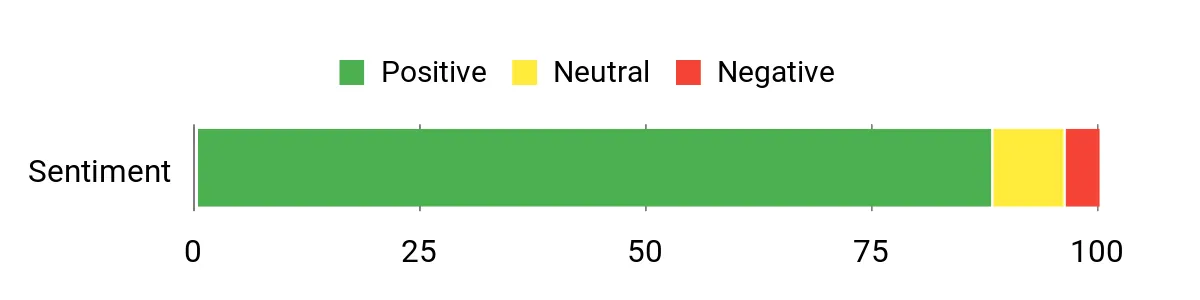
Buyer feedback is generally favorable around marine storage, starting and corrosion-related peace of mind. The chart below is a historical snapshot and is not a live Amazon rating; check recent retailer feedback for the latest packaging and dosing experience.
Feedback snapshot: Source-dataset signal only; current buyer experience may differ.
When To Use It
|
Situation |
How It Helps |
|---|---|
|
Boat Engines |
The formula is designed to manage moisture, ethanol-related corrosion concerns and fuel-system deposits in marine gasoline use. |
|
Seasonal Storage |
When added to fresh fuel as directed, the manufacturer states that it can keep gasoline fresh for up to 12 months during storage. |
|
Older Vehicles |
Fuel-system cleaning may help deposit-related roughness, but it will not correct mechanical or ignition faults. |
|
Everyday Marine Use |
Use at fill-up as directed to support year-round fuel-system cleanliness and corrosion protection in marine conditions. |
Versatility
STA-BIL 360 Marine is aimed first at gasoline-powered boats and watercraft, while its label also covers gasoline-engine use more broadly. Its strongest reason to buy is the marine combination of fuel-system cleaning, moisture management, corrosion protection and storage stability.
Key Benefits
- Helps Manage Water In Marine Fuel Systems
- Contains PEA Cleaners For Deposit Control
- Helps Protect Against Corrosion And Ethanol-Related Problems
- Stabilizes Fuel For Up To 12 Months
Check Product Details on Amazon
Torco Accelerator
Best for: tuned, high-compression or boosted gasoline engines that need extra octane support.
Skip if: your engine already runs correctly on the octane specified by its manufacturer.

You’ll reach for Torco when a tuned, high-compression or boosted gasoline engine genuinely needs more octane than the available pump fuel provides. It is a race-fuel concentrate, not a routine cleaner or storage stabilizer.
Use the manufacturer’s blend chart and your engine or tuner’s octane requirement rather than adding it “just in case.” Higher octane does not automatically create more power in an engine that is already satisfied with the fuel it is designed to use.
Source Feedback Snapshot
Buyer feedback is positive among performance-focused users. The chart below is a historical snapshot and is not a live Amazon rating. The more important buying question is whether your engine or tune actually requires extra octane; if it does not, an octane concentrate is unnecessary.
Feedback snapshot: Source-dataset signal only; suitability depends on the engine’s octane requirement and tune.
When To Use It
|
Situation |
How It Helps |
|---|---|
|
Turbocharged Or Supercharged Engines |
Higher octane can add knock resistance when the tune and operating conditions actually require it. |
|
High-Compression Naturally Aspirated Engines |
Use only when the engine’s compression, timing or tune calls for higher-octane fuel; follow the blend chart carefully. |
|
Track Days And Performance Tuning |
It can help meet a higher octane target for performance use when pump fuel alone does not meet the tune’s requirement. |
|
Small-Displacement Performance Machines |
It can be used in gasoline powersports applications that genuinely require a higher octane blend. |
Versatility
Torco is specialized for octane enhancement and works across multiple gasoline platforms including bikes, ATVs, watercraft and high-performance cars. It is not a general-purpose fuel-system cleaner or long-term stabilizer, so use a different product when cleaning or storage is your main goal.
Key Benefits
- Adjustable Octane Increase For High-Performance Use
- Helps Meet Higher-Octane Requirements
- Follow The Manufacturer Blend Chart Carefully
- Useful For High-Performance And Turbo Applications
Check Product Details on Amazon
FAQ
Are Fuel Additives Safe To Use
Fuel additives are generally intended to be used safely when you follow the current label, match the product to the correct fuel type and observe its handling precautions. Do not assume that every gasoline, diesel, marine or powersports formula is interchangeable.
If your vehicle has emissions-sensitive components, choose formulations that explicitly state they are safe for O2 sensors and catalytic converters and always consult the owner’s manual or a mechanic if you’re unsure.
Which Additive Should I Choose
Pick an additive based on the problem you want to solve rather than convenience. For deposit removal, choose a cleaner that explicitly matches your fuel type, injection system and deposit problem. A tank additive only reaches surfaces contacted by the treated fuel, so it is not a substitute for every type of intake or mechanical cleaning.
For long-term storage and ethanol-related concerns, choose a stabilizer that is labeled for your fuel and intended storage interval. Diesel trucks may benefit from lubricity, injector-cleaning, cetane and anti-gel formulas when those functions match the operating conditions, while octane boosters are best reserved for engines or tunes that genuinely require higher-octane fuel.
How Do I Use Fuel Additives Correctly
Always read and follow the product-specific dosing instructions. Some products are added before fueling for better mixing, while others have different ratios for routine use, deep cleaning or long-term storage.
For storage, use the stabilizer with fresh fuel and circulate treated fuel according to the equipment and product instructions. For diesel cold weather, add preventative anti-gel treatment before the fuel has already gelled. Avoid mixing multiple strong additives unless the manufacturers say the combination is compatible.
Can Fuel Additives Fix A Check Engine Light Or Mechanical Problem
No. A fuel additive may help when deposits or fuel quality are part of the problem, but it cannot repair a failed injector, ignition component, sensor, fuel pump, compression problem or other mechanical fault. Diagnose persistent symptoms instead of repeatedly adding more treatment.
Can I Mix Different Fuel Additives
Do not assume multiple additives should be combined. Overlapping cleaners, stabilizers, octane boosters or diesel treatments can create unnecessary dosing and compatibility questions. Use one product for the problem you are solving unless the product labels or manufacturers specifically support the combination.
How to Choose Between Them
Choose by job first. Lucas Fuel is the high-volume routine-maintenance option; Red Line SI-1 is the concentrated gasoline cleaner; Star Tron focuses on stabilization and ethanol-related fuel concerns; Opti-Lube XPD is for diesel lubricity, cleaning, cetane support and moderate cold-weather use; STA-BIL 360 is the marine-focused gasoline treatment; Helix 5-in-1 is a multi-purpose gasoline treatment for mixed equipment; and Torco is reserved for engines that actually need a higher octane blend. Bottle size and dosing matter, but they come after fuel type and the problem you are trying to solve.
Final Buying Tip
For most gasoline cars with deposit concerns, start with Red Line SI-1; for repeat-use gasoline or diesel maintenance, Lucas Fuel is the broader routine option. Choose Star Tron for stored gasoline equipment, STA-BIL 360 for marine gasoline, Opti-Lube XPD for diesel, Helix 5-in-1 for mixed gasoline equipment, and Torco only when your engine or tune actually calls for higher octane.
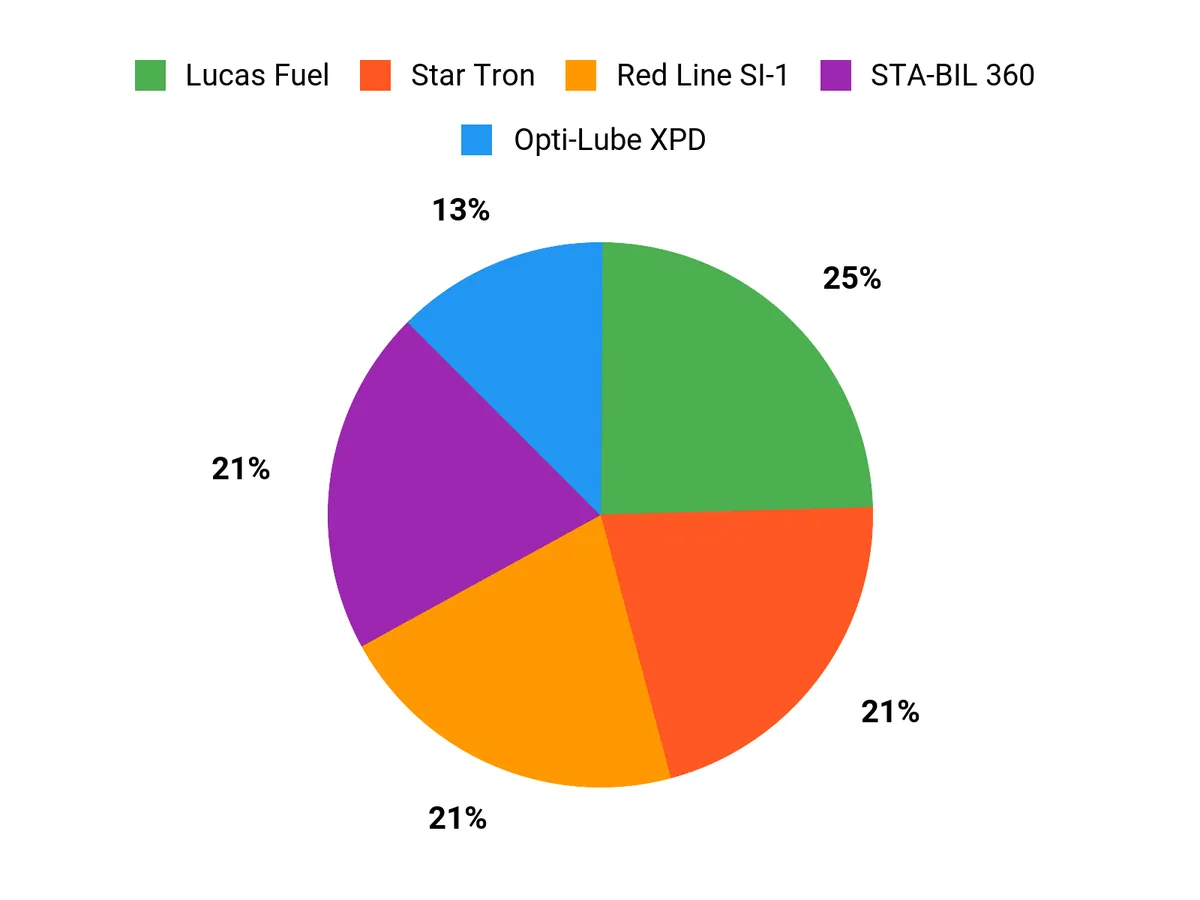
Chart note: The preference graphic below is a historical snapshot and should not be read as live retailer data or a current market-wide customer survey.
Wrapping Up
If concentrated gasoline fuel-system cleaning is the goal, Red Line SI-1 is the most targeted pick here. If you need a high-volume routine treatment, Lucas Fuel is the better fit. Star Tron is the storage and ethanol-concern choice, while Opti-Lube XPD is tailored to diesel users who want lubricity, injector cleaning, cetane support and preventative anti-gel help.
Use STA-BIL 360 for marine gasoline applications where moisture, corrosion and storage matter. Helix 5-in-1 is a flexible choice for mixed gasoline equipment, and Torco is the specialist option for engines that truly require a higher-octane blend. Match the additive to the fuel type and problem, follow the current label, and diagnose persistent engine symptoms instead of treating additives as mechanical repairs.
Detailed Comparison
Use this table to compare the products by fuel type, main job and the package size shown in this article. Retailer ratings, review counts, prices and category ranks are intentionally omitted because they change over time.
| Product Name | Image | Fuel Type | Primary Use | Package Size |
|---|---|---|---|---|
| Lucas Oil 10013 Fuel Treatment – 1 Gallon |
|
Gasoline / diesel | Routine cleaning and lubrication | 1 Gallon |
| Red Line 60103 SI-1 Complete Fuel System Cleaner – 15 Ounce |
|
Gasoline | Concentrated deposit cleaning | 15 Fluid Ounces |
| Star Tron Enzyme Fuel Treatment Concentrate – 128 Fl. Oz. |
|
Gasoline | Storage and ethanol-related fuel concerns | 128 Fluid Ounces |
| Opti-Lube XPD All-Season Diesel Fuel Additive – 1 Gallon |
|
Diesel | Lubricity, cleaning, cetane and anti-gel support | 1 Gallon |
| Helix Racing 5-in-1 Ultimate Fuel Additive – 8oz. |
|
Gasoline | Multi-purpose treatment and storage | 8 Fluid Ounces |
| STA-BIL 360 Marine Fuel System Treatment, 32 oz |
|
Marine gasoline | Moisture, corrosion, cleaning and storage | 32 Fluid Ounces |
| Torco Accelerator 32oz – The Best Fuel Additive |
|
Gasoline | Octane increase for performance applications | 32 Fluid Ounces |
This roundup is reader-supported. When you click through links we may earn a referral commission on qualifying purchases.