
This roundup is reader-supported. When you click through qualifying links, we may earn a referral commission at no extra cost to you.
If you want stronger car bass without designing and building a subwoofer box from scratch, a preloaded vented enclosure can simplify the upgrade. The two options below combine a subwoofer and matched enclosure, but they differ in driver size, power handling, final impedance, and amplifier requirements.
This guide compares a 10-inch 4-ohm loaded enclosure with a more compact 8-inch 1-ohm setup so you can choose the better match for your available space, amplifier, and listening goals.
Quick Verdict
Choose the Rockville VS10K54 if you want a ready-built 10-inch vented enclosure with a 4-ohm final load that can be easier to pair with many car amplifiers.
Choose the Skar SVR-1X8D2 if saving space matters and you want a compact 8-inch loaded enclosure with higher RMS power handling, provided your amplifier is stable at its 1-ohm final impedance.
Top Picks
| Best For | Product | Key Difference | Amazon |
|---|---|---|---|
| 🏆 Easier 4-Ohm Amp Match | Rockville VS10K54 | 10-inch, 300W RMS, 4-ohm final load | Check Current Amazon Availability |
| 📦 Compact High-Output Pick | Skar SVR-1X8D2 | 8-inch, 400W RMS, 1-ohm final load | Check Current Amazon Availability |
Selection Criteria
For loaded car subwoofer enclosures, headline peak wattage is only part of the decision. We focused on the specifications that directly affect compatibility and installation: RMS power handling, final impedance, driver size, enclosure type, construction, amplifier requirements, and the amount of vehicle space the enclosure is likely to use.
A preloaded enclosure can save you from separately matching a driver to a box, but it does not remove the need for a compatible amplifier, suitable power wiring, correct fusing, secure mounting, and proper gain and crossover settings.
Before You Buy
- Check the enclosure’s final impedance against your amplifier’s supported load.
- Compare RMS power rather than relying only on advertised peak wattage.
- Measure your trunk or cargo area before ordering.
- Allow clearance for wiring, terminals, and secure mounting.
- Use properly sized power cable and an appropriate fuse for the amplifier installation.
- Plan to set amplifier gain and filtering correctly after installation.
Rockville VS10K54

Best For: A straightforward 10-inch 4-ohm loaded enclosure
The VS10K54 combines a 10-inch subwoofer with a vented enclosure, removing the need to select and build a separate box. Its 4-ohm final impedance may also make amplifier matching simpler than a low-impedance 1-ohm enclosure for shoppers who already own a modest mono amplifier.
The Rockville VS10K54 is rated for 300 watts RMS, 600 watts program power, and 1,200 watts peak. The driver arrives mounted in a vented enclosure constructed from 3/4-inch MDF, so most of the enclosure-design work is already handled.
This option makes the most sense when you want a conventional 10-inch driver and would rather install a complete passive subwoofer box than design an enclosure around a bare driver. You still need a compatible amplifier and proper wiring; this is not a self-powered subwoofer.
Why You’ll Like It
- Preloaded 10-inch subwoofer and vented enclosure
- 300-watt RMS power handling
- 4-ohm final impedance
- 3/4-inch MDF enclosure construction
- Spring-loaded terminals for speaker wiring
Who Should Buy This
Consider the Rockville if you want a ready-built 10-inch bass enclosure and your amplifier can deliver suitable power into a 4-ohm load. It is also the easier choice of these two if you specifically want to avoid a 1-ohm amplifier requirement.
Who Should Avoid This
Skip it if your available cargo space is especially limited or if your existing system is specifically designed around a high-output 1-ohm subwoofer load. Measure the installation area before ordering because a loaded 10-inch enclosure requires more room than the driver diameter alone suggests.
Buyer Feedback Snapshot
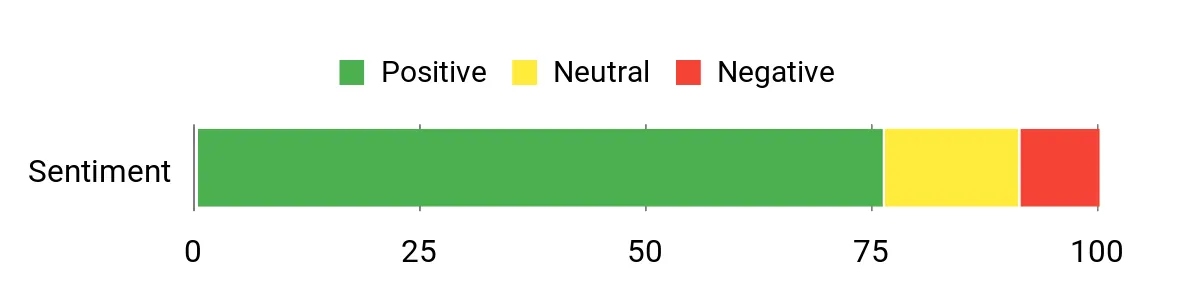
The chart below is a historical sentiment snapshot. Marketplace feedback and review totals can change, so use current product-page information when making your final decision.
Durability
The enclosure uses MDF construction and a carpeted exterior, while the passive connection design avoids adding an integrated amplifier that would require its own cooling inside the box. As with any subwoofer enclosure, secure mounting and correct amplifier setup matter for long-term use.
Practicality
The preloaded design eliminates the need to select enclosure volume and install a separate woofer into an empty box. Connect it to a compatible external amplifier through its speaker terminals, secure the enclosure so it cannot move while driving, and tune the amplifier to suit the rest of your audio system.
Check Current Amazon Availability
Skar SVR-1X8D2

Best For: Compact bass with a 1-ohm-ready amplifier
The SVR-1X8D2 packages an 8-inch subwoofer into a vented enclosure and is rated for 400 watts RMS. Its compact-driver format is attractive when cargo space matters, but its 1-ohm final impedance makes amplifier compatibility especially important.
The Skar SVR-1X8D2 is a loaded vented enclosure rated at 400 watts RMS and 800 watts peak. Skar specifies 3/4-inch MDF construction and a 1-ohm final impedance at the terminal cup.
The major buying advantage is that the driver and enclosure are already paired. The major limitation is equally important: your amplifier must be stable at a 1-ohm load and capable of supplying appropriate clean power at that impedance.
Why You’ll Like It
- Compact 8-inch loaded vented enclosure
- 400-watt RMS power handling
- 800-watt peak power rating
- 3/4-inch MDF enclosure construction
- Preloaded design removes separate box selection
Who Should Buy This
Choose the Skar if you want a smaller-driver loaded enclosure and already have, or plan to buy, an amplifier designed to operate safely at 1 ohm. It is especially appealing when you want to keep the installation compact without dropping to a very low-powered bass setup.
Who Should Avoid This
Avoid this enclosure if your amplifier is not stable at 1 ohm. Do not assume an amplifier that works at 2 or 4 ohms can safely run the Skar’s final load. Confirm the amplifier manufacturer’s specifications before connecting the enclosure.
Buyer Feedback Snapshot
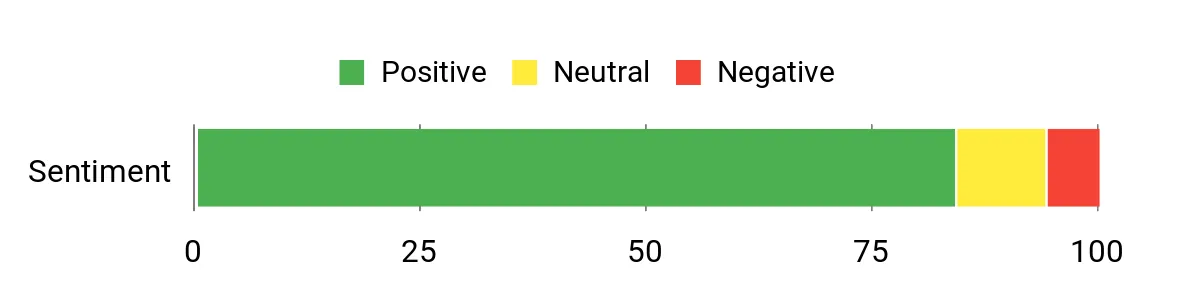
The chart below is a historical sentiment snapshot. Marketplace feedback changes over time, so it should not be treated as a live review score or current review count.
Durability
The enclosure uses MDF construction with a reinforced cabinet design intended for the installed driver. Proper amplifier matching, secure mounting, adequate power wiring, and conservative gain settings remain important because electrical or mechanical abuse can damage any subwoofer.
Practicality
Because the subwoofer is already mounted and wired inside its enclosure, you can skip the process of designing a separate vented box. Installation still requires an external amplifier, suitable cable and fusing, a secure mounting location, and correct system tuning.
Check Current Amazon Availability
Rockville VS10K54 vs Skar SVR-1X8D2
| Product | Driver | RMS Power | Peak Power | Final Impedance | Enclosure | Best Fit |
|---|---|---|---|---|---|---|
| Rockville VS10K54 | 10 inch | 300W | 1,200W | 4 ohms | Preloaded vented MDF | Straightforward 4-ohm setup |
| Skar SVR-1X8D2 | 8 inch | 400W | 800W | 1 ohm | Preloaded vented MDF | Compact build with a 1-ohm-stable amp |
How to Choose Between Them
Choose Rockville If Amplifier Compatibility Is Your Priority
The Rockville’s 4-ohm final load can be a more convenient match for amplifiers that are not designed for very low-impedance operation. Check your amplifier’s RMS output at 4 ohms before deciding.
Choose Skar If Space and Higher RMS Handling Matter
The Skar uses an 8-inch driver and carries a higher RMS rating, but those advantages only make sense if your amplifier supports a 1-ohm final load. Amplifier compatibility should be checked before purchase, not after installation.
Do Not Compare Them by Peak Watts Alone
Peak power numbers can look impressive but are not the best specification for system matching. Compare RMS ratings at the enclosure’s final impedance and follow the amplifier and subwoofer manufacturers’ operating limits.
Pro Tip
Before ordering either enclosure, write down your amplifier’s RMS output at 4 ohms, 2 ohms, and 1 ohm. If the manufacturer does not specify safe 1-ohm operation, do not connect it to a 1-ohm subwoofer load.
FAQ
Is a Loaded Subwoofer Enclosure Easier to Install?
It removes the need to select a separate enclosure and mount the subwoofer into it, but it is not completely plug-and-play. A passive loaded enclosure still needs a compatible amplifier, power wiring, grounding, fusing, signal wiring, speaker cable, secure mounting, and tuning.
How Do I Match a Subwoofer Enclosure to My Amplifier?
Start with the enclosure’s final impedance. Check how much RMS power your amplifier can safely deliver at that exact impedance and compare it with the subwoofer system’s RMS rating. Never connect an amplifier to a load below the manufacturer’s minimum supported impedance.
Is RMS More Important Than Peak Power?
For normal system matching, RMS power is the more useful figure because it represents sustained power handling more meaningfully than a headline peak rating. Always compare ratings at the correct impedance.
Is a 10-Inch Subwoofer Automatically Better Than an 8-Inch?
No. Driver size is only one factor. Enclosure design, amplifier power, impedance, installation, vehicle acoustics, and your preferred bass level all affect the result. A larger driver also usually requires more installation space.
Should I Choose a Sealed or Vented Enclosure?
The two products in this comparison are already supplied in vented enclosures designed around their included drivers. If you are buying a bare subwoofer separately, use the enclosure specifications recommended for that specific model rather than assuming one generic box will work correctly.
What Does a 1-Ohm Final Impedance Mean?
It means the amplifier sees approximately a 1-ohm speaker load at the enclosure terminals. Only use an amplifier whose manufacturer specifically rates it for stable operation at 1 ohm.
Do I Need to Secure a Subwoofer Box in the Vehicle?
Yes. A heavy enclosure should be positioned and secured so it cannot slide or become a hazard during sudden braking, sharp turns, or a collision. Installation methods vary by vehicle, so use hardware and mounting points appropriate for your application.
Wrapping Up
For a straightforward 10-inch loaded enclosure, the Rockville VS10K54 is the easier choice when a 4-ohm final load suits your amplifier. Its preloaded vented box removes enclosure-building work while giving you a conventional 10-inch car-audio setup.
If saving space matters more and your amplifier is designed for a 1-ohm load, the Skar SVR-1X8D2 offers a compact 8-inch enclosure with 400-watt RMS power handling. The key is not simply choosing the larger wattage number; choose the enclosure whose impedance, RMS rating, physical size, and amplifier requirements match your system.
Final Recommendation
Rockville VS10K54: Better for shoppers wanting a 10-inch loaded enclosure with a 4-ohm final load.
Skar SVR-1X8D2: Better for shoppers prioritizing a compact enclosure who already have a suitable 1-ohm-stable amplifier.
| Product Name | Image | RMS Power | Peak Power | Final Impedance | Enclosure | Amazon |
|---|---|---|---|---|---|---|
| Rockville VS10K54 10″ Loaded Vented Subwoofer Enclosure |
|
300 Watts | 1,200 Watts | 4 Ohms | Preloaded vented MDF | Check Current Amazon Availability |
| Skar Audio Single 8″ Loaded SVR Series Vented Subwoofer Enclosure |
|
400 Watts | 800 Watts | 1 Ohm | Preloaded vented MDF | Check Current Amazon Availability |
This roundup is reader-supported. When you click through links, we may earn a referral commission on qualifying purchases.