You depend on brakes that stop smoothly and consistently, and the right brake lubricant helps caliper hardware move as designed while reducing corrosion, sticking, and noise at approved contact points. The key is to use a brake-specific lubricant with the right temperature range and material compatibility for the exact part you are servicing.
Disclosure: As an Amazon Associate, we may earn from qualifying purchases at no extra cost to you.
Quick Verdict
- Permatex Ceramic: the high-heat pick for brake hardware, backing plates, bushings, and other manufacturer-approved lubrication points.
- Permatex Ultra: a practical small-tube choice for caliper pins, slides, bushings, pistons, rubber sleeves, and seals.
- AGS SIL-Glyde: the strongest choice here when rubber-safe silicone compatibility and moisture resistance are priorities around pins, boots, shims, and slides.
Safety note: Never put lubricant on brake-pad friction material, rotor faces, shoes, or drum friction surfaces. Follow the vehicle service manual and lubricant label for approved application points.
Top Picks
|
Category |
Product |
Best For |
|---|---|---|
|
🏆 High-Heat Pick |
High-temperature brake hardware |
|
|
🎯 Caliper Service Pick |
Pins, slides, bushings, pistons, sleeves, and seals |
|
|
⭐ Rubber-Safe Silicone Pick |
Boots, pins, slides, and moisture exposure |
Selection Criteria
We focused on products specifically intended for brake service and compared their stated application areas, temperature tolerance, material compatibility, package size, and resistance to moisture or washout. Brake grease is not a one-product-fits-every-part purchase, so application guidance and component compatibility matter as much as headline temperature ratings.
We also favored clear manufacturer instructions for caliper pins, slides, bushings, backing plates, shims, seals, or other brake hardware. Products with unclear lifecycle status, ambiguous compatibility, or poor fit for the main brake-lubricant buying intent were excluded.
Before You Buy Brake Lubricant
- Check the service manual: Some vehicles specify a particular lubricant chemistry for slide pins, bushings, seals, or boots.
- Confirm material compatibility: Use a product explicitly approved for the rubber, plastic, or metal components it will contact.
- Keep friction surfaces dry: Do not put grease on rotor faces, pad friction material, shoes, or drum friction surfaces.
- Use a thin film: Excess lubricant can migrate to places where it does not belong.
- Clean first: Remove old grease, dirt, and corrosion before applying fresh lubricant to approved points.
Permatex Ceramic Extreme Brake Parts Lubricant

Permatex Ceramic 24125 is an 8 fl oz brake-parts lubricant built around a synthetic formula with ceramic solids. It is designed for high-temperature brake hardware and approved contact points where a lubricant needs to resist moisture, corrosion, contaminants, and washout.
Permatex lists applications including caliper hardware, backing plates, bushings, seals, caliper pins, and the back side of brake pads. Its current instructions also state that the lubricant is safe on rubber seals and plastic, but you should still follow the vehicle service manual for the exact lubrication points and required lubricant chemistry on your brake system.
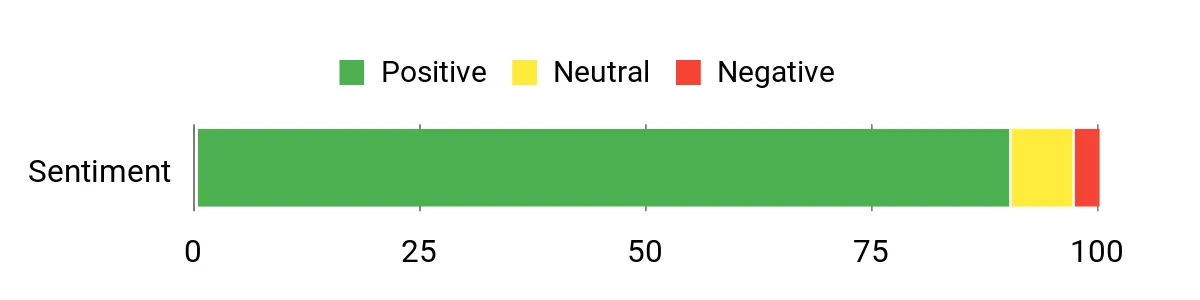
Historical Review Sentiment Snapshot
The chart below is a historical sentiment snapshot. It is not a live Amazon rating or current review count, so check the product listing for up-to-date buyer feedback.
Best For
This is the strongest fit in the group for buyers who prioritize a high-temperature ceramic brake lubricant and want an 8 fl oz container for repeated brake-service work. It is particularly useful when the product instructions and vehicle service information approve lubrication on caliper hardware, backing plates, bushings, or similar contact points.
Problem Solving
Applied correctly, a stable brake lubricant can help reduce sticking, corrosion, vibration, and noise caused by dry or binding hardware. The important limitation is placement: use it only on approved lubrication points and never on the braking surfaces that create friction.
Key Benefits
- Dedicated brake-parts lubricant with synthetic formula and ceramic solids
- Designed for high-temperature brake-service applications
- Resists moisture, corrosion, contaminants, and washout
- 8 fl oz container suits repeated brake-service work
- Manufacturer instructions cover caliper hardware, backing plates, bushings, seals, and approved pad-back contact areas
Who Should Buy This
Choose it if you do several brake jobs and want a dedicated ceramic brake lubricant for high-temperature, manufacturer-approved hardware and contact points.
Who Should Avoid This
Choose another product if your vehicle specifies a different lubricant chemistry for the exact component you are servicing or if you only need a very small amount for an occasional job.
Current listing details: Check the Amazon listing for the latest rating, review count, package details, and stock status.
Permatex Ultra Disc Brake Caliper Lubricant

Permatex Ultra 85188 is a 0.5 oz synthetic brake caliper lubricant designed for pins, slides, bushings, pistons, rubber sleeves, and seals. Its compact tube is convenient when you want controlled application without buying a larger container.
Permatex lists a working temperature range of -40°F to 400°F for this product. That makes it a straightforward option for routine caliper service when the vehicle manufacturer allows this lubricant type for the components you are servicing.
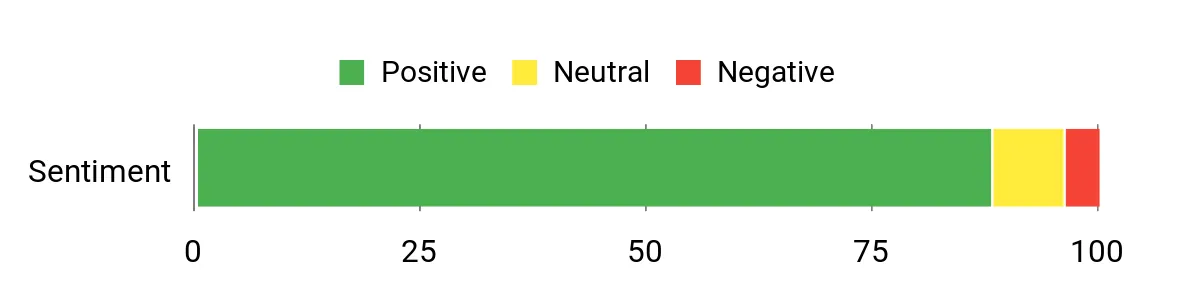
Historical Review Sentiment Snapshot
The chart below is a historical sentiment snapshot. It is not a live Amazon rating or current review count, so check the listing for current feedback.
Best For
Use it when your main job is servicing caliper pins, slides, bushings, pistons, rubber sleeves, or seals and you prefer a small package for precise application.
Problem Solving
Proper brake-caliper lubrication can help prevent moving hardware from seizing or sticking and support smoother component movement. It can also help reduce noise at approved contact points without relying on a general-purpose grease.
Key Benefits
- Dedicated synthetic brake caliper lubricant
- Designed for pins, slides, bushings, pistons, rubber sleeves, and seals
- Non-melting synthetic formula for brake-service use
- Listed temperature range of -40°F to 400°F
- Small 0.5 oz package minimizes waste for occasional DIY service
Who Should Buy This
It suits DIY brake jobs where you need a small amount of caliper lubricant and want clear manufacturer guidance for common moving brake hardware.
Who Should Avoid This
Choose a different product if your service manual calls for another lubricant chemistry or if you need a larger container for frequent brake-service work.
Current listing details: Check the Amazon listing for the latest rating, review count, package details, and stock status.
AGS SIL-Glyde Silicone Brake Lubricant

AGS SIL-Glyde BK-4 is a silicone brake lubricant made for brake hardware such as caliper slide pins, boots, pad backing plates, shims, and slides. AGS lists it as compatible with EPDM and nitrile rubber and gives it an operating range of -20°F to 425°F.
This makes it especially attractive when rubber compatibility and moisture resistance matter more than simply choosing the product with the highest headline temperature number.
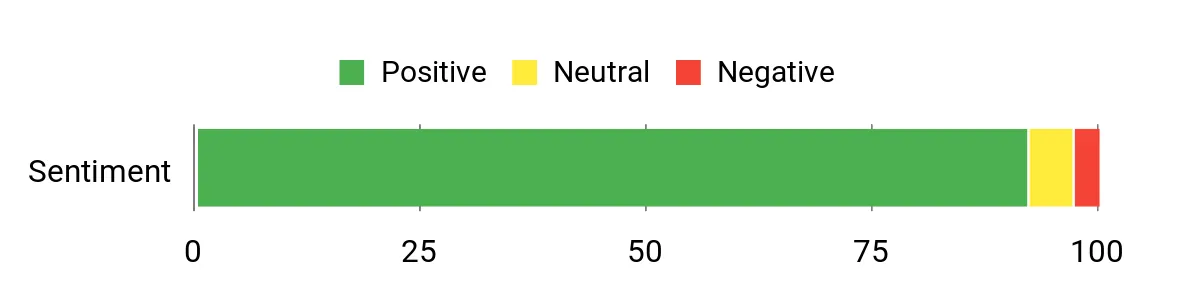
Historical Review Sentiment Snapshot
The chart below is a historical sentiment snapshot. It is not a live Amazon rating or current review count, so check the listing for current feedback.
Best For
It is the clearest pick here for brake hardware where a rubber-safe silicone lubricant is preferred, especially around EPDM or nitrile components and in wet or salty conditions where moisture resistance is useful.
Problem Solving
SIL-Glyde is designed to help keep slides and pins moving while sealing out moisture and reducing vibration at approved brake contact points. Its explicitly rubber-safe formulation can make product selection easier when boots or seals are nearby.
Key Benefits
- Silicone lubricant specifically intended for brake hardware
- Compatible with EPDM and nitrile rubber
- Operating range of -20°F to 425°F
- Moisture-resistant formula for pins, boots, shims, backing plates, and slides
- 4 oz tube is a useful middle ground between tiny tubes and larger shop containers
Who Should Buy This
Choose it when rubber compatibility, moisture resistance, and brake-specific silicone chemistry are your main priorities.
Who Should Avoid This
Skip it if your vehicle service information specifically requires another lubricant type or a different temperature specification for the component you are servicing.
Current listing details: Check the Amazon listing for the latest rating, review count, package details, and stock status.
FAQ
Which Brake Lubricant Should I Use?
Match the lubricant to the exact service point and your vehicle manufacturer’s guidance. A dedicated synthetic or ceramic brake lubricant can suit many approved hardware locations, while a rubber-safe silicone brake lubricant can be easier to choose when rubber boots, sleeves, or seals are central to the job. Do not assume one grease is correct for every brake component.
Will Brake Lubricant Damage Rubber Or Sensors?
It can if the lubricant chemistry is not compatible with the material. Use a product that specifically lists compatibility with the rubber, plastic, or other material it will contact. Keep excess grease away from electrical connectors and sensor faces unless the product instructions and vehicle service information explicitly allow it.
How Do I Apply Brake Lubricant?
Start with clean, dry hardware. Apply only a thin film to the approved contact points listed by the vehicle or lubricant manufacturer, such as certain slide pins, bushings, backing-plate contacts, pad ears, or shims. Keep grease completely off rotor faces, pad friction material, shoes, and drum friction surfaces.
Is Silicone Or Ceramic Brake Lubricant Better?
Neither is automatically better for every location. Silicone brake grease is commonly chosen where rubber compatibility and moisture resistance are priorities, while ceramic brake lubricants are useful for high-temperature brake hardware. The correct choice depends on component materials and the service specification for your vehicle.
Can I Use General-Purpose Grease On Brake Caliper Pins?
Do not assume a general-purpose grease is suitable. Brake components can experience high temperatures and may include rubber or plastic materials that require compatible lubricant chemistry. Use a brake-specific product approved for the exact component and follow the vehicle service information.
How Much Brake Lubricant Should I Apply?
Usually only a thin film is needed on approved contact points. Applying excessive grease does not improve braking performance and increases the chance that lubricant will migrate toward areas where it should not be.
Wrapping Up
For buyers who prioritize a high-temperature ceramic brake lubricant in an 8 fl oz container, Permatex Ceramic is the strongest fit in this group. If you mainly need a compact tube for routine caliper pins, slides, bushings, pistons, sleeves, or seals, Permatex Ultra is the simpler choice.
If rubber-safe silicone compatibility and moisture resistance are your main concerns, AGS SIL-Glyde stands out with explicit EPDM and nitrile compatibility.
Whichever product you choose, correct chemistry and placement matter more than applying extra grease. Use only a thin amount on approved points, follow the service manual, and keep every friction surface clean and dry.
| Product Name | Image | Best For | Formulation | Listed Working Temperature | Package Size |
|---|---|---|---|---|---|
| Permatex 24125 Ceramic Extreme Brake Parts Lubricant, 8 Oz. |
|
High-temperature brake hardware | Synthetic with ceramic solids | -40°F to 3000°F | 8 fl oz |
| Permatex 85188 Ultra Disc Brake Caliper Lube, 0.5 Oz. |
|
Caliper pins, slides, bushings, pistons, sleeves, and seals | Synthetic | -40°F to 400°F | 0.5 oz |
| AGS SIL-Glyde Silicone Brake Lubricant, 4 Oz. |
|
Rubber-safe caliper hardware lubrication | Silicone | -20°F to 425°F | 4 oz |
Availability note: Product packaging and retailer stock can change. Use the Amazon links above to confirm the current package, rating, review count, and availability before ordering.
This roundup is reader-supported. When you click through qualifying Amazon links, we may earn a commission at no extra cost to you.