You rely on your brakes for control and safety whether you drive every day, tow, enjoy spirited roads, or spend weekends at the track. Choosing the right brake fluid matters because fluid specification, chemistry, and temperature resistance all affect hydraulic brake performance.
This guide compares five brake fluids for different driving needs. The most important rule is simple: check your vehicle owner’s or service manual first and use the DOT specification and fluid type it requires. A higher-performance racing fluid is not automatically the right choice for every vehicle.
Affiliate Disclosure: This roundup is reader-supported. If you buy through qualifying Amazon links, we may earn a referral commission at no additional cost to you.
Quick Verdict
For repeated high-temperature track use: Motul RBF600, Castrol SRF, and Ravenol R325+ are the most performance-focused choices here.
For normal street maintenance: Prestone AS401 DOT 3 and Lucas Oil DOT 3 are simpler choices when your vehicle specifically calls for DOT 3 fluid.
Important: Do not select brake fluid by ranking alone. Match the specification required by your braking system before considering boiling point or motorsport performance.
Top Picks
|
Category |
Product |
Best For |
|---|---|---|
|
🏆 Best High-Temp Track Pick |
Track days and performance driving |
|
|
⭐ Best Premium Motorsport Pick |
Racing and severe repeated braking |
|
|
🚀 Best Track Alternative |
Dedicated performance use |
|
|
💰 Best Daily DOT 3 Pick |
Routine street maintenance |
|
|
🔰 Best Value Quart |
DIY DOT 3 flushes needing more fluid |
How We Selected
We compared each fluid by intended use, DOT specification, manufacturer-published performance information, bottle size, and suitability for street or motorsport braking systems. High dry and wet boiling performance matters most when brakes repeatedly reach extreme temperatures, while everyday vehicles benefit more from correct specification, dependable corrosion protection, and sensible maintenance.
We did not use fixed Amazon star ratings or review totals as ranking factors because those numbers change over time. Manufacturer specifications and compatibility guidance should carry more weight than a marketplace score.
Before You Buy
- Check the DOT specification required by your vehicle.
- Confirm that the braking system does not require silicone DOT 5 or a mineral-oil hydraulic fluid.
- Choose racing fluid only when your braking temperatures justify it.
- Buy enough fluid for the service you plan to perform.
- Use a freshly opened, properly sealed container whenever possible.
- If you are unsure about compatibility or bleeding procedures, have the system serviced professionally.
Motul RBF600
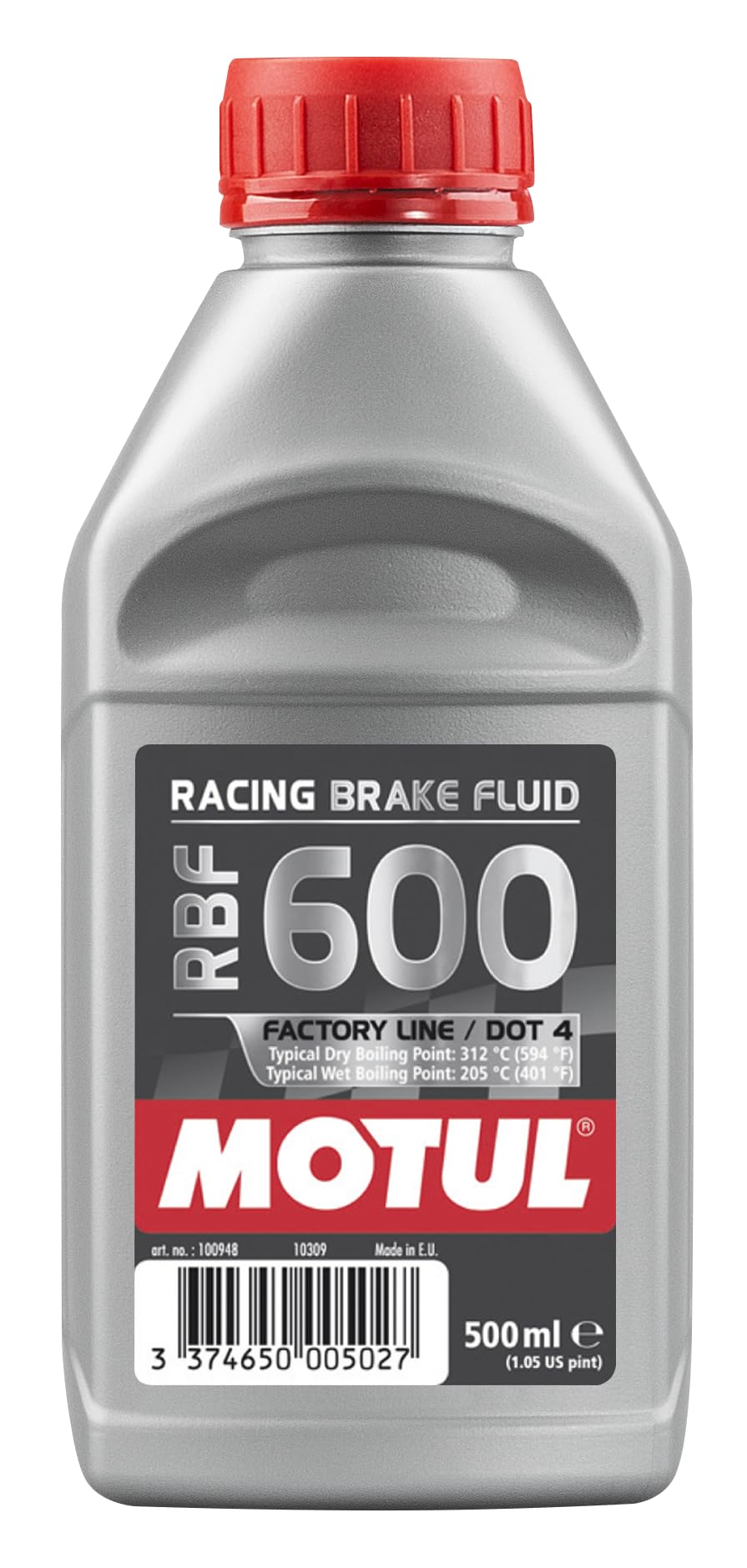
Motul RBF600 is a 100% synthetic DOT 4 racing brake fluid intended for hydraulic brake and clutch systems that require a non-silicone synthetic fluid. Its manufacturer-published dry boiling point is 312°C (594°F), making it particularly attractive for repeated high-temperature braking.
It makes the most sense for track-day cars, competition-oriented motorcycles, and performance vehicles that routinely generate more brake heat than normal commuter vehicles. For ordinary street driving, that extra thermal capability may be unnecessary.
Who Should Buy This
Choose RBF600 if your vehicle requires a compatible glycol-based fluid and you regularly participate in HPDE events, track sessions, performance riding, or other situations involving repeated hard braking.
Who Should Avoid This
Skip it if your vehicle specifies an incompatible fluid type or if you only need a basic street-maintenance fluid and have no need for racing-level heat resistance.
What People Say
Marketplace feedback changes continuously, so this guide does not lock in an Amazon star rating or review count. Check the live product page for the most recent comments about packaging, bleeding, and track-day performance.
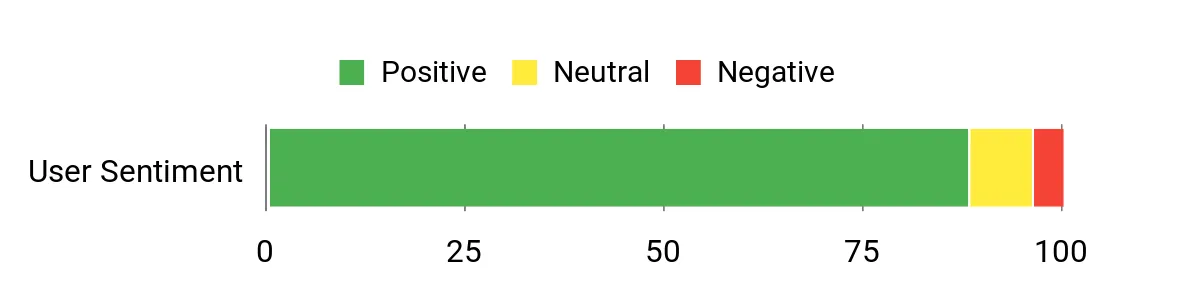
Sentiment Note: The chart below should be treated as a historical snapshot rather than current marketplace data.
Versatility
RBF600 can suit performance cars and motorcycles whose hydraulic systems call for an appropriate non-silicone brake fluid. Its strongest reason to buy is high-temperature use rather than basic commuting.
Handling & Disposal
Keep brake fluid clean, tightly sealed, and away from paint and contaminated tools. Dispose of drained fluid according to local automotive chemical or hazardous-waste requirements rather than pouring it into drains or onto the ground.
Key Benefits
- 100% synthetic DOT 4 racing brake fluid
- Manufacturer-published 312°C (594°F) dry boiling point
- Designed for severe brake temperatures
- Suitable for compatible hydraulic brake and clutch systems
Check Product Details on Amazon
Prestone AS401

Prestone AS401 belongs to Prestone’s DOT 3 brake-fluid line and is aimed primarily at vehicles that specifically call for DOT 3 fluid. Prestone describes its current DOT 3 formula as exceeding the DOT 3 minimum requirement and providing additional protection against performance decline as moisture accumulates.
This is the straightforward street-oriented option in the group. It makes more sense for ordinary cars requiring DOT 3 than paying extra for racing-focused fluid that may provide no meaningful advantage in normal commuting.
Who Should Buy This
Consider Prestone if your owner’s or service manual specifies DOT 3 and you need fluid for normal maintenance, flushing, or bleeding.
Who Should Avoid This
Do not choose it merely because it is inexpensive if your vehicle requires a different brake-fluid specification. Performance drivers repeatedly exposing brakes to track temperatures may also prefer a compatible higher-boiling racing fluid.
What People Say
Current Amazon ratings and review totals can change, so verify the live listing if buyer feedback is important to your decision. Pay particular attention to recent comments about packaging condition and whether buyers received the expected DOT specification.
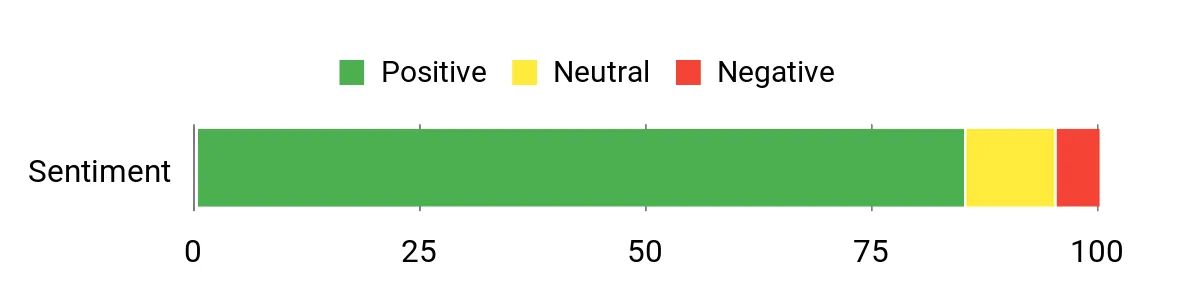
Sentiment Note: The chart below should be treated as a historical snapshot rather than current marketplace data.
Versatility
This fluid is best viewed as a routine-maintenance choice for compatible DOT 3 street vehicles rather than a universal fluid for every modern brake system.
Handling & Disposal
Brake fluid can absorb moisture after opening, so keep the cap tightly closed and avoid storing partially used fluid for long periods without checking manufacturer guidance. Dispose of used fluid through an appropriate local automotive-waste program.
Key Benefits
- Designed for vehicles requiring DOT 3 brake fluid
- Exceeds the DOT 3 minimum performance requirement according to Prestone
- Includes corrosion-protection claims for braking-system metals
- Practical choice for normal street maintenance
Service Note: Prestone markets its current DOT 3 formula as extended-life fluid, but always follow your vehicle manufacturer’s required inspection and replacement schedule if it calls for earlier service.
Check Product Details on Amazon
Castrol SRF

Castrol React SRF Racing is a specialist high-performance racing brake fluid designed for severe competition braking. Castrol lists it as meeting or exceeding DOT 3 and DOT 4 performance requirements and publishes an exceptionally high dry boiling point of 325°C, with regional technical information also listing a wet boiling point above 260°C.
Important chemistry clarification: Castrol SRF is not DOT 5 silicone brake fluid. Castrol describes it as using silicon ester technology and states that it is compatible with conventional glycol-ether brake fluids. “Silicon ester” and “silicone DOT 5” are not interchangeable terms.
Who Should Buy This
SRF is most compelling for serious track-day drivers, racing and rally applications, and other compatible braking systems exposed to repeated severe heat where both dry and wet boiling performance matter.
Who Should Avoid This
Daily drivers who never approach extreme brake temperatures may not benefit enough from this specialist fluid to justify choosing it over the correct conventional fluid for their vehicle. It must also not be used where the manufacturer specifies an incompatible silicone or mineral-oil hydraulic fluid.
What People Say
Rather than relying on a fixed marketplace rating, check current reviews for recent track-use experiences, packaging feedback, and application-specific comments.
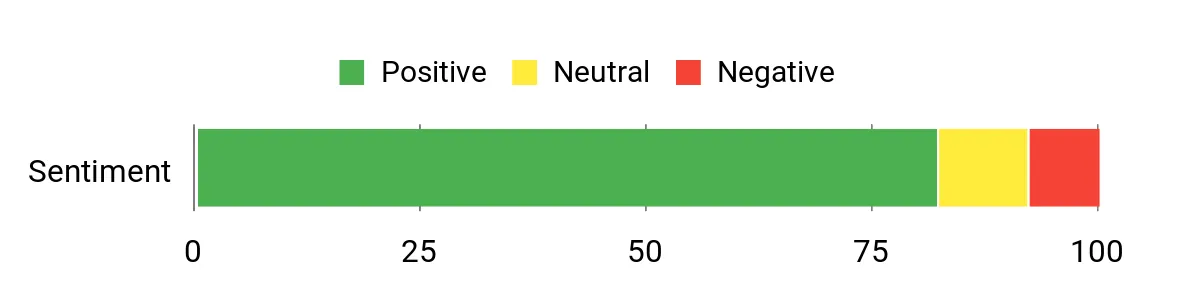
Sentiment Note: The chart below should be treated as a historical snapshot rather than current marketplace data.
Versatility
SRF is focused on motorsport and severe-duty performance rather than being a default upgrade for every commuter. Its main advantage is maintaining a large boiling-point margin under demanding braking conditions.
Handling & Disposal
Treat used SRF as automotive chemical waste and follow local disposal requirements. Keep fresh fluid clean and sealed, and avoid contamination with petroleum products, water, or incompatible hydraulic fluids.
Key Benefits
- Purpose-built for competitive motorsport and severe braking
- 325°C published dry boiling point
- Very high published wet boiling performance
- Meets or exceeds DOT 3 and DOT 4 performance requirements
- Compatible with conventional glycol-ether brake fluids according to Castrol
Compatibility Note: Do not confuse Castrol’s silicon ester technology with DOT 5 silicone brake fluid. Always verify the fluid specification required by your vehicle before servicing the system.
Check Product Details on Amazon
Lucas Oil
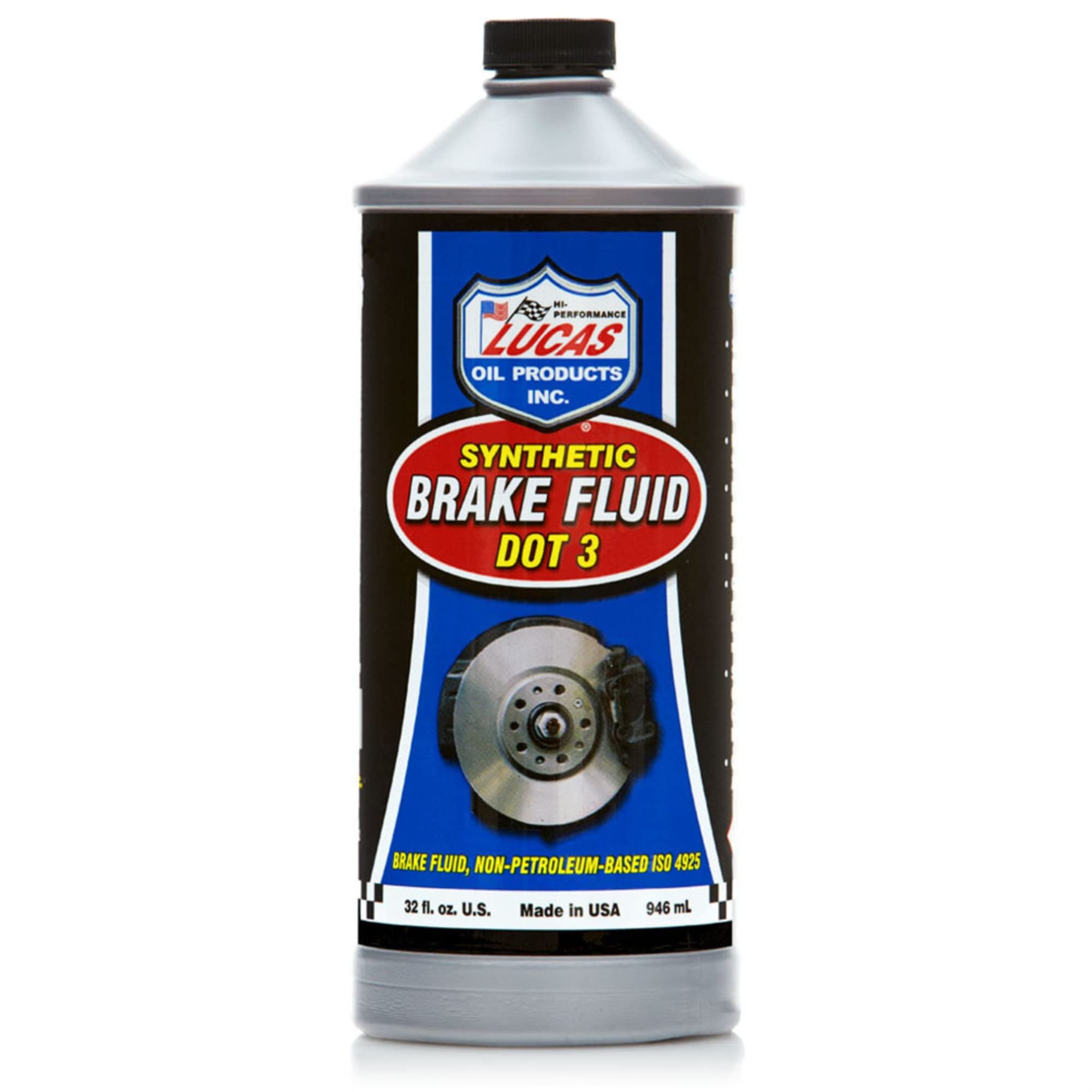
Lucas Oil product #10826 is the 1-quart version of the company’s DOT 3 synthetic brake fluid. Lucas describes the formula as a blend of polyethylene glycol ethers and additives that meets or exceeds the DOT 3 minimum dry boiling point of 401°F.
The main attraction is straightforward: you get a full quart for compatible disc, drum, or clutch hydraulic systems that specifically call for DOT 3 fluid. That makes it practical for larger maintenance jobs where a small bottle may not be enough.
Who Should Buy This
Choose Lucas #10826 if your vehicle specifies DOT 3 and you want a larger container for a planned flush, bleed, or maintenance job.
Who Should Avoid This
Do not use the larger bottle size as a reason to choose DOT 3 when your vehicle specifies something else. Drivers with sustained racing temperatures should also compare appropriate high-performance fluids.
What People Say
Check the current Amazon product page for live ratings and recent buyer comments rather than relying on a fixed review count that may quickly become outdated.
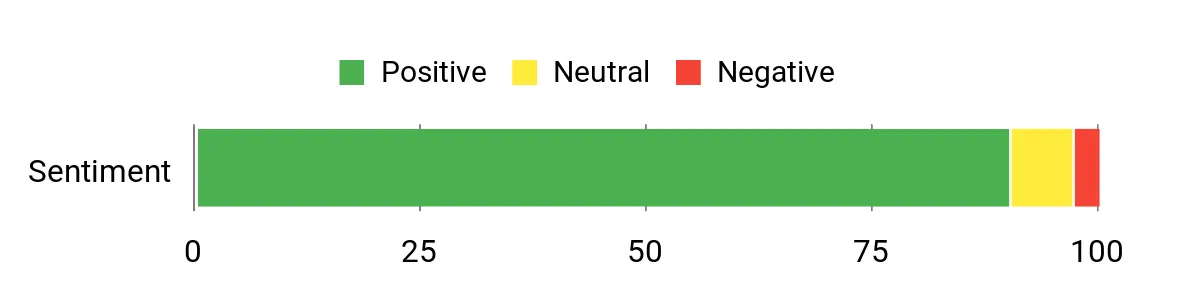
Sentiment Note: The chart below should be treated as a historical snapshot rather than current marketplace data.
Versatility
The quart format is convenient for DIY maintenance on compatible DOT 3 cars, trucks, and hydraulic clutch systems. Its purpose is dependable conventional service rather than providing racing-level boiling performance.
Handling & Disposal
Only pour fluid from a clean container and keep unused fluid tightly sealed. Brake fluid should be kept away from painted surfaces and disposed of according to local automotive chemical-waste rules.
Key Benefits
- DOT 3 brake fluid for compatible systems
- Product #10826 comes in a 1-quart container
- Meets or exceeds the 401°F DOT 3 minimum dry boiling point according to Lucas
- Suitable for compatible disc, drum, and hydraulic clutch systems
Check Product Details on Amazon
Ravenol R325+
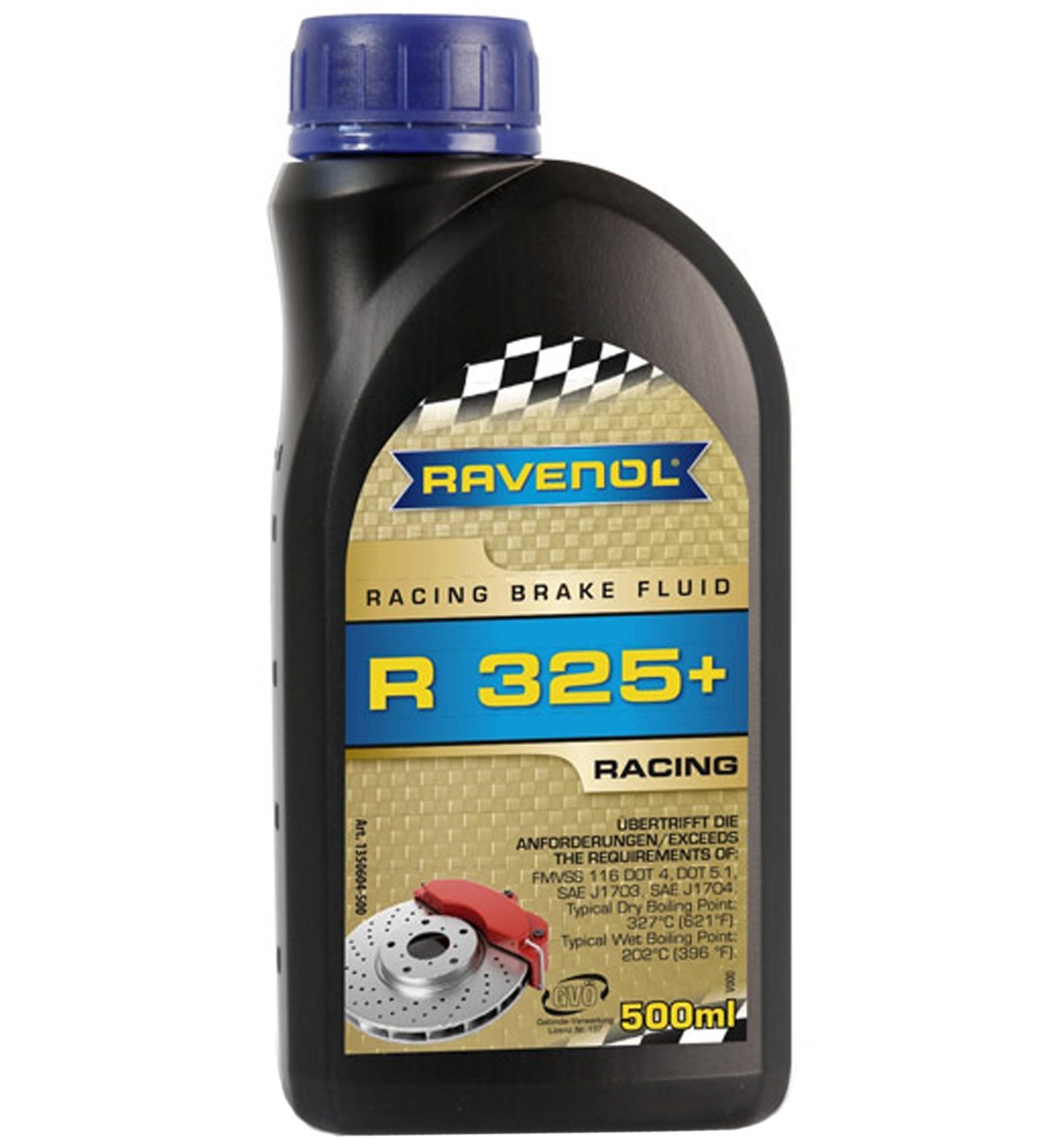
Ravenol R325+ is another dedicated racing brake fluid designed for extreme motorsport conditions. Ravenol publishes a 327°C dry boiling point and a 202°C wet boiling point, giving buyers concrete performance figures for comparison with other track-focused fluids.
It is a logical alternative for cars and motorcycles that see repeated heavy braking during track events. The standard 500 ml container can also be convenient when you want fresh fluid in smaller quantities.
Who Should Buy This
Consider R325+ if you need a racing-oriented fluid for a compatible system and your priority is maintaining a strong boiling-point margin during repeated high-temperature braking.
Who Should Avoid This
For routine commuting, its motorsport focus may provide little practical advantage over the correct conventional fluid specified by your vehicle manufacturer.
What People Say
Because marketplace ratings can change, check the current listing for recent feedback about track use, packaging, and bleeding rather than relying on an old fixed review count.
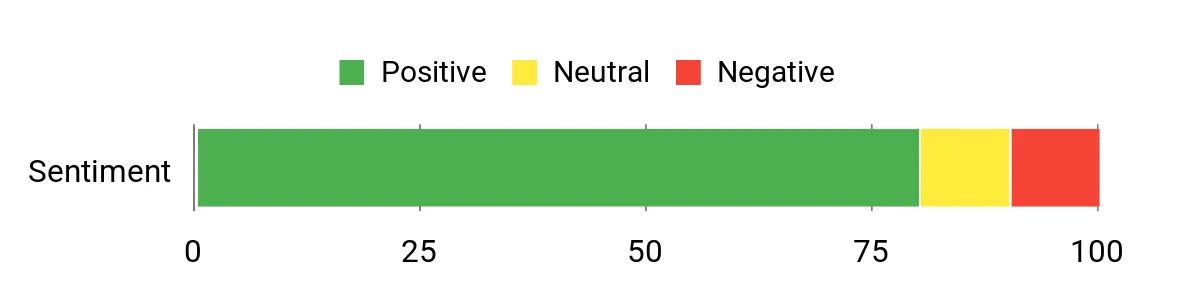
Sentiment Note: The chart below should be treated as a historical snapshot rather than current marketplace data.
Versatility
This is primarily a performance and motorsport fluid. It can make sense in compatible street-driven performance vehicles, but its clearest advantage appears when the braking system repeatedly experiences substantial heat.
Handling & Disposal
Keep the fluid sealed and uncontaminated before use. Dispose of drained brake fluid through an appropriate automotive-waste program and never release it into soil, drains, or waterways.
Key Benefits
- 327°C published dry boiling point
- 202°C published wet boiling point
- Developed specifically for motorsport use
- 500 ml container size
Check Product Details on Amazon
How to Choose the Right Brake Fluid
1. Start With the Required Specification
Your vehicle manufacturer’s required brake-fluid specification comes before brand, marketing claims, or boiling-point comparisons. Check the owner’s manual, service information, or reservoir-cap specification before buying.
2. Match Performance to How You Drive
Normal street vehicles usually need the correct OEM-specified fluid rather than the most expensive racing product. Track cars and motorcycles can benefit from a greater boiling-point margin because repeated hard braking generates far more heat.
3. Do Not Confuse DOT 5 With DOT 5.1
DOT 5 silicone brake fluid is chemically different from conventional glycol-based DOT 3, DOT 4, and DOT 5.1 fluids. Never assume fluids are interchangeable simply because their DOT numbers look similar.
4. Consider Wet Performance for Long-Term Use
The dry boiling point describes fresh fluid, while the wet boiling point helps indicate how the fluid performs after moisture exposure. For repeated performance driving, both numbers matter.
5. Buy the Right Amount
A top-off may require very little fluid, while a complete flush can require substantially more. Check the service procedure for your vehicle instead of assuming one bottle will always be sufficient.
Safety Note
Brake-system service is safety-critical. Keep fluid clean, avoid introducing air or incompatible fluids into the hydraulic system, and use the proper bleeding procedure. If you are not confident servicing brakes, use a qualified technician.
FAQ
Which Brake Fluid Should I Choose?
Start by checking your vehicle manual or service information. Match the required DOT rating and fluid chemistry first, then consider your use. Street drivers generally need the correct manufacturer-specified fluid, while frequent track users may benefit from a compatible fluid with substantially higher dry and wet boiling performance.
Can I Mix Different Brake Fluids?
Avoid mixing brake fluids unnecessarily. Some conventional glycol-based brake fluids are chemically compatible, but mixing can reduce the performance advantage of the higher-spec fluid. More importantly, DOT 5 silicone fluid must not be treated as interchangeable with conventional DOT 3, DOT 4, or DOT 5.1 fluid.
If changing products, follow the vehicle and fluid manufacturers’ compatibility guidance and use the proper flush and bleed procedure where required.
Is Castrol SRF Silicone Brake Fluid?
No. Castrol React SRF Racing uses silicon ester technology, but it is not DOT 5 silicone brake fluid. Castrol identifies SRF as meeting or exceeding DOT 3 and DOT 4 performance requirements and states that it is compatible with conventional glycol-ether brake fluids.
How Often Should I Change Brake Fluid?
Follow the service interval specified by your vehicle manufacturer. Climate, moisture exposure, track use, and fluid type can all affect service needs. Racing and track vehicles commonly require more frequent inspection and fluid replacement than normal street vehicles.
How Should I Dispose of Used Brake Fluid?
Keep drained fluid in a suitable closed container and take it to an appropriate automotive or hazardous-waste collection facility according to local rules. Do not pour brake fluid into drains, onto soil, or into waterways.
Which Type Fits You?
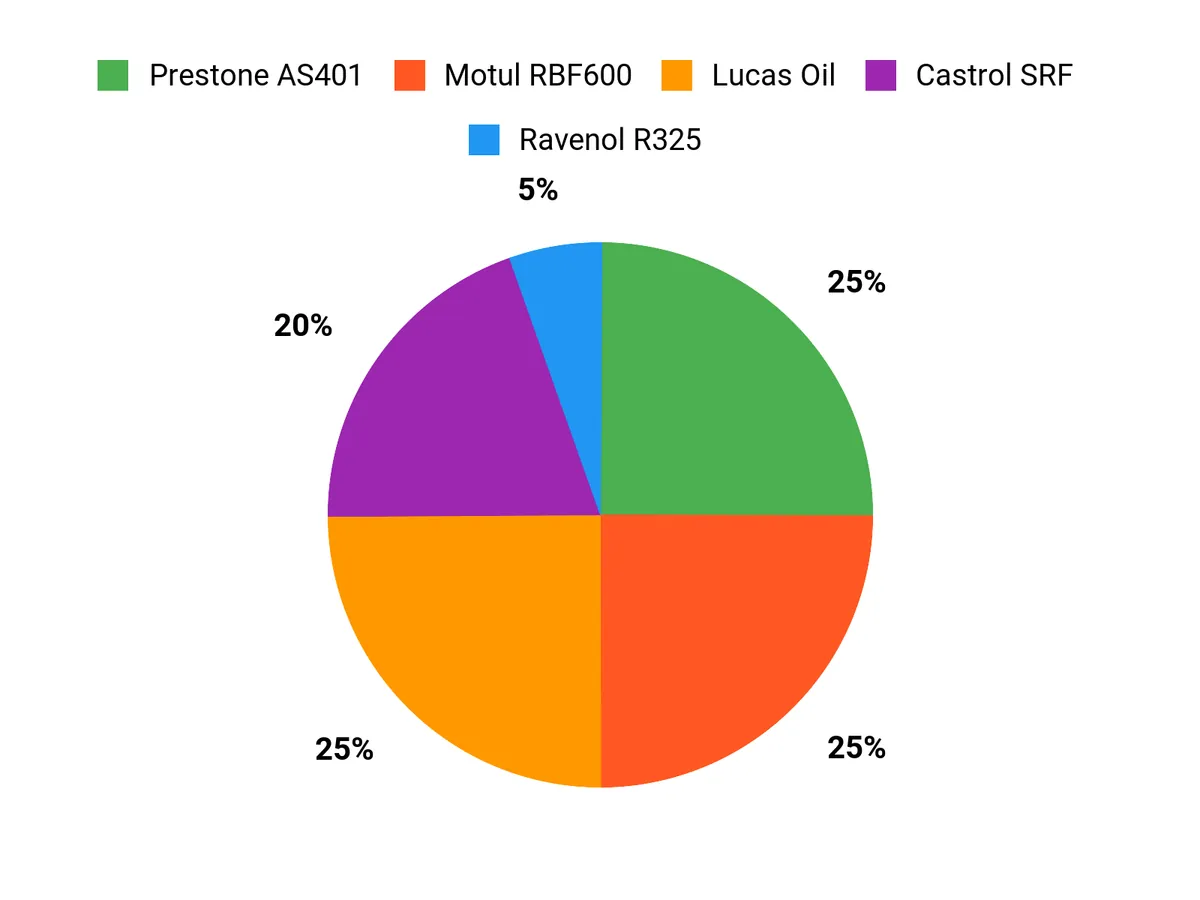
If your main concern is repeated track braking, focus on manufacturer-verified thermal performance and choose among products such as Castrol SRF, Motul RBF600, and Ravenol R325+ only after confirming compatibility. If you mainly drive on the street and your vehicle calls for DOT 3, Prestone and Lucas provide more conventional maintenance-focused options.
Wrapping Up
There is no single brake fluid that is automatically best for every vehicle. For severe track conditions, Castrol SRF, Motul RBF600, and Ravenol R325+ provide performance-focused options with strong manufacturer-published thermal specifications. Castrol SRF stands out as a premium motorsport choice, while Motul and Ravenol offer compelling alternatives for serious performance use.
For routine street maintenance on vehicles that specifically require DOT 3, Prestone AS401 and Lucas Oil #10826 are more straightforward choices. The safest buying decision is always to match the required specification first and then choose the product whose performance and bottle size fit the way you actually use the vehicle.
Final Recommendation
Track and competition: Start your comparison with Castrol SRF, Motul RBF600, and Ravenol R325+.
Normal DOT 3 street maintenance: Compare Prestone AS401 and Lucas Oil #10826.
Before ordering: Verify the exact brake-fluid requirement for your vehicle. Compatibility matters more than rankings.
| Product Name | Image | Best For | Verified Performance / Specification | Use Cases |
|---|---|---|---|---|
| Motul RBF 600 Brake Fluid DOT 4 |
|
High-temperature track use | DOT 4; published dry boiling point: 312°C (594°F) |
|
| Prestone AS401 DOT 3 Synthetic Brake Fluid |
|
Daily DOT 3 maintenance | DOT 3; manufacturer states current formula exceeds DOT 3 minimum requirements |
|
| Castrol SRF Racing Brake Fluid |
|
Premium motorsport use | Meets/exceeds DOT 3 & DOT 4; published dry boiling point: 325°C; wet performance above 260°C in Castrol regional technical information |
|
| Lucas Oil 10826 Brake Fluid |
|
Value 1-quart DOT 3 maintenance | DOT 3; meets or exceeds 401°F minimum dry boiling point; 1-quart product #10826 |
|
| RAVENOL R325+ Racing Brake Fluid |
|
Track-day alternative | Published dry boiling point: 327°C; wet boiling point: 202°C |
|
This roundup is reader-supported. When you click through qualifying affiliate links, we may earn a referral commission at no additional cost to you.