

Accuracy as of . Figures reflect the City of Los Angeles or the LA-Long Beach-Anaheim area where noted; always verify exact costs for your address.
Quick Answer
- Single people typically spend $3,600 to $3,800 per month total (around $2,200 for 1BR rent plus $1,400 for other costs).
- A family of four should budget $6,500 to $8,500 or more, based on housing and childcare.
- Rent makes up about 61% of a single renter’s budget. Add $230 to $350 for utilities, internet, and phone.
- Transportation runs $72 a month with public transit or $300 to $400 if driving.
- Home buying starts at a median of $975K with mortgage rates near 6.00%. Property taxes are 1% base plus local add-ons.
Monthly Budget Breakdown for Singles and Families

Expect higher monthly costs than the U.S. average. A single person’s non-rent spending often lands around $1,400 per month based on crowdsourced numbers. Pair that with the city’s 1-bedroom median of $2,200, and the total comes to roughly $3,600–$3,800 per month for one person in 2026.1, 14 Families vary more. It depends on bedrooms and childcare. A good benchmark is HUD’s 2026 2-bedroom FMR of $2,625–$2,866. Layer on food, utilities, transportation, and childcare, and a family of four usually needs $6,500–$8,500 per month or more as of February 2026.4, 6, 18.
Rent share example (as of Feb 2026): $2,200 (1BR median) ÷ ($2,200 + ~$1,400 non-rent) ≈ 61%1, 14.
Average Rent by Unit Type and Neighborhood

Citywide as of February 2026, typical asking rents are about $1,700 for studios, $2,200 for one-beds, and $3,000 for two-beds.1 Other apartment platforms with bigger samples show similar figures. For example, studios ≈ $1,706, 1-beds ≈ $2,171, and 2-beds ≈ $2,990.3 For voucher programs or affordability checks, HUD’s 2026 median rents for LA County are $2,026 for studios, $2,272 for 1-beds, and $2,866 for 2-beds.4.
As of Feb 2026: studios ≈ $1,700, one-beds ≈ $2,200, two-beds ≈ $3,000 in the City of Los Angeles.1
Rents go up in top areas like Silver Lake and West Hollywood. LA’s 1-bed median of $2,200 is about 45% above the national median of $1,517 in early 2026.1, 2 If you stay flexible on where you live, less central spots or shared housing can lower costs a lot. Private rooms average about $1,300 citywide.1.
When comparing studios to one- and two-bedrooms, consider commute time, amenities, and your full monthly costs with utilities and transportation. This way, you balance lifestyle and affordability in LA’s high-cost scene.
Utilities, Internet, and Phone Costs

Core utilities (electricity, gas, water, trash) for an apartment usually run $150–$230 or more per month. It depends on unit size, your usage, and whether water or trash comes with the rent. As of 2026, LA’s average electricity price is around 29¢ per kWh. Natural gas averages about $1.51 per therm.7 Internet plans commonly cost $50–$80 per month with providers like Spectrum or AT&T Fiber.8 Mobile plans range from $15–$85 per month. It depends on the carrier, data needs, and current promos.9 Put together, utilities plus internet plus phone often total $230–$350 or more monthly in 2026.
Average Monthly Utilities
- Core utilities (electricity, gas, water, trash): ~$150–$230 or more (depends on usage). Electricity runs ~29¢/kWh. Gas runs ~$1.51/therm.7.
- Internet: ~$50–$80 per month for standard plans in LA (AT&T Fiber, Spectrum).8.
- Mobile plan: ~$15–$85 per month depending on carrier and data.9.
- Combined estimate: ~$230–$350 or more per month for most renters.
Internet and Phone Plans
Expect internet around $50–$80 per month and mobile between $15–$85 for a single line. Premium unlimited plans from major carriers cost more. MVNOs like Mint offer cheaper options.9.
If you rely on public transportation, the base fare is $1.75. Fares cap at $5 per day and $18 per 7 days. There is no official monthly pass. But hitting the 7-day cap each week gives an effective ~$72 spend over a 4-week month.5 Parking often adds $100–$300 or more per month depending on area and garage.15.
Grocery and Dining Expenses

LA grocery costs run above the U.S. average. The local CPI for “food at home” rose about 3–4% year over year through early 2026. A good starting point for one person is $400–$550 per month. The actual amount varies by your diet and shopping habits.6 Track receipts for a full month to find your baseline. Combine discount chains with occasional dining out.
- Dining out: Mid-range dinner for two varies a lot by spot. Cocktails run $12–$20 or more.
- Fast options: Quick-serve meals cost $10–$15 or more in 2026.
- Meal prepping: Bulk cooking and pantry staples lower the cost per meal. School plans or work cafeterias help too.
Transportation: Driving, Public Transit, and Rideshares

About 84% of residents drive at least sometimes. Car owners should budget $300–$400 or more per month for insurance, maintenance, and fees (not including loan payments). Then factor in gas. In early February 2026, LA regular gasoline averaged roughly $4.50–$4.70 per gallon according to weekly reports from AAA. The state average was near $4.60.10 Parking can add $100–$300 or more per month depending on neighborhood.15.
Public transit: LA Metro base fare is $1.75 with fare capping at $5 per day and $18 per 7 days (no monthly pass). Frequent riders hitting the weekly cap pay effectively ~$72 over a 4-week month.5 Rideshares work well but get expensive with regular use. They can top transit costs quickly.
When planning transportation, compare commute time, reliability, and total monthly spend. State income tax and employer transit benefits can also affect your final costs.
Products Worth Considering

Protect Your Documents: Car registration and insurance holder protects documents from wear and tear, takes up little space in glove compartment or on the visor. It enables your important and essential vehicle and insurance paperwork organized and easily accessible

What You Receive: you will get 2 pieces auto registration card holders in various colors, enough quantity to meet your daily use needs, helping you to collect your driving license and other important documents on a daily basis

Protect Your Documents: Car registration and insurance holder protects documents from wear and tear. It takes up little space in the glove compartment or on the visor. It enables your essential vehicle and insurance paperwork organized and easily accessible.
Healthcare, Insurance, and Personal Care Costs

For 2026, Covered California reported an average premium increase of about +10.3% statewide. Many people avoid the full hit thanks to subsidies. Premiums for LA County individuals vary by age and plan tier. Shop the Covered California exchange each fall for current rates and subsidies.12, 8 As a budgeting proxy, many single adults set aside $200–$400 per month for net premiums plus copays and prescriptions. Adjust to your specific plan.
Medical Visit Prices
Provider rates vary by network. Check in-network copays for primary care visits, dental cleanings, and eye exams to avoid surprises. LA CPI shows modest health-care inflation in 2026. Set aside a buffer for occasional care.6.
Health Insurance Premiums
Keep an eye on Covered California’s annual rate notices and subsidy rules. Watch for any policy changes that could impact 2026 premiums if federal enhancements end.12.
Personal Care Expenses
- Health insurance & medical: Budget your plan’s net premium plus typical copays.
- Personal care & grooming: Haircuts, nails, toiletries—often $40–$80 or more per month combined.
- Gym & wellness: $40–$70 or more. Check for student or employer discounts.
Housing Market: Buying, Mortgages, and Property Taxes

Buying in LA stays expensive. As of February 2026, the Zillow typical home value for Los Angeles is about $933,000. Redfin’s median sale price is roughly $975K.11 The 30-year fixed mortgage rate recently hovered near 6.00%.12 Under California’s Prop 13, the base property tax rate is 1% of assessed value plus voter-approved local assessments (varies by neighborhood).13.
Example affordability check (as of Feb 2026): To keep rent near 30% of gross income, a $2,200 1-bed implies roughly $88,000 annual income. That’s a starting point for negotiating compensation or choosing roommates.1, 14
With current home prices and rates, monthly PITI for a median LA home often exceeds comparable rent. This is true unless you have a strong down payment or choose lower-priced neighborhoods.
Products Worth Considering
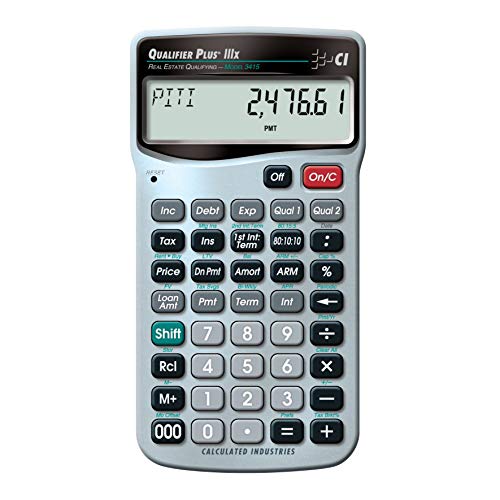
SPEAKS YOUR LANGUAGE with keys clearly labeled in residential mortgage finance terms like Loan AMT, Int, Term, PMT. This industry-standard calculator is super easy to use on all realty financing matters from finding a loan that works for your client to considering trust deeds investments, or finding remaining balances or balloon payments and much more

SPEAKS YOUR LANGUAGE with keys clearly labeled in residential mortgage finance terms like Loan Amt, Int, Term, Pmt; this industry-standard calculator is super easy to use on all realty financing matters from finding a loan that works for your client to considering trust deeds investments, or finding remaining balances or balloon payments and more

SPEAKS YOUR LANGUAGE with keys clearly labeled in residential mortgage finance terms like Loan Amt, Int, Term, Pmt; this industry-standard calculator is super easy to use on all realty financing matters from finding a loan that works for your client to considering trust deeds investments, or finding remaining balances or balloon payments and more
Money-Saving Tips and Affordable Neighborhoods
- Shared housing: Rooms average about $1,300 citywide. House or apartment shares can cut rent by a third or more.1.
- Time your lease: Look for off-season concessions and pre-lease specials. Compare net-effective rent.
- Groceries: Aim for $300–$450 with meal planning, bulk staples, and discount chains. Adjust to your needs.6.
- Transit vs. parking: Using LA Metro with fare capping ($18/7 days) can beat $100–$300 or more per month parking in many neighborhoods.5, 15.
Products Worth Considering


🎁【Creativity House Bed for 2 Kids】The twin house bed with drawers is designed with an adorable house shape which is relatively popular among children,kids will have adequate sense of security.You can with your kids decorated the bed frame with ribbons or lanterns on the eaves,so your kids will have their own private space.

Used Book in Good Condition
Frequently Asked Questions
What Is the Average Cost of Living in Los Angeles per Month?
For a single renter in early 2026, a practical total is around $3,600–$3,800 (1-bed median rent plus typical non-rent costs). Families vary widely by bedroom count and childcare. A family of four commonly lands in the $6,500–$8,500 range.1, 4, 6, 18.
What Salary Do I Need to Live Comfortably in Los Angeles?
Using the 30% housing rule with today’s $2,200 1-bed median, target at least $88k–$95k gross for comfortable room in the budget (more if you add car payments, childcare, or savings goals).1, 14.
Is $10,000 Enough to Move to LA?
It could work for startup costs if you find shared housing, keep deposits low, and get income going soon. Build a cushion for transit, groceries, and paycheck gaps.
Is $50,000 Enough to Live in LA?
It is tight for a single renter. Consider roommates, lower-cost neighborhoods, and heavy use of public transit to stay on budget.
Conclusion
LA is pricey, but the numbers help you take control. With a $2,200 1-bed median and $230–$350 for utilities, internet, and phone, your core costs can top $2,400 before groceries and transportation. Testing options like different neighborhoods, adding a roommate, or using fare-capped transit can save thousands each year. Track your spending for 30 days. Then recheck your budget with the sources below.
References
- Zumper – Los Angeles, CA Rent Report (updated monthly). 1BR/2BR/studio medians and room prices (accessed Feb 26, 2026).
- Zumper – National Rent Report (January 2026): 1BR ≈ $1,517; 2BR ≈ $1,894.
- Apartments.com – Los Angeles Market Overview Averages (accessed Feb 26, 2026).
- HUD 2026 Fair Market Rents / Small Area FMRs – Los Angeles County (via USHousingData).
- LA Metro – Fares & Fare Capping ($1.75 base; $5 daily; $18 per 7 days). | LA Metro Press Release on fare capping.
- BLS – CPI, Los Angeles Area (2026 releases): food & energy trends.
- BLS – Average Energy Prices, Los Angeles (electricity ¢/kWh; natural gas $/therm).
- AT&T Fiber (plans & typical pricing). | Spectrum Internet (plans & typical pricing).
- T-Mobile plan lineup (pricing varies). | Verizon myPlan Unlimited Welcome FAQs. | TechRadar – Verizon unlimited plans & prices (overview). | WhistleOut – Best Mint Mobile plans (price points).
- AAA – California gas price averages (daily). | EIA – Weekly LA retail gasoline prices (regular).
- Zillow – Typical Home Value, City of Los Angeles (≈ $933K as of 2026). | Redfin – LA Housing Market (median sale ≈ $975K).
- Reuters – 30-year fixed mortgage around 6.30% (Oct 9, 2025). | Covered California – 2026 Rates Release (+10.3% avg).
- California Board of Equalization – Property Tax (Prop 13: base 1% + voter-approved).
- Numbeo – Cost of Living in Los Angeles (typical non-rent monthly costs for one; crowdsourced).
- SpotAngels – Guide to Monthly Parking in LA (price ranges). | Spacer – Downtown LA monthly parking (sample ranges).
- KidsData (CA) – Annual cost of child care by county & facility type (context).

1 thought on “Cost of Living in Los Angeles 2026: Rent, Budgets & Saving Tips”
Pingback: Average Living Cost In Bakersfield: Monthly Budget, Rent & Essentials