What’s in This Article
- Housing Costs and Rent Breakdown
- Monthly Utilities and Home Expenses
- Transportation and Commuting Costs
- Food, Groceries, and Dining Out
- Healthcare, Insurance, and Medical Expenses
- Education, Childcare, and Schooling Costs
- Sample Monthly Budgets for Lancaster
- Taxes, Local Fees, and Cost Comparisons
- Frequently Asked Questions
Lancaster can look affordable at first, but your real monthly cost depends on rent, childcare, transport, and health insurance. According to regional real estate market data, average rent in Lancaster sits near $1,484 per month, with studio apartments near $1,223 and two-bedroom units around $1,723. Some median rent estimates sit lower depending on whether you choose Lancaster City proper or surrounding County townships, so compare several rental sources before setting your budget. This guide breaks down the main monthly costs so you can plan with fewer surprises.
Quick Answer
A single renter in Lancaster may need about $2,700 to $3,600 per month before savings, depending on rent and health insurance choices. A family with childcare may need $5,000 to $7,500+ per month because daycare, health coverage, and vehicle transport add up fast. To keep average rent near 30% of gross income, target about $4,946 per month ($59,352 per year) before taxes.
| Expense Category | Single Renter (Est./Mo) | Family of 4 (Est./Mo) | Local Benchmark / Key Detail |
|---|---|---|---|
| Housing / Rent | $1,223 – $1,484 | $1,723 – $2,400+ | $1,484 city 1-BR average |
| Utilities & Internet | $325 – $360 | $450 – $550 | PPL Electric, UGI Gas, Water/Sewer |
| Food & Groceries | $350 – $500 | $900 – $1,300 | Staples + local markets |
| Transportation | $150 – $300 | $400 – $750 | RRTA bus ($58/mo pass) vs. auto gas/repairs |
| Healthcare | $250 – $450 | $600 – $1,200 | PA Pennie exchange / employer plan options |
| Taxes (State/Local) | 3.07% PA Tax + EIT | 3.07% PA Tax + EIT | 1.1% City EIT + $156 LST + 6% Sales Tax |
Key Takeaways
- Rent will likely be your biggest monthly cost in Lancaster, averaging $1,484 for a one-bedroom apartment.
- Utilities, high-speed internet, and mobile service add about $330 per month before rent.
- Driving often costs more than transit because fuel, parking, and maintenance stack together, though RRTA buses offer local savings.
- Childcare and private school costs can change a family budget by $780 to $1,250+ per child each month.
- Check local municipal Earned Income Tax (EIT) rates and current listings before signing a lease or buying a home.
Housing Costs and Rent Breakdown
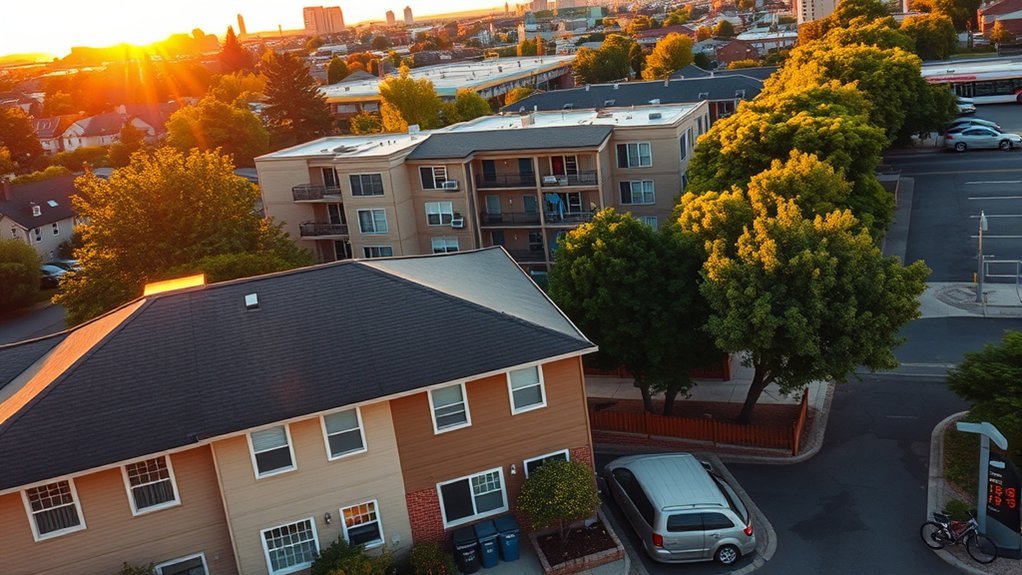
Looking for a place in Lancaster? You’ll find rent that often sits below major East Coast metro areas. One local rent estimate puts the city’s average rent near $1,484 per month, compared with a U.S. average near $1,629. Studio units run around $1,223, one-bedrooms match the city average near $1,484, and two-bedrooms average about $1,723.
You may also see lower median rent figures from Census and U.S. Department of Housing and Urban Development sources, including estimates near $1,200 or $932 for older units outside the center. Treat these numbers as planning ranges, not fixed prices. Rent changes significantly by unit size, building age, lease terms, and specific neighborhood.
Location choice matters across Lancaster County. Oakview Estates, Ross, and the Stadium District often price lower than Uptown, Chestnut Hill, and Downtown Lancaster City center. Furthermore, moving outside city limits into surrounding townships—such as Manheim Township, Hempfield, or East Lampeter—can change property tax rates and school district access while shifting housing prices. To cover average rent using the standard 30% housing-cost guideline, target about $4,946 in gross monthly income, or roughly $59,352 per year. Learn more about how much rent you can afford before starting your search.
Note: Rent estimates vary by source, so check live local listings before finalizing your lease budget.
Monthly Utilities and Home Expenses
Utilities and home bills add a steady recurring cost to your Lancaster budget. Electricity in the area is delivered by PPL Electric Utilities, while natural gas heating is supplied by UGI Utilities, and water service is billed through Lancaster City Water or municipal authorities. For a typical 915 sq ft apartment, basic utilities average about $190.55 per month. Electricity and gas heating often run $50 to $100 combined, while municipal water, sewer, and trash collection add $30 to $50.
High-speed internet and basic cable add about $70.81 per month, and a standard mobile phone plan adds around $67.59. Combine these figures to estimate your total recurring monthly utility obligations.
| Utility / Expense Item | Typical Monthly Cost |
|---|---|
| Basic Utilities (PPL Electric, UGI Gas, Water, Sewer, Garbage) | $190.55 |
| High-Speed Internet & Cable | $70.81 |
| Mobile Phone Plan | $67.59 |
| Rent (1-bedroom city center average) | $1,287.50 |
If you choose a apartment outside the city center near $1,100, your utility costs will remain comparable. Larger single-family homes in Lancaster County will raise heating, cooling, and water expenses. Build a seasonal buffer into your budget for winter heating costs and summer air conditioning.
Transportation and Commuting Costs
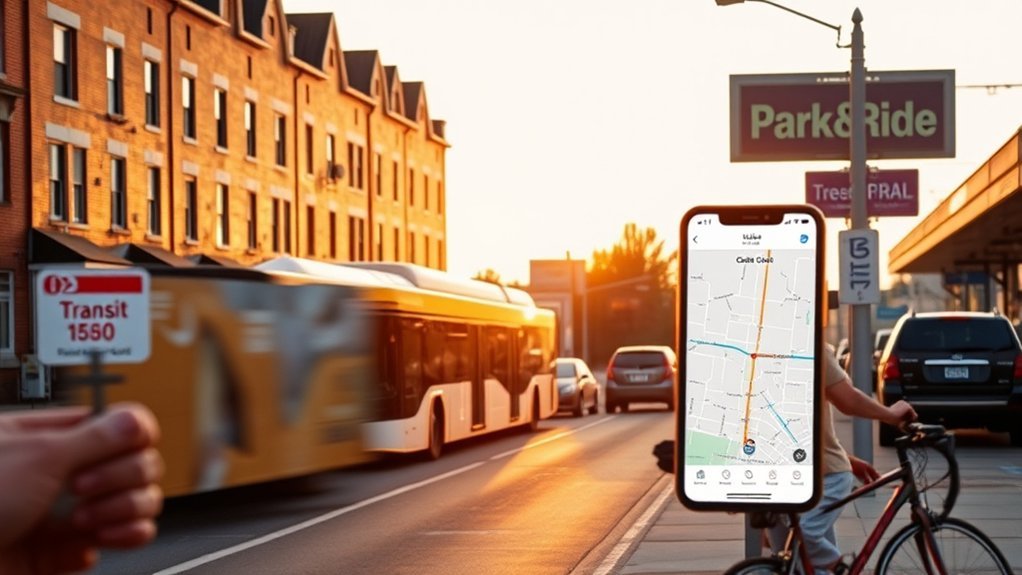
Transportation expenses depend heavily on whether you commute by car or rely on regional transit. Public transportation in Lancaster is provided by the Red Rose Transit Authority (RRTA), where single bus fares cost $1.80 and a monthly pass costs around $58. For regional commuters, Lancaster Station offers convenient Amtrak Keystone Corridor service directly to Philadelphia and New York City.
Driving remains the primary option for most Lancaster County residents, taking Route 30 or Route 222. Vehicle fuel typically adds $150 per month, while auto maintenance and repairs average $50 to $100 per month. Downtown parking garages or workplace permits can add another $20 to $50 monthly. Review your full monthly car ownership costs before choosing a suburban commute.
An average local commute time of 18.7 minutes keeps fuel usage moderate compared to larger metropolitan markets. Longer commutes into nearby Harrisburg or Reading will raise fuel and vehicle wear.
Food, Groceries, and Dining Out

Food expenses in Lancaster stay manageable if you balance grocery cooking with restaurant visits. According to U.S. Bureau of Labor Statistics consumer price estimates, grocery costs in the region align closely with national averages. Local shopping options range from major supermarkets to fresh produce vendors at the historic Lancaster Central Market.
How Much Do Groceries Cost in Lancaster, PA?
A small household can control food costs by focusing on staple foods. Everyday grocery price baselines in Lancaster include:
- Milk (1 gallon): $4.19
- Bread (1 loaf): $2.92
- Eggs (1 dozen): $4.55
- Cheese (1 lb): $5.80
- Chicken Fillets (1 lb): $3.86
Planning weekly meals around regional produce and staple items keeps grocery spending predictable. Specialty coffee, snacks, alcohol, and pre-packaged meals can increase grocery totals significantly.
What Is the Average Cost of Dining Out in Lancaster?
Lancaster features a vibrant downtown dining scene. A mid-range three-course dinner for two at a downtown establishment averages about $65 before tip. Fast-food combo meals cost approximately $11.50 each, while specialty cappuccinos run around $5.07.
To keep food spending balanced, reserve dining out for weekends or special occasions. Allocating a fixed monthly restaurant budget prevents small daily food purchases from overwhelming your overall plan.
Healthcare, Insurance, and Medical Expenses

Healthcare expenses represent a vital monthly line item, particularly for self-employed individuals or those without full employer sponsorship. Individual plan premiums on Pennsylvania’s state health exchange (Pennie) generally range from $200 to $500 per month depending on age and coverage tier, plus out-of-pocket copays and deductibles.
- Health Insurance Premiums: $200 to $500 monthly for individual coverage; $600 to $1,200+ for family plans.
- Prescription Medications: $20 to $50 monthly for common tier-1 generic drugs.
- Dental & Vision Care: $20 to $50 for standalone dental insurance and $10 to $30 for vision plans.
In total, an individual should budget $300 to $650 per month for combined healthcare premiums, routine care, and prescription costs. Maintain a dedicated emergency medical fund to buffer against unexpected hospital bills.
Warning: These healthcare figures are general planning estimates. Request personalized plan quotes directly from insurance providers or Pennie before finalizing your budget.
Education, Childcare, and Schooling Costs

Families moving to Lancaster must evaluate public school fees, private tuition, and daycare rates. While public education keeps direct costs low, full-time childcare can rival monthly rent as a major expense category.
What Are Public School Expenses in Lancaster?
Public schools in Lancaster School District and surrounding county districts (such as Manheim Township or Penn Manor) do not charge tuition. However, families should budget $50 to $100 per month per child to cover classroom supplies, activity fees, field trips, sports equipment, and school lunches.
How Much Does Childcare Cost in Lancaster, PA?
Childcare is one of the largest budget line items for young families. Full-day private infant or preschool care in Lancaster averages $783.33 per month per child, with high-demand facilities charging up to $1,100 per month. Evaluate average daycare costs when planning family expenses.
What Is Private School Tuition in Lancaster?
Private school tuition across Lancaster County ranges from $5,000 to $15,000 per year, translating to roughly $400 to $1,250 per month per child. Additional costs for uniforms, registration, textbook fees, and transportation can add $50 to $150 to monthly totals.
Sample Monthly Budgets for Lancaster
Sample monthly budgets help translate individual cost estimates into a workable household plan. Your total spending will vary based on household size, location, health plan, and car usage.
| Household Type | Estimated Monthly Total Range | Primary Cost Drivers |
|---|---|---|
| Single Renter | $2,700 to $3,600 | Rent (1-bedroom), utilities, groceries, transport, health insurance |
| Renting Couple | $3,700 to $5,000 | 2-bedroom unit, elevated food bills, two phones, vehicle operating costs |
| Family with 1 Child | $5,000 to $7,500+ | Full-time daycare, multi-person health insurance, larger housing unit |
These ranges do not factor in student loan repayments, major consumer debt servicing, or aggressive retirement savings. Ensure your gross income leaves adequate buffer room for emergency savings.
Taxes, Local Fees, and Cost Comparisons
State and municipal taxes affect take-home income in Pennsylvania. Key tax components for Lancaster residents include:
- PA State Income Tax: Flat rate of 3.07%.
- Local Earned Income Tax (EIT): 1.1% resident EIT rate in Lancaster City (surrounding townships range 1.0% to 1.6%).
- Local Services Tax (LST): $156 per year for individuals working within city limits.
- State Sales Tax: 6% state rate with no additional Lancaster County sales tax surcharge.
- Property Tax & Transfer Tax: Average effective property tax rates hover around 1.5% of assessed value. Real estate purchases incur a 2% state/local transfer tax, typically split evenly between buyer and seller.
Carefully compare total tax obligations when weighing renting versus buying a home in Lancaster County.
Pro Tip: Before making a home purchase offer, verify specific municipal and school district millage rates, as property taxes vary considerably between Lancaster City and adjacent townships.
Frequently Asked Questions
What Is the Average Cost of Living in Lancaster, PA?
The average monthly cost of living in Lancaster ranges from $2,700 to $3,600 for a single individual and $5,000 to $7,500+ for a family, depending heavily on housing choices, healthcare coverage, and daycare requirements.
Is Lancaster, PA Affordable Compared to Other Cities?
Lancaster offers moderate affordability compared to major northeastern metro areas like Philadelphia, New York, or Baltimore. With an average one-bedroom rent near $1,484, overall housing expenses sit slightly below national urban averages.
How Does Lancaster Compare to the PA State Average?
Lancaster’s cost of living aligns closely with Pennsylvania state averages. While rent is higher than in rural PA counties, it remains lower than in Philadelphia, Pittsburgh, or Southeast PA suburban corridors.
What Is the Average Electric Bill in Lancaster, PA?
The average electric bill delivered by PPL Electric Utilities runs between $50 and $100 per month for an apartment, escalating during peak summer air-conditioning and winter heating months.
How Much Income Do You Need to Live Comfortably in Lancaster, PA?
Based on the standard 30% housing guideline for average rent ($1,484/month), a single resident needs a target gross income of about $4,946 per month, or $59,352 annually before taxes. Families with children will require a higher income baseline to cover daycare and health insurance.