
What’s in This Article
- What Are the Average Nightly Rates for Budget Hotels in 2026?
- How Do Location and Seasonality Impact Budget Hotel Prices?
- What Amenities Can You Expect in City vs. Rural Budget Hotels?
- How to Score Discounts on Budget Hotels
- Comparing City and Rural Budget Hotels: What’s the Difference?
- What’s the Impact of Booking in Advance on Hotel Costs?
- How to Save on Food While Staying in Budget Hotels
- Budget Hotels vs. Hostels: Which Is Right for You?
- What You Need to Know About Tipping and Extra Costs?
- Frequently Asked Questions
- Conclusion
Budget hotel prices can look cheap at first, but taxes, fees, location, and travel dates can change your final cost fast. In 2026, many budget hotel rooms in the USA may fall near the $60 to $120 range, while busy tourist cities can cost much more during peak dates. This guide explains typical rates, where prices rise, how to save, and what extra costs you should plan for before you book.
Quick Answer
In 2026, a budget hotel in the USA may cost about $60 to $120 per night in many areas. Larger cities, event dates, and high seasons can push rates higher. You can often save by booking outside city centers, choosing midweek nights, and comparing the total price after taxes and fees.
Key Takeaways
- Budget hotels in the USA often cost less outside major tourist zones.
- Peak seasons, weekends, and large events can raise nightly rates quickly.
- Booking a few weeks ahead may help you avoid high last-minute prices.
- Free breakfast, parking, and Wi-Fi can reduce your total trip cost.
- Always compare the full price, including taxes, resort fees, and service fees.
What Are the Average Nightly Rates for Budget Hotels in 2026?
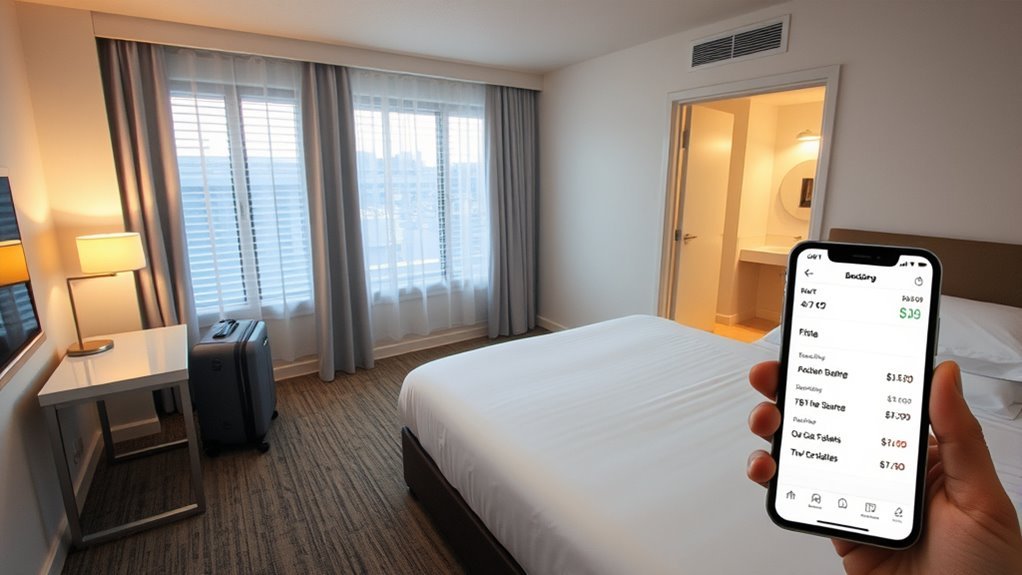
In 2026, you can expect many USA budget hotels to fall between $60 and $120 per night. A rough average of about $93 per night gives you a useful starting point, but your real cost depends on the city, date, taxes, and room type.
Budget hotel rates often look low at first, but location, timing, and extra fees can change the final price.
Major tourist cities often charge more during weekends, holidays, conventions, and summer travel periods. In some high-demand areas, budget hotel rates can rise toward $150 to $175 per night during busy dates.
You may find cheaper rooms in smaller towns, highway locations, and suburbs. If you stay outside the city center, you may save about 30% to 40% compared with central areas.
Some budget hotels now add more value with free Wi-Fi, free breakfast, basic workspaces, or eco-friendly policies. These features can help you save money, even when the nightly rate looks slightly higher.
How Do Location and Seasonality Impact Budget Hotel Prices?
Location plays a major role in your budget hotel cost. A room near downtown attractions, airports, beaches, theme parks, or stadiums usually costs more than a similar room farther away.
In many USA cities, budget hotel prices range from $60 to $120 per night. But major tourist areas can rise higher when demand increases.
Season also matters. Late January, February, and early December often bring lower rates in many destinations, except in places with winter tourism or major events.
Midweek stays usually cost less than Friday and Saturday nights. If your schedule allows it, a Sunday through Thursday stay can lower your hotel bill.
Pro tip: Check local event calendars before booking because concerts, conventions, and sports games can raise hotel prices overnight.
Distance also affects the true value of a room. A cheaper hotel outside town may cost more overall if you spend extra on rideshares, fuel, tolls, or parking.
What Amenities Can You Expect in City vs. Rural Budget Hotels?
City and rural budget hotels can feel very different, even when the price looks similar. City hotels often focus on location, fast check-in, Wi-Fi, and easy access to transit or attractions.
Urban budget hotels may offer smaller rooms because land and building costs run higher. You may also pay extra for parking in downtown areas.
City budget hotels often give you better access, while rural budget hotels may give you more space for the price.
Rural budget hotels often offer larger rooms, quieter settings, and easier parking. Some also include pools, outdoor space, or simple breakfast options.
City hotels work well if you want to walk, use public transit, or stay close to meetings. Rural hotels may fit better if you want a road trip stop, outdoor access, or a quieter stay.
How to Score Discounts on Budget Hotels

You can lower your hotel cost with a few smart booking habits. The best deal is not always the lowest nightly rate, so compare the full cost before you choose.
Try these simple ways to save:
- Book 2 to 6 weeks ahead when your travel dates are flexible.
- Choose midweek nights instead of Friday or Saturday stays.
- Join hotel loyalty programs for member rates and possible perks.
- Compare hotels outside the main tourist zone before booking downtown.
- Check the final price with taxes, parking, resort fees, and service fees.
- Look for free cancellation when your travel plans may change.
Discount codes can help, but read the terms before you book. Some discounted rates are nonrefundable, which can cost more if your plans change.
Comparing City and Rural Budget Hotels: What’s the Difference?
City and rural budget hotels differ in price, space, amenities, and convenience. Your best choice depends on your trip style and how much time you plan to spend at the hotel.
City hotels often cost more because demand stays high. Rural hotels usually cost less, but you may need a car to reach restaurants, stores, and attractions.
The table below shows the main differences.
| Feature | City Budget Hotels | Rural Budget Hotels |
|---|---|---|
| Typical rate pattern | Higher during weekends, events, and peak seasons | Often steadier, with lower base rates |
| Room size | Often smaller | Often larger |
| Parking | May cost extra | Often free or easier to find |
| Best for | Sightseeing, meetings, transit access | Road trips, outdoor stays, quiet trips |
| Possible tradeoff | Higher fees and smaller rooms | Longer drive times |
Pricing Variability Explained
Budget hotel rates can vary widely across the USA. Urban hotels often charge more because more travelers compete for fewer low-cost rooms.
- Urban budget hotels often range from $60 to $120 per night.
- Rural options may start near $60 in many low-demand areas.
- Mid-size cities can offer a balance of price and convenience.
- Peak tourism can raise rates in beach, mountain, and theme park areas.
- Hotels outside city centers can cost much less than downtown hotels.
Dynamic pricing also changes rates from day to day. A room can cost one price on Tuesday and much more on Saturday.
Amenities and Services Offered
Urban budget hotels often focus on the basics: Wi-Fi, front desk service, compact rooms, and simple breakfast options. Some may charge extra for parking, early check-in, or luggage storage.
Rural budget hotels may offer larger rooms, easier parking, and more outdoor space. Some also include kitchenettes, picnic areas, or pools.
Before booking, compare amenities that reduce your total trip cost. Free breakfast, free parking, and in-room refrigerators can matter more than a small nightly discount.
Location Impact on Costs
A hotel’s address can affect your budget more than its star rating. Hotels near airports, downtown areas, beaches, or national parks often charge more during busy periods.
Rural hotels can offer better value, especially for road trips. But you should check drive times before you book.
- Choose downtown if you can walk to most places.
- Choose suburbs if parking and room size matter more.
- Choose rural areas if you want lower rates and a quieter stay.
- Check fuel, transit, rideshare, and parking costs before comparing rooms.
What’s the Impact of Booking in Advance on Hotel Costs?
Booking in advance can help you avoid price spikes, especially in popular areas. A 2 to 6 week booking window often works well for many budget trips.
High-demand dates may need more planning. If you travel during a holiday, festival, school break, or large event, earlier booking can give you more choices.
Last-minute deals can still happen, but they are not reliable. You may get stuck with higher rates or poor locations if rooms sell out.
Timing Influences Price Variations
Hotel prices move with demand. If many people want rooms on the same date, rates can rise quickly.
Use these timing tips when you plan:
- Travel off-peak: Avoid the busiest weeks when possible.
- Stay midweek: Choose Sunday through Thursday for better rates.
- Compare nearby dates: Shift your stay by one day if prices jump.
- Check local demand: Watch for concerts, festivals, graduations, and conventions.
- Book early when needed: Reserve sooner for holidays and major destinations.
Early Booking Discounts Available
Some hotels offer lower rates when you book early. These deals may help you save 10% to 30%, especially when demand is rising.
But cheaper early rates may come with stricter rules. Always check whether the booking allows free cancellation.
| Booking Timing | What It Can Mean |
|---|---|
| 2 to 6 weeks ahead | Often a good window for budget stays |
| Midweek stays | Often cheaper than weekends |
| Off-peak months | Can bring lower room rates |
| Major event dates | Usually need earlier booking |
| Last-minute booking | Can mean fewer rooms and higher prices |
Last-Minute Rate Increases
Last-minute bookings may cost more in busy places. Hotels often raise prices when only a few rooms remain.
Watch for these common price risks:
- Weekend demand can raise rates in popular cities.
- Holiday travel can reduce budget hotel availability.
- Large local events can fill low-cost rooms quickly.
- Nonrefundable last-minute rates can create risk if plans change.
- Airport and downtown hotels may rise faster than suburban hotels.
Warning: Always check cancellation terms before choosing the cheapest rate because some budget bookings offer no refund.
How to Save on Food While Staying in Budget Hotels
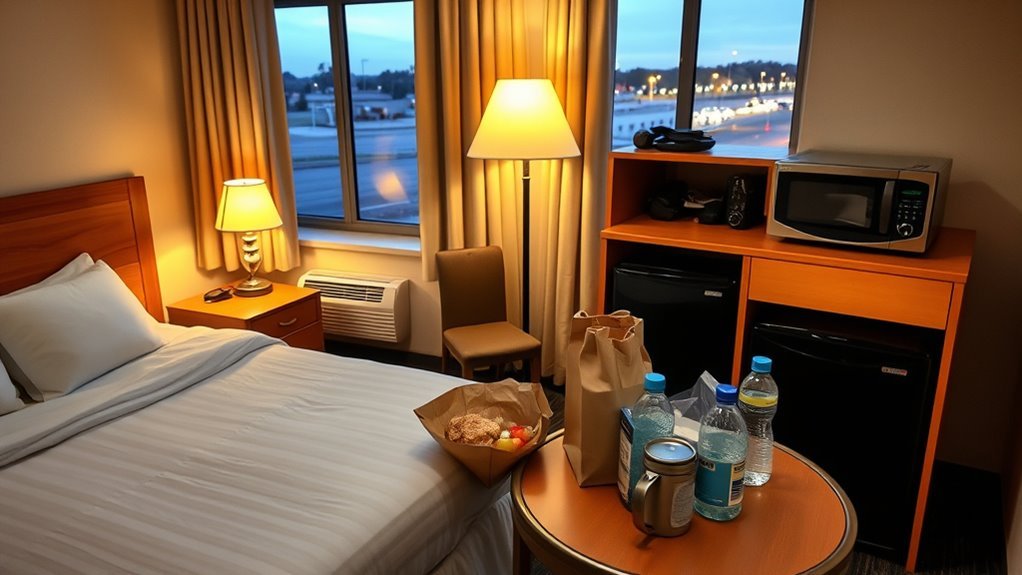
Food can raise your trip cost almost as much as the room. You can save more when your hotel offers breakfast, a fridge, a microwave, or a small kitchenette.
Before you book, check nearby grocery stores, casual restaurants, and public transit. A low hotel rate may not help if every meal nearby costs too much.
| Strategy | How It Helps | Possible Savings |
|---|---|---|
| Use a kitchenette | Prepare simple meals in your room | Can reduce daily food costs |
| Choose local eateries | Skip high-priced tourist restaurants | Can lower each meal cost |
| Book free breakfast | Start the day without a restaurant bill | Can save money per person |
| Buy snacks and drinks | Avoid hotel vending machines | Can cut small daily expenses |
Budget Hotels vs. Hostels: Which Is Right for You?
Budget hotels and hostels both serve travelers who want lower lodging costs. The right choice depends on your need for privacy, comfort, location, and social space.
Choose a budget hotel for privacy and comfort. Choose a hostel when price and social travel matter more.
- Pricing: Hostels often cost less than private budget hotel rooms.
- Privacy: Budget hotels usually offer private rooms and private bathrooms.
- Social setting: Hostels often include shared spaces and group activities.
- Sleep quality: Budget hotels may feel quieter than dorm-style rooms.
- Amenities: Hostels may offer shared kitchens, while hotels may offer breakfast and parking.
If you travel alone and want to meet people, a hostel may work well. If you travel as a couple, family, or business traveler, a budget hotel may offer better comfort.
What You Need to Know About Tipping and Extra Costs?
Your hotel room rate is not always your final cost. Taxes, destination fees, parking, deposits, and tips can raise your total bill.
In the USA, restaurant tipping often ranges from 15% to 20% of the pre-tax bill. For coffee shops or counter service, tipping is more flexible, but many payment screens suggest a tip.
Hotel staff may also receive tips for housekeeping, luggage help, valet service, or shuttle service. You can plan a small daily cash budget for these costs.
Before you book, check whether the hotel charges resort fees, destination fees, pet fees, early check-in fees, or parking fees. These charges can make a cheap room less affordable.
Note: Compare the total stay price, not only the nightly rate, because fees can change the real cost.
Frequently Asked Questions
How Much Does the Average American Vacation Cost?
The cost of an American vacation depends on your destination, trip length, transport, food, and lodging choices. Accommodation often takes a large share of the budget, so choosing a budget hotel can help you control your total cost.
What City in the US Has the Cheapest Hotels?
Cheaper hotel cities change by season, demand, and local events. You often find lower rates in mid-size cities, highway towns, and areas outside major tourist centers.
Is It Cheaper to Book a Budget Hotel Directly or Through a Travel Site?
Both options can be cheaper at different times. Compare the hotel website with major booking sites, then check taxes, fees, cancellation rules, and loyalty perks before you choose.
Do Budget Hotels Charge Resort or Destination Fees?
Some budget hotels charge extra fees, especially in tourist cities or resort areas. Review the final checkout page before paying so you can see the full cost.
Are Budget Hotels Safe for Families?
Many budget hotels work well for families, but quality can vary by property. Check recent guest reviews, parking, room access, lighting, and nearby services before booking.
Conclusion
A budget hotel can keep your USA trip affordable, but only if you look beyond the nightly rate. Compare location, taxes, fees, parking, breakfast, and cancellation rules before you book.
Choose the hotel that gives you the best total value for your travel style. With a little planning, you can spend less on the room and keep more money for the trip itself.