

A college welding program can cost a few thousand dollars at a public technical college or close to $30,000 at a private career school. The final price depends on the credential, program length, residency, lab fees, required tools, certification testing, and living expenses. The best comparison is the full program cost after grants and scholarships, not tuition alone.
Quick Answer
Current published examples available in 2026 put welding training at about $4,400 for a short public-college certificate, roughly $9,000 to $21,000 for longer public certificates or associate degrees, and about $24,000 to $30,000 for some private career-school welding programs. Housing, transportation, tools, and certification tests can raise the total.
Key Takeaways
- There is no single national welding-school price. Compare each school’s published total program cost.
- Public certificates are often the lowest-cost route, while longer degrees and private career schools usually cost more.
- Ask whether tuition includes lab fees, PPE, tools, books, consumables, and certification testing.
- FAFSA, scholarships, employer help, veterans benefits, and Registered Apprenticeship may reduce what you pay.
- Compare local wages, completion rates, debt, and employer connections before enrolling.
Estimated Tuition Ranges for College Welding Programs

Welding program prices vary too much for one national average to be reliable. A better approach is to compare current, published examples and then check the exact school you plan to attend.
| Published example | Credential | Estimated program cost | What the figure includes |
|---|---|---|---|
| Anoka Technical College, 2026–27 | 17-credit certificate | $4,357 | Published tuition-and-fee estimate |
| Salt Lake Community College | Technical certificate | $4,737 | Tuition, fees, supplies, and books |
| Lake Washington Institute of Technology, 2026 | Certificate | $9,500 or $14,545 | Tuition, books, lab fees, and campus or technology fees |
| Lake Washington Institute of Technology, 2026 | Associate of Applied Science | $20,538 | Tuition, books, lab fees, and campus or technology fees |
| Tulsa Welding School, published cost table | Professional Welder or Welding Specialist with Pipefitting | $24,175 or $29,675 | Tuition plus listed materials, lab, gear, insurance, technology, and registration fees |
These are examples, not guaranteed national ranges. Residency, campus, start date, transferred credits, and annual tuition changes can move the price up or down. A short noncredit class may cost less, while a degree with general-education courses may cost more.
Pro Tip: Ask every school for tuition, mandatory fees, books, tools, PPE, consumables, certification tests, transportation, and estimated living costs on one itemized sheet. Then subtract grants and scholarships to find your net price.
Products Worth Considering
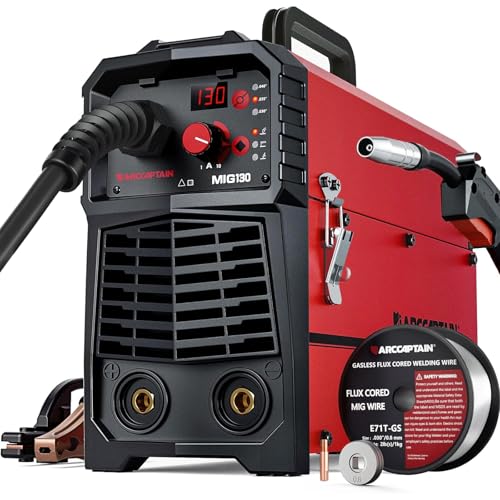
SYNERGIC CONTROL: The recommend current and wire feeding speed will be automatically matched after selected diameter of the welding wire(you can choose .030"/.035"/.040" flux core wire). The MIG welder is easier for beginners or those that are learning to weld and want to make small repairs around the house.

Richard Finch, Welder's Handbook: A Complete Guide to MIG, TIG, Arc & Oxyacetylene Welding, "Completely Revised and Updated Edition!" paperback

Master Your Craft: the welding practice kit is meticulously crafted using laser cut technology; This ensures accurate edges that challenge and enhance your welding skills, featuring the geometric trefoil design, aid in mastering different welding techniques; It's suitable not only for novice welders but likewise furnishes a unique challenge for experienced professional welders
Types of Welding Programs and How Duration Affects Cost

Program length affects cost, but the credential name does not always tell you how much hands-on training you will receive. Two certificates can have very different credit totals, lab hours, and welding processes.
Products Worth Considering

🧲 Sticks to Toolboxes & Welders – Heavy-duty magnetic welding chart adheres to metal surfaces like your welding table, toolbox, or wall for instant reference while working.
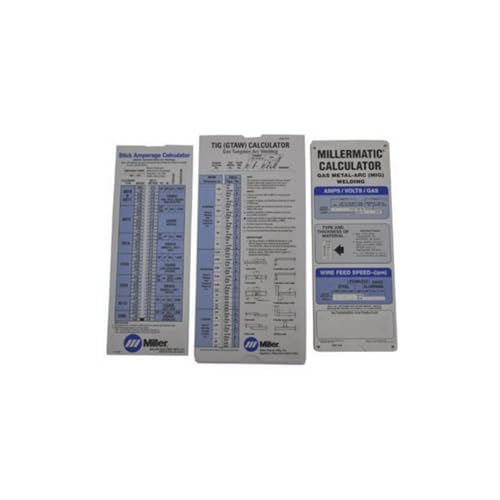
Comprehensive 3‑in‑1 reference pack covers MIG, TIG and Stick welding parameters—ideal for welders who work across multiple processes

Used Book in Good Condition
Short Courses and Certificates
Short courses may last a few weeks, while credit-bearing certificates may take one or more semesters. They often focus on core skills such as shielded metal arc welding, gas metal arc welding, flux-cored arc welding, gas tungsten arc welding, cutting, blueprint reading, and shop safety. This route can be a good fit when you want job-ready practice without paying for a full degree.
Diploma Programs
Diploma programs commonly include more shop time and a wider mix of welding positions, metals, and fabrication skills than a short certificate. Many take about one academic year, although schedules vary by school and whether you attend full time.
Associate Degrees
An associate degree usually combines welding and fabrication courses with general education. It often takes about two years full time. The extra coursework can help with later roles in supervision, estimating, quality, production, or technical sales, but a degree is not required for every entry-level welding job.
Bachelor’s Degrees
Four-year programs are more likely to be in welding engineering, welding engineering technology, manufacturing, or a related field. They are aimed at engineering, process, automation, quality, or management careers rather than basic entry-level welder training.
A longer program is worth the extra cost only when the added lab time, credential, employer access, or career path supports your goal.
Before enrolling, check the school in the U.S. Department of Education accreditation database. Accreditation does not guarantee a job, but it helps you confirm that the institution is recognized by an approved accrediting or state agency. Also ask which welding processes, positions, materials, codes, and performance tests are included.
Breakdown of Additional Expenses: Tools, Gear, and Materials

Extra expenses can change a low tuition quote into a much higher total. Published school budgets show that supplies and tools may add hundreds or several thousand dollars, depending on what the school provides.
Products Worth Considering

Wide Application Range: Shade 3.5/9-13 supports TIG, MIG, MMA/ARC and Grind, and the helmet accommodates magnifying lenses for close-up and detailed work.

【FASTER AUTO-DARKENING】Features high-end auto-darkening lenses with 4 premium arc sensors, switching from light to dark in 1/25000 sec. Easily adjust the shade and sensitivity of the lenses for different working environments, perfect for TIG/MIG/ARC welding. Dark state level: 4/9-13.

AUTO DARKENING FILTER - This welding helmet comes with high-end auto-darkening lens and 4 premium arc sensors which let you adapt to different working environments by adjusting the lens's shade and sensitivity while you are operating ARC/MIG/TIG Welding. DIN4 on light state, DIN5-9/9-13 on dark state.
Essential Safety Gear
Welding students may need an approved helmet, safety glasses, hearing protection, flame-resistant clothing, welding gloves, and suitable boots. The exact list should come from the program. Do not buy gear before you receive the school’s required specifications, because lens shade, helmet features, clothing rules, and boot requirements may differ.
Welding involves metal fumes, ultraviolet radiation, burns, eye injury, electrical shock, cuts, and crush hazards. Follow the school’s ventilation, hot-work, cylinder, fire-prevention, and PPE rules. The Occupational Safety and Health Administration explains the main hazards and controls.
Warning: A welding helmet alone is not complete protection. Safe training also requires eye protection, protective clothing, ventilation or fume control, fire prevention, proper cylinder handling, and instructor-approved work practices.
Tools and Consumables
A basic student tool list may include pliers, clamps, a chipping hammer, wire brushes, soapstone, measuring tools, a grinder, replacement lenses, and a welding cap. Programs may charge separate fees for electrodes, wire, shielding gas, metal coupons, and other consumables.
Most students do not need to buy a welding machine for school because the lab supplies the major equipment. A home machine is an optional purchase for approved practice, not a standard college requirement. Before buying one, consider the process, input power, duty cycle, ventilation, fire protection, and whether your instructor permits outside practice.
- One-time items: PPE, hand tools, and any required uniform or equipment package.
- Recurring items: lenses, gloves, grinding discs, wire, rods, gas, and practice metal when not supplied.
- School charges: lab fees, technology fees, testing fees, books, and course-specific materials.
There is no dependable rule that welding tools must be replaced every three to seven years. Inspect them before use and replace damaged PPE, cracked lenses, worn cables, unsafe holders, or faulty tools according to the manufacturer’s instructions and the school’s safety policy.
Housing and Living Costs During Welding School

Housing can cost more than tuition, especially if you move for a private trade school. A flat estimate such as $5,000 to $15,000 per year is not dependable across the United States. Use the school’s current cost-of-attendance budget and your own expected rent, food, transportation, utilities, and personal expenses.
Build a Realistic Living-Cost Budget
- Housing: rent, deposit, renters insurance, utilities, internet, and furniture.
- Food: groceries, campus meals, and food during long lab days.
- Transportation: fuel, transit, parking, repairs, and travel to job sites or clinical-style shop assignments.
- Personal costs: phone, laundry, health costs, and emergency savings.
- Lost income: reduced work hours while attending daytime classes or unpaid practice.
Compare commuting from home, sharing a rental, and moving near campus. The cheapest rent is not always the cheapest option after fuel, parking, and travel time are included.
Financial Aid, Grants, and Federal Student Loan Options
The Free Application for Federal Student Aid can help eligible students access federal grants, work-study, and student loans for participating colleges, career schools, and trade schools. States and schools may also use FAFSA information when awarding aid.
Note: Not every welding course qualifies for federal aid. A short, noncredit, continuing-education class may be ineligible even when the college itself participates. Confirm the exact program with the school’s financial-aid office.
- Submit FAFSA early: school and state priority deadlines may come before the federal deadline.
- Read the aid offer carefully: separate grants and scholarships from loans that must be repaid.
- Compare net price: subtract grants and scholarships from the school’s full cost of attendance.
- Borrow only what you need: review interest, fees, repayment, and total projected debt before accepting a loan.
Grants and scholarships generally do not require repayment, but exceptions can apply, such as withdrawing early or failing to meet the terms of a specific award. Federal loans may offer borrower protections that private loans do not, but rates and rules can change. Use the current terms shown in your official aid offer.
Scholarships, Competitions, and Employer Funding

Scholarships can reduce tuition without adding debt. The AWS Foundation scholarship program supports students in trade schools, community colleges, and four-year programs. Application windows and deadlines change each year, so check the current cycle rather than relying on an old date.
Scholarship Opportunities Overview
- School awards: check the welding department, college foundation, and financial-aid office.
- Industry scholarships: review AWS Foundation national, district, section, and welder-training awards.
- Competitions: some high-school and collegiate welding contests offer tuition awards or scholarships.
- Local funding: ask workforce boards, unions, manufacturers, contractors, and community foundations.
Track eligibility, essays, references, transcripts, and deadlines in one document. Apply broadly, but never pay a fee just to submit a scholarship application.
Employer Tuition Assistance
Some employers pay for classes, certification tests, or apprenticeships. Others reimburse you only after you pass the course or remain employed for a set period. Before accepting employer funding, ask for the policy in writing.
- How much is covered each year?
- Are books, tools, lab fees, and testing included?
- Must you earn a minimum grade?
- Do you repay the money if you leave?
- Is training time paid?
- Does the program lead to a specific job, wage step, or credential?
Apprenticeships and On-the-Job Training Alternatives

A Registered Apprenticeship combines paid work, on-the-job learning, classroom instruction, progressive wage increases, mentoring, and a portable credential. It can be a strong alternative to paying full tuition before you start working.
Do not assume every apprenticeship lasts three to five years or starts at $15 to $20 per hour. Duration, wage, classroom costs, union dues, travel, tools, and entry requirements vary by sponsor, occupation, location, and agreement. Review the actual posting and contact the employer or program sponsor.
- Paid experience: you earn wages while building job skills.
- Progressive pay: Registered Apprenticeship includes scheduled wage growth as skills increase.
- Related instruction: classroom training may be provided by a union, employer, technical school, or college.
- Recognized credential: completers receive a nationally recognized apprenticeship credential.
Search Apprenticeship.gov, state apprenticeship agencies, unions, manufacturers, shipyards, construction contractors, and local American Job Centers. Compare the complete package, not just the starting wage.
Certification, Licensing, and Exam Fees to Budget For

School completion, welder certification, and employer qualification are not the same thing. A college certificate shows that you completed a program. An AWS Certified Welder credential is based on a performance test. An employer may still require you to pass a separate weld test for a specific process, position, metal, thickness, code, or procedure.
Under the AWS price list effective January 1, 2026, the Certified Welder application fee is $70, the testing facility sets the practical exam price, and AWS lists a $105 yearly maintenance subscription. Inspector credentials cost much more and are not the normal first credential for a new welding student.
There is no single nationwide license that every welder must hold. Requirements may come from employers, project specifications, welding codes, unions, government contracts, contractor licensing rules, or local law. Ask each school exactly which tests are included and which you must pay for separately.
- Application and test-facility fees
- Practice materials and booth time
- Retest fees after an unsuccessful test
- Continuity or maintenance requirements
- Travel to an accredited testing facility
- Additional tests for different processes or positions
Weighing Costs Against Career Outcomes and Earning Potential

Cost matters, but the cheapest program is not automatically the best value. Compare the program with the jobs you can realistically reach in your area.
The 2025 national median wage for welders, cutters, solderers, and brazers was $53,750, but local pay varies by industry, experience, skill, schedule, and location.
Current wage data are available through O*NET OnLine using Bureau of Labor Statistics data. National figures are useful for context, but your decision should use local entry-level pay and actual employer requirements.
Questions to Ask Before Enrolling
- What is the total program cost? Include tuition, fees, tools, books, tests, transportation, and living expenses.
- How many supervised lab hours are included? Ask how much booth time each student receives.
- Which processes and positions are taught? Match the curriculum to local job postings.
- Which tests are included? Get the certification or qualification details in writing.
- What are the completion and withdrawal rates? Ask for current data, not only testimonials.
- What debt do graduates leave with? Compare loan amounts and monthly payments.
- Which employers recruit from the program? Ask for recent examples and whether placement figures are independently defined.
- Can credits transfer? Confirm this with the receiving school, not only the school selling the program.
A Simple Return-on-Investment Check
Estimate the amount you will pay after grants, the wages you will lose while in school, and your expected monthly loan payment. Then compare those figures with realistic local starting pay. Do not assume that a diploma or certification guarantees a job, overtime, travel pay, or a high starting wage.
Frequently Asked Questions
Can I earn college credit for prior welding experience or certifications?
Possibly. Credit for prior learning is set by the college and may require transcripts, certification records, a portfolio, an exam, or a skills demonstration. Ask the registrar or welding department how the credit applies to your exact program. Do not assume another college will accept it later.
Do online welding courses meaningfully reduce overall costs?
They can reduce travel and make theory courses easier to schedule, but welding is a hands-on trade. Online lessons cannot replace supervised lab practice, safe equipment use, or a performance qualification test. Compare the total price of the online coursework plus required in-person labs and testing.
How often do welding tools need replacing or updating?
There is no fixed three-to-seven-year schedule. Replace PPE and tools when they are damaged, unsafe, out of specification, or no longer meet the manufacturer’s or school’s requirements. Consumables such as lenses, gloves, contact tips, grinding discs, wire, and electrodes are replaced much more often.
Are prospective students eligible for veterans’ education benefits?
Eligible veterans and family members may be able to use GI Bill benefits for an approved college, trade-school, apprenticeship, on-the-job training, or certification test. Coverage depends on the benefit program, eligibility percentage, school approval, and training type. Verify the program through VA education benefits before enrolling.
What safety incidents could raise insurance or program costs?
Serious burns, eye injuries, fires, fume exposure, electrical incidents, and repeated safety violations can create medical, equipment, compliance, and insurance costs. A single student cannot predict how a school’s insurance price will change, but following PPE, ventilation, hot-work, and reporting rules reduces risk.
Does FAFSA cover welding school?
FAFSA does not pay a bill by itself. It is the application used to determine eligibility for federal grants, work-study, and loans at participating schools and eligible programs. Confirm that the exact welding certificate, diploma, or degree is aid-eligible before you enroll.
Is welding school worth the cost?
It can be when the program provides strong hands-on training, relevant testing, manageable debt, and access to local employers. It may be poor value when fees are unclear, booth time is limited, credits do not transfer, or the expected payment is too high for local entry-level wages.
Conclusion
College welding programs can range from about $4,400 for a short public certificate to nearly $30,000 for some private career-school programs, based on current published examples. Your true cost may be higher after tools, testing, transportation, and housing, or lower after grants, scholarships, employer support, veterans benefits, or apprenticeship wages. Compare the full net cost, supervised lab time, credential value, local employer demand, and likely debt before you commit.
Sources
- Lake Washington Institute of Technology estimated program costs — current welding certificate and associate-degree cost examples.
- Tulsa Welding School tuition and costs — private career-school welding tuition, fees, gear, and lab-cost examples.
- Federal Student Aid: FAFSA steps — grants, work-study, loans, and trade-school aid guidance.
- American Welding Society program price list — 2026 Certified Welder and inspector fees.
- Apprenticeship.gov career seekers — paid work, progressive wages, instruction, and credentials.
- O*NET OnLine national welding wages — 2025 Bureau of Labor Statistics wage data.
