
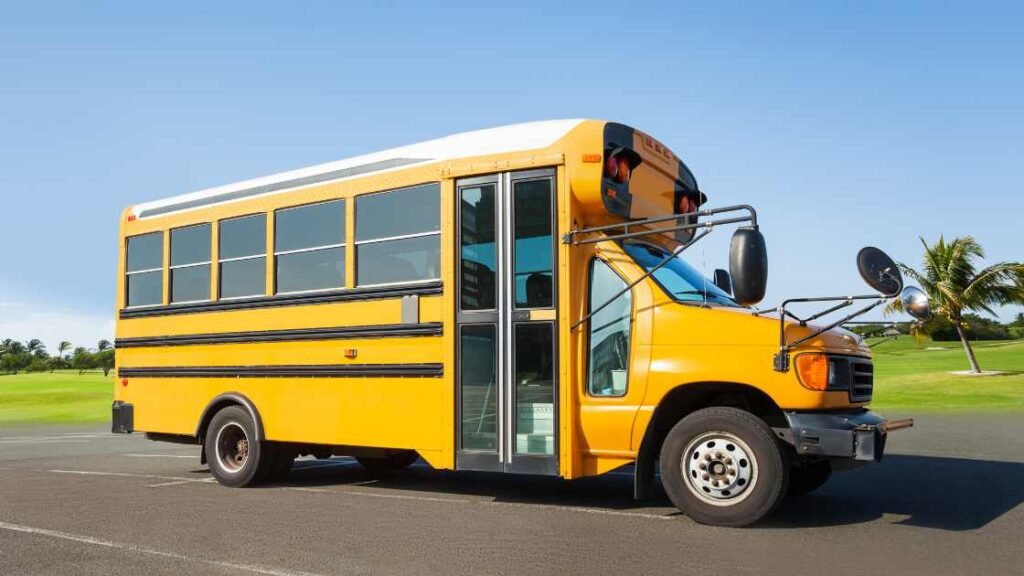
A practical 2026 used school bus cost is about $5,000 to $40,000 for many purchases, but the market is wider. Current dealer analysis puts fair-to-good Type C diesel buses around $12,000 to $45,000, while newer low-mileage buses can reach $40,000 to $80,000. Auction bids may start far lower, but fees, transport, tires, repairs, title work, and insurance can make the road-ready total much higher than the winning bid.
Quick Answer
For 2026 planning, expect roughly $5,000 to $40,000 for many used school buses. A current BusesForSale.com analysis places fair-to-good Type C diesel buses at about $12,000 to $45,000, with under-five-year examples reaching $40,000 to $80,000. Older auction buses can attract much lower bids, but the final road-ready cost depends on condition, rust, maintenance history, engine hours, drivetrain, fees, transport, and immediate repairs.
Last updated: August 10, 2026. Pricing bands, current market examples, conversion-cost data, fuel economy, CDL wording, and retired-bus marking guidance were rechecked against 2026 sources.
Before shopping, decide whether the bus will carry passengers, serve a business, remain a private vehicle, or become a motorhome. That choice affects the size you need, the license required to drive it, insurance availability, registration, and the amount of conversion work.

Age, mileage, and maintenance history still affect value, but they do not tell the whole story. A clean bus with complete service records can be a better purchase than a lower-mileage bus with rust, warning lights, neglected brakes, or a damaged emissions system.
Plan for a pre-purchase inspection, travel or delivery, immediate repairs, insurance, registration, tires, and any required changes to school-bus markings or equipment. A cheap bus can become expensive quickly when these costs are ignored.
Key Takeaways
- Older auction buses can have very low opening bids, but many are sold as-is and the bid is not the same as the final road-ready cost.
- Current 2026 dealer analysis places fair-to-good Type C diesel buses around $12,000–$45,000, with newer low-mileage examples reaching $40,000–$80,000.
- Rust, engine and transmission condition, brake type, emissions equipment, tires, and maintenance records can matter more than the odometer.
- Confirm insurance, title, registration, parking, and driver-license rules before bidding or paying a deposit.
- A professional inspection is one of the best ways to avoid a bus that needs repairs worth more than its purchase price.
Used School Bus Cost at a Glance
Prices differ by seller, location, condition, and intended use. The ranges below are practical shopping bands, not guaranteed appraisals.
| Used-bus category | Rough U.S. price range | What to expect |
|---|---|---|
| 15+ year Type C diesel, often 200,000+ miles | About $5,000–$15,000 | Lowest dealer-analysis band; condition and rust can outweigh mileage |
| 10–15 year Type C diesel, often 150,000–200,000 miles | About $12,000–$28,000 | Common value range when records, frame, and drivetrain are sound |
| 5–10 year Type C diesel, often 100,000–150,000 miles | About $20,000–$45,000 | Newer equipment and lower mileage generally raise asking prices |
| Under 5 year Type C diesel, often under 100,000 miles | About $40,000–$80,000 | Premium end of the used Type C market |
The table uses BusesForSale.com’s May 2026 Type C diesel bands for buses in fair-to-good condition. They are planning ranges, not appraisals, and auction prices can fall below them.
2026 Market Snapshot
- BusesForSale.com’s 2026 pricing analysis places fair-to-good Type C diesel buses at roughly $12,000–$45,000 across common 5- to 15-year age bands, with under-five-year examples at $40,000–$80,000.
- Northwest Bus Sales recently listed a 2018 Blue Bird Vision with 141,949 miles at $29,780, showing how a road-ready dealer example can land inside the middle of those bands.
- A July 2026 GovDeals sale for a 2016 International with 171,275 miles closed at a $15,871.50 sold amount and $16,873.79 total price including tax. One auction result is not a market average, but it illustrates why fees and tax must be included.
Note: Auction opening bids are not the same as final sale prices. Buyer premiums, taxes, title fees, travel, towing, and payment charges can raise the amount you actually spend.

This hardcover book celebrates the art of gathering with inspiring table settings, thoughtful traditions, and practical ideas for hosting memorable meals. Written by Shea McGee, it offers beautiful design inspiration alongside approachable guidance for creating warm, welcoming spaces for family and friends. It's a charming resource for anyone who loves entertaining, home styling, and making everyday moments feel special.

LIQUI MOLY Cera Tec is a ceramic-based engine oil additive designed to reduce friction and wear in petrol and diesel engines. It mixes easily with compatible motor oils, helps protect against metal-to-metal contact, and can improve smoother engine performance while supporting lower fuel consumption. Suitable for engines, transmissions, pumps, and compressors, it is built to handle extreme temperatures and long service intervals.

The DeLonghi Water Filter helps reduce scale buildup and unwanted impurities that can affect your coffee machine's performance and taste. Its active carbon and ion-exchange technology helps improve brew consistency, maintain flavor, and reduce the need for frequent descaling. Designed as an OEM authorized replacement part, it fits select DeLonghi models for reliable everyday maintenance.
The Market for Used School Buses
The used school bus market serves school districts, churches, contractors, farms, event operators, mobile businesses, and people building skoolies. Retired buses generally cost far less than new buses, but the lowest-priced vehicle is not always the least expensive to own.
Factors That Influence Used School Bus Prices
Several factors determine the final price:
- Model year: Newer buses usually cost more, especially when they have modern safety equipment and fewer years of corrosion exposure.
- Mileage and engine hours: Lower readings can increase value, but service history and operating conditions are equally important.
- Mechanical condition: Engine, transmission, cooling system, brakes, steering, suspension, and emissions-system condition can shift the value by thousands of dollars.
- Rust: Structural frame or body corrosion can make an otherwise attractive bus a poor purchase.
- Size and type: Type A minibuses, Type C conventional buses, and Type D transit-style buses have different demand, capacity, parts, and conversion characteristics.
- Fuel and brake system: Diesel, gasoline, propane, hydraulic-brake, and air-brake buses appeal to different buyers and may have different service needs.
- Emissions era: EPA heavy-duty diesel standards became much stricter starting with model year 2007, driving widespread use of diesel particulate filters; most manufacturers used selective catalytic reduction to meet the 2010 NOx standard. Aftertreatment condition and diagnostic history therefore matter on later diesel buses.
- Equipment: Air conditioning, wheelchair lifts, underbody storage, high rooflines, and specialty seating may add value.
- Location: Regional rust exposure, emissions requirements, demand, and transport distance affect the final cost.
- Seller type: A dealer may charge more for preparation, inspection, and support, while an auction usually shifts more risk to the buyer.
Where to Find Used School Buses
Prospective buyers have several places to shop:
- Bus dealerships: Dealers may offer inspected, serviced, detailed, or refurbished inventory. Prices are often higher, but buyers may receive more information and support.
- Online marketplaces: General marketplaces and specialty bus sites list vehicles from private sellers and dealers.
- Public auction platforms: GovDeals, Public Surplus, and Municibid are common starting points for government surplus vehicles.
- School districts and transportation contractors: Some sell retired buses directly or announce the auction service they use.
Compare model year, engine, transmission, brake type, mileage, engine hours, rust, service records, and included equipment. Do not compare prices based only on passenger capacity.
Pro Tip: Search the exact engine and transmission combination before buying. A bus is easier to own when nearby heavy-truck shops can service it and replacement parts remain available.
Price Ranges for Different Used School Bus Models
Bus type affects purchase price, interior space, turning radius, payload, service access, and conversion cost. The official school-bus classifications distinguish Type A, B, C, and D buses by chassis, weight, engine placement, and entrance-door location.
Comparing Different Models
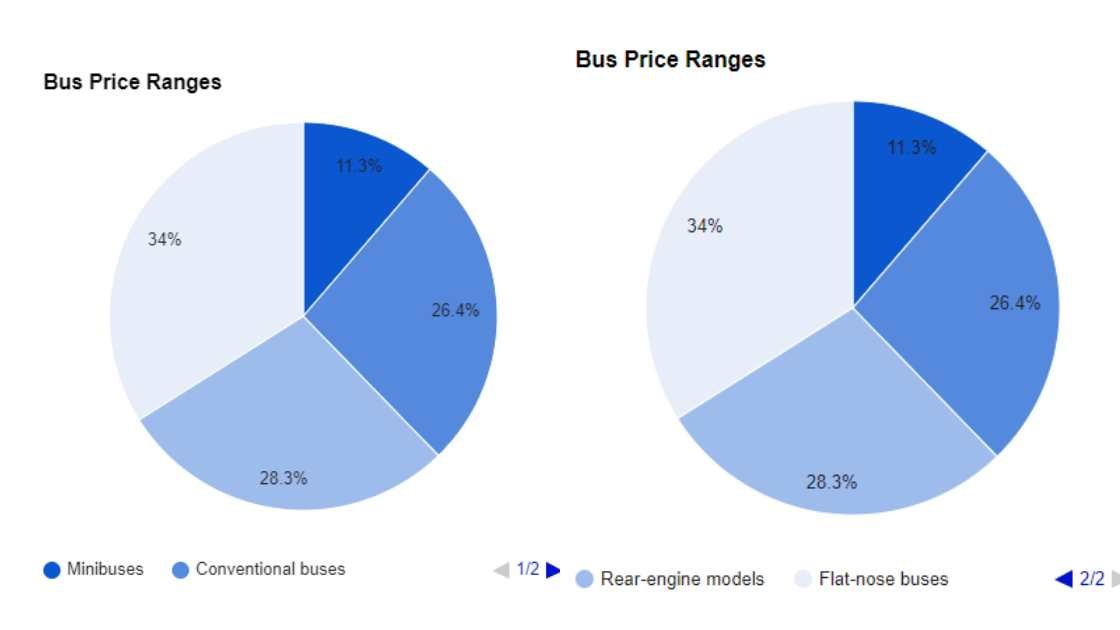
- Type A minibuses: These compact buses are easier to park and may use familiar van-based gasoline or diesel drivetrains. Older examples can appear near the bottom of the market, while clean ADA-equipped or low-mileage units can cost much more.
- Type C conventional buses: These are the familiar hooded buses with the entrance door behind the front wheels. They are common on the used market and often provide a good balance of interior room, service access, and parts availability.
- Type D transit-style buses: These flat-front buses place the entrance door ahead of the front wheels and may have a front or rear engine. They offer substantial interior space but can be more difficult to service, insure, park, or convert.
- Rear-engine models: Rear-engine Type D buses can provide a quieter front cabin and a flat interior layout, but cooling-system and drivetrain access should be inspected carefully.
- Special-needs buses: Wheelchair lifts, tie-down systems, extra doors, and lower passenger counts can raise the price or create useful conversion features.
How Mileage Affects Cost
Mileage matters, but it should never be used as a stand-alone pricing formula. A bus that accumulated highway miles with regular fleet maintenance may be healthier than a lower-mileage bus that idled heavily, ran short stop-and-go routes, or sat unused.
| Mileage | Typical price effect | What to verify |
|---|---|---|
| Under 100,000 miles | Often commands a premium | Engine hours, long storage periods, tire age, fluid leaks, and whether the odometer reading is documented |
| 100,000–200,000 miles | Common middle of the market | Maintenance history, transmission service, cooling system, injectors, turbo, brakes, and emissions components |
| 200,000+ miles | Usually lower-priced, with higher repair risk | Compression or blow-by concerns, oil use, transmission behavior, differential noise, air system, suspension wear, and overhaul history |
Ask for engine hours when available. School buses can spend substantial time idling, so two buses with the same mileage may have experienced very different engine use.
Auction Price Versus Dealer Price
Public auctions can provide the lowest entry price, but many vehicles are sold as-is, where-is, without a roadworthiness guarantee. A dealer price may include cleaning, basic repairs, inspection, transport coordination, or limited support. Read the sale terms closely and compare the total delivered cost rather than the winning bid alone.
Costs Beyond the Purchase Price
The sticker price is only one part of a used school bus budget. Before buying, estimate the first-year cost as well as the long-term operating cost.
Road-ready budget formula: purchase price + buyer premium or dealer fees + sales tax + title and registration + inspection + transport + immediate safety/mechanical repairs + insurance deposit + required decommissioning work. Fund this subtotal before setting the interior-conversion budget.
Maintenance and Repair Costs
A reliable bus needs regular maintenance, and an older vehicle may need several catch-up repairs immediately after purchase. Common expenses include:
- Engine oil, filters, coolant, belts, hoses, and fluid service
- Commercial tires, balancing, alignment, and wheel service
- Hydraulic or air-brake inspection and repair
- Steering, suspension, wheel-bearing, and driveline work
- Batteries, alternator, starter, lighting, and electrical repairs
- Diesel emissions-system repairs, including sensors, diesel particulate filter, selective catalytic reduction, and diesel exhaust fluid components on applicable model years
- Rust repair, body sealing, roof leaks, and emergency-exit repairs
Parts availability depends on the chassis, engine, transmission, body manufacturer, and model year. Set aside an emergency repair fund instead of spending the entire budget on the purchase.
Insurance, Taxes, and Registration Fees
Insurance premiums vary widely based on the bus, state, driver, storage location, and intended use. A private motorhome conversion, passenger shuttle, mobile business, and commercial transport operation may need different policies.
Registration, sales tax, inspections, emissions testing, and title classification also vary by state. A conversion may qualify for a motorhome or recreational-vehicle title only after it meets that state’s requirements.
Warning: Obtain an insurance quote and confirm that the title can be transferred before paying. Some insurers will not cover an unfinished conversion, commercial use, roof modifications, wood stoves, or a bus that still has school-bus equipment.
Driver-License and Transport Costs
Federal CDL classifications cover a single vehicle with a GVWR or GVW of 26,001 pounds or more and vehicles designed to transport 16 or more people, including the driver. States issue CDLs and can apply exemptions or different licensing rules to private, non-business, or re-titled motorhome use.
Check the bus’s original design and weight rating, then confirm the rule with the state that issued your license before driving it home. Review the FMCSA CDL classifications and your state motor-vehicle agency’s guidance.
If you cannot legally or safely drive the bus, include commercial delivery, towing, temporary permits, fuel, tolls, and lodging in the purchase budget.
Decommissioning and School-Bus Markings
Rules for retired school buses are state-specific. Markings, warning lights, stop arms, and paint treatment may need to be removed, covered, disabled, or changed before private use or registration.
For example, Washington WAC 392-143-050 requires a school district selling a bus to anyone other than another school district to remove the district name, number, and lettering or markings that identify it as a school bus before delivery, subject to the rule’s stated private-carrier exception. Check the law where the bus is sold, titled, and operated rather than assuming one state’s rule applies nationwide.
Fuel and Parking
The U.S. Department of Energy’s Alternative Fuels Data Center, updated in May 2026, lists average school-bus fuel economy at about 6.6 mpg. A specific used bus can do better or worse depending on size, engine, route, speed, weight, gearing, idling, terrain, tire pressure, and conversion weight.
Also confirm that you have legal parking, adequate height clearance, and room to turn before purchasing a full-size bus.
Inspection and Evaluation Before Buying
A pre-purchase inspection helps reveal the bus’s true cost. Use a mechanic familiar with medium- or heavy-duty trucks, diesel engines, air brakes, and the specific chassis whenever possible.

The Vornado 630 uses signature Vortex air circulation to move air throughout the room for more effective cooling and improved comfort. With three-speed manual controls and an adjustable tilt head, it lets you direct airflow and fine-tune performance for bedrooms, living rooms, or home offices. Built for whole-room circulation with efficient, high-velocity airflow, it also includes support backed by a multi-year replacement promise.

Ouidad Advanced Climate Control Featherlight Curls Styling Cream creates soft, touchable definition while helping protect curls from frizz and humidity. Its lightweight blend of humectants and natural oils nourishes and hydrates dry, damaged hair for flexible hold and shiny, healthy-looking results. Designed for curly textures, it supports air-drying or diffuser styling while remaining free of harsh ingredients and safe for color-treated hair.

The ANCEL AD310 is a compact OBD II scanner designed to quickly diagnose check engine light issues by reading and clearing emission-related trouble codes. It also provides live data, freeze frame, I/M readiness, and vehicle information, making it a practical tool for drivers and home mechanics. With broad compatibility across many 1996 and newer OBD2 vehicles, it is a simple, fast, and portable way to check engine problems.
Key Inspection Points
- Cold start: Ask the seller not to warm the engine before you arrive. Watch for difficult starting, excessive smoke, warning lights, uneven idle, blow-by, and abnormal noise.
- Engine and cooling system: Check oil and coolant condition, leaks, hoses, radiator, fan drive, turbo plumbing, and signs of overheating.
- Transmission and driveline: Test engagement, shifting, retarder operation if equipped, driveshaft joints, differential noise, and fluid leaks.
- Brakes: Inspect drums or rotors, linings, hoses, chambers, slack adjusters, air leaks, compressor build time, warning devices, and parking-brake operation.
- Steering and suspension: Check steering play, kingpins, tie rods, springs, airbags, shocks, bushings, axle mounting points, and uneven ride height.
- Frame and rust: Examine frame rails, crossmembers, body mounts, stepwell, wheel arches, floor, roof seams, and areas around windows and emergency exits.
- Tires and wheels: Check tread, sidewall damage, mismatched tires, wheel cracks, missing fasteners, and the DOT date code. NHTSA TireWise says tire aging cannot be judged by appearance alone and notes that some vehicle and tire manufacturers recommend replacement at six to ten years regardless of treadwear.
- Electrical systems: Confirm that exterior lights, dashboard instruments, charging system, heater blowers, wipers, mirrors, doors, and emergency exits work.
- Emissions system: Scan for active, pending, and stored diagnostic codes. Verify that the diesel particulate filter, selective catalytic reduction system, diesel exhaust fluid system, sensors, and wiring have not been removed or bypassed.
- Interior: Look for water intrusion, soft flooring, mold, damaged seats, sharp edges, broken latches, and unsafe modifications.
- Road test: Check acceleration, braking, steering return, vibration, transmission shifts, operating temperature, and warning lights under load.
- Maintenance records: Review service invoices, inspection reports, recall repairs, mileage records, and major component replacements.
The federal minimum periodic inspection standards for commercial vehicles cover brakes, exhaust, fuel system, steering, suspension, frame, tires, wheels, lighting, and other safety components. Even when those rules do not directly govern a private buyer, they provide a useful baseline for a professional inspection.
VIN, Title, and Recall Checks
Match the VIN on the bus to the title and seller documents. Check for liens, title brands, odometer discrepancies, and restrictions. Use the NHTSA recall lookup to search the 17-character VIN for unrepaired safety recalls.
Confirm the model year and specifications of the chassis, body, engine, and transmission. School buses are assembled from multiple major components, so a generic listing may not provide enough information to order parts or estimate repair costs.
Red Flags That Justify Walking Away
- Severe frame rust, cracked structural members, or unsafe prior welding
- Coolant in the oil, oil in the coolant, heavy blow-by, or signs of repeated overheating
- Transmission slipping, delayed engagement, or metal in the fluid
- Air-brake warning devices that do not work or a system that cannot hold pressure
- Missing emissions components, cut wiring, or repeated aftertreatment fault codes
- A title that does not match the VIN or a seller who cannot prove ownership
- Fresh paint or undercoating that appears to hide corrosion
- No opportunity for an independent inspection on a high-priced bus
Depreciation Factors
| Factor | Impact on value |
|---|---|
| Age | Older buses usually sell for less, although desirable drivetrains can soften depreciation. |
| Mileage and engine hours | Higher use normally lowers value unless major components were recently rebuilt or replaced. |
| Brand and drivetrain | Parts support, local technician familiarity, and engine reputation affect demand. |
| Condition and records | A clean, documented bus generally retains more value than a neglected bus with unknown history. |
| Size and configuration | Large buses offer more space but can have a smaller private-buyer pool because of parking, licensing, and operating costs. |
| Rust and emissions complexity | Structural corrosion and unresolved emissions faults can sharply reduce value. |
Conversion and Customization Options

A used school bus can become a motorhome, mobile office, café, retail space, clinic, library, or classroom. Conversion costs vary widely because each project has different mechanical repairs, materials, appliances, plumbing, electrical systems, and professional labor.
Potential Uses for a School Bus Conversion

- Mobile home or skoolie: Living quarters with beds, storage, kitchen, water, power, and climate control
- Business on wheels: Retail shop, salon, workshop, café, food-service vehicle, or mobile office
- Community outreach: Mobile clinic, library, classroom, shelter, or nonprofit service vehicle
- Recreation: Tailgating vehicle, race support bus, hunting base, or group-camping vehicle
Before planning the interior, confirm payload capacity, axle ratings, overall height, emergency exits, ventilation, electrical safety, propane rules, and title requirements. Added water, batteries, appliances, furniture, tanks, and roof equipment can consume payload quickly.
Customization Costs
According to HomeAdvisor’s 2026 bus-conversion cost data, the normal range is $25,000–$67,500 and the reported average is $33,000. Its June 2026 update also says budget-focused DIY conversions may be as low as $16,500, while large-scale builds with upscale fixtures can reach about $102,000.
| Customization area | Rough planning range | Typical inclusions |
|---|---|---|
| Vehicle | $3,000–$25,000 | Purchase price before taxes, registration, and ongoing maintenance |
| Demolition | $1,000–$4,000 | Removing seats and unwanted interior materials when hired out |
| Repairs | $1,000–$5,000 | Body and mechanical catch-up work in HomeAdvisor’s planning data; major failures can cost more |
| Construction | $2,400–$11,800 | Framing, walls, flooring, insulation, and related build work |
| Electrical | $800–$4,000 | Wiring and electrical-system installation |
| Plumbing | $2,000–$6,400 | Water and waste plumbing components and installation |
| Appliances | $2,300–$5,000 | Kitchen and living appliances |
| Furniture | $1,000–$7,000 | Beds, seating, cabinetry, tables, and storage |
| Decor | $1,000–$2,000 | Finishing and decorative materials |
Mechanical repairs are separate from interior improvements unless a quote specifically includes them. HomeAdvisor’s component data assigns $1,000–$5,000 to ordinary repair planning and notes that a complete diesel-transmission replacement can cost far more, so major mechanical defects should be priced before the interior build starts.
Electrical, propane, fuel-fired heating, structural roof changes, seat-belt mounting, and plumbing should follow applicable codes and manufacturer guidance. Professional work may be required for safe operation, insurance approval, or inspection.
Negotiating the Best Deal
A good negotiation starts with evidence, not a random low offer. Compare similar buses and use inspection findings to estimate the amount you must spend immediately after purchase.
Strategies for Price Negotiation
- Research comparable buses: Match model year, type, engine, transmission, brakes, mileage, condition, and equipment.
- Price immediate repairs: Obtain written estimates for tires, brakes, leaks, rust, warning lights, and other inspection findings.
- Review the sale terms: Include buyer premiums, taxes, delivery, title fees, and payment deadlines.
- Use documentation: Missing service records, title problems, or an unverifiable odometer reading should lower your offer or end the deal.
- Make a supportable offer: Explain how you calculated it instead of simply naming a low number.
- Be prepared to walk away: Another bus is usually cheaper than repairing a structurally rusty or mechanically failing one.
Avoiding Common Purchasing Pitfalls
| Pitfall | How to avoid it |
|---|---|
| Skipping the inspection | Hire a qualified heavy-vehicle mechanic and request a cold start and road test. |
| Ignoring total ownership cost | Budget for repairs, fuel, tires, insurance, registration, parking, and conversion work. |
| Buying before confirming insurance | Get a written quote that accurately describes the current condition and intended use. |
| Ignoring licensing and title rules | Check the GVWR, original seating design, state CDL rules, title status, and conversion requirements. |
| Rushing because the price looks low | Compare several buses and set a maximum total cost before bidding. |
Frequently Asked Questions
How much does a used school bus cost in 2026?
A practical planning range is about $5,000 to $40,000 for many used school buses. Current 2026 dealer analysis places fair-to-good Type C diesel buses at about $12,000–$45,000, while under-five-year examples can reach $40,000–$80,000. Auction bids can start lower, but fees, tax, transport, tires, repairs, title work, and insurance raise the real road-ready cost.
Why are used school buses so cheap?
School districts and fleet operators replace buses based on age, policy, maintenance planning, emissions requirements, or operating needs. Retired buses have a smaller buyer pool, are expensive to fuel and store, and may need repairs. However, desirable low-mileage buses and some older, simpler diesel configurations are not always cheap.
What is the difference between a Type C and Type D school bus?
A Type C bus has a hood, an engine in front of the windshield, and an entrance door behind the front wheels. A Type D transit-style bus has a flat-front layout, an entrance door ahead of the front wheels, and an engine mounted at the front, rear, or midship.
How many miles per gallon does a skoolie get?
The U.S. Department of Energy’s May 2026 Alternative Fuels Data Center data lists average school-bus fuel economy at about 6.6 mpg. A skoolie can be higher or lower depending on bus size, engine, gearing, road speed, hills, wind, idling, tire pressure, and conversion weight.
Do school buses have turbochargers?
Many diesel school-bus engines are turbocharged. Inspect the turbocharger, charge-air piping, oil supply, and related hoses for leaks, damage, unusual noise, or excessive smoke. The exact system depends on the engine and model year.
Do I need a CDL to drive a used school bus?
Federal CDL classifications cover a single vehicle at 26,001 pounds or more GVWR/GVW and vehicles designed to transport 16 or more people, including the driver. States issue licenses and may apply exemptions or different rules to private or re-titled motorhome use, so confirm your state’s rule before driving the bus.
Can a used school bus be registered as an RV?
Often yes, but each state sets its own motorhome definition, inspection process, required living features, weight rules, and marking requirements. Confirm the process before conversion because an unfinished bus may be difficult to insure or register.
Is 200,000 miles too much for a used school bus?
Not automatically. Some commercial diesel drivetrains can remain serviceable beyond 200,000 miles when maintained well, but repair risk rises. Base the decision on inspection results, engine hours, records, oil use, blow-by, transmission behavior, rust, and the price of likely repairs.
Conclusion
A used school bus may cost about $5,000 to $40,000 in many shopping situations, while current fair-to-good Type C dealer bands run roughly $12,000 to $45,000 and newer examples can cost more. Set a maximum road-ready budget before you bid: include fees, tax, title, transport, insurance, and immediate repairs. Then buy only after the VIN, title, maintenance history, rust, drivetrain, brakes, tires, and emissions equipment pass an independent inspection that supports the asking price.
Sources
- BusesForSale.com: 2026 School Bus Pricing Guide — current broad used-bus pricing and market factors
- Northwest Bus Sales Inventory — current dealer asking-price examples across school-bus sizes and configurations
- HomeAdvisor: 2026 Bus Conversion Costs — conversion budget ranges and common cost categories
- Federal Motor Carrier Safety Administration: CDL Classes — federal CDL weight and passenger-design thresholds
- National Highway Traffic Safety Administration: Recall Lookup — VIN-based open-recall checking
- U.S. Environmental Protection Agency: Heavy-Duty Diesel Standards — model-year 2007 heavy-duty emissions standards and related technology changes
- U.S. Department of Energy Alternative Fuels Data Center: Average Fuel Economy by Major Vehicle Category — May 2026 school-bus fuel-economy benchmark
- NHTSA TireWise — tire-aging and DOT date-code guidance
- Washington Administrative Code 392-143-050 — example of state-specific requirements for resold school-bus markings
- GovDeals: July 2026 closed 2016 International school-bus auction — recent auction sale example showing sold amount and tax-inclusive total

The Veepeak OBDCheck BLE is a Bluetooth OBD-II scanner designed for iOS and Android users who want an easy way to read and clear check engine light codes. It supports generic diagnostics such as freeze frame data, I/M readiness, and live sensor readings through compatible third-party apps. Built for most 1996+ vehicles in the US, it connects over Bluetooth LE and works with popular apps for everyday vehicle troubleshooting and monitoring.

These Business Source open-ring rubber bands are designed for easy one-handed use, making everyday bundling and organization more efficient. They offer a firm, reliable stretch with quality construction that meets or exceeds federal specifications, and their sustainable design supports practical office and industrial use. The compact box format makes them convenient to store and keep on hand for fast access.

OGX Extra Strength Damage Remedy + Coconut Miracle Hair Oil helps hydrate dry, coarse hair while smoothing frizz and flyaways for a silky finish. This nourishing leave-in treatment blends coconut oil, vanilla bean extract, and tiare essence to add softness, shine, and a pleasant scent. It is paraben-free and designed to support a restorative hair care routine for medium to coarse hair types.

1 thought on “How Much Does a Used School Bus Cost in 2026? Prices & Buying Tips”
Pingback: How Much Is A School Computer Cost To Repair?