Living in Yemen is relatively inexpensive by global standards. Average monthly costs run about $539, driven by low rents (one-bed city center around $233), cheap local transport (roughly $12.50 monthly pass), and affordable food. Utilities are modest at about $38.20, internet costs around $26.70, and high mortgage rates of roughly 12.8% limit long-term affordability. Costs are higher in Sanaa and lower in smaller cities.
Quick Answer
- Average monthly cost of living: about $539, roughly half the global average.
- One-bedroom city-center rent: around $233/month; outside the center, about $152/month.
- Average monthly wage after taxes: about $111, far below living costs.
- Basic groceries and transport are cheap, but conflict and supply disruptions push real household costs higher.
- Sanaa is the most expensive city; rural areas offer noticeably lower prices.
Quick Snapshot of Living Expenses in Yemen

The average monthly cost of living in Yemen sits at about $539. That’s roughly half the global average, which signals much lower consumer prices overall. This Cost of Living benchmark matters for policy and planning.
Housing takes up a large share. A one-bedroom city-center apartment averages $233 per month. Outside the center, it drops to about $152, a gap that shapes urban housing policy and rental assistance decisions.
Transport stays cheap. A monthly local transit pass costs just $12.50, which factors into mobility planning and subsidy decisions.
Basic food costs are low. Milk runs $1.18 per liter and a dozen eggs around $1.53, though these numbers don’t capture supply-chain volatility or regional price gaps.
Dining out offers useful context too: a basic meal costs about $7.57, and dinner for two runs around $20. These figures help compare service-sector wages and tourism pricing.
Use these numbers to assess purchasing power, design targeted social programs, and compare Yemen’s Cost of Living against international benchmarks for aid allocation.
Typical Prices: Food, Groceries and Dining Out

Everyday food and dining costs shape household budgets directly, and matter a lot for designing assistance programs.
A basic meal with a drink at an inexpensive restaurant runs about $7.57 (YER 1,810). A mid-range dinner for two averages $20, which reflects modest out-of-home spending in the country.
Fast-food combos cost roughly $9.77 (YER 2,334). Individual drinks are affordable: a Coca-Cola (11 fl. oz) costs about $1.41 (YER 336) and water around $0.73 (YER 174).
Staple grocery prices include bread at $1.43 (YER 342) per loaf and a dozen eggs at $5.26 (YER 1,257). These unit costs help model household food baskets.
Use these figures to set cash-transfer values, food security thresholds, and market-monitoring benchmarks. They also allow meaningful comparisons with regional peers and help calibrate policy responses for vulnerable households.
Housing and Utilities: Renting, Buying and Monthly Bills
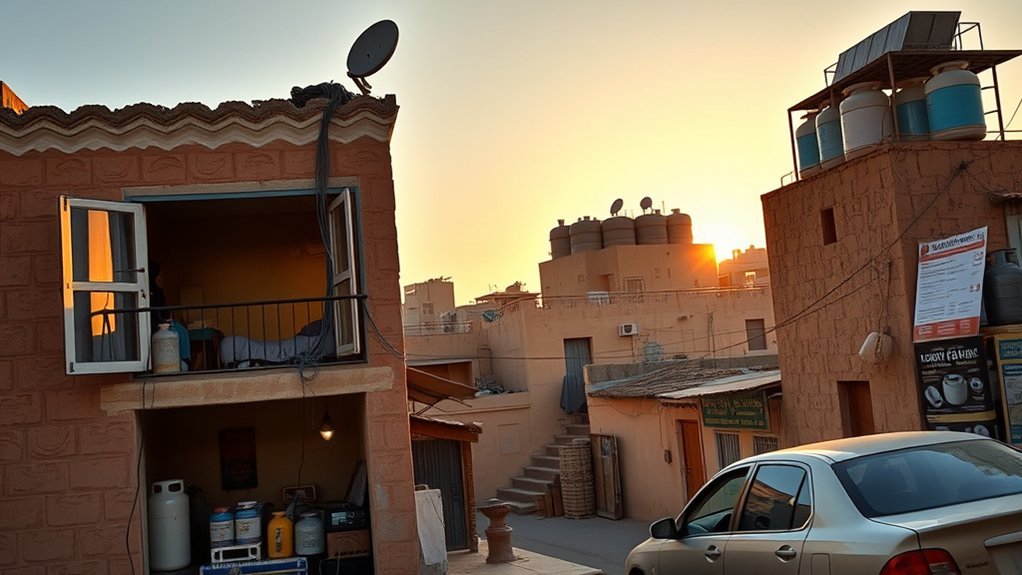
Renting a one-bedroom apartment in Yemen typically costs $233 in city centers and about $152 outside them. That gap reflects sharp urban-rural price differences that policymakers need to factor into assistance design.
Rents are higher in Sanaa and other urban hubs, so subsidies should be targeted where density and prices are highest. Buying remains difficult: mortgage rates average 12.84% for a 20-year term, which raises long-term affordability concerns and holds back homeownership growth.
- Monthly utilities average $38.20 per person, covering electricity, heating and cooling, water, and waste. Important for baseline welfare budgeting.
- Internet at 50 Mbps or faster costs about $26.70 monthly, relevant for digital inclusion and remote services planning.
- Urban rental pressure points to a need for affordable housing development and rental assistance in cities.
- High mortgage costs suggest that interest-subsidy programs or alternative financing are needed to expand safe, affordable housing supply.
These metrics can guide targeted, cost-effective housing and utility interventions for people living in Yemen.
Transportation, Internet and Other Everyday Costs
Public transport in Yemen is highly affordable. A single local ticket costs about $0.32 and a monthly pass runs $12.50. Both figures support low-income commuting and broader labor market access.
Gasoline costs roughly $1.04 per liter, keeping private vehicle costs below global averages. An 8 km taxi ride averages $5.85, making taxis a reasonable option for short, time-sensitive trips.
Internet connectivity is modestly priced. Plans offering 50 Mbps or faster run about $26.70 monthly, which enables remote work and digital services where network quality is reliable. Basic utility bills for one person average $38.20 monthly.
From a policy standpoint, keeping public transit fares affordable, ensuring fuel supply stability, and investing in broadband infrastructure in key city corridors will protect access and economic inclusion. Targeted subsidies or public-private partnerships could improve service quality without eroding affordability.
Regional Differences: Sanaa and Other Major Cities
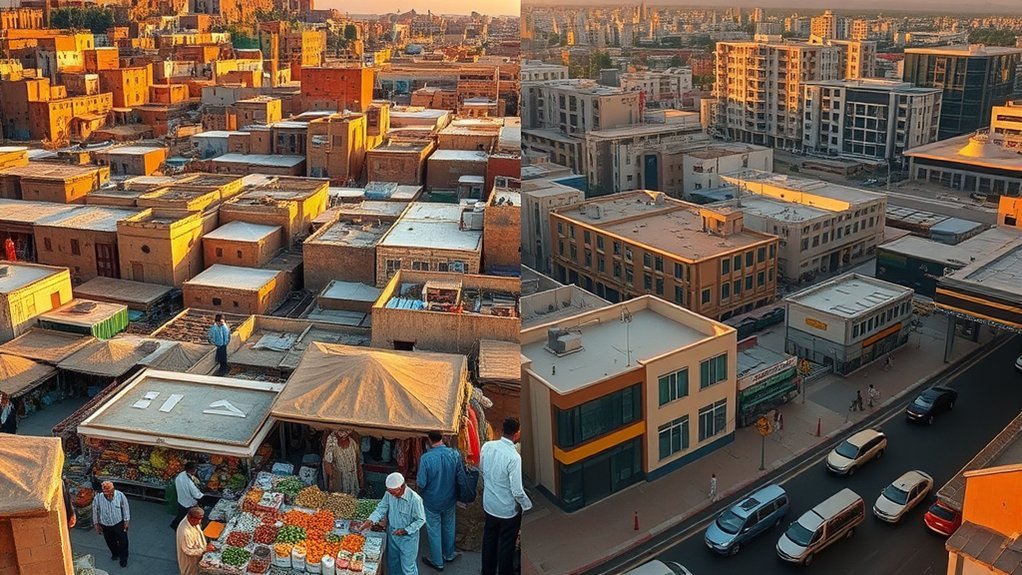
Sanaa’s living costs run noticeably higher, especially for housing. A one-bedroom city-center apartment there averages $233. Other urban and rural areas offer much cheaper options, sometimes as low as $165.92 for a one-bedroom outside the center. Aid planners and policymakers need to account for these sharp regional price differences when designing subsidies, social transfers, or infrastructure investments.
Sanaa’s rents and living costs are notably higher, so aid and subsidies must reflect sharp regional price differences.
Groceries and staples cost less outside major urban centers. Transport stays relatively cheap across the country but can creep up in cities with higher demand. These regional gaps create uneven access to services. Interventions should be targeted by locality, not just nationally.
Priority actions to consider:
- Map cost-of-living differences across cities in Yemen to guide benefit levels.
- Tie housing subsidies to local rent indices, with higher support in Sanaa.
- Adjust food assistance formulas to account for rural price advantages and urban premiums.
- Prioritize infrastructure spending where high urban costs limit access to markets and services.
A data-driven, locality-specific approach helps align resources with observed regional realities.
Frequently Asked Questions
How Much Does the Average Person Make in Yemen?
The average monthly wage in Yemen after taxes is about $111. That low figure, driven by ongoing conflict and weak labor markets, limits household consumption, strains social services, and calls for targeted international and domestic policy action to restore livelihoods. According to the World Bank Yemen overview, the country faces one of the most severe economic crises in the region.
How Much Is Rent in Yemen per Month?
Rent in Yemen runs about $233 per month for a one-bedroom city-center apartment and roughly $152 outside the center. In Sanaa, prices are higher. Utilities average $38.20 monthly, and larger apartments raise total housing costs significantly.
Is Yemen Friendly to the US?
Yemen is not broadly friendly to the US. Public sentiment is mixed and official relations are strained due to the ongoing conflict. That said, humanitarian cooperation continues and some pro-American attitudes persist, even amid significant security and diplomatic challenges.
What Is the Minimum Wage in Yemen in USD?
Yemen’s minimum wage is about $50 USD per month. That figure sits far below global norms, reflects the country’s conflict-driven economic fragility, and points to serious gaps in wage policy and poverty protection.
Conclusion
Living costs in Yemen are low by global standards, but those headline numbers hide a harsher reality. Conflict-driven inflation and supply disruptions push real household burdens far higher than prices alone suggest. Cheap food and low rents don’t mean affordable living when insecurity, fuel shortages, and limited public services multiply costs and risks at every level. The UN OCHA Yemen humanitarian situation reports make clear that nominal price data must be read alongside the broader crisis context. Effective policy needs to focus on stabilizing markets, restoring services, and supporting vulnerable households so that low nominal prices actually translate into better lives.