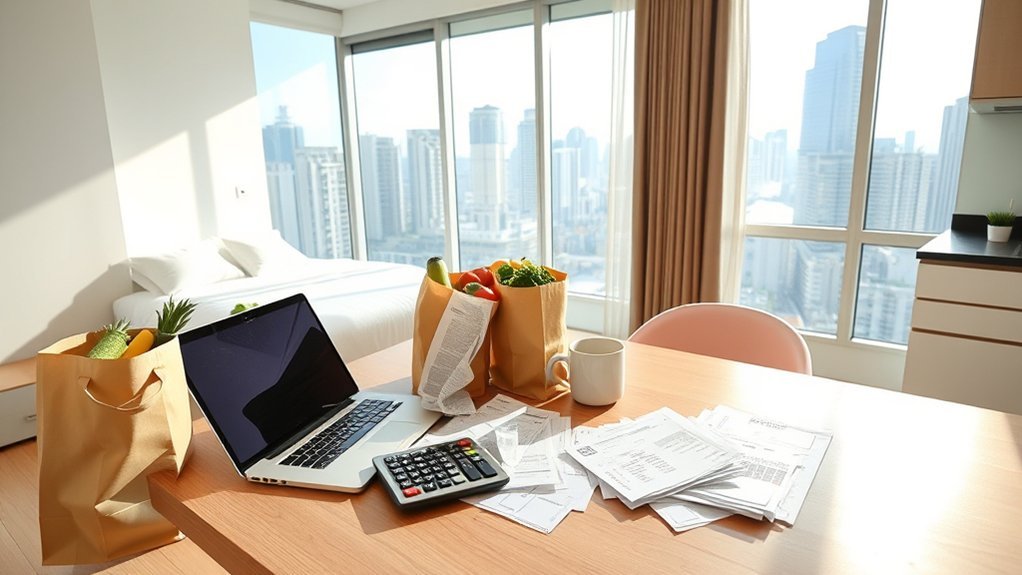
The monthly cost of living in Singapore is high, and rent is the main reason. Listing sites and crowd-sourced price data put a one-bedroom in the city centre at roughly S$2,500 to S$4,000 a month, with a single person’s all-in budget of about S$3,500 to S$6,000. Hawker meals (about S$4 to S$6) and public transport keep everyday costs far lower than housing.
Quick Answer
A single person needs roughly S$3,500 to S$6,000 per month including rent. Housing runs S$1,500 to S$4,000 depending on location and type, hawker meals cost S$4 to S$6, a monthly transit pass is about S$120 to S$130, and utilities run S$140 to S$300.
These are planning ranges, not quotes. Rents move with the market, so check current listings on property portals before you budget.
Monthly Cost of Living in Singapore: Budget Summary
| Expense | Typical monthly cost | Notes |
|---|---|---|
| Rent | S$700 to S$4,000+ | Room in a shared flat up to a central one-bedroom |
| Groceries | S$300 to S$600 | One person cooking at home |
| Transport | About S$120 to S$130 | Monthly adult concession pass |
| Utilities | S$140 to S$300 | Mostly electricity for air-conditioning |
| Internet | S$35 to S$50 | Home broadband |
| Total (single, with rent) | S$3,500 to S$6,000 | Depends mainly on housing and dining out |
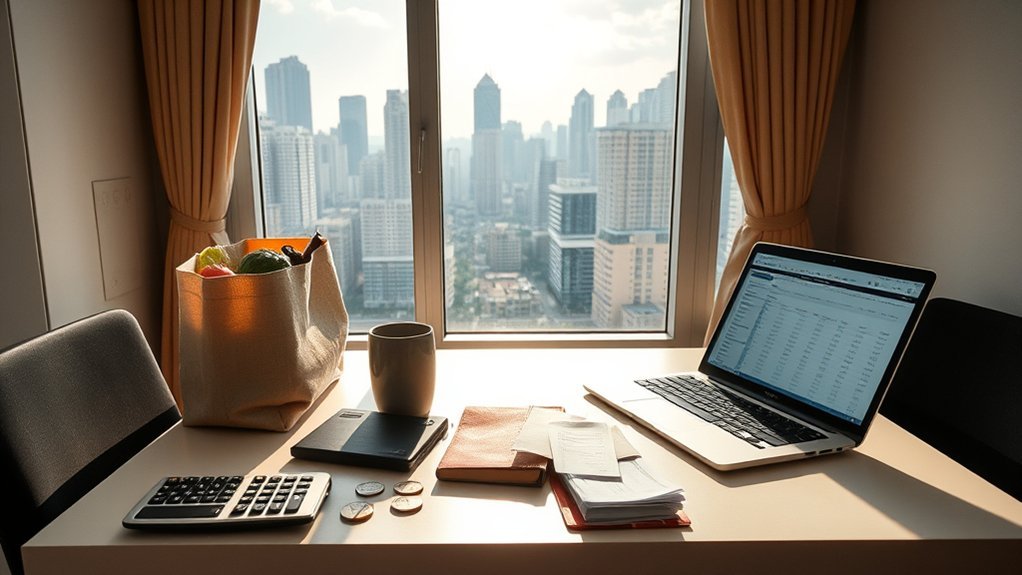
Housing Costs and Rent in Singapore

Housing is the biggest expense. Prices differ a lot between private condos, HDB flats (public housing) and rooms in shared flats, and between the city centre and the suburbs.
| Housing type | Reported monthly rent |
|---|---|
| Room in a shared flat | S$700 to S$1,500 |
| Older HDB unit or small flat in the suburbs | S$1,500 to S$2,500 |
| One-bedroom outside the centre | About S$2,500 to S$3,000 |
| One-bedroom in the city centre | S$2,500 to S$4,000+ |
| Three-bedroom central condo | S$7,000+ |
Landlords usually ask for a lease of a year or more and a security deposit of about one month’s rent per year of lease. Always view the unit and confirm the landlord’s ownership before paying a deposit.
Food and Dining Costs
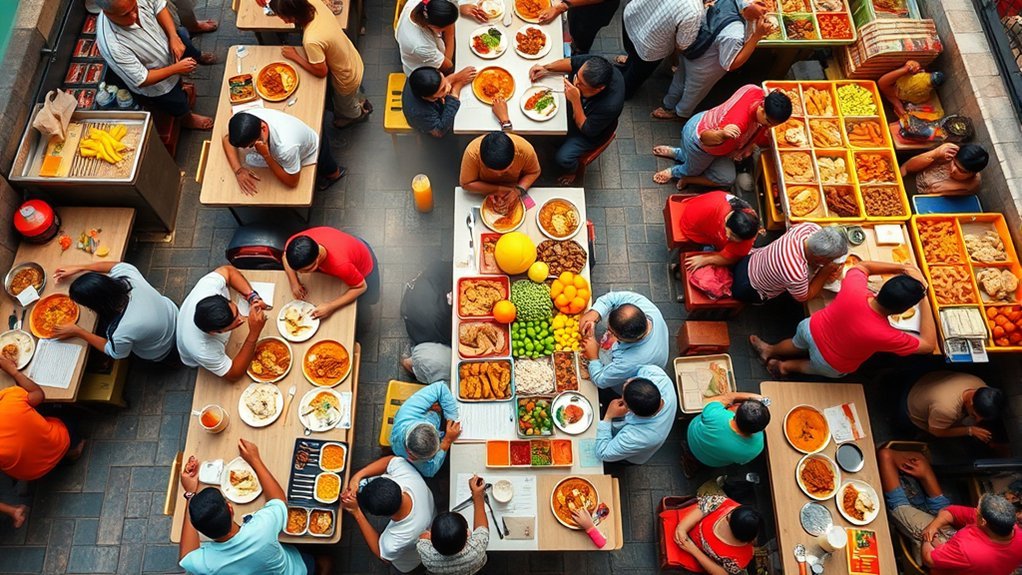
Food is where Singapore saves you money. Hawker centres serve full meals for roughly S$4 to S$6, while a sit-down restaurant meal costs several times that. Cooking at home is cheaper still: a single person’s groceries commonly run S$300 to S$600 a month depending on how much fresh and imported food you buy.
- Hawker centre meal: about S$4 to S$6.
- Restaurant meals: several times the hawker price, and more with drinks and service charge.
- Groceries (one person): S$300 to S$600 a month, with imported items costing more.
Transport and Commuting
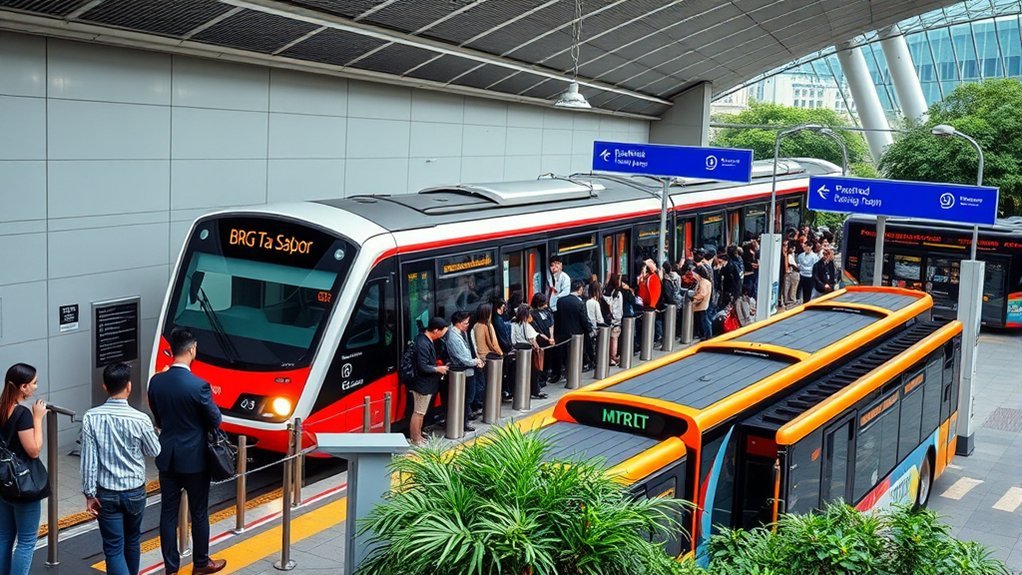
Public transport is efficient and cheap compared with owning a car. Bus and MRT trips typically cost about S$1 to S$2.50 depending on distance, and a monthly adult concession pass is in the region of S$120 to S$130. See the Public Transport Council’s fare and pass pages for current prices.
Car ownership is expensive because of the Certificate of Entitlement (COE), road tax, insurance and parking, so most residents rely on trains, buses and the occasional taxi or ride-hailing trip.
Utilities, Internet and Mobile
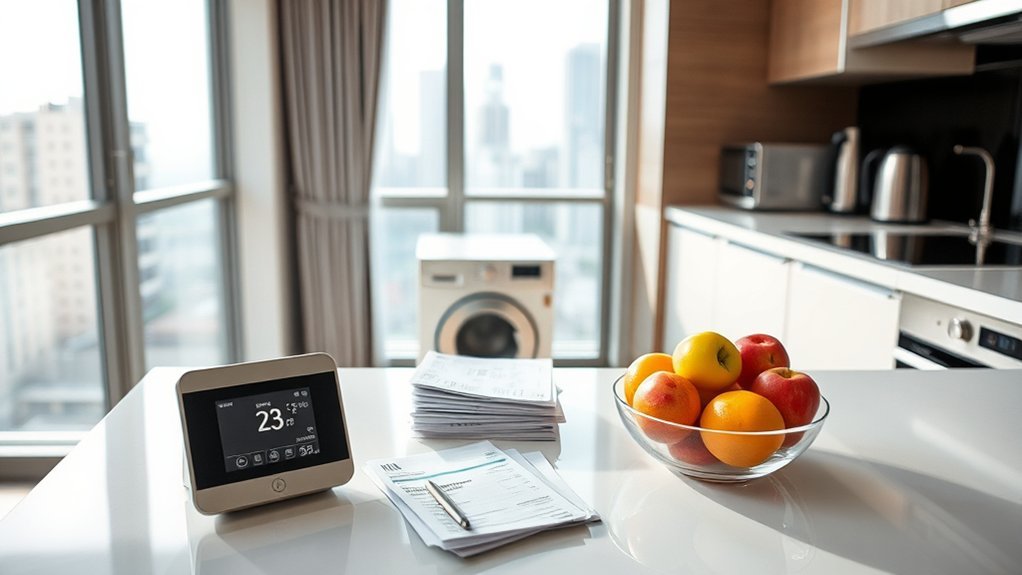
Utilities for a typical apartment (electricity, water and gas) run about S$140 to S$300 a month. Air-conditioning is the main driver, so usage habits matter more than flat size. Home broadband is commonly S$35 to S$50 a month, and mobile plans are extra. Singapore tap water is safe to drink.
How to Lower Your Costs in Singapore
- Share or go suburban: a room in a shared flat or a unit away from the centre can cut rent by half or more.
- Eat at hawker centres: several meals a week at S$4 to S$6 saves hundreds a month.
- Skip the car: a monthly transit pass costs a fraction of owning and parking a vehicle.
- Watch the air-conditioner: running it less, or at a higher setting, is the easiest way to trim the electricity bill.
- Check what the lease includes: some rentals include utilities or internet, which changes the real monthly total.
Related Cost of Living Guides
- Cost of living in Hong Kong – another high-rent Asian financial hub
- Cost of living in Taipei – a lower-cost Asian city
Frequently Asked Questions
How much does it cost to live in Singapore per month with rent?
A single person should plan roughly S$3,500 to S$6,000 a month including rent. The low end assumes a room in a shared flat or a modest unit away from the centre, and the high end assumes a central one-bedroom and regular dining out.
Is it cheaper to live in Singapore or the USA?
It depends on the US city. Singapore’s rent is high and car ownership is very expensive, but hawker food, public transport and income taxes can be cheaper than in major US cities. Compare your own rent, transport and healthcare costs rather than relying on a headline ranking.
How much is rent in Singapore in USD?
At roughly S$1.30 to S$1.35 per US dollar, a central one-bedroom of S$2,500 to S$4,000 is about US$1,900 to US$3,100 a month. The exchange rate changes daily, so convert again when you are ready to rent.
What salary do I need to live in Singapore?
A single person renting a one-bedroom usually needs a take-home income of at least S$4,000 to S$6,000 a month. Employment pass holders do not pay into the CPF, so their take-home pay is generally higher than a citizen or permanent resident earning the same gross salary.
Conclusion
Singapore is expensive mainly because of housing. Choose where you live first, then use hawker food and public transport to keep the rest of your budget under control. If you are comparing Asian cities, see our guides to the cost of living in Seoul and the wider how much it costs to live in Singapore overview.
Sources
- Numbeo: Cost of Living in Singapore – crowd-sourced rent, food and utility prices
- Public Transport Council: fares and passes