Affiliate disclosure: As an Amazon Associate I earn from qualifying purchases. This article may contain affiliate links at no extra cost to you.
Last checked: August 10, 2026. Product specifications and availability can change, so confirm the current listing before ordering.
You rely on correct torque to keep wheels, engine components, suspension hardware, and other critical fasteners tightened to the manufacturer’s specification. The right torque wrench should match the torque range you use most often, provide clear feedback at the target value, and be easy to set without drifting during the job. This guide compares four current 1/2-inch torque-wrench options for automotive and garage work, including mechanical click and electronic designs.
Quick Verdict
Best overall: The GEARWRENCH 85077 is the strongest all-around choice here if you want a broad 25–250 ft-lb range plus electronic target alerts. Best mechanical option: The GEARWRENCH 85066M keeps things battery-free with a 30–250 ft-lb range and a straightforward micrometer design. The CRAFTSMAN CMMT99434 is a simpler garage-friendly mechanical option, while the ACDelco ARM601-4 is a shorter digital wrench for lower-to-mid torque work up to 147.5 ft-lb.
Top Picks
|
Category |
Product |
Why It Stands Out |
|---|---|---|
|
🏆 Best Overall |
25–250 ft-lb range with digital display, vibration, buzzer, and LED target alerts |
|
|
⭐ Best Mechanical |
30–250 ft-lb mechanical range with a locking adjustment collar and no batteries |
|
|
🔧 Best Simple Garage Pick |
Simple micrometer adjustment, locking feature, stamped scales, and up to 250 ft-lb maximum torque |
|
|
⚙️ Best Lower-Range Digital Pick |
14.8–147.5 ft-lb range, 17-5/16-inch length, LCD display, and audible target confirmation |
Selection Criteria
We focused on the specifications that matter most for automotive torque work: drive size, usable torque range, manufacturer-stated accuracy, adjustment and locking design, target feedback, ratchet access, published warranty information, and whether the tool requires batteries. We also considered how clearly each wrench fits common jobs such as wheel lug nuts, suspension hardware, and engine fasteners.
This comparison does not claim hands-on testing. Product-specific specifications below are based on currently published manufacturer information and the linked product listings. Always compare the wrench’s range with the exact torque specification in your vehicle or equipment service information before use.
CRAFTSMAN CMMT99434

This CRAFTSMAN 1/2-inch micrometer torque wrench is a straightforward choice for buyers who prefer a mechanical click design instead of batteries and menus. The current manufacturer page highlights a locking adjustment feature, stamped inch and metric scales, a bi-material handle, and an included storage case, with a published maximum torque of 250 ft-lb.
It makes the most sense for routine garage work where a simple set-lock-pull workflow is more important than digital alerts. Because the current manufacturer page does not prominently publish the same detailed accuracy specification shown for some competing models, buyers who need a documented accuracy figure for professional or calibration-sensitive work should verify the current documentation before purchase.
Buyer Feedback Snapshot
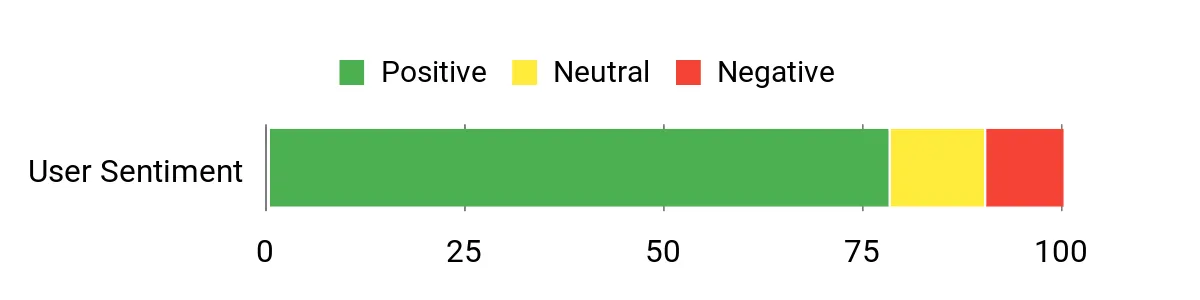
Earlier buyer feedback emphasized the familiar click feel, easy locking, readable markings, and solid garage usability. Ratings and review counts can change, so check the live Amazon listing for the newest feedback rather than relying on an old review total.
Why You’ll Like It
- Mechanical micrometer design keeps operation simple and battery-free
- Locking feature helps keep the selected torque setting from moving during use
- Stamped inch and metric scales make the setting easier to identify
- Included case helps protect the wrench between jobs
Who Should Buy This
Choose it if you want a familiar 1/2-inch mechanical torque wrench for routine automotive and home-garage work and you value simple adjustment over electronic features.
Who Should Avoid This
Skip it if you specifically need a digital target display, vibration alerts, angle measurement, or a clearly published high-precision accuracy specification for your workflow.
Check Product Details on Amazon
GEARWRENCH 85066M Micrometer

The GEARWRENCH 85066M is a 1/2-inch fixed-head micrometer wrench with a published 30–250 ft-lb range. Its manufacturer lists a pull-down adjustment collar, highly visible scale markings, a sealed teardrop head, and a 24.3-inch overall length. It is a strong choice when you want mechanical feedback and useful leverage without relying on batteries.
GEARWRENCH publishes ±3% clockwise torque accuracy in the upper 80% of the wrench’s maximum range, along with a one-year limited warranty and 90-day calibration-accuracy warranty. That makes the accuracy claim easier to evaluate than vague “precision” language.
Buyer Feedback Snapshot
Earlier buyer feedback described the wrench as solid and useful for higher-torque garage work, with the longer handle and locking adjustment called out as practical advantages. Check the current Amazon listing for the latest buyer feedback because review totals change over time.

Why You’ll Like It
- 30–250 ft-lb range covers many wheel, suspension, and other medium-to-high torque jobs
- Mechanical click design avoids batteries and electronic setup
- Pull-down collar supports quick torque-setting changes
- Sealed teardrop head and 24.3-inch length balance access with leverage
Who Should Buy This
Choose it if you prefer a mechanical wrench, want a published accuracy specification, and regularly work in the mid-to-high torque range.
Who Should Avoid This
Look elsewhere if you need electronic alerts, angle measurement, or frequent low-torque work below 30 ft-lb.
Check Product Details on Amazon
GEARWRENCH 85077 Electronic

The GEARWRENCH 85077 is the most feature-rich all-around option in this group. It combines a 1/2-inch drive with a published 25–250 ft-lb range, a digital display, and a Target Torque Alert system that uses vibration, a buzzer, and an LED indicator as you approach and reach the selected value.
GEARWRENCH lists ±2% clockwise and ±3% counter-clockwise torque accuracy between 20% and 100% of the wrench scale. The 72-tooth ratchet provides a 5-degree swing arc, and the tool uses three AAA batteries. One important clarification: model 85077 is a fixed-head electronic torque wrench, not a flex-head model, and it does not list torque-angle measurement.
Buyer Feedback Snapshot
Earlier buyer feedback focused on the usefulness of the digital display and multiple target alerts. Because ratings and review totals change, use the live Amazon listing to judge current buyer sentiment and recurring issues.

Why You’ll Like It
- 25–250 ft-lb range works for a broad mix of automotive torque tasks
- Vibration, buzzer, and LED feedback make the target easier to recognize
- 72-tooth ratchet with a 5-degree swing arc helps where handle movement is limited
- Five measurement units support different service-manual specifications
Who Should Buy This
Choose it if you want digital feedback, a broad automotive range, and multiple alerts that make it easier to approach a target torque consistently.
Who Should Avoid This
Skip it if you specifically need a flex head or built-in torque-angle measurement. Those are different features and are not listed for model 85077.
Check Product Details on Amazon
ACDelco ARM601-4 Digital

The ACDelco ARM601-4 is a 1/2-inch digital torque wrench aimed at lower-to-mid torque work. Its current manufacturer specifications list a measured range of 14.8–147.5 ft-lb (20–200 Nm), a 17-5/16-inch length, a quick-release 45-tooth ratchet head, and an LCD that can display kg-cm, N-m, in-lb, and ft-lb.
ACDelco publishes ±2% clockwise and ±3% counter-clockwise accuracy from 20% of maximum torque through the top of the range. The wrench provides audible torque confirmation with a buzzer, supports Peak and Trace modes, and uses four AAA batteries. LED-flash alerts and an ISO 6789 certificate are not listed on the current manufacturer product page.
Buyer Feedback Snapshot
Earlier buyer feedback described the display, audible notification, and balanced feel as useful for engine and garage work. For current satisfaction levels or recurring complaints, check the live Amazon listing rather than relying on an old rating or review count.

Why You’ll Like It
- 14.8–147.5 ft-lb range reaches lower than the other 1/2-inch options in this roundup
- LCD readout supports four common torque units
- Audible target confirmation helps you know when to stop applying force
- Peak and Trace modes support different torque-reading workflows
Who Should Buy This
Choose it if your work frequently falls below about 150 ft-lb and you want a shorter digital wrench with a clear numeric display and buzzer feedback.
Who Should Avoid This
It is not the best fit if you routinely need more than 147.5 ft-lb, want a flex head, or require built-in torque-angle measurement.
Check Product Details on Amazon
How to Choose the Right Torque Wrench
Match the Range to Your Fasteners
Check the manufacturer torque specification for the jobs you actually do, then choose a wrench that covers those values without forcing you to work at the extreme bottom or top of its range whenever possible. A 1/2-inch wrench is common for wheel and many chassis jobs, but lower-torque engine or small-fastener work may call for a smaller-drive wrench.
Mechanical vs. Digital
A mechanical click wrench is simple, battery-free, and easy to store in a garage toolbox. A digital wrench adds a numeric display and may provide audible, visual, or vibration alerts. Do not assume every electronic wrench includes angle measurement; that is a separate feature that must be specifically listed.
Check the Published Accuracy Window
Accuracy claims often apply only to a stated portion of the wrench’s range and may differ by clockwise and counter-clockwise direction. Read the manufacturer specification carefully instead of treating one percentage as valid across every setting.
Think About Access and Leverage
Longer handles reduce the effort required at higher torque values, but they can be awkward in cramped engine bays or wheel wells. Ratchet tooth count and swing arc also matter when there is limited room to move the handle.
FAQ
How Do I Choose the Right Torque Wrench?
Start with the torque specifications you use most often. Match the drive size and range to those jobs, then compare published accuracy, adjustment method, feedback type, handle length, ratchet access, warranty, and calibration support. For frequent wheel and suspension work, a 1/2-inch wrench is common; lower-torque jobs may be better served by a 3/8-inch or 1/4-inch model.
How Should I Use and Maintain a Torque Wrench?
Set the required value, lock the adjustment if applicable, and apply smooth, steady force at the handle until the wrench gives its specified click or electronic alert. Avoid impacts, drops, and using the tool as a pry bar. For spring-style micrometer wrenches, follow the maker’s storage instructions—often returning the setting to the lowest marked value rather than below the scale. For electronic models, keep the tool dry and follow the battery-storage guidance in the manual.
Can I Use a Torque Wrench for Engine Work?
Yes, if the wrench’s range and published accuracy fit the manufacturer’s procedure. Some cylinder-head and engine fasteners require a torque value followed by a specified angle. If the procedure calls for angle, use a wrench that explicitly measures angle or a separate angle gauge.
Does a Digital Torque Wrench Automatically Measure Angle?
No. Digital torque measurement and torque-angle measurement are different functions. The GEARWRENCH 85077 and ACDelco ARM601-4 in this roundup should not be treated as angle-measuring tools unless current manufacturer documentation specifically states that capability.
Wrapping Up
For the broadest combination of range and feedback in this group, the GEARWRENCH 85077 is the strongest overall choice: it covers 25–250 ft-lb and provides a digital display with vibration, buzzer, and LED target alerts. If you prefer a battery-free mechanical wrench, the GEARWRENCH 85066M offers a 30–250 ft-lb range with a published clockwise accuracy specification and a simple micrometer design.
The CRAFTSMAN CMMT99434 is the simpler mechanical option for buyers who prioritize straightforward adjustment and an included case, while the ACDelco ARM601-4 is better suited to lower-to-mid torque jobs that stay within its 14.8–147.5 ft-lb range. Whichever model you choose, match it to the exact torque procedure and confirm whether your job requires torque-angle measurement before starting.
| Product Name | Image | Best For | Torque Range | Drive | Operation Mode |
|---|---|---|---|---|---|
| CRAFTSMAN CMMT99434 1/2-in Drive Micrometer Torque Wrench |
|
Simple mechanical garage use | Up to 250 ft-lb published maximum | 1/2 in | Mechanical micrometer |
| GEARWRENCH 85066M 1/2-in Drive Micrometer Torque Wrench |
|
Mechanical precision and leverage | 30–250 ft-lb | 1/2 in | Mechanical micrometer |
| GEARWRENCH 85077 1/2-in Drive Electronic Torque Wrench |
|
Broad-range digital feedback | 25–250 ft-lb | 1/2 in | Electronic |
| ACDelco ARM601-4 1/2-in Digital Torque Wrench |
|
Lower-to-mid torque digital work | 14.8–147.5 ft-lb | 1/2 in | Electronic |
This roundup is reader-supported. When you click qualifying affiliate links, the site may earn a commission at no extra cost to you.