

[VERIFY: add real author/byline] | Academic Year: 2026/27
For the 2026/27 academic year, students in Leicester should plan to spend between £800 and £1,500 per month (£200–£375 per week) on accommodation, groceries, local transport, utilities, study materials, and personal expenses. A lower-cost shared room and careful spending can keep total costs around £800–£1,050 per month, while a typical student lifestyle averages £1,050–£1,500. Choosing a studio, taking frequent regional travel, or regular nights out can push monthly spend above £1,500. Tuition fees, visa charges, tenancy deposits, and initial moving expenses are separate.
Quick Answer: Leicester Student Living Costs 2026/27
Budget roughly £800–£1,500 per month for student living expenses in Leicester, excluding tuition fees and one-off visa or relocation costs. University hall charges range from £74–£273 per week at the University of Leicester and £95–£180 per week at De Montfort University (DMU).
Key Takeaways
- Accommodation is normally the largest expense and varies by room type, location, contract length, and utility bill inclusions.
- A practical grocery allowance is around £35–£60 per week if you cook most meals at home.
- First Bus offers a £67 four-week Leicester student pass, while select university shuttles and city-centre electric buses are completely free.
- Eligible home students from England can receive Maintenance Loans up to £10,830, depending on household income.
- International students must budget separately for tuition, the £558 Student visa fee, the £776/year Immigration Health Surcharge, and required maintenance funds (£1,171/month).
How Much Does Student Living in Leicester Cost in 2026/27?

Your actual student budget depends mainly on your choice of accommodation. The lowest advertised hall prices are usually attached to limited room types, such as twin rooms or properties with shared bathrooms. Ensuite rooms, studios, and central city accommodation carry higher weekly rates.
The University of Leicester’s 2026/27 Cost of Attendance uses weekly planning allowances of £225 for on-campus housing, £175 for off-campus housing, £60 for food, £60 for personal expenses, and £40 for local transport. These serve as financial aid planning limits rather than guaranteed market averages.
A realistic budget should cover the full calendar year or entire contract term, not only the weeks when academic classes are actively running.
Master Leicester Student Monthly Budget Summary
| Expense Category | Lower-Cost Budget | Typical Student Budget | Higher-Spending Budget |
|---|---|---|---|
| Accommodation | £320–£450/mo | £500–£780/mo | £800–£1,180+/mo |
| Groceries & Food | £130–£175/mo | £175–£260/mo | £260–£390+/mo |
| Local Transport | £0–£20/mo (Walk/Free Bus) | £67/mo (Student Pass) | £100–£150+/mo (Taxis/Rail) |
| Utilities & Mobile | Included in Rent | £40–£75/mo (Shared) | £80–£120+/mo |
| Personal & Social | £100–£150/mo | £200–£260/mo | £300–£450+/mo |
| Total Estimated Monthly Spend | £800–£1,050 | £1,050–£1,500 | £1,500–£2,000+ |
Budgeting Note: Calculating monthly averages directly from weekly rent can be misleading. University hall contracts typically run for 41 to 43 weeks, whereas private tenancies often run for 52 weeks. Calculate the total annual contract sum and divide by 12 to determine your actual monthly commitment.
How Much Does Student Accommodation Cost in Leicester?
When comparing housing options, evaluate total annual contract price rather than relying solely on the weekly headline rate. Check contract duration, payment installment dates, room specifications, cancellation terms, laundry costs, contents insurance, and whether energy, water, and broadband are included.
| Accommodation Option | 2026/27 Rates | Key Features & Contract Details |
|---|---|---|
| University of Leicester Halls | £74–£273 per week | Wide range by room type; twin rooms start at £74/wk; standard contract duration is 42 weeks |
| DMU Partner Halls | £95–£180 per week | Contracts span 41–43 weeks; options range from Bede Hall (£95/wk) to private studios (£180/wk) |
| Private Shared Housing (HMO) | Planning figure: £175 per week | University planning benchmark; verify separately whether utility bills are included |
Products Worth Considering

Sleep soundly in your college dorm with our cozy and durable bed in a bag – designed to make your life easier.
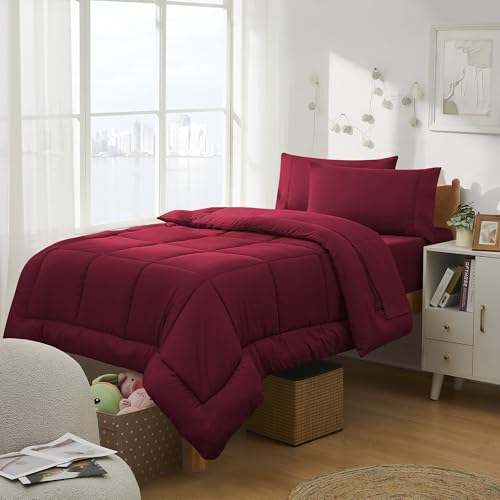
Sleep soundly in your college dorm with our cozy and durable bed in a bag – designed to make your life easier.

Sleep soundly in your college dorm with our cozy and durable bed in a bag – designed to make your life easier.
University of Leicester Halls Breakdown
The University of Leicester accommodation directory lists 2026/27 options spanning shared rooms to high-end city center studios. Shared twin rooms start at £74 per week, standard ensuite rooms average £160–£195 per week, and premium rooms at Freemen’s Common reach approximately £273 per week.
A £250 pre-payment is required upon booking for most University of Leicester rooms, which is subsequently deducted from your final rental installment. Always review the full payment schedule before signing.
De Montfort University (DMU) Halls Breakdown
DMU’s 2026/27 accommodation rates feature budget options such as Bede Hall from £95 per week and New Wharf Hall at £118.50 per week. Private partner halls offering ensuite rooms generally cost £135–£165 per week, with self-contained studios reaching £180 per week.
Most DMU-affiliated halls include heating, electricity, water, broadband, and basic contents insurance in the rent. However, laundry services, car parking, and personal device cover outside your room usually cost extra.
Private Shared Housing, Deposits, and Rental Contracts
Renting a private room in a shared house (HMO) offers independent living but requires managing separate utility bills for gas, electricity, water, broadband, and TV licensing. Request the property’s Energy Performance Certificate (EPC) and recent utility statements to estimate true monthly running costs accurately.
Tenancy Warning: Never sign a private tenancy agreement based solely on weekly rent figures. Ensure you understand joint-and-several liability terms, which can make you legally responsible for housemates’ unpaid rent if someone leaves the tenancy early.
Under tenancy legislation in England, holding deposits are capped at a maximum of one week’s rent. Standard tenancy security deposits cannot exceed five weeks’ rent when annual rent is under £50,000. Review official GOV.UK deposit protection rules before transferring funds.
What Are Grocery and Food Prices in Leicester for Students?
A practical food budget in Leicester is £35 to £60 per week (£150–£260 per month) if you prepare most meals at home, bring packed lunches, and limit takeaway meals. The upper figure aligns with the University of Leicester’s official food allowance benchmark.
Staples such as milk, bread, eggs, rice, pasta, seasonal vegetables, lentils, and chicken breasts provide a cost-effective weekly base shop. Because grocery inflation causes single-item prices to fluctuate, budgeting by weekly total is more reliable than tracking individual item costs.
Weekly Grocery Budget Tiers
- Strict Savings Budget: £30–£40 per week utilizing meal planning, supermarket own-brand products, and bulk staples.
- Standard Cooking Budget: £40–£60 per week covering fresh produce, meat/alternatives, brand-name staples, and occasional snacks.
- Higher Grocery Budget: £60–£90+ per week incorporating specialty diets, organic lines, convenience meals, and regular takeaways.
Batch cooking around versatile core ingredients minimizes waste. Preparing double portions of meals like curries, pasta dishes, and stews provides cheap lunches throughout the week.
Pro Tip: Create a weekly meal plan before visiting supermarkets like Aldi or Lidl, and compare unit prices (cost per 100g/kg) rather than box prices to secure maximum value.
The University of Leicester’s cost-of-living resource hub highlights affordable campus food options, including £3.85 sandwich meal deals and Community Kitchen access where students can heat food and access low-cost provisions.
Managing Dining Out and Takeaway Spending
Restaurant meals and takeaways can quickly deplete a weekly food allowance. While fast-food options are relatively inexpensive, sit-down restaurant meals, delivery apps, and service charges add up rapidly.
- Allocate a distinct weekly allowance for dining out rather than taking funds from essential grocery money.
- Check student discount apps (such as UNiDAYS and Student Beans) before booking restaurants.
- Opt for restaurant pickup instead of paying delivery fees and small-order surcharges.
How Much Is Public Transport for Leicester Students?
Leicester features a compact urban layout, allowing many students to walk or cycle between accommodation, campus buildings, grocery stores, and the city centre. Transport costs for pedestrian students can therefore remain near zero.
For those relying on local bus services, First Bus student ticket options include a 4-week Leicester student pass at £67, a 3-month pass at £188, and an annual student pass at £555. A valid university ID card is required upon purchase and boarding.
Arriva Bus lists single student fares at £3 and an annual Leicester student bus pass at £580. Compare route maps against your specific housing location before purchasing long-term passes.
University of Leicester students can access a free term-time shuttle bus connecting the main campus with The Village accommodation halls upon presenting student ID. Additionally, Leicester operates a free electric Hop bus service circling key city-centre locations, including the railway station, Haymarket bus station, Highcross shopping centre, and Leicester Royal Infirmary.
For travel across the UK, a 16–25 Railcard costs £35 annually (or £80 for three years) and reduces standard rail fares by one-third. Full-time mature students of any age also qualify.
Products Worth Considering

Made With Heavy Duty Vinyl Material

Top Quality Vinyl Made to Last

Shield with Eagle Fits Blackington B 296 / shield style badges
What Utilities and Monthly Bills Do Leicester Students Pay?

Utility expenses apply primarily to students in private shared houses where bills are not integrated into rent. Total costs depend on property energy efficiency ratings, occupants, heating types, and seasonal usage patterns.
| Bill Category | Verification Checklist for Private Housing |
|---|---|
| Gas & Electricity | Check if included in rent, verify energy caps, confirm meter types, and clarify payment splitting arrangements. |
| Water Supply | Confirm if water is billed on a fixed rate or water meter, and verify whether it is covered in rent. |
| Broadband Internet | Review download speeds, setup fees, contract duration (9 vs 12 months), and summer coverage terms. |
| Mobile Phone Contract | Assess monthly data allowances, international roaming fees, contract inflation adjustments, and network coverage. |
| Laundry Services | Factor in per-wash (£3–£4) and dryer charges (£2–£3) in halls using services like Circuit Laundry. |
| Contents Insurance | Verify baseline room cover inclusions and determine whether high-value items (laptops, bikes, phones) require add-ons. |
Residential properties occupied exclusively by full-time students are exempt from UK Council Tax. If a Council Tax bill is issued, submit a student exemption certificate via Leicester City Council’s online portal. Mixed households containing non-students remain partially liable.
A UK TV Licence (£169.50/year) is required if you watch or record live television on any channel or use BBC iPlayer. Licensing rules vary between self-contained tenancies and shared properties; review official student TV Licence guidance to check requirements.
Products Worth Considering

EM16P MODEL & LOCAL CONTROL & DATA PRIVACY: Access your home energy monitor data locally via Built-in Web UI, Open API, and MQTT without relying on cloud services. Unlike cloud-dependent monitors, Refoss ensures your data stays within your home network. Direct local access protects your privacy while giving you 100% full control of your home energy system even during internet outages.

⚡ EASY INSTALLATION: Installs in circuit panel of most homes with clamp-on sensors. Supports single-phase up to 240VAC line-neutral; single, split-phase 120/240VAC; and three-phase up to 415Y/240VAC (no Delta). The branch lines can automatically match different phases and have no restrictions in terms of quantity and voltage.Panels with access only to busbars will need flexible sensors available from SEM-Meter.
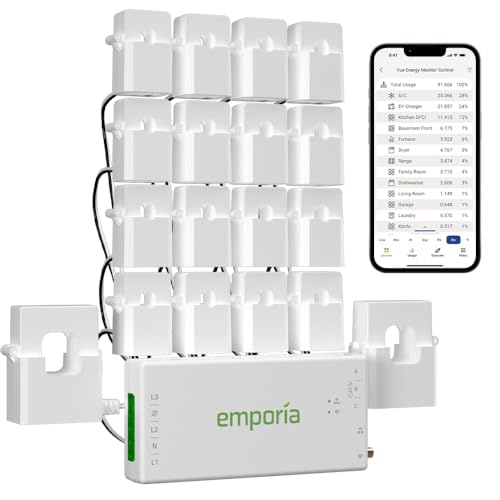
SAFETY YOU CAN TRUST WITH UL CERTIFICATION: With Emporia Energy, your home energy monitoring is safe, reliable, and certified. The Emporia Vue is UL Listed, meaning it has met rigorous safety standards for electrical products in the U.S. and Canada. This certification ensures that every component has been thoroughly tested to prevent hazards, such as overheating, short-circuiting, or fire, offering you peace of mind as you manage your home’s energy consumption.
How Much Does Socializing and Going Out Cost in Leicester?
Leicester provides a vibrant selection of pubs, venues, cinemas, sports facilities, and eateries across the city centre, St Martin’s Square, and the Cultural Quarter. Allocating a fixed weekly social allowance helps prevent overspending during term time.
Student Socializing Strategies
Taking advantage of mid-week student nights, early bird meal deals, and local discounts keeps entertainment costs manageable without sacrificing your social life.
- Set aside a realistic weekly personal fun allowance (£25–£50) rather than spending unbudgeted overdraft funds.
- Eat a meal at home before attending events where venue food pricing is inflated.
- Use student discount cards (UNiDAYS, TOTUM) specifically for pre-planned purchases.
- Use prepaid virtual accounts or cash for night outs to avoid unexpected bank charges.
Popular Leicester Venues and Event Pricing
Venues such as the O2 Academy Leicester, DMU Students’ Union, and independent bars in the Cultural Quarter host weekly student club nights, live gigs, and social events. Entry fees generally range from £3 to £10 depending on advance booking, with drink specials available on designated student nights.
Always factor in return travel expenses when social events extend past the operating hours of local bus routes, budgeting for licensed taxis or rideshares.
What Are the Tuition, Student Finance, and Visa Requirements?
Home Undergraduate Tuition Fees and Maintenance Funding
For eligible full-time home undergraduate students domiciled in England, the maximum Tuition Fee Loan for the 2026/27 academic year is £9,790. Tuition loans are disbursed directly to your university. Actual tuition charges depend on your degree program and institution.
The maximum 2026/27 Maintenance Loan for eligible English home students living away from parents and studying outside London is £10,830 (or up to £12,345 for students qualifying for specific means-tested benefit support). Maintenance loan amounts are calculated based on household income. Review current Student Finance England regulations for exact entitlement criteria.
International Student Tuition, Visa Fees, and Maintenance Funds
International student tuition fees are determined independently by universities and vary by course discipline, ranging higher than home fee caps. Consult your university Offer Letter and Confirmation of Acceptance for Studies (CAS) statement for exact course fees.
- Student Visa Application Fee: £558 for main applicants and each dependant.
- Immigration Health Surcharge (IHS): £776 per year of visa duration for students and dependants.
- Maintenance Requirement (Outside London): £1,171 per month for up to nine months.
- Maximum Maintenance Proof Required: £10,539 (9 × £1,171), plus any unpaid first-year tuition fees shown on your CAS.
Required maintenance funds must be held in an eligible bank account for at least 28 consecutive days, with the closing balance date falling within 31 days of submitting your visa application. Refer to GOV.UK Student visa financial requirements for strict compliance rules.
The Immigration Health Surcharge is calculated based on total visa length rather than exact course dates. Visa permissions that include extra post-study buffer months result in higher total IHS payments.
Short-Term Courses Note: Short-term Study visas apply specifically to English language courses lasting between 6 and 11 months. The application fee is £228, and this route strictly prohibits work and dependants.
What Are the Hidden and One-Off Costs for Leicester Students?
Your first month of university incurs significant initial setup costs that do not recur monthly. Establish a dedicated relocation fund to cover these upfront expenses:
- Accommodation Pre-payment or Holding Deposit: £250–£500 paid upon booking.
- Tenancy Security Deposit: Up to 5 weeks’ rent for private accommodation.
- Kitchen & Bedding Setup Packs: £100–£200 for duvets, sheets, pots, pans, and cutlery.
- Academic Supplies & Tech: £300–£800 if purchasing a laptop, course textbooks, software, or specialized materials.
- Laundry Card Credit: £15–£30 initial top-up card loading.
- Relocation & Travel: £30–£150+ for luggage transfer, train fares, or fuel.
- Gym & Society Memberships: £120–£250 annually for sports clubs, university gym pass, and student societies.
- UK Winter Clothing: £100–£250 for heavy coats, waterproof jackets, and boots.
- Bicycle Security: £30–£60 for a heavy-duty D-lock and safety lights.
- Visa & Healthcare Fees: Upfront £558 application fee plus IHS surcharge (£776/year).
Maintaining a reserve emergency fund of £300–£500 prevents unexpected costs—like laptop repairs or emergency travel—from disrupting your core rent and food budget.
How Can Students Reduce Living Costs in Leicester?
- Evaluate Total Annual Housing Costs: Multiply weekly room charges by the exact contract length (41, 42, or 52 weeks) to calculate real housing expenditure.
- Choose Bills-Inclusive Tenancies: Opting for halls where heating, electricity, water, and broadband are bundled protects you from winter price spikes.
- Prioritize Free Local Transit: Utilize walking routes, bicycle lanes, and free university/city shuttle buses before purchasing commercial bus passes.
- Batch Cook & Shop at Discount Supermarkets: Prepare multi-portion meals and shop at discount grocers like Aldi or Leicester Market for fresh produce.
- Conduct Weekly Budget Audits: Track actual spending every Sunday to identify overspending before it impacts your account.
- Leverage Campus Resources: Utilize free campus IT software, library textbook loans, microwave stations, and hardship support funds.
- Verify Bus Route Eligibility: Confirm bus pass coverage routes between your specific accommodation and campus before buying annual passes.
- Ringfence Rent Funds Immediately: Separate tuition and rent funds into a dedicated bank account as soon as maintenance loans disburse.
Frequently Asked Questions
What is a realistic monthly student budget in Leicester in 2026/27?
Most students should plan for £800 to £1,500 per month, excluding tuition fees and one-off visa/moving costs. Frugal shared housing and home cooking can keep costs around £800–£1,050, while renting a studio and frequent socializing can push monthly spend above £1,500.
Is Leicester an affordable city for UK students?
Yes, Leicester is generally more affordable than London, Bristol, or Edinburgh. Accommodation choice remains the single largest factor determining overall expenses; opting for shared halls or private student housing keeps living costs competitive.
How much do student halls cost in Leicester?
For the 2026/27 academic year, University of Leicester hall prices range from £74 to £273 per week depending on room type. De Montfort University (DMU) partner halls range from £95 to £180 per week.
How much money must an international student show for a Leicester Student visa?
Because Leicester is outside London, international students must demonstrate maintenance funds of £1,171 per month for up to 9 months (a maximum requirement of £10,539), plus any outstanding first-year tuition fees listed on their CAS.
Do full-time students in Leicester pay Council Tax?
No, households occupied solely by full-time university students are exempt from UK Council Tax. Students must obtain a Council Tax Exemption Certificate from their university portal and submit it to Leicester City Council.
What is the population of Leicester?
According to official Nomis mid-year population statistics, Leicester has an estimated population of approximately 388,348 residents, including a substantial student population across its two major universities.
Conclusion
A realistic student budget for living in Leicester in 2026/27 is £800 to £1,500 per month to cover accommodation, food, local travel, utilities, and social activities. Budget-conscious room choices and cooking at home keep spending near the lower end, while studio apartments, private bill management, and frequent regional travel raise overall monthly expenditure.
Compare full annual contract lengths, verify bill inclusions, separate tuition and immigration fees from everyday living allowances, and build an initial move-in setup fund. Implementing a weekly budget review ensures your student funds last throughout the entire academic year.
Sources
- University of Leicester Accommodation Search — Official 2026/27 room pricing, contract lengths, and hall specifications.
- De Montfort University Accommodation Services — 2026/27 partner hall prices and contract details.
- University of Leicester Cost of Attendance Guidelines — Housing, grocery, transport, and personal funding benchmarks.
- GOV.UK Student Finance England — 2026/27 undergraduate tuition fee caps and Maintenance Loan limits.
- GOV.UK Student Visa Financial Requirements — International maintenance requirements and financial proof criteria outside London.
- GOV.UK Immigration Health Surcharge Guidance — Annual health surcharge rates for international students and dependants.
