
Car side mirror replacement cost can range from under $100 for a simple glass or basic part to $1,000 or more for a complete modern mirror assembly. A broad consumer estimate for simpler replacements is about $150 to $500, while RepairPal’s June 2026 national estimate for full door-mirror replacement is $951 to $984 before taxes, location adjustments, and related work. Mirrors with cameras or other ADAS hardware can cost more still.
Last updated: August 11, 2026. This guide uses current U.S. planning estimates and separates glass-only repairs, complete mirror assemblies, labor, paint, electronics, and possible ADAS calibration so you can compare quotes on the same basis.
If only the reflective glass is broken and the housing, motor, wiring, and sensors still work, replacing the glass may be the cheapest option. If the housing is cracked, the mount is loose, the motor fails, wiring is damaged, or the mirror contains a camera, the job may require a complete assembly and professional setup.
Before ordering a part, match the mirror to your exact year, make, model, trim, side, connector, and features such as heat, power folding, memory, turn signals, auto-dimming, blind-spot indicators, or a surround-view camera.
Modern mirror pricing varies because “replace the side mirror” can mean anything from changing one piece of glass to replacing a painted, powered assembly with a camera. AAA found that a side-mirror sensor/camera package used for around-view systems can run about $740 to $1,600, including parts, labor, and calibration in its study. That is why the features on your specific mirror matter more than a single national average.
Car Side Mirror Replacement Cost At A Glance
| Repair Scenario | 2026 Planning Cost | What It Means |
|---|---|---|
| Glass or very basic part | Under $100 to low hundreds | Housing and electronics remain usable; exact part and installation method vary by vehicle. |
| Simple replacement | About $150 – $500 | A useful broad range for less-complex mirrors; make, model, labor, paint, and part source can move the total. |
| Full door-mirror replacement benchmark | $951 – $984 | RepairPal’s June 2026 national estimate for a complete door-mirror replacement; individual vehicles vary widely. |
| ADAS side-mirror sensor/camera package | $740 – $1,600 | AAA study range for around-view side-mirror sensor/camera components, labor, and calibration. |
These ranges overlap because they describe different repair scopes. Ask whether a quote is for glass only, a complete assembly, paint, programming, and calibration before comparing prices.

This retractable car window shade helps block UVA and UVB rays to make rides more comfortable and protected for passengers. It includes a White Hot heat alert that turns white when the car is too hot, plus dual installation options for a secure fit in many vehicles. The safe-view mesh supports visibility while helping reduce glare, and the easy one-push retraction makes it simple to use when needed.

The Veepeak OBDCheck BLE is a Bluetooth OBD-II scanner designed for iOS and Android users who want an easy way to read and clear check engine light codes. It supports generic diagnostics such as freeze frame data, I/M readiness, and live sensor readings through compatible third-party apps. Built for most 1996+ vehicles in the US, it connects over Bluetooth LE and works with popular apps for everyday vehicle troubleshooting and monitoring.

The ANCEL AD310 is a compact OBD II scanner designed to quickly diagnose check engine light issues by reading and clearing emission-related trouble codes. It also provides live data, freeze frame, I/M readiness, and vehicle information, making it a practical tool for drivers and home mechanics. With broad compatibility across many 1996 and newer OBD2 vehicles, it is a simple, fast, and portable way to check engine problems.
The Importance Of Intact Side Mirrors
Side mirrors help you monitor traffic beside and behind the vehicle when changing lanes, merging, backing, and parking. A cracked, missing, loose, or badly misaligned mirror can reduce that usable field of view, so the damage should be assessed before normal driving continues.
Safety And Legal Implications
Mirror requirements are not identical in every state. Federal Motor Vehicle Safety Standard No. 111 sets mirror requirements for new vehicles, while NHTSA also notes that individual states regulate vehicle use and may impose their own mirror rules. If a mirror is missing or unusable, check your state’s vehicle code before driving. See the NHTSA explanation of FMVSS No. 111 and state authority.
Vehicle Control And Maneuverability
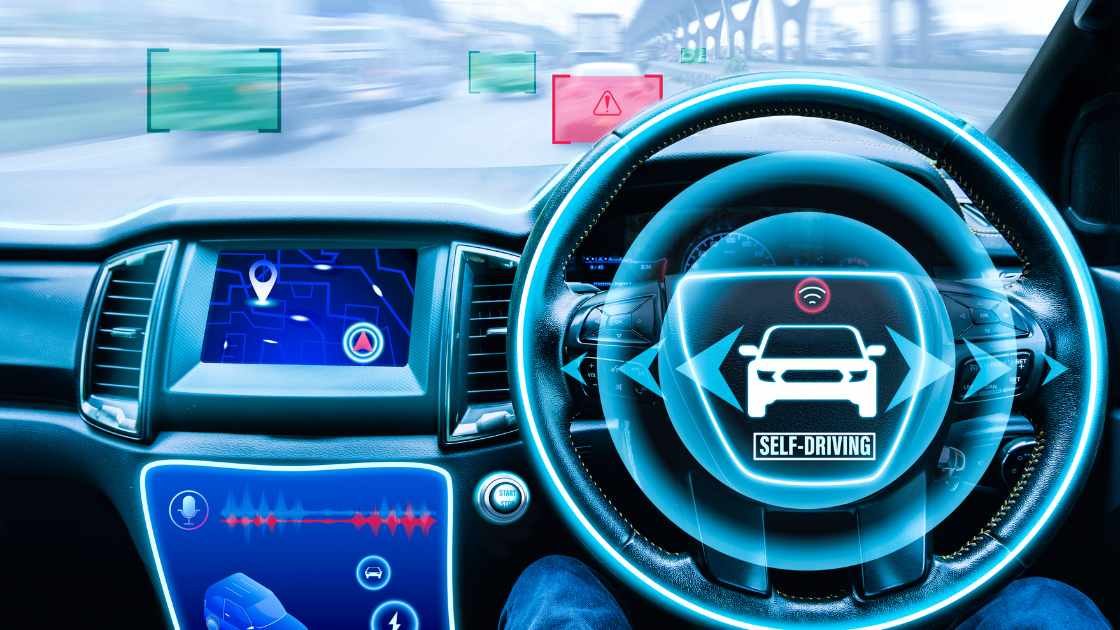
A usable side mirror supports safer lane changes and low-speed maneuvering. After replacement, confirm that the mirror holds its adjustment and that every equipped function works, including power adjustment, heat, folding, memory, turn signals, blind-spot indicators, and cameras.
Types Of Side Mirrors And Their Costs
The cost depends heavily on what is built into the mirror. A basic manual unit has little wiring, while a modern assembly may combine heating, power folding, memory, lighting, auto-dimming, blind-spot indicators, and cameras. If an impact also damaged a window, compare that repair separately in our guide to car window replacement cost.
Manual Side Mirrors
Manual side mirrors are usually the least complex because they do not need power-adjustment wiring or electronic modules. The part price can still vary by vehicle and whether you buy mirror glass, an aftermarket assembly, used OEM, or new OEM.
- Affordable pricing
- Material quality varies
- No wiring needed
| Manual-Mirror Option | Cost Position | Best Use |
|---|---|---|
| Glass only | Lowest | Use when the housing, mount, and adjuster are still sound. |
| Aftermarket assembly | Low to moderate | Budget replacement when fit and mirror shape match the original specification. |
| OEM assembly | Moderate to high | Best when exact fit, finish, and original construction are the priority. |
Powered And Heated Mirrors
Powered and heated mirrors add motors, wiring, connectors, and sometimes control-module communication. Compatibility matters: the replacement should match every original function, not just the housing shape.
- Electronically adjustable
- Built-in heating for defrosting
- Varying levels of compatibility
| Feature | Why It Can Raise Cost |
|---|---|
| Power adjustment | Adds motors, wiring, switches, and feature-specific connectors. |
| Heating | Requires compatible heated glass and electrical connections. |
| Power folding or memory | Adds mechanisms or modules that must match the vehicle’s original equipment. |
High-tech Features Impact On Price
High-tech mirrors can become expensive because several functions may be integrated into one assembly:
- Turn signal indicators
- Automatic dimming
- Blind-spot alerts
Do not price these features as simple add-ons. On many vehicles they are built into a complete assembly, so one damaged component can change the required part and labor scope. Around-view cameras can also require calibration after installation.
| Technology | Cost Effect | Quote Check |
|---|---|---|
| Turn signal or puddle lamp | Higher part complexity | Confirm lens, wiring, and connector are included. |
| Auto-dimming, heat, fold, or memory | Higher part and compatibility cost | Match every original feature by VIN/trim. |
| Camera or ADAS hardware | Can add hundreds to more than $1,000 | Ask whether programming or calibration is required and included. |
Factors Influencing Replacement Costs

The biggest cost drivers are repair scope, vehicle fitment, mirror features, part source, paint, labor, and calibration. Two quotes can look very different simply because one includes a bare unpainted assembly while the other includes painting, installation, programming, and a camera calibration.
Make And Model Variations
Your car’s make, model, year, trim, and option package can change the required mirror. RepairPal’s June 2026 estimator shows wide vehicle-to-vehicle differences, which is why a national average should be treated only as a planning figure.
Aftermarket Vs. Oem Parts
Choosing between aftermarket, used OEM, and new OEM parts can change the bill substantially. The safest comparison is feature-for-feature: mirror side, glass shape, connector, heat, fold, memory, lighting, blind-spot indicator, camera, and finish should all match what the vehicle requires. RepairPal specifically recommends matching all original mirror options when considering DIY replacement.
Labor Rates By Region
Labor varies by region and by how much trim must be removed. Some vehicles require interior door-panel removal; others give easier access to the mirror fasteners. Painting a cap, diagnosing damaged wiring, programming electronics, or calibrating a camera may be billed separately, so ask for an itemized estimate.
| Factor | Cost Influence |
|---|---|
| Make, model, year, and trim | Determines the exact housing, connector, electronics, and optional equipment. |
| Repair scope | Glass-only work costs far less than replacing a complete powered assembly. |
| Part source | Aftermarket, used OEM, and new OEM parts can have very different prices and feature availability. |
| Paint and finish | An unpainted cap may need color matching before installation. |
| Labor and region | Access time and local shop rates affect installation cost. |
| Programming or calibration | Camera-equipped or electronically integrated mirrors can require extra procedures after installation. |
What Should A Side Mirror Quote Include?
Ask the shop to separate the quote into line items so you can compare like with like:
- Part: glass only, cap, or complete assembly; aftermarket, used OEM, or new OEM.
- Features: power, heat, fold, memory, turn signal, auto-dimming, blind-spot indicator, and camera.
- Finish: whether the cap arrives painted or needs color matching.
- Labor: removal, door-trim work, wiring diagnosis, and installation.
- Electronics: programming, aiming, or ADAS/camera calibration if required by the vehicle procedure.
- Final checks: operation of every original feature before the vehicle leaves the shop.
This checklist prevents a low quote for a bare part from being compared with a higher quote that already includes paint, labor, and calibration.
Diy Versus Professional Replacement
A DIY replacement can make sense for simple glass or basic assemblies, but the difficulty is vehicle-specific. Door trim, one-time-use clips, airbags, wiring, cameras, and feature programming can turn a simple-looking job into a more involved repair.

This renter-friendly curtain rod bracket lets you hang curtains over outside-mounted vertical blinds without drilling, screws, or wall damage. It clips directly onto rectangular headrails for a fast, secure installation and fits curtain rods up to 1 inch in diameter. Ideal for apartments, condos, sliding glass doors, and rental homes, it offers a clean, damage-free way to add privacy and style in minutes.

Meguiar’s Ultimate Compound is designed to remove stubborn stains, bird dropping marks, oxidation, light scratches, and swirl marks from automotive paint. Its advanced abrasive technology helps restore a smoother, clearer finish without scouring clear coats, making it a reliable choice for paint correction before waxing. Use it by hand or with a dual action polisher to prepare your vehicle for a brilliant final shine.

OGX Extra Strength Damage Remedy + Coconut Miracle Hair Oil helps hydrate dry, coarse hair while smoothing frizz and flyaways for a silky finish. This nourishing leave-in treatment blends coconut oil, vanilla bean extract, and tiare essence to add softness, shine, and a pleasant scent. It is paraben-free and designed to support a restorative hair care routine for medium to coarse hair types.
Potential Savings Of Diy

DIY can save the installation charge when the correct part and procedure are straightforward. Consider these points:
- Part Costs: You pay only for the mirror, not labor.
- Shop Rates: Avoid high hourly rates at repair shops.
- Fitment Control: You can verify the connector and feature list before disassembly.
Use vehicle-specific factory or professional repair information before removing trim. CarParts.com’s 2026 technician-reviewed guide notes that some vehicles require door-panel removal and that some mirrors or switches may need programming after replacement.
When To Choose A Professional
Certain situations demand a professional’s skill set:
- Camera-equipped mirrors: The vehicle procedure may require calibration or programming after replacement.
- Door or wiring damage: Torn wiring, broken mounts, or damaged trim can add diagnostic work.
- Airbags or difficult trim: Some door panels contain sensitive wiring or airbag components.
Choose professional service when the repair involves cameras, damaged wiring, uncertain fitment, difficult door trim, or a procedure you cannot verify. A correct installation should restore every function the original mirror had.
Preventive Measures And Maintenance
Routine checks will not prevent every parking-lot impact, but they can catch loose mounts, cracked glass, failed folding mechanisms, and visibility problems before they become worse.
Protecting Mirrors From Damage
To keep the mirrors safe, consider these tips:
- Use a car cover when parked for long periods.
- Opt for secure parking to avoid accidental hits or vandalism.
- Install mirror guards for extra protection.
- Teach children about the importance of not playing near vehicles.
Regular Check-ups And Adjustments
Staying on top of the side mirror condition is essential. Do these regularly:
- Inspect mirrors for cracks or loose fittings.
- Ensure that the adjustment mechanism is functioning properly.
- Clean the mirrors often to maintain visibility.
- After an impact, check that the mirror holds its position and all electrical features still work.
Following these preventive measures minimizes the risk of mirror damage.
Insurance Coverage And Side Mirror Replacement
Insurance coverage depends on what caused the mirror damage and which coverages are on your policy. A broken mirror from vandalism or another non-collision event may fall under comprehensive coverage, while damage from hitting another vehicle or object may fall under collision coverage. Your deductible and policy terms still apply.
What Your Policy May Cover
Match the cause of loss to the coverage. Progressive explains that comprehensive generally covers non-collision events such as theft and vandalism, while collision covers damage to your vehicle from a collision with another vehicle or object.
- Comprehensive coverage: may apply to covered non-collision causes such as vandalism or theft, minus the deductible.
- Collision coverage: may apply when the mirror is damaged in a collision with another vehicle or object, subject to the policy and deductible.
- Liability coverage: generally pays for injury or property damage you cause to others; it is not the coverage used to repair your own mirror.
- Wear, age, or mechanical failure: standard auto insurance generally does not function as a maintenance warranty.
For a general coverage comparison, see Progressive’s comprehensive vs. collision guide. Your own policy controls.
How To Handle An Insurance Claim For Mirror Damage
Before filing, compare the repair estimate with your deductible and review how the loss is classified under your policy.
- Document the damage with clear photos and notes.
- Reach out to your insurance provider to report the incident.
- Review your policy with an agent to understand coverage and deductibles.
- Complete any required paperwork and provide necessary documentation.
- Follow your insurer’s repair process if the claim is covered, and confirm whether paint or calibration is included in the estimate.
Frequently Asked Questions Of How Much Does It Cost To Replace Car Side Mirror
What’s The Average Cost For Side Mirror Replacement?
A simple side-mirror repair or replacement may cost about $150 to $500, but that range does not describe every full assembly. RepairPal’s June 2026 national estimate for complete door-mirror replacement is $951 to $984, and individual vehicles can be much higher. AAA reports about $740 to $1,600 for a side-mirror sensor/camera package used with around-view systems.
Can I Replace A Car Side Mirror Myself?
Yes, many simple mirrors can be replaced by an experienced DIYer with the correct tools and vehicle-specific procedure. A full assembly may require trim removal and electrical connections, and some vehicles need programming or calibration after replacement. If the mirror contains a camera or you cannot confirm the procedure, professional service is safer.
Does Insurance Cover Car Side Mirror Replacement?
It can be. Comprehensive coverage may apply to covered non-collision damage such as vandalism or theft, while collision coverage may apply after hitting another vehicle or object. Your deductible and policy terms determine whether filing a claim makes financial sense. Liability coverage generally does not pay to repair your own mirror.
How Long Does Side Mirror Replacement Take?
A straightforward mirror assembly can sometimes be replaced in roughly an hour, but there is no universal labor time. Door-panel removal, broken wiring, paint work, programming, or ADAS calibration can make the overall repair take longer. Ask the shop whether its quoted time includes paint and calibration.
How much is a side car mirror replacement?
Part-only cost can range from inexpensive glass or basic aftermarket pieces to well over $1,000 for feature-rich OEM assemblies. CarParts.com’s 2026 guide notes standard side mirrors can start very low while high-tech power mirrors can exceed $1,350. Always compare the exact feature list, not just the mirror’s shape.
How much does it cost to fit a side mirror?
Installation cost depends on access, local labor, paint, wiring work, and whether programming or calibration is required. RepairPal’s June 2026 national full-replacement estimate is $951 to $984, with labor estimated at $71 to $104 and the remaining amount primarily parts; painting and calibration may be additional on some vehicles.
Conclusion
Car side mirror replacement cost depends first on what is actually broken. Glass-only repairs can be inexpensive, while a complete powered, painted, camera-equipped assembly can reach $1,000 or more. The most useful next step is to identify every feature on the original mirror and get an itemized quote for the part, paint, labor, programming, and calibration.
Compare at least two repair estimates when practical, and use your VIN or exact trim information to avoid ordering a mirror that looks right but lacks an original function.

This long barrel curling iron is designed to create soft curls and waves while helping hair stay smooth, hydrated, and shiny. Its moisture-focused heat technology and NanoIonic MX help lock in moisture, seal the cuticle, and support long-lasting styles with less frizz. The extended barrel and adjustable heat settings make it easy to style long hair or hard-to-reach sections with comfort and control.

NIMBUS Extra Soft Toothbrushes feature tapered, microfine bristles designed to gently clean sensitive teeth and receding gums while helping remove plaque effectively. The regular-size head makes them a practical everyday choice for adults, and the durable bristles help the brush maintain its shape longer than standard toothbrushes. This five-pack is ideal for home use or travel, with colors that may vary.

The Danco Lift and Turn Bathtub Drain Stopper provides an easy replacement for worn or non-functioning tub stoppers while helping keep debris out of your drain. Its lift-and-turn design makes filling and draining the tub simple, and the reversible thread sizes support flexible installation without removing the drain. The chrome finish adds a clean, updated look to your bathtub trim, while the durable metal and plastic construction is built for everyday use.

7 thoughts on “How Much Does It Cost to Replace Car Side Mirror?”
Pingback: How Much Does It Cost To Fix Hail Damage?
Pingback: How Much Does It Cost To Fix A Garage Door?
Pingback: How Much Does It Cost To Replace A Head Gasket : Expert Tips
Pingback: How Much Does It Cost To Fix A Bumper? A Expert Guideline
Pingback: How Much Does It Cost To Fix Scratches On Car?
Pingback: How Much Does It Cost To Open A Bakery?
Pingback: How Much Does It Cost To Replace A Furnace?