
Non-residents age 16 or older normally need an Illinois sport fishing license before fishing in the state. For 2026, Illinois offers annual, three-day, and 24-hour non-resident licenses. The correct choice depends on the length of your trip and whether you plan to fish for inland trout or Lake Michigan salmon and trout.
Quick Answer
A 2026 Illinois non-resident fishing license costs $31.50 annually, $15.50 for three consecutive days, or $10.50 for 24 hours. Anglers under 16 generally do not need a license. A separate $6.50 stamp is required when licensed anglers fish for inland trout or Lake Michigan salmon and trout.
Key Takeaways
- Non-residents age 16 and older normally need an individual Illinois sport fishing license.
- The 2026 prices are $31.50 annually, $15.50 for three days, and $10.50 for 24 hours.
- Illinois does not list a non-resident family fishing license; each non-exempt angler needs an individual license.
- Licensed anglers need a $6.50 inland trout stamp or Lake Michigan salmon stamp when targeting the applicable fish.
- A valid fishing license does not replace site-specific season, size, harvest, or fishing-method rules.
Who Needs an Illinois Non-Resident Fishing License?
Under the Illinois Fish and Aquatic Life Code, a person must normally obtain the appropriate license before taking or attempting to take fish or other protected aquatic life in Illinois waters.
A non-resident who is 16 or older generally needs a non-resident sport fishing license. This applies even when the angler plans to practice catch and release, because the legal definition of fishing includes attempting to take fish.
In Illinois, non-resident anglers age 16 and older normally need a sport fishing license before they begin fishing—not only after they catch a fish.
Non-resident children under 16 may fish without a license. They must still follow all seasons, daily harvest limits, length limits, equipment restrictions, and site-specific rules.
Warning: Do not rely on the incorrect “17 or younger” rule sometimes repeated online. Illinois generally requires a license beginning at age 16.
Illinois Non-Resident Fishing License Costs for 2026
The Illinois Department of Natural Resources license list shows three non-resident sport fishing options for 2026. Prices include the listed agent fee, although an additional transaction charge may apply during some purchases.
2026 Fees at a Glance
| Annual Non-Resident Sport Fishing License | $31.50 |
| Three-Day Non-Resident Sport Fishing License | $15.50 |
| 24-Hour Non-Resident Sport Fishing License | $10.50 |
| Electronic Inland Trout Stamp | $6.50 |
| Electronic Lake Michigan Salmon Stamp | $6.50 |
Products Worth Considering

Decorative Item Only: This product is a vintage-style decorative license plate, crafted as a replica/artifact. It is NOT a real license plate and cannot be used as such. Please comply with all applicable laws—it must NOT be mounted on any vehicle to replace, cover, or imitate an official license plate. Use only for indoor or outdoor decoration where legally permitted.

Team colored license plate measures 6-inches by 11.5-inches

Magnet measures 3.50 inches wide by 1.75 tall
License Types Overview
The annual license usually offers the best value for anglers who expect to fish on several trips. A license purchased on or after March 1, 2026, expires on March 31, 2027.
The three-day license is designed for a short visit covering three consecutive fishing days. It costs only $5 more than the 24-hour license, making it a better value for most weekend trips.
The 24-hour license becomes valid at the date and time shown on the license and expires 24 hours later. It is best for a single outing rather than a multi-day vacation.
Cost Breakdown and Best Value
A visitor fishing for one day can save money with the $10.50 license. For a two- or three-day trip, the $15.50 license normally makes more sense. The annual license becomes increasingly cost-effective when a non-resident expects to make several visits during the license year.
Illinois does not list a $70 non-resident family fishing license in its current fee schedule. Each family member age 16 or older who is not otherwise exempt should obtain an individual license.
Pro Tip: For a weekend trip, compare the fishing hours carefully. A three-day license costs only $5 more than a 24-hour license and avoids having your license expire midway through the trip.
First-Time Non-Resident License Provision
Illinois law contains a one-time reduced annual license provision for a non-resident who is at least 26 years old and has not purchased an Illinois non-resident fishing license during the previous 10 years. The statutory fee is $10 before applicable issuance charges.
Note: The reduced non-resident product is authorized by 515 ILCS 5/20-56, but it is not separately displayed in IDNR’s 2026 public non-resident fee list. Contact IDNR at 217-782-6302 before relying on this option.
How to Choose the Right Non-Resident License
Choose your license according to the total period during which you may fish, not merely the number of hours you expect to hold a fishing rod.
- Choose the 24-hour license for one clearly defined outing.
- Choose the three-day license for a weekend or other short trip lasting up to three consecutive days.
- Choose the annual license when you expect to fish on several visits before March 31 of the following year.
Non-residents are not eligible for Illinois resident lifetime fishing licenses or resident sportsmen’s combination hunting and fishing licenses.
A standard sport fishing license covers ordinary recreational fishing privileges, subject to statewide and site-specific regulations. It does not eliminate the need for a salmon or inland trout stamp when one applies.
Products Worth Considering
LPG Apparel Co. Big Game Sport Fishing Vanity Front License Plate Tag | Made in the USA. Our plates feature famous marine artists sublimated on premium metal plates! to last...
Purchasing an Illinois Non-Resident Fishing License
You can purchase a license online or through an authorized Illinois license vendor. Buying directly through the official system reduces the risk of selecting an outdated license year or paying an unofficial third party.
Products Worth Considering


This Largemouth Bass fishing license plate features a black background with silver design elements. Choose with our without the American flag faded into the background!

Durability & Weather Resistance: Crafted from aluminum, our UEQIKI vanity plates for front of car are lightweight and colorful, ensuring long-lasting durability in any weather conditions. The sturdy construction and durable materials provide reliable protection while maintaining a sleek appearance, making this front license plate designs a practical choice for daily use
License Purchase Options
- Open the official IDNR License Sales, Vendors and Information page.
- Select the online license-sales system or open the authorized-vendor list.
- Enter the requested personal and residency information.
- Select the annual, three-day, or 24-hour non-resident sport fishing license.
- Add an inland trout or Lake Michigan salmon stamp when your planned fishing requires one.
- Review the effective dates and license year before paying.
- Save or print the completed license and keep it available while fishing.
Authorized vendors may include sporting-goods stores, bait shops, and other participating businesses. Vendor participation can change, so use the current official vendor list rather than assuming a particular retailer sells licenses.
Eligibility and Documentation Required
IDNR states that a valid Social Security number is required for a license purchase. Illinois law also requires definite proof of identity and legal residence before a fishing license is issued.
Be prepared to provide:
- Your legal name and date of birth
- Your permanent address and state of residence
- Your Social Security number
- Proof of identity and residency when requested
- Qualifying disability, veteran, or military documentation when claiming an exemption
Warning: Check the effective date before completing the purchase. IDNR warned that licenses bought before March 1, 2026 were still 2025 licenses and would expire March 31, 2026 without a refund.
License Validity, Renewal, and Replacement
Illinois begins selling licenses for the new license year on March 1. An annual license purchased on or after March 1, 2026, expires March 31, 2027.
A 24-hour license expires 24 hours after the effective date and time printed on it. A three-day license covers the selected period of three consecutive fishing days.
Non-residents cannot purchase a lifetime Illinois fishing license. An angler who wants to keep fishing after an annual license expires must obtain a license for the next license year.
An online license can generally be reprinted without charge through the official sales system. A replacement issued by a vendor may involve a replacement fee and an additional transaction charge.
Pro Tip: Save a digital copy where it remains available without cell service, and carry a printed copy when fishing in remote areas.
Exemptions From Illinois Fishing License Requirements
Several narrow exemptions exist, but they should not be treated as general permission for every visitor to fish without a license.
Anglers Under 16
Residents and non-residents under 16 may fish without a sport fishing license. License-exempt anglers under 16 are also not required to purchase the inland trout or Lake Michigan salmon stamp.
Qualifying Disabled Veterans
A resident or non-resident veteran may fish without a license when the U.S. Department of Veterans Affairs certifies that the veteran has at least a 10% service-connected disability or receives a total disability pension. The disability must not prevent the veteran from fishing safely.
The veteran should carry acceptable proof of eligibility. An ordinary disability that does not meet the disabled-veteran rule does not automatically exempt a non-resident from buying a license.
Licensed Daily-Fee Fishing Areas
An angler fishing at a daily-fee fishing area licensed by IDNR does not need an Illinois sport fishing license or inland trout stamp for that licensed facility. This exemption does not automatically cover private club lakes, organizational lakes, or every pay-to-fish property.
Landowners and Tenants Who Reside on the Property
Owners or bona fide tenants who actually reside on the land may fish qualifying waters on or flowing over that property without a license. The exemption also covers specified close relatives who permanently reside with them.
Simply owning Illinois property while living elsewhere does not create the same broad exemption. The rule also does not apply to club lakes, organizational lakes, or lake developments.
Illinois Residents on Active-Duty Leave
A service member may fish without a license while on ordinary or emergency leave when the person is an Illinois resident, entered the Armed Forces from Illinois, and met the statutory residency conditions. This is not a blanket exemption for every non-resident member of the Armed Forces.
Illinois Free Fishing Days
IDNR may designate up to four Free Fishing Days each year. During those dates, anyone may fish qualifying Illinois waters without a sport fishing license, inland trout stamp, or Lake Michigan salmon stamp.
The 2026 Free Fishing Days were June 19 through June 22. Those dates have passed, so anglers fishing later in 2026 need the normal license and stamps unless another exemption applies.
Identification and Proof Requirements
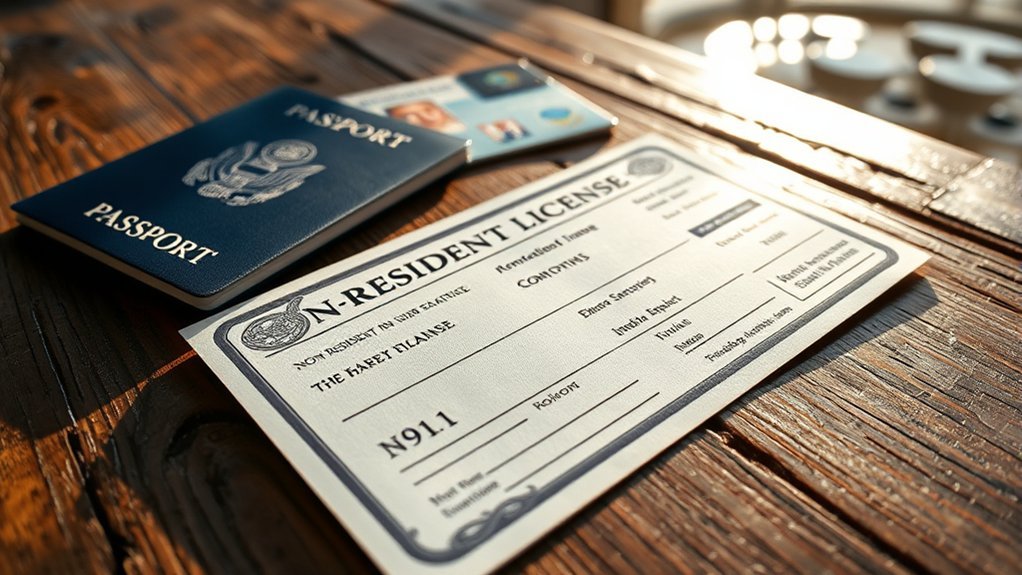
Anglers should keep their Illinois sport fishing license in their possession whenever they fish. A conservation police officer may inspect licenses, fishing equipment, and a person’s catch when enforcing state regulations.
Proof of identity and legal residence may be required during the purchase process. Carrying a government-issued photo ID is also a practical way to resolve questions about the name, age, or residency information shown in the license system.
An angler relying on a special exemption should carry the documentation that proves eligibility. Examples include qualifying disabled-veteran documentation or military identification and leave documentation for an eligible Illinois service member.
A non-resident child under 16 does not need a fishing license, but the child remains subject to the same applicable seasons, size limits, harvest limits, and fishing-method rules.
Additional Regulations for Non-Resident Anglers
Residents and non-residents generally follow the same fishing seasons, daily harvest limits, possession limits, length limits, and legal-method requirements. A license permits fishing; it does not guarantee that every species, location, or fishing method is open.
Inland Trout Stamp
A licensed angler who takes or attempts to take trout from Illinois waters other than Lake Michigan must have an inland trout stamp. The 2026 electronic stamp costs $6.50.
Lake Michigan Salmon Stamp
A licensed angler who takes or attempts to take salmon or trout in Lake Michigan must have a Lake Michigan salmon stamp. The 2026 electronic stamp also costs $6.50.
Note: A 24-hour or three-day fishing license does not remove the stamp requirement. License-exempt anglers, including children under 16 and qualifying disabled veterans, are not required to obtain these stamps.
Boundary-River Reciprocity
Illinois has reciprocal fishing arrangements covering portions of boundary waters shared with neighboring states. A valid license from a bordering state may be recognized on specified boundary rivers, including parts of the Mississippi, Ohio, and Wabash rivers.
The agreements do not create unlimited permission to fish every tributary, backwater, embayment, or bank in the neighboring state. Rules differ by waterbody, and anglers may need to follow the more restrictive regulation.
Site-Specific Fishing Rules
Many Illinois lakes, rivers, parks, and wildlife areas have regulations that differ from the statewide limits. Before fishing, check the current 2026 Illinois Fishing Regulations and any signs posted at the site.
Warning: Fishing without the required license or stamp can result in enforcement action. Violations involving illegal fish, prohibited methods, or excess harvest may also carry separate penalties.
Frequently Asked Questions
Can a non-resident fish in Illinois without a license?
Usually not if the angler is age 16 or older. Exceptions include qualifying disabled veterans, anglers at licensed daily-fee fishing areas, eligible people fishing during Free Fishing Days, and certain anglers covered by boundary-water agreements.
At what age does a non-resident need an Illinois fishing license?
A non-resident normally needs a license beginning at age 16. Children under 16 may fish without a license but must follow all other applicable fishing regulations.
How long does an Illinois non-resident fishing license last?
The 24-hour license expires 24 hours after its printed effective time. The three-day license covers three consecutive fishing days. An annual license purchased on or after March 1, 2026, expires March 31, 2027.
Can I get a refund for an Illinois fishing license?
Do not assume that a license purchase is refundable. IDNR specifically warned that no refund would be issued when a buyer accidentally purchased the previous license year before the March 1 transition. Review the license year and effective dates carefully before paying.
Do I need a special permit or stamp for a particular fish species?
Licensed anglers need a $6.50 inland trout stamp to fish for trout outside Lake Michigan and a $6.50 Lake Michigan salmon stamp to fish for salmon or trout in Lake Michigan. Other species may have special seasons, methods, or harvest limits even when no extra stamp is required.
Can I use another state’s fishing license on an Illinois boundary river?
Sometimes. Illinois recognizes certain neighboring-state licenses on specified portions of boundary rivers under reciprocal agreements. The recognition may not extend to tributaries, embayments, backwaters, or fishing from land, so check the rules for the exact waterbody.
Conclusion
Most Illinois visitors age 16 or older need an individual non-resident sport fishing license. The 2026 choices are $10.50 for 24 hours, $15.50 for three days, and $31.50 annually. Before fishing, confirm whether you also need an inland trout or Lake Michigan salmon stamp, keep your license available, and review the regulations for your exact waterbody.
Sources
- Illinois Department of Natural Resources — Fishing Licenses — current license and stamp prices.
- 2026 Illinois Fishing Regulations — license validity, exemptions, purchasing, stamps, and boundary-water rules.
- IDNR License Sales, Vendors and Information — official online sales, vendor information, and purchase requirements.
- Illinois Fish and Aquatic Life Code, Section 20-5 — general licensing requirements and statutory exemptions.
- Illinois Fish and Aquatic Life Code, Article 20 — non-resident licenses, fees, stamps, landowner rules, and military provisions.
- IDNR Disabled Outdoor Opportunities Policies — disabled-veteran fishing exemptions and proof requirements.
