As of September 7, 2026, a Virginia resident annual freshwater fishing license costs $23.00, while a nonresident annual freshwater license costs $47.00 and a nonresident 1-day freshwater license costs $8.00. Annual individual saltwater licenses cost $17.50 for residents and $25.00 for nonresidents. Freshwater licensing generally starts at age 16 unless an exemption applies; Virginia’s saltwater rules separately exempt people under 16 and people who have attained age 65. Anglers can purchase credentials through Go Outdoors Virginia or through other authorized DWR channels.
Last updated: September 7, 2026. Important: DWR approved fishing-license fee changes effective October 1, 2026. The current DWR prices below were verified before that effective date. If you buy on or after October 1, confirm the live price at checkout before paying.
2026 fee-change notice: The Virginia Board of Wildlife Resources approved increases to many hunting and fishing license fees beginning October 1, 2026. See the official DWR fee-change announcement. Saltwater recreational licensing has a separate VMRC fee schedule.
Virginia Fishing License Fee Overview (2026)
The table below summarizes commonly used recreational fishing licenses. DWR’s published consumer prices include the applicable issuance fee. Prices shown here were verified September 7, 2026; DWR-controlled fees may change beginning October 1, 2026.
| License Category | Water Type | Duration | Resident Fee | Nonresident Fee |
|---|---|---|---|---|
| Standard Adult Freshwater | Inland / Freshwater | 1 Year | $23.00 | $47.00 |
| Multi-Year Freshwater | Inland / Freshwater | 2 / 3 / 4 Years | $44 / $65 / $86 | N/A |
| Short-Term Freshwater | Inland / Freshwater | Resident 5 Days / Nonresident 1 or 5 Days | $14.00 | $8.00 / $21.00 |
| County/City Resident Freshwater | Inland / Freshwater | 1 Year | $16.00 | N/A |
| Senior Resident Freshwater (65+) | Inland / Freshwater | Annual | $9.00 | N/A |
| Combined Freshwater / Saltwater | Inland + Tidal | 1 Year | $39.50 | $71.00 |
| Saltwater / Tidal License | Saltwater / Coastal | 1 Year | $17.50 | $25.00 |
| Temporary Saltwater License | Saltwater / Coastal | 10 Days | $10.00 | $10.00 |
| Designated Trout Water Add-on | Stocked Trout Waters | Annual (Oct 1–June 15) | $23.00 | $23.00 |
| Recreational Boat Saltwater License | Saltwater / Tidal | 1 Year | $48.00 | $76.00 |
| Sportsman’s License | Hunting & Freshwater | 1 Year | $100.00 | N/A |
Saltwater boat note: Under the current VMRC fee schedule, the nonresident recreational boat saltwater license costs $76.00, but a nonresident may purchase it only when the boat is registered in Virginia. See 4VAC20-1090-30.
Quick Answer: Key Virginia Fishing Rules
- Freshwater Age Rule: Inland fishing licenses generally become required at age 16 unless a statutory exemption applies.
- Saltwater Age Rule: Virginia saltwater law exempts people under 16 and people who have attained age 65 from the individual saltwater recreational license requirement.
- Jurisdictional Split: Inland fishing licensing is administered through the Virginia Department of Wildlife Resources (DWR), while recreational saltwater licensing falls under the Virginia Marine Resources Commission (VMRC).
- Short-Term Visitor Passes: Before the October 1, 2026 DWR fee changes, nonresidents can buy a 1-day freshwater license for $8.00 or a 5-day license for $21.00. The 1-day license is not valid in designated stocked trout waters.
- Exemptions: Exempt categories include people under 16, legally blind persons, qualifying landowners and family members, certain private-pond guests and tenants, and qualifying active-duty Virginia residents on official leave.
- Digital Credentials: DWR permits required licenses to be carried electronically; the official app is one way to carry an electronic credential.
Fast Decision Path
- Virginia resident fishing ordinary freshwater: Start with the annual, multi-year, 5-day, county/city, or qualifying senior freshwater option.
- Visitor fishing freshwater for one day: The nonresident 1-day freshwater license is the short-trip option, but it cannot be used in designated stocked trout waters.
- Fishing designated stocked trout water from October 1 through June 15: Check whether the separate trout license is required in addition to your base freshwater credential.
- Fishing both freshwater and saltwater: Compare the combined sportfishing license against buying separate credentials.
- Fishing only tidal/coastal water: Check VMRC’s individual or boat-license rules, including saltwater exemptions, before buying a freshwater product you do not need.
Who Needs a Fishing License in Virginia?
For Virginia inland waters, anglers generally need the appropriate fishing license beginning at age 16 unless an exemption in state law applies. Saltwater licensing is separate: Virginia law exempts people under 16 and people age 65 or older from the individual recreational saltwater license requirement, along with several other categories.
Because the two systems differ, first identify whether you are fishing inland freshwater or Virginia tidal/coastal water. DWR administers inland fishing credentials, while VMRC administers recreational saltwater licensing.
For inland fishing, Virginia law exempts resident or nonresident landowners, their spouses, specified children and grandchildren and their spouses, and the landowner’s parents when fishing within qualifying boundaries of their own lands and inland waters. Bona fide tenants, renters, or lessees fishing where they reside may qualify with the landlord’s written consent on their person. A guest of the owner of a private fish pond is also exempt for that pond. See Virginia Code § 29.1-301.
A member of the U.S. armed forces on active duty who is a Virginia resident may also fish without the standard inland license while on official leave, but the trout requirement still applies when required and the person must present leave papers on request.
How Do Residency Qualifications and Exemptions Work?
For a Virginia state resident license, a person generally must have been a domiciliary resident of Virginia for at least two months immediately before applying and execute the required certificate of residence. The six-month rule applies to the separate county/city resident-license category rather than the statewide resident license. See Virginia Code § 29.1-319.
Residency Eligibility Criteria
Virginia law separates several residency routes, so do not assume every resident product uses the same test:
- State Resident License: Generally requires at least two months as a domiciliary resident of Virginia before application and execution of the prescribed residency certificate.
- County/City Resident License: Uses separate local eligibility rules, including a six-month bona fide local-residency standard for qualifying applicants.
- Military: Active-duty military personnel stationed in Virginia under official orders and qualifying family members may be eligible for resident licensing treatment under DWR rules.
- Students: Virginia law contains a specific route for qualifying students regularly enrolled and boarding at a Virginia school to obtain a county/city license in the locality of the school; enrollment alone should not be treated as a blanket statewide-residency rule.
Summary of Exempt Angler Categories
Before purchasing, check whether a statutory freshwater or saltwater exemption applies to you:
- Youth Anglers: Residents and nonresidents under 16 do not need an individual Virginia recreational fishing license.
- Private Landowners & Families: Virginia’s inland exemption covers qualifying landowners and specified family members fishing within the statutory property boundaries.
- Private-Pond Guests and Qualifying Tenants: A guest of the owner of a private fish pond is exempt at that pond. Bona fide tenants, renters, or lessees fishing where they reside may qualify when carrying the landlord’s written consent.
- Legally Blind Anglers: Virginia law exempts legally blind persons from the inland fishing-license requirement.
- Saltwater Anglers Age 65+: A person who has attained age 65 is exempt from the individual saltwater recreational fishing license requirement.
- 2026 Free Fishing Days: Virginia’s Free Fishing Days were June 5–7, 2026. No recreational rod-and-reel fishing license was required in freshwater or saltwater, and DWR removed the stocked-trout-water restriction for those dates. DWR fee-fishing areas still required their separate fee. See the official 2026 DWR announcement.
What Are Resident Fishing License Types and Fees?

Before the DWR fee changes effective October 1, 2026, commonly used resident consumer prices include:
- Freshwater Annual (1-Year): $23.00
- Freshwater Multi-Year (2 / 3 / 4 Years): $44.00 / $65.00 / $86.00
- County/City Resident Freshwater: $16.00 (limited to the qualifying county or city).
- Resident 5-Day Freshwater: $14.00
- Senior Resident Freshwater Annual (Age 65+): $9.00
- Resident Fresh/Saltwater Annual: $39.50
- Saltwater / Tidal Annual (1-Year): $17.50
- Sportsman’s License (Annual): $100.00 (includes the listed hunting privileges, freshwater fishing, and trout privilege).
The $17.50 individual saltwater license is administered under Virginia’s saltwater licensing system. People age 65 or older are exempt from the individual saltwater recreational license requirement even though resident seniors generally still need the appropriate freshwater credential for inland fishing unless another exemption applies.
What Are Nonresident Fishing License Fees?
Before the DWR fee changes effective October 1, 2026, nonresident visitors can choose among annual and short-term products based on the water type and trip length:
- Nonresident Freshwater Annual: $47.00
- Nonresident 1-Day Freshwater: $8.00 (not valid in designated stocked trout waters).
- Nonresident 5-Day Freshwater: $21.00
- Nonresident Fresh/Saltwater Annual: $71.00
- Nonresident 5-Day Fresh/Saltwater: $31.00
- Nonresident Saltwater Annual: $25.00
- Nonresident 10-Day Saltwater: $10.00
- Nonresident Trout License Add-on: $23.00 (required in addition to the applicable base license when fishing designated stocked trout waters from October 1 through June 15).
Because the approved October 1 fee amendments make substantial changes to some nonresident DWR fees, anyone buying on or after that date should use the current Go Outdoors Virginia price rather than relying on a pre-October screenshot or saved fee table.
Which Special Permits and Access Fees Are Required?
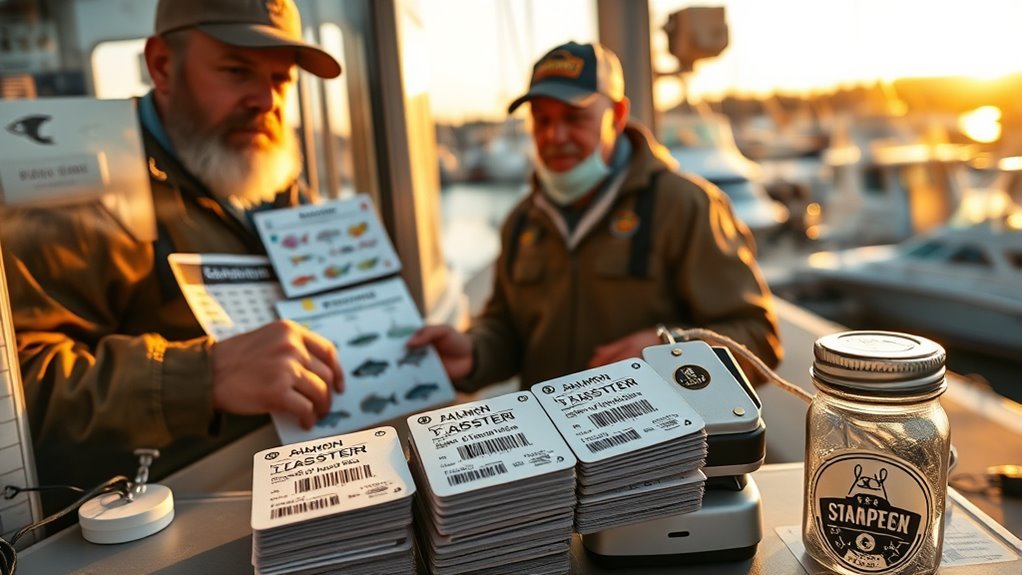
Some locations and fishing situations require a permit or license in addition to a standard credential. The following prices were verified before the October 1, 2026 DWR fee changes:
- Trout Add-on License: $23.00 for both residents and nonresidents when required for designated stocked trout waters from October 1 through June 15.
- Daily Fee Fishing Area Permit: $8.00 per day at DWR-listed fee areas including Clinch Mountain, Crooked Creek, and Douthat during the applicable fee period.
- National Forest Permit: $4.00 annually when required for fishing in designated national-forest areas. Statutory exemptions include qualifying resident youth, resident anglers over 65, and certain nonresident youth.
- Virginia State Forest Use Permit: $16.00 annually when required for recreation on designated State Forest property.
- Recreational Boat Saltwater License: $48.00 resident / $76.00 nonresident under the VMRC schedule. A nonresident may buy the recreational boat license only if the boat is registered in Virginia.
- DWR Access Permit: $4.00 per day or $23.00 annually under the pre-October schedule. A person with a qualifying valid hunting, freshwater fishing, or trapping license or a current DWR boat registration is among those exempt from the access-permit requirement; other statutory/regulatory exemptions also apply.
What Lifetime Fishing License Options Are Available?

Virginia offers several lifetime freshwater-license categories, but there is no standard $10 senior lifetime freshwater license in the current freshwater fee regulation. The current regulatory schedule also changes for several lifetime products on October 1, 2026.
Resident special lifetime freshwater regulatory fees before October 1, 2026:
- Through age 44: $265.00
- Age 45–50: $215.00
- Age 51–55: $165.00
- Age 56–60: $115.00
- Age 61–64: $65.00
- Age 65+: $25.00
- Resident Infant Lifetime License to Fish: $130.00
- Totally and Permanently Disabled Resident Special Lifetime Freshwater: $15.00
- Service-Connected Totally and Permanently Disabled Veteran Resident Lifetime Hunt/Freshwater License: No regulatory license fee.
The approved October 1 amendments increase most of the resident age-tiered special lifetime freshwater fees by $5 while leaving certain exempt or specially protected categories unchanged. Check the current Virginia fishing-license fee regulation and the Go Outdoors Virginia checkout before purchasing.
VMRC also maintains separate lifetime saltwater recreational license products, so a freshwater lifetime license should not be assumed to provide every saltwater privilege.
Where Do Virginia Reciprocal License Agreements Apply?
Virginia fishing licenses do not provide blanket permission to fish neighboring states. Reciprocity is water-specific, and the accepted credential can change by section of a border river or reservoir.
- Potomac River: Do not use a single blanket rule for the whole river. Licensing arrangements differ among the upper, middle, and lower Potomac, and waters in the District of Columbia have separate licensing requirements. Check the current DWR/PRFC/Maryland rules for the exact section you plan to fish.
- Kerr Reservoir (Buggs Island) & Lake Gaston: Virginia and North Carolina have reciprocal-license provisions for specified waters of these border impoundments. Anglers must still follow the regulations that apply to the water being fished.
- South Holston Reservoir: DWR lists a separate South Holston Reservoir Fishing License for Virginia residents. It allows fishing in both Tennessee and Virginia waters upstream of the dam, but a valid Virginia resident fishing license is also required.
Border-water rules are an area where the exact launch point, shoreline, tributary, or state boundary matters. Verify the current water-specific regulation before relying on reciprocity.
What Are the Penalties for Fishing Without a License?
Virginia uses different legal frameworks for inland and saltwater licensing, so there is not one penalty statement that accurately covers every Virginia fishing-license violation.
- Inland / Freshwater: Under Virginia Code § 29.1-335, fishing without a required inland license is a Class 3 misdemeanor. The statute also requires payment to the clerk of a fee equal to the cost of the required license.
- Class 3 Maximum Fine: Virginia’s general misdemeanor schedule allows a fine of up to $500 for a Class 3 misdemeanor.
- Saltwater: Under 4VAC20-60-30, fishing without a required saltwater license is a Class 1 misdemeanor.
Buying the required inland license after receiving an arrest or summons does not erase the penalties under § 29.1-335. This section is general information, not legal advice.
Where and How Can You Buy or Replace a License?

Virginia fishing credentials can be purchased or accessed through several official DWR channels:
- Online: Visit Go Outdoors Virginia or use the official Go Outdoors VA mobile app.
- Authorized License Agents and Participating Circuit Court Clerks: Many sporting-goods retailers, bait shops, and other agents sell licenses in person.
- DWR Headquarters: DWR’s headquarters can provide licensing services; regional DWR offices are not regular retail license locations.
- Telephone: Call DWR customer service at 804-367-1000 during its published business hours.
If you lose a printed credential, log in to your Go Outdoors Virginia customer account to access and reprint an available license. DWR also permits required licenses to be carried electronically.
Frequently Asked Questions
Can I Fish on Private Ponds Without a License in Virginia?
Virginia law exempts a guest of the owner of a private fish pond. Landowners and specified family members may also fish without a license on qualifying inland waters on their own land, while bona fide tenants, renters, or lessees fishing where they reside must carry the landlord’s written consent. If the pond does not fit a statutory exemption, normal license requirements apply.
Do Children Need a Fishing License While on a Parent’s Boat in Virginia?
No individual freshwater or saltwater recreational fishing license is required for a person under 16 in Virginia, although other fishing regulations still apply.
Do Seniors Need a Virginia Fishing License?
Virginia residents age 65 and older generally use the senior freshwater license for inland fishing unless another exemption applies. For saltwater recreational fishing, a person who has attained age 65 is exempt from the individual saltwater license requirement. Other registration or fishing rules may still apply.
What Is the Penalty for Fishing Without a License in Virginia?
For inland fishing, Virginia Code § 29.1-335 makes fishing without a required license a Class 3 misdemeanor and requires payment of a fee equal to the cost of the required license. Saltwater licensing is governed separately; Virginia regulation 4VAC20-60-30 states that fishing without the required saltwater license is a Class 1 misdemeanor.
Does a Virginia Fishing License Cover Fishing in Neighboring States?
Not statewide. Virginia has water-specific reciprocal arrangements for certain border waters, including portions of the Potomac River and the Kerr Reservoir/Lake Gaston system. The exact license recognized can change by water section and jurisdiction, so anglers should check the current border-water rules before crossing a state line.
How Long Is a Virginia Fishing License Valid?
Resident and nonresident annual fishing licenses are generally valid for one year from the date of purchase unless the specific license states a different duration. Short-term licenses are valid only for their stated number of consecutive days.
Are Virginia Fishing License Fees Changing in 2026?
Yes. The Virginia Department of Wildlife Resources approved fishing-license fee changes effective October 1, 2026. Prices in this guide marked as current were verified on September 7, 2026; anyone purchasing on or after October 1 should confirm the live DWR or Go Outdoors Virginia checkout price.
Summary & Key Takeaways
For Virginia inland freshwater, licensing generally starts at age 16 unless a specific exemption applies. Saltwater rules are separate and include an individual-license exemption for people under 16 and people who have attained age 65. Before fishing, identify the water type, check whether trout, forest, access, boat, or border-water rules add another requirement, and carry your required credential electronically or in print. Current DWR fees in this guide were verified September 7, 2026, but approved DWR fee changes take effect October 1, so buyers on or after that date should confirm the live price through Go Outdoors Virginia.