What’s in This Article
- Who Needs a Fishing License in Arizona
- Types of Fishing Licenses and Eligibility
- Current License Fees for Residents and Non-Residents
- Where and How to Buy Your License
- Exemptions, Free Fishing Days, and Special Programs
- Lifetime, Complimentary, and Youth License Options
- Frequently Asked Questions
- Conclusion
- References
You can expect to pay $37 for an annual resident fishing license in Arizona and $55 if you’re a non-resident. Most anglers age 10 and older need a license to fish public waters, and the license also covers taking aquatic wildlife such as frogs, crayfish, waterdogs, and softshell turtles. Arizona also offers combination hunt-and-fish licenses, youth licenses, lifetime licenses, short-term passes, and complimentary options for some eligible residents. Keep your license with you while fishing, and check Arizona Game and Fish Department rules before each trip.
Quick Answer
Arizona’s annual fishing license costs $37 for residents and $55 for non-residents. You need one if you’re age 10 or older and fish public waters. Short-term, youth, combination, lifetime, and complimentary license options can lower the cost for some anglers.
Key Takeaways
- Arizona requires most anglers age 10 and older to carry a valid fishing license on public waters.
- An annual fishing license costs $37 for residents and $55 for non-residents.
- A youth combination hunt-and-fish license costs $5 for anglers ages 10 through 17.
- Some residents may qualify for lifetime or complimentary licenses based on age, residency, or disability status.
- Free fishing days may remove the license requirement, but bag limits and fishing rules still apply.
Who Needs a Fishing License in Arizona
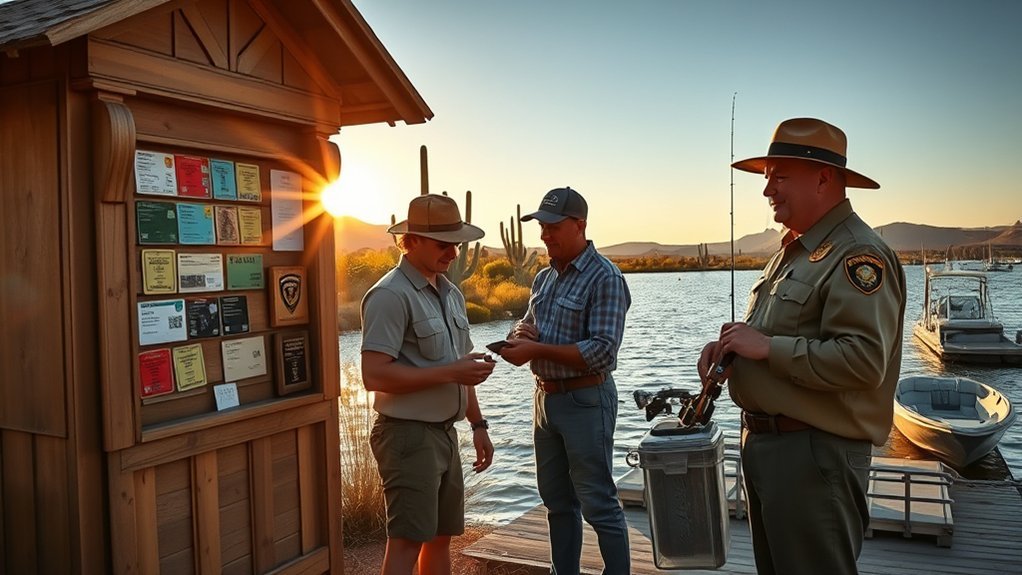
You need a fishing license in Arizona if you’re age 10 or older and fish public waters. Arizona applies this rule to residents and non-residents.
Children under 10 don’t need a license. Blind Arizona residents also qualify for an exemption. Some active-duty service members may qualify for resident license rates when they meet Arizona’s residency rules.
Arizona fishing licenses cover more than fish. They also cover taking frogs, waterdogs, crayfish, and softshell turtles from public waters.
Licenses are non-transferable and non-refundable. Carry your license while fishing and follow all bag limits, seasons, and area rules.
Check your status before you buy a license. Your age, residency, military status, and fishing location can change which license you need.
Types of Fishing Licenses and Eligibility
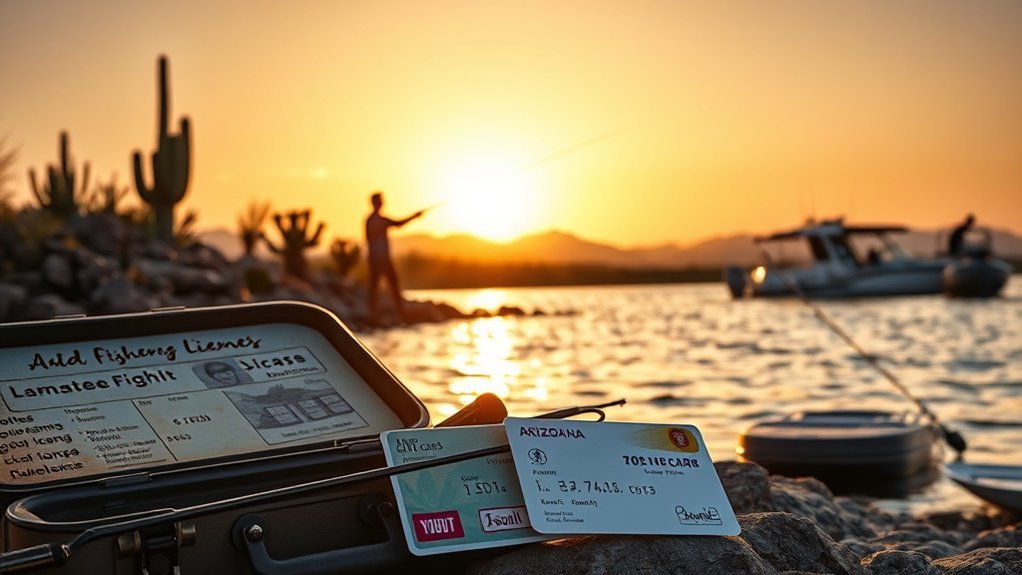
Arizona offers several license types based on your age, residency, and outdoor plans. You can choose a general fishing license, a combination hunt-and-fish license, a youth combination license, a short-term combination license, or a lifetime license.
A general fishing license gives anglers age 10 and older the right to fish public waters. A combination license covers both hunting and fishing under one permit.
Youth combination licenses apply to anglers ages 10 through 17. Lifetime licenses apply only to Arizona residents and use age-based pricing.
Before you buy, confirm whether you need fishing only or both hunting and fishing privileges. Keep proof of residency, age, or eligibility with you when needed.
Current License Fees for Residents and Non-Residents
Arizona charges $37 for an annual resident fishing license and $55 for a non-resident fishing license. A combination hunt-and-fish license costs $57 for residents and $160 for non-residents.
Youth combination licenses cost $5 for residents and non-residents ages 10 through 17. Short-term combination licenses cost $15 per day for residents and $20 per day for non-residents.
The resident annual fishing license costs $18 less than the non-resident license. The resident combination license costs $103 less than the non-resident version.
Use your expected number of fishing days to choose the best value. A daily license may work for one short trip, but an annual license can cost less if you fish several times.
Arizona licenses usually stay valid for 365 days from the purchase date. They’re also non-transferable and non-refundable, so time your purchase around your fishing plans.
Annual licenses last 365 days from purchase. Short-term licenses can cost more than an annual license if you fish often.
The $5 youth license offers one of the lowest-cost options. It also removes the resident and non-resident price gap for anglers ages 10 through 17.
Where and How to Buy Your License

You can buy an Arizona fishing license online through the Arizona Game and Fish Department. Online purchase works well when you need a license before a same-day trip.
You can also buy a license from licensed dealers, sporting goods stores, some convenience stores, and Arizona Game and Fish offices. Offices can help with more complex cases, such as lifetime resident licenses or special eligibility questions.
Bring a valid ID and any documents that prove residency or special eligibility. Keep the printed license or electronic proof with you while fishing.
Track your license expiration date before your next trip. A valid license helps you avoid fines and gives officers a clear record during checks.
Pro tip: Buy your license before you reach remote fishing areas because phone service may not work near lakes or streams.
Exemptions, Free Fishing Days, and Special Programs
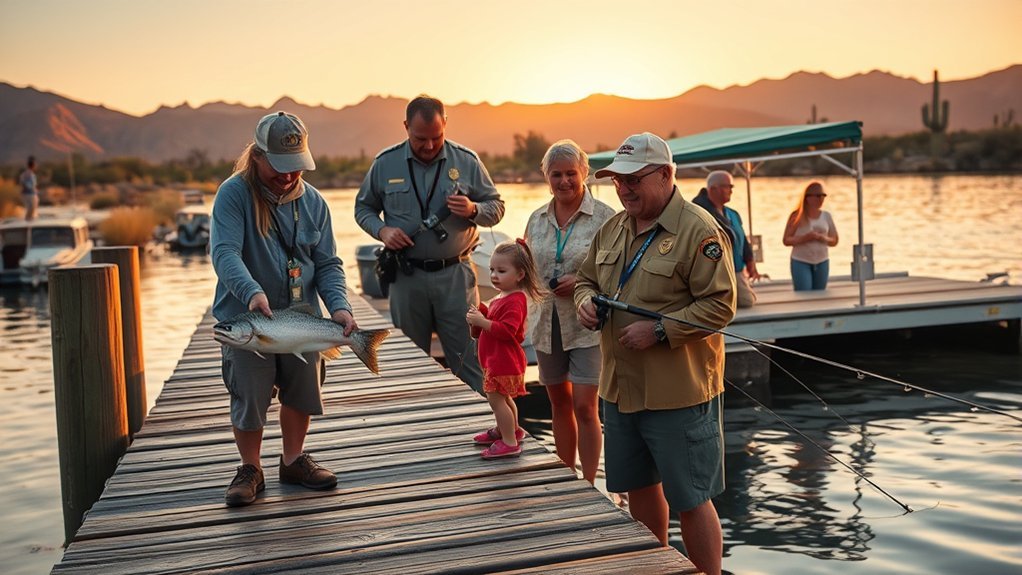
You generally need a valid fishing license if you’re age 10 or older. Still, Arizona offers exemptions and special programs for some anglers.
You don’t need a license if you’re under 10. Blind Arizona residents may also fish without a license. Private waters may have different rules when you fish with the owner’s permission.
Arizona may also offer designated free fishing days. These days let you fish without a license, but they don’t remove other fishing rules.
Free fishing days can waive the license requirement, but they don’t waive bag limits, seasons, size limits, or area rules.
- Free fishing days: Check Arizona Game and Fish before your trip because dates can change by year.
- Special programs: Some Pioneer residents and 100% disabled veterans may qualify for complimentary licenses.
- Compliance: You must still follow species limits, seasons, legal methods, and local water rules.
Review the rules before you fish. A free day or exemption can help with license cost, but it won’t protect you from other violations.
Lifetime, Complimentary, and Youth License Options
A lifetime license may make sense if you’re an Arizona resident and plan to fish for many years. Lifetime license fees range from $296 to $1,500 based on your age.
Some residents may qualify for complimentary licenses. Common examples include Pioneer residents and qualifying disabled veterans.
Youth anglers ages 10 through 17 can buy a youth combination hunt-and-fish license for $5. At age 18, they need an adult license.
Lifetime License Benefits
Arizona lifetime fishing licenses apply only to residents. They give you long-term fishing privileges and can remain valid even if you later move out of Arizona.
You should compare the lifetime fee with the cost of annual renewals. The lifetime option costs more upfront, but it can save money for frequent anglers over time.
- One-time payment can remove the need for yearly license renewals.
- Resident-only eligibility keeps lifetime licenses limited to Arizona residents.
- A hard-plastic permanent card may be available for an added fee.
Complimentary Eligibility Criteria
Arizona offers complimentary license options for specific groups. You’ll need documents that prove your age, residency, or disability status.
A Pioneer lifetime license may apply if you’re at least 70 years old and meet long-term Arizona residency rules. Disabled veterans with a qualifying 100% service-connected disability may also qualify for a complimentary fishing license.
Bring official paperwork when you apply. Arizona Game and Fish offices can help verify eligibility before they issue the license.
Youth License Details
The youth combination hunt-and-fish license applies to anglers ages 10 through 17. It costs $5 for both residents and non-residents.
This license covers fishing and hunting privileges allowed under Arizona youth rules. Young anglers must still follow seasons, limits, safety rules, and any required education rules for hunting.
- Age range: The youth license applies from age 10 through 17.
- Cost: The youth combination license costs $5 for residents and non-residents.
- Adult changeover: Anglers need an adult license when they turn 18.
Keep proof of age available during trips. It helps show that the youth license matches the angler’s status.
Frequently Asked Questions
Can I Fish on Tribal Lands With a State License?
No, you generally can’t fish on tribal lands with only an Arizona state license. Tribal nations set their own fishing rules, permits, and access requirements.
Are License Fees Refundable if I Cancel a Trip?
Arizona fishing licenses are generally non-refundable after purchase. Check the license terms before you buy, especially if your trip dates may change.
Does My License Cover Fishing From Private Ponds?
A state license may not be required for some private waters when you have the property owner’s permission. Still, you should confirm the rule before fishing because location and species rules can vary.
Are There Discounts for Veterans or Active Military?
Some disabled veterans may qualify for a complimentary Arizona fishing license. Active-duty service members may qualify for resident rates when they meet Arizona’s residency rules.
How Are License Revenues Used by the State?
Fishing license revenue helps fund wildlife management, fish stocking, habitat work, public access, research, and enforcement. Buying a license supports the waters you use.
Legal Disclaimer: This article is for informational purposes only and does not constitute legal advice. Always check current Arizona Game and Fish Department rules before fishing or buying a license.
Conclusion
Arizona’s fishing license rules are simple once you match your age, residency, and trip length to the right permit. Most anglers age 10 and older need a license for public waters, and annual licenses cost $37 for residents and $55 for non-residents. Before your next trip, confirm current rules, buy the correct license, and keep proof with you. That small step keeps your trip legal and helps support Arizona’s fisheries.
References
- Arizona Hunting and Fishing License Information — Arizona Game and Fish Department
- Arizona Fishing Regulations — Arizona Game and Fish Department
- Arizona Special Licenses and Complimentary Licenses — Arizona Game and Fish Department