
That attractive hotel rate can grow fast once taxes and fees appear at checkout. In the USA, hotels often show the base room price first, then add occupancy taxes, sales taxes, resort fees, parking charges, and local surcharges later. This guide explains why that happens, how hotel taxes work, and how you can estimate the real cost before you book.
What’s in This Article
- What Are Hotel Taxes and How Are They Calculated?
- Why Don’t Hotel Prices Include Taxes Upfront?
- How Do Occupancy Taxes Affect Total Travel Costs?
- What Factors Lead to High Hotel Tax Rates?
- How Local Taxes Affect Hotel Pricing
- Why Hotel Occupancy Taxes Matter
- How to Budget for Hotel Taxes and Fees
- Common Hotel Fees Beyond Occupancy Taxes
- Current Trends in Hotel Taxes
- Tips for Navigating Hotel Pricing
- Frequently Asked Questions
Quick Answer
Hotel prices in the USA often exclude taxes because tax rates vary by state, county, city, and local tourism district. Hotels usually show the base room rate first, then add occupancy taxes and required fees during checkout. To avoid surprises, check the full price breakdown before you reserve.
Key Takeaways
- Hotel tax rates vary by location, so the same room rate can lead to different final prices.
- Occupancy taxes often apply as a percentage of the nightly room charge.
- Resort fees, parking fees, and destination charges can raise your total beyond taxes.
- Booking sites may show taxes and fees at different stages of checkout.
- You can budget better by comparing the final price, not just the advertised room rate.
What Are Hotel Taxes and How Are They Calculated?
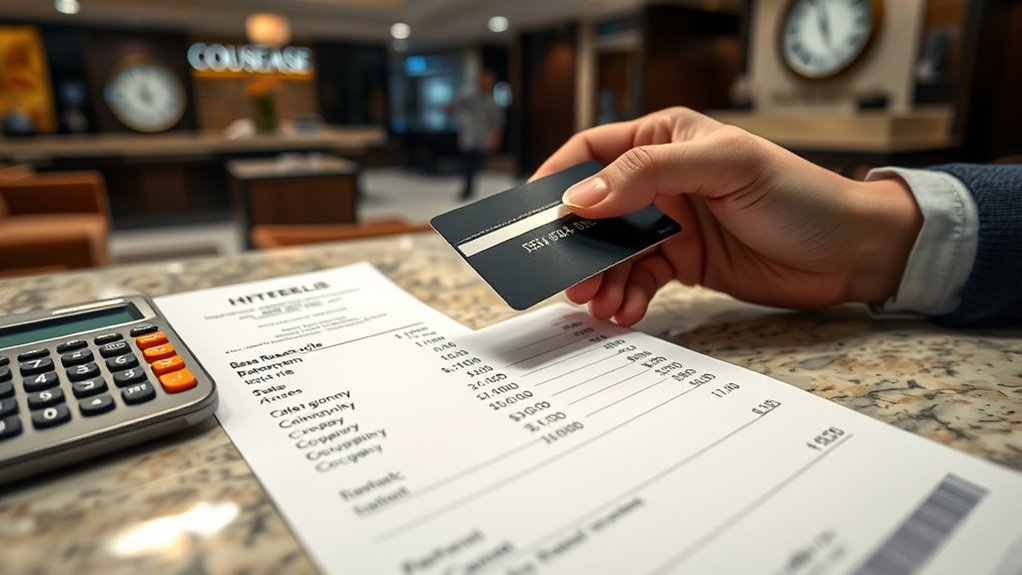
Hotel taxes, often called occupancy taxes or lodging taxes, add to the cost of your stay. State, county, city, or tourism authorities may charge these taxes when you rent a hotel room.
Most hotel taxes use a percentage of the room rate. For example, if a room costs $100 and the tax rate is 10%, the tax adds $10 before any separate fees.
Some areas also apply more than one tax. A city may charge its own lodging tax on top of a state tax, which can raise the final bill.
These taxes usually fund public services, tourism programs, convention centers, transit, local infrastructure, or visitor services. The exact purpose depends on local rules.
Why Don’t Hotel Prices Include Taxes Upfront?
Hotels often separate the base room rate from taxes because tax rules differ by location. A national hotel chain may use one booking system, but each property must apply local tax rules.
This setup can make prices look lower at first glance. You may see a nightly rate on a search results page, then see taxes and fees later in the booking flow.
Some booking platforms now show clearer total-price views, but you should still review the checkout page. The final confirmation page usually gives the most complete price.
Pricing Transparency Issues
Hotel prices can feel misleading when the first rate you see excludes taxes and mandatory fees. You may plan around one price, then face a higher total before payment.
This matters most when you compare hotels across different cities. A lower base rate may not mean a lower total cost once taxes, resort fees, and parking charges apply.
Tax Structure Complexity
The USA does not use one single hotel tax rate. Local governments set many lodging taxes, and some destinations add tourism or improvement district charges.
This structure makes all-inclusive pricing harder for hotels and booking sites. Still, you can protect your budget by checking the full rate details before you enter payment information.
How Do Occupancy Taxes Affect Total Travel Costs?
Occupancy taxes increase your total travel cost because they apply to each taxable night of your stay. The longer you stay, the more those charges add up.
For example, a $200 room with a 10% occupancy tax becomes $220 before any resort, parking, or service fees. A four-night stay at that rate adds $80 in tax.
Taxes can also affect whether a hotel fits your travel budget. You should compare the final booking total rather than the nightly base rate alone.
Pro tip: Divide the final checkout total by the number of nights to find your real nightly cost.
What Factors Lead to High Hotel Tax Rates?
High hotel tax rates often reflect local revenue needs, tourism spending, and infrastructure costs. Popular destinations may rely on visitor taxes to support services used by both travelers and residents.
Rates can also change when a city funds a convention center, tourism campaign, transit project, or public improvement district. Always check the current local tax details before you book.
Local Government Revenue Needs
Tourism can increase demand for public services such as sanitation, police, emergency response, and road maintenance. Local governments may use hotel taxes to help cover those costs.
This approach shifts part of the cost to visitors instead of local residents alone. That can make hotel taxes a key part of a destination’s public budget.
Tourism Promotion Initiatives
Some hotel taxes support tourism promotion and destination marketing. These funds may help advertise the area, support visitor centers, or bring events to the region.
Common uses include:
- Funding local tourism campaigns
- Supporting visitor information services
- Improving public spaces used by travelers
- Helping cities attract conventions and events
Infrastructure Maintenance Costs
Visitors use roads, airports, transit, parks, sidewalks, and public safety services. Cities may use hotel tax revenue to help maintain or improve that infrastructure.
In busy travel areas, infrastructure demand can rise during peak seasons. Higher lodging taxes may help pay for those added costs.
How Local Taxes Affect Hotel Pricing

Local taxes can change the final cost of a hotel even when the base room rate stays the same. One city may add only a modest lodging tax, while another may add several local charges.
Before you book, look for these cost items:
- Room rate: The advertised nightly price before taxes and fees.
- Occupancy tax: A lodging tax based on the room charge.
- Sales tax: A state or local tax that may apply to the stay.
- Tourism fees: Local charges that may fund visitor programs or public projects.
- Hotel fees: Resort, destination, parking, or amenity charges.
These items can appear together on your final bill. Review the line-item breakdown before you confirm the reservation.
Why Hotel Occupancy Taxes Matter
Hotel occupancy taxes matter because they affect both your budget and the local area you visit. You pay them as part of your stay, and local governments often use the revenue for visitor-related services.
These taxes can also change your hotel comparison. A room with a higher base rate may cost less overall if it sits in a lower-tax area or includes fewer fees.
When you understand this difference, you can choose hotels with more confidence. You also avoid the stress of a final bill that feels larger than expected.
How to Budget for Hotel Taxes and Fees
Smart hotel budgeting starts with the final price, not the first price you see. Use the checkout total as your main number when you compare options.
Build a cushion for taxes and fees, especially in large cities, beach resorts, ski towns, and convention destinations. These places often carry more local charges.
Essential Tax Considerations
Before you reserve a room, check whether the quoted rate includes taxes. If it does not, review the estimate shown at checkout.
Focus on these details:
- Taxable rate: Check whether the tax applies to the room only or to some fees too.
- Stay length: Multiply taxes and nightly fees by the number of nights.
- Local rules: Confirm whether the city or county adds separate lodging charges.
- Refund terms: Check whether taxes and fees follow the same cancellation rules as the room.
Hidden Fees Awareness
Hotel fees can raise your final cost even when taxes look manageable. Resort fees, destination fees, parking charges, pet fees, early check-in fees, and late checkout fees can all add up.
Some fees apply per room, while others apply per guest, per night, or per vehicle. Read the rate details so you know which charges fit your trip.
Total Cost Estimation
To estimate your hotel cost, start with the nightly rate and multiply it by your number of nights. Then add taxes, required fees, and any optional charges you expect to use.
A simple estimate can look like this:
- Nightly room rate multiplied by the number of nights
- Estimated hotel tax based on the booking page
- Mandatory resort or destination fees
- Parking, pet, breakfast, or other optional charges
This method gives you a clearer travel budget. It also helps you compare hotels fairly.
Common Hotel Fees Beyond Occupancy Taxes

The advertised room rate may exclude several charges beyond occupancy taxes. These fees can make a low nightly rate less attractive once you reach checkout.
Common hotel fees include:
- Resort fees: Charges for amenities such as pools, gyms, beach access, or Wi-Fi.
- Destination fees: Local or property-level fees tied to the location or services.
- Parking fees: Daily charges for self-parking or valet service.
- Pet fees: One-time or nightly charges for bringing an animal.
- Service fees: Charges that may cover booking, housekeeping, or property services.
Ask the hotel to confirm mandatory fees if the booking page seems unclear. A quick check can prevent a larger bill at check-in or checkout.
Warning: A nonrefundable booking may still leave you responsible for some taxes or fees if the policy states that clearly.
Current Trends in Hotel Taxes
Hotel tax rules continue to vary widely across the USA. Many destinations review lodging taxes as tourism demand, public budgets, and infrastructure needs change.
You may also see more pricing transparency from hotels and booking platforms. Some platforms now highlight total prices earlier so travelers can compare rooms with fewer surprises.
Still, local rules can change. Before you travel, check the hotel’s final checkout page and the destination’s official tax or tourism information when accuracy matters.
Tips for Navigating Hotel Pricing for a Stress-Free Stay
You can avoid most hotel price surprises with a few simple habits. Focus on the total stay cost instead of the nightly rate alone.
- Compare final checkout totals across hotels.
- Read the tax and fee breakdown before payment.
- Check whether parking, breakfast, Wi-Fi, or resort access costs extra.
- Confirm fees directly with the hotel for special stays, pets, groups, or long bookings.
- Save your confirmation email so you can compare it with the final bill.
These steps help you stay in control of your budget. They also make hotel comparisons more accurate.
Frequently Asked Questions
What Is the New Tax Rule for 2026?
Hotel tax rules for 2026 depend on the state, county, city, and local tourism district. Check the destination’s official tax information or the hotel’s checkout page for the current rule that applies to your stay.
Do Hotel Prices Include Taxes?
Some hotel listings include taxes, but many show the base room rate first. Always review the final booking page because it usually shows taxes, mandatory fees, and the total stay cost.
Why Do Prices in America Not Include Taxes?
Prices in America often exclude taxes because tax rates vary by location and type of purchase. For hotels, the final tax can depend on state, county, city, and tourism district rules.
Do You Pay Hotel Tax in the USA?
Yes, you usually pay hotel tax in the USA when you rent a room. The amount depends on the hotel’s location and the local rules that apply to lodging.
Can Hotel Fees Be Taxed Too?
Some hotel fees may be taxable, depending on local rules and how the property classifies the charge. Review the itemized estimate or ask the hotel if a fee affects the tax total.
Financial Disclaimer: This article is for informational purposes only and does not constitute professional financial or tax advice. Always consult a qualified tax professional or local authority before making decisions based on hotel tax information.
Conclusion
The most important takeaway is simple: the first hotel price you see may not show the full cost. Before you book, review the final checkout total and scan the line items for taxes and required fees.
Use that full number when you compare hotels, set your travel budget, and decide whether a rate is truly a good deal. With a few extra minutes of checking, you can book with more confidence and avoid last-minute sticker shock.