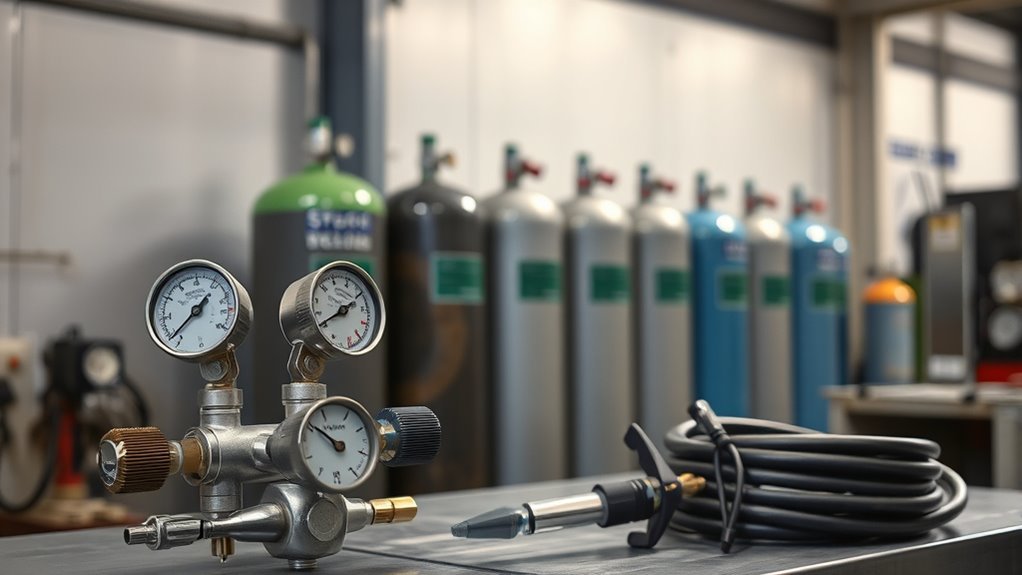
How Much Do Welding Gas Tanks Cost?
What’s in This Article
Welding gas can look cheap until the cylinder size, refill fee, and rental terms change the real price. A small tank may cost less upfront, but it often costs more per cubic foot over time. This guide shows you how to compare argon and argon-CO2 tank costs, choose the right size, and avoid paying for gas you don’t need.
Quick Answer
Welding gas tank costs depend on cylinder size, gas type, refill price, and whether you buy or lease the tank. Small cylinders cost less upfront but often cost more per cubic foot. Frequent welders usually save more by owning a larger tank and comparing refill quotes from local suppliers.
Key Takeaways
- Compare welding gas prices by cost per cubic foot, not just the tank price.
- Small argon cylinders are easier to store, but they need refills more often.
- Larger cylinders usually give better long-term value for frequent welding.
- Buying a tank can beat leasing when you weld often and want supplier flexibility.
- Match the gas type to your welding process before you compare prices.
What Affects Argon Tank Prices?
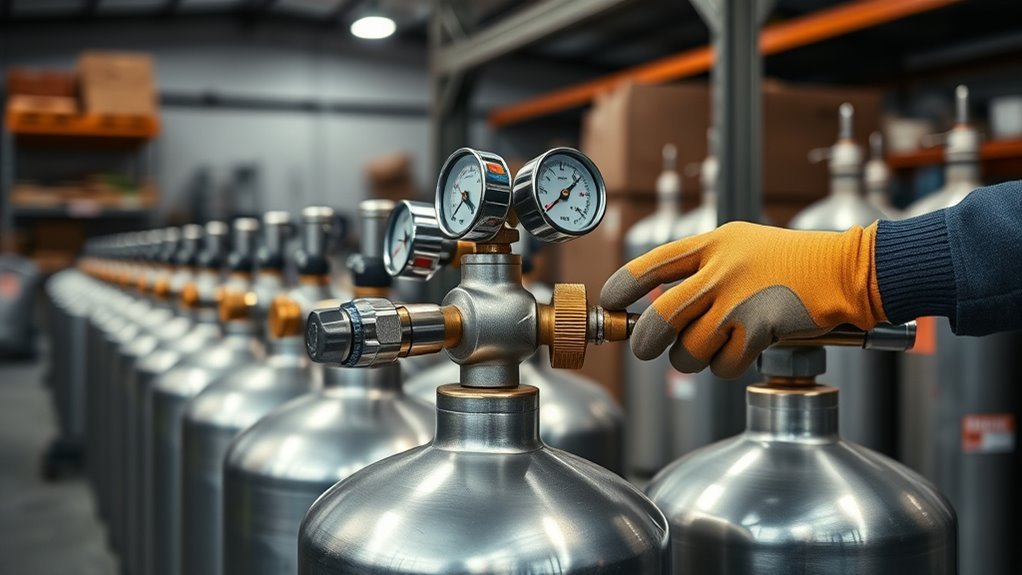
Argon tank prices start with the gas type, but the final cost depends on cylinder size, fill volume, supplier fees, and the blend you choose.
Argon tank prices depend on cylinder size, fill volume, gas blend, local supplier fees, and refill or exchange terms.
You may pay a different price for 100% argon than for a 75/25 argon and carbon dioxide blend. Each mix supports a different welding process, so demand and supply can shift pricing.
Your location also matters. Transport costs, local taxes, supplier competition, and cylinder ownership rules can all change the quote you receive.
If you rent, refill, exchange, or own the cylinder, those choices also affect your total cost. Delivery fees may raise the bill, while local pickup can reduce it.
Pro tip: Ask each supplier for the cylinder fee, gas charge, hazmat fee, exchange fee, and tax before you compare quotes.
For the best value, compare suppliers, verify the blend, and divide the total fill or exchange cost by the usable cubic feet.
Argon Tank Prices by Size
When you compare argon tank prices by size, focus on the price per cubic foot. This shows which option gives you the lowest gas cost over time.
Small tanks, such as 20, 40, and 80 cubic foot cylinders, cost less upfront and fit small shops well. They also run empty faster, so you may refill them more often.
Larger tanks, such as 125, 155, and 300-plus cubic foot cylinders, can improve value for regular welding. They reduce downtime and can lower your cost per refill.
Price Per Cubic Foot
Price per cubic foot gives you a fair way to compare welding gas quotes. Divide the total refill or exchange cost by the usable gas volume.
For example, if an 80 cubic foot refill costs $80, your gas cost is $1 per cubic foot. If a 40 cubic foot refill costs $60, your cost rises to $1.50 per cubic foot.
This simple math helps you avoid a common mistake. A cheaper refill can still cost more if the tank holds much less gas.
Small Tank Pricing
Small argon tanks work well for light TIG welding, hobby projects, and tight storage spaces. They are easier to move, easier to store, and cheaper to buy than large cylinders.
| Common Cylinder Size | Best For | Value Note |
|---|---|---|
| 20 cu/ft | Short repairs and portable use | Low upfront cost, high refill frequency |
| 40 cu/ft | Light home TIG work | Good storage size, modest run time |
| 80 cu/ft | Weekend welding and small shops | Better balance of cost and capacity |
The main drawback is refill frequency. If you weld often, a small tank can raise your long-term cost and slow your work.
Large Tank Value
Large cylinders can change the economics fast. You pay more upfront, but each fill supports more weld time and fewer supplier trips.
You get the strongest value when you weld often or use higher flow rates. A 125 cubic foot tank or larger often makes more sense for steady garage or shop work.
Large cylinders also help you avoid running out of gas during longer jobs. Compare the total gas delivered, not just the sticker price.
Is It Cheaper to Buy or Lease?
Buying a welding gas tank usually costs more at the start. Over time, ownership can cost less because you avoid recurring rental fees and deposits.
When you own the tank, you usually pay for refills or exchanges only. That gives you better cost control if your supplier accepts customer-owned cylinders.
Leasing may still make sense for large industrial cylinders, short-term jobs, or users who want the supplier to handle cylinder testing and management.
Buy Vs. Lease Costs
Buying often gives hobby welders and small shops the better long-term value. You avoid monthly or annual rental charges and can refill when needed.
Leasing may look cheaper at first because the starting cost is lower. But recurring fees can add up if you keep the tank for months or years.
Before you choose, ask how the supplier handles refills, exchanges, cylinder inspections, and ownership records. Some suppliers won’t fill or exchange tanks they don’t recognize.
Upfront Fees And Deposits
Upfront fees can change the buy-versus-lease decision. A purchased tank requires more cash at the start, while a leased tank may require a deposit and rental fee.
Use this simple checklist before you sign:
- Compare the tank purchase price with one year of lease fees.
- Add refill, exchange, delivery, hazmat, and tax charges.
- Check whether the supplier accepts customer-owned cylinders.
- Ask who handles hydrostatic testing and cylinder replacement.
For frequent users, ownership can win on pure cost. It also gives you more control over your refill schedule.
Refills, Flexibility, And Ownership
Tank ownership gives you more freedom to compare refill options. You can call several suppliers and choose the best mix of price, distance, and service.
Leasing can limit that choice because the cylinder may belong to one supplier. You may need to return it to the same company for exchange or service.
| Option | Main Benefit | Main Drawback |
|---|---|---|
| Buy | Lower long-term cost for frequent users | Higher upfront cost |
| Lease | Lower starting cost and supplier support | Recurring fees and less flexibility |
| Exchange | Fast refill process | Cylinder rules vary by supplier |
If you refill regularly, compare the lifetime cost. The cheaper option depends on how often you weld and how local suppliers manage cylinders.
Why Argon Prices Change by Location
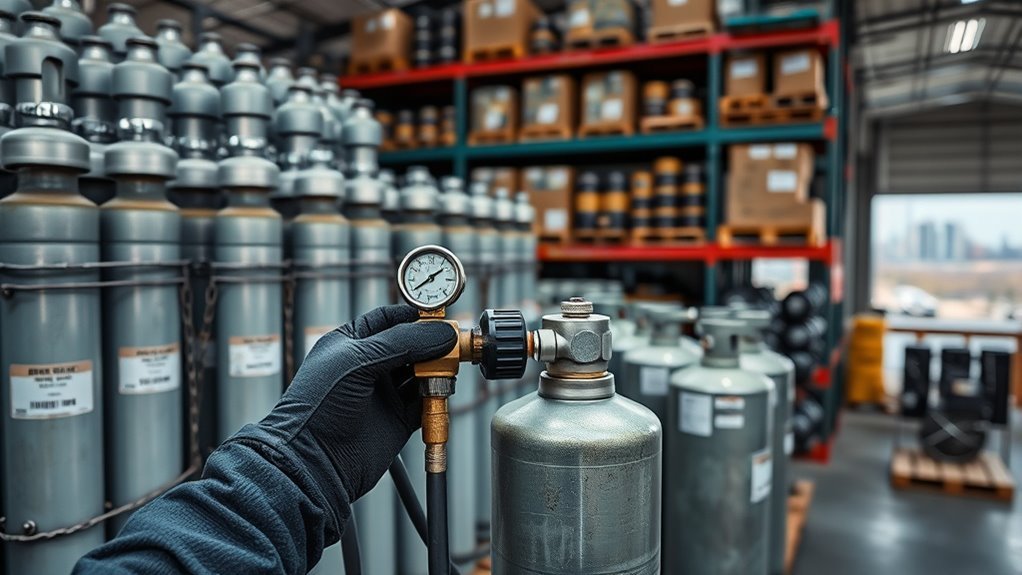
Argon prices change by location because supply, freight, taxes, and competition shape local quotes. A city with several gas suppliers may have better pricing than a remote area.
Transport distance can raise costs, especially when suppliers move cylinders from distant production or distribution points. Local cylinder rules can also affect purchase and exchange options.
- Limited supplier access can reduce competition and raise quotes.
- Nearby distribution centers can lower handling and transport costs.
- Local taxes and fees can change the final invoice.
When you compare offers, look past the refill number. Ask for the full invoice cost so you can spot hidden fees.
Which Welding Gas Should You Buy?
Your welding process should guide your gas choice. Price matters, but the wrong gas can create poor welds, extra spatter, or weak results.
For tungsten inert gas (TIG) welding, 100% argon is the common choice for many metals. It gives stable shielding and works well for aluminum, stainless steel, and mild steel TIG work.
For metal inert gas (MIG) welding on mild steel, many welders use a 75% argon and 25% carbon dioxide blend. This mix can give smoother welds and less spatter than straight carbon dioxide in many setups.
Straight carbon dioxide can cost less and gives deeper penetration on mild steel. It may also create more spatter, so compare both weld quality and gas cost.
Warning: Use the gas recommended for your welder, wire, and material, because the wrong shielding gas can hurt weld quality and safety.
Choose by weld process first and price second. A cheap gas can cost more if it forces rework.
Where Can You Buy Argon Tanks Cheaply?
To buy argon tanks cheaply, compare local welding suppliers, industrial gas distributors, farm supply stores, and online sellers. Always verify the full landed cost before you buy.
Online prices may look low, but shipping, taxes, and cylinder fees can erase the savings. Local pickup often gives better value when you need fast refills or exchanges.
- Call local welding suppliers and ask for refill and exchange pricing.
- Compare online cylinder prices with shipping and tax included.
- Confirm whether the cylinder arrives full, empty, or exchange-ready.
- Ask whether your local supplier will service that cylinder.
If you live in a state with stricter cylinder or shipping rules, confirm availability before ordering. This can prevent delays, rejected exchanges, and surprise fees.
How Long Does a Welding Gas Tank Last?
A welding gas tank lasts based on its cubic feet and your flow rate. Most flowmeters show gas flow in cubic feet per hour.
Use this formula: cylinder size divided by flow rate equals estimated run time. For example, a 40 cubic foot cylinder at 20 cubic feet per hour gives about two hours of arc time.
Your real use may be lower because you won’t weld nonstop. Setup time, tack welds, fitting work, and breaks all stretch the calendar time between refills.
| Cylinder Size | At 15 CFH | At 20 CFH |
|---|---|---|
| 20 cu/ft | About 1.3 hours | About 1 hour |
| 40 cu/ft | About 2.6 hours | About 2 hours |
| 80 cu/ft | About 5.3 hours | About 4 hours |
Check your regulator, fittings, and hose for leaks if gas runs out faster than expected. Small leaks can waste a surprising amount of gas.
Frequently Asked Questions
How Much Does a Full Tank of Argon Cost?
A full argon tank can cost much less or much more depending on cylinder size, supplier terms, and your location. Small customer-owned cylinders often cost more per cubic foot than larger shop cylinders.
How Much Is a 20 Cu Ft Argon Tank?
A 20 cubic foot argon tank is usually one of the lowest-cost entry sizes. It works for short jobs, but the refill cost per cubic foot can be higher than larger tanks.
How Long Will 20 Cubic Feet of Argon Last?
A 20 cubic foot argon tank lasts about one hour at a 20 cubic feet per hour flow rate. Lower flow settings can stretch that time, but leaks and long post-flow settings can shorten it.
Does Tractor Supply Refill Argon?
Many farm and retail stores sell or exchange cylinders, but refill services vary by location. Call your local store or welding gas supplier before you bring in a cylinder.
Is Argon Or Argon-CO2 Better For MIG Welding?
For mild steel MIG welding, an argon-CO2 blend often gives smoother results than pure argon. Pure argon works well for TIG welding but usually doesn’t suit standard mild steel MIG work.
Conclusion
The best welding gas value comes from matching the right gas, tank size, and supplier terms to your actual welding use. Compare the cost per cubic foot, not just the cylinder price.
If you weld often, price a larger owned cylinder against a lease before you decide. A smart gas setup keeps your welds cleaner, your workflow smoother, and your budget under control.