

If you’re weighing welding school, expect wide price swings based on program type and school. Certificates can run a few thousand dollars, while degrees cost much more. You’ll also need to budget for gear, tests, and living costs. Below is a breakdown of typical tuition ranges, extra expenses, certification fees, and funding options so you can compare true out-of-pocket costs and likely returns.
Quick Answer
- Most welding programs cost between $5,000 and $15,000 in tuition, depending on credential type and school.
- Community colleges are usually the best value, averaging around $5,000 for a two-year associate degree.
- Budget an extra $1,000–$4,000 for tools, safety gear, books, and certification exams.
- Certification tests (such as the AWS Certified Welder) typically cost $300–$550 each and are rarely included in tuition.
- Financial aid, grants, trade scholarships, and the GI Bill can significantly reduce what you pay out of pocket.
- Median welder wages are around $49,920 per year, so most graduates recoup training costs relatively quickly.
Products Worth Considering
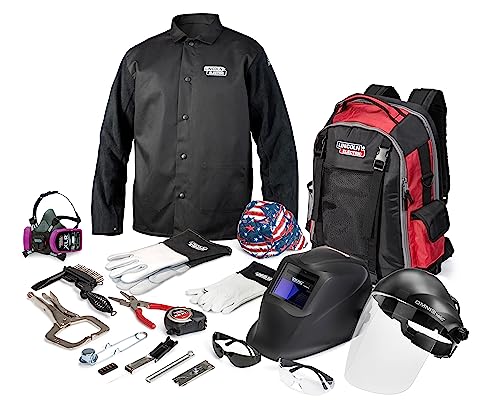
What is a Ready-Pak? – A product assortment that contains personal protective equipment (PPE) and hand tools used for welding, cutting, and metal-working applications.

DESIGNED FOR WOMEN - The jacket torso and sleeves are designed specifically to fit female body types; improving comfort and protection versus standard welding jackets.

What is a Ready-Pak? – A product assortment that contains personal protective equipment (PPE) and hand tools used for welding, cutting, and metal-working applications.
Average Tuition and Program Price Ranges
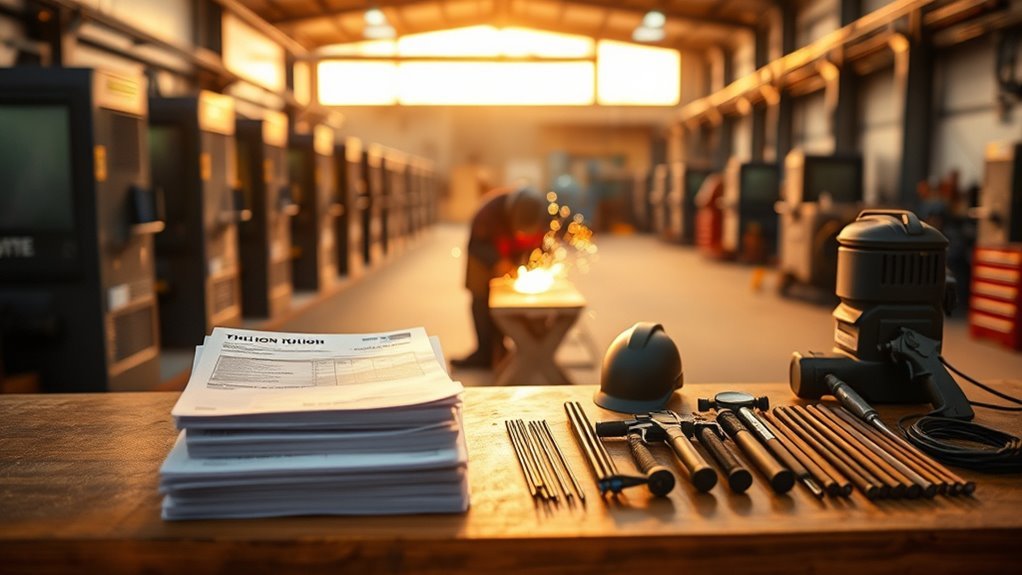
Expect to pay anywhere from about $5,000 to $15,000 for most welding programs, though costs vary by credential and school type.
Certificate options run roughly $3,000 to $10,000. Diploma tracks land around $5,000 to $15,000 for a one-year course. Associate degrees are closer to $10,000–$25,000 over two years. Bachelor’s routes can exceed $40,000.
Community colleges often give the best value, with two-year tuition averaging near $5,000 and including general education credits.
Community colleges usually offer the best value — about $5,000 for two years, often including general education credits.
Factor in extra costs too. Tools, materials, and safety gear typically add $100–$500. A personal welding machine can run $500–$2,000.
When comparing programs, look beyond the sticker price. Consider credential length, lab access, and job placement outcomes. Also explore tuition assistance, grants, and trade-specific scholarships that can substantially lower your net cost.
Types of Schools and Program Lengths
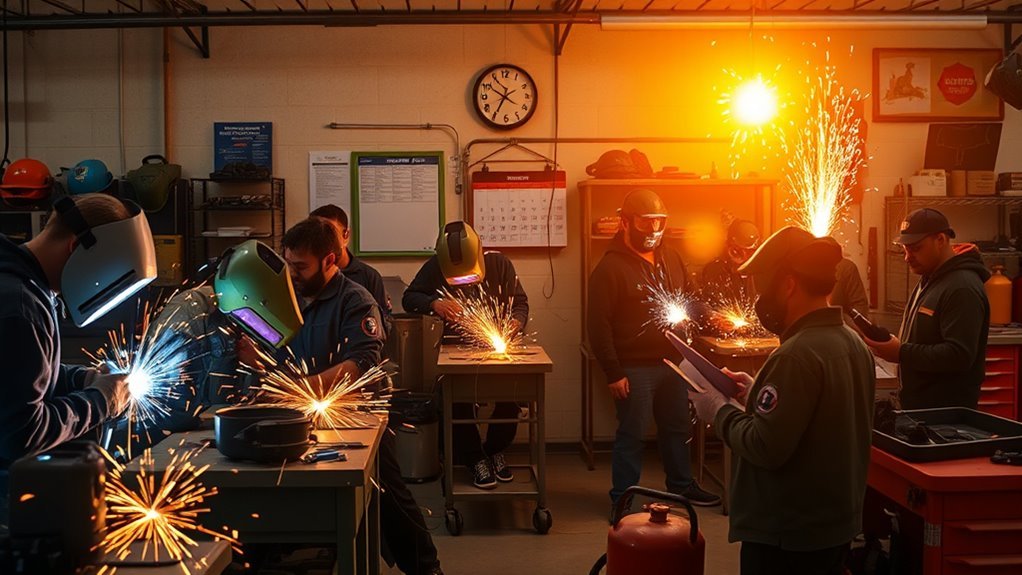
Your training options mainly come down to trade schools, community colleges, short certificate courses, one-year diploma programs, and four-year bachelor’s degrees.
Trade school programs are hands-on and welding-focused, lasting a few months to two years and costing $5,000–$20,000. Community colleges offer two-year associate degrees for about $5,000, blending general education with technical skills and opening broader career paths.
Short certificate courses run $3,000–$10,000 and get you into the workforce fast. One-year diploma programs cost $5,000–$15,000 and typically lead to entry-level roles. Bachelor’s degrees in welding technology take four years, cost $40,000–$100,000, and add business or engineering knowledge useful for supervisory or specialized positions.
- Fast entry: certificates (weeks to months)
- Balanced option: trade schools/diplomas (months to one year or more)
- Advanced pathway: associate or bachelor’s degrees (2–4 years)
Products Worth Considering

Crafted with precision, our steel plates are laser-cut, offering unparalleled edge smoothness and dimensional accuracy compared to stamped and sheared parts.

𝗦𝗢𝗟𝗜𝗗 & 𝗦𝗔𝗙𝗘 𝗣𝗨𝗟𝗟𝗘𝗬 𝗦𝗬𝗦𝗧𝗘𝗠 ---- FitBeast pulley system gym cable is composed of 6 strands of steel rope, which is safe and not easy to break. The thickened protection ball will effectively avoid sudden sliding. The loading pin adopts welding technology let the tray more sturdy.

Master Your Craft: the welding practice kit is meticulously crafted using laser cut technology; This ensures accurate edges that challenge and enhance your welding skills, featuring the geometric trefoil design, aid in mastering different welding techniques; It's suitable not only for novice welders but likewise furnishes a unique challenge for experienced professional welders
Breakdown of Additional Equipment and Supply Costs
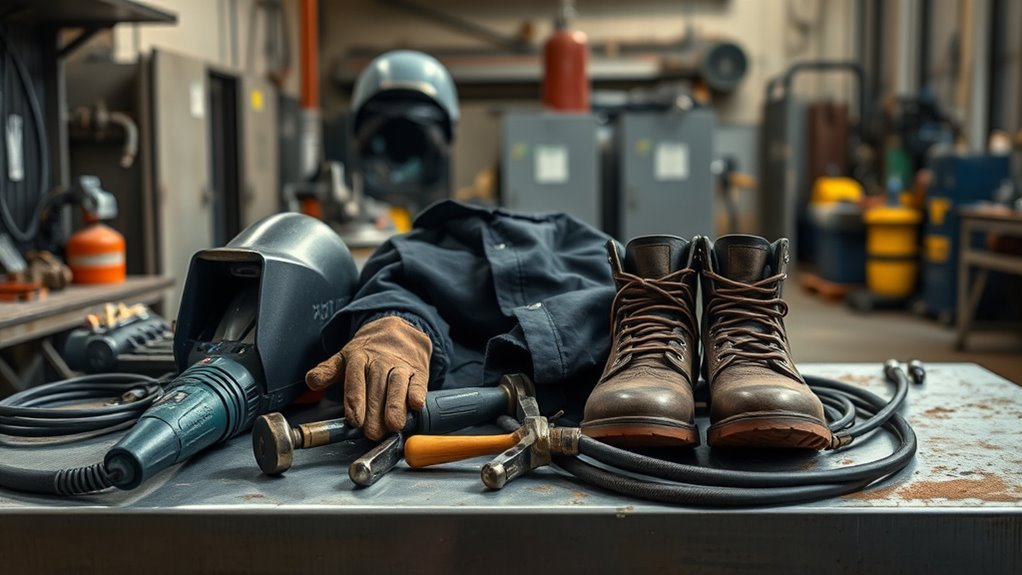
Budget for three main categories: personal protective equipment (PPE), welding machines and hand tools, and consumables plus certification fees.
PPE and basic tools typically run $100–$1,500 depending on what you buy. Welding machines can cost $500–$2,000. Consumables and certification tests add another $100–$550 or more per certification.
Products Worth Considering

Welding Work Protectors Set: With front pockets, this work apron allows you to store and easily access any small tools or essentials you need while working, keeping you organized and efficient in completing your tasks, convenience and practicality.
What is a Ready-Pak? – A product assortment that contains personal protective equipment (PPE) and hand tools used for welding, cutting, and metal-working applications.

Comprehensive Welding Protection Package: this welding protection gear set, with a color of yellow, is a handy kit that includes a welding apron, a pair of welding gloves, a pair of welding sleeves, a welding hood and boot covers; This all encompassing package is designed to meet your safety needs and provide full coverage, safeguarding you from welding splashes and intense heat
Personal Protective Equipment (PPE)
Proper PPE keeps you safe on the job. Plan to spend roughly $100–$500 for basic gear and another $50–$500 if you want top-tier helmets and respirators.
You’ll need gloves, safety glasses, welding hoods, and flame-resistant clothing. Helmets alone can run $50–$500, gloves $20–$100, and respirators add cost when fumes are present. Invest in quality gear to prevent burns, eye damage, and inhalation hazards.
Keep up with PPE maintenance too. Clean and inspect gear regularly, replace anything damaged, and keep consumables current. Labeled lockers or hanging racks help avoid contamination and extend equipment life.
- Basic set: gloves, glasses, jacket, hood.
- Upgrades: auto-darkening helmet, respirator.
- Consumables: caps, lenses, liners.
Welding Machines & Tools
After budgeting for PPE, plan for the gear that actually fuses metal: welding machines, hand tools, and consumables.
Welding machines run from about $500 to $2,000, depending on type and features. A tool kit covering hoods, gloves, safety glasses, and basic hand tools adds another $500–$1,500. Budget an extra $100–$500 for safety gear and materials beyond PPE.
Also account for ongoing machine maintenance to protect your investment and avoid downtime. Certification fees are separate, so don’t assume tuition covers them.
Consumables & Certification Fees
A few key extras can add several hundred to a few thousand dollars to your welding school budget.
Welding consumables like electrodes, filler rod, and gas, plus safety gear, typically cost $100–$500. Books and course supplies run another $100–$500. A personal welding machine, if you choose to buy one, adds $500–$2,000.
- Consumables and safety gear: $100–$500 for ongoing materials.
- Tools and machines: $500–$2,000 if you choose to own equipment.
- Certification tests: $300–$550 per test. Plan for multiple if pursuing several credentials.
Also factor in living costs ($5,000–$15,000 per year). Certification processes are rarely included in tuition.
Living Expenses and Hidden Fees to Budget For
Tuition is only part of the picture. Depending on where you live and whether you rent, live at home, or use campus housing, expect roughly $5,000–$15,000 per academic year for room, board, transportation, and basic living needs.
Start with a simple budget: list fixed expenses like rent, utilities, and food, then track variable ones like fuel, groceries, and laundry. Factor in essential tools and safety gear ($500–$1,500) and course materials ($100–$500).
Smaller hidden costs add up too. Admission or processing fees run around $100, and payment-plan charges can quietly inflate your total. Build a modest emergency buffer for unexpected repairs, equipment replacement, or travel to clinicals and shops.
Certification, Licensing, and Testing Expenses
Certification exam fees typically run $300–$550 each and are often not included in tuition costs. Even in states like Illinois and Missouri that don’t require a state welding license, earning credentials from the American Welding Society certification page can markedly improve your job prospects. Also check whether certifications need renewals or retesting so you can budget for future costs.
Certification Exam Fees
Plan on roughly $300–$550 per certification test. Most welding programs don’t include those fees in tuition, and you’ll often need multiple exams to cover different processes.
Employers frequently require credentials like the AWS Certified Welder, so exam preparation matters. Confirm whether your school covers any tests or whether you’ll schedule and pay for exams separately.
- One AWS Certified Welder test can fall within that range. Multiple process tests multiply the expense.
- Ask schools upfront whether testing is included or billed separately, and build exam scheduling into your study plan.
- Treat fees as an investment. Passing validated exams improves hireability and can speed up your return on training costs.
Licensing and Renewals
Most states don’t require a formal welding license, but you should still budget for certification tests and periodic renewals. Employers use credentials like the AWS Certified Welder to verify skills and hire for specialized roles.
Even in states without licensing requirements, certification importance is real. Check welding regulations for any regional requirements or employer-specific standards you must meet. Some schools include certifications after program completion, but you may still face retest or renewal costs down the road.
Financial Aid, Scholarships, and Payment Options
You have solid financial aid options and scholarship opportunities that can cut costs. Federal grants and low-interest student loans cover tuition. Veterans and dependents can use GI Bill benefits. Schools and industry groups also offer scholarships — for example, some schools award funds specifically to high school seniors pursuing welding careers.
- Combine aid: mix grants, scholarships, and low-interest loans to lower out-of-pocket expenses and avoid heavy debt.
- Payment plans: many schools split tuition into increments, often by 7- or 10-week terms, so you pay as you learn and manage cash flow.
- Certification costs: plan $300–$550 per test, which is usually extra. Budget these alongside tuition.
Review deadlines and eligibility early, apply to multiple scholarships, and ask schools about institutional aid or flexible payment schedules. A little upfront research here goes a long way.
Comparing ROI: Job Placement and Salary Expectations

It helps to weigh training costs against what you can earn afterward. According to the Bureau of Labor Statistics, the median annual wage for welders was $49,920 as of May 2023. With average program costs running $5,000–$15,000, many graduates recoup that investment quickly through steady pay.
The job market favors skilled welders in industries like oil and gas, shipbuilding, and aerospace, which tend to offer higher starting salaries and more openings. Choosing programs with strong career placement services can further improve your results by connecting you directly with employers.
Expect salary growth as you gain experience and add certifications. Moving into supervisory or specialized roles can raise earnings considerably. Factor in local demand, industry type, and credentials when projecting pay, and compare placement success rates across programs before you commit.
How to Choose the Right Welding Program for You
Start by weighing institution type and costs. Trade schools and community colleges offer hands-on programs typically costing $5,000–$20,000. Associate degrees run two years and can reach $10,000–$25,000.
Check program accreditation to confirm quality and credit transferability. Review the curriculum for varied welding techniques and ample shop time so you build practical skills and earn recognized skill certifications. Look for career placement services and employer connections that boost job prospects. Explore financial aid too, since scholarships and grants can cut tuition without adding debt.
- Compare length and cost: short certificate vs. two-year associate, factoring in tuition and time-to-work.
- Confirm accreditation and available skill certifications, plus hands-on hours in the curriculum.
- Evaluate placement services and financial aid to lower your net cost and improve hiring chances.
Products Worth Considering

🧲 Sticks to Toolboxes & Welders – Heavy-duty magnetic welding chart adheres to metal surfaces like your welding table, toolbox, or wall for instant reference while working.
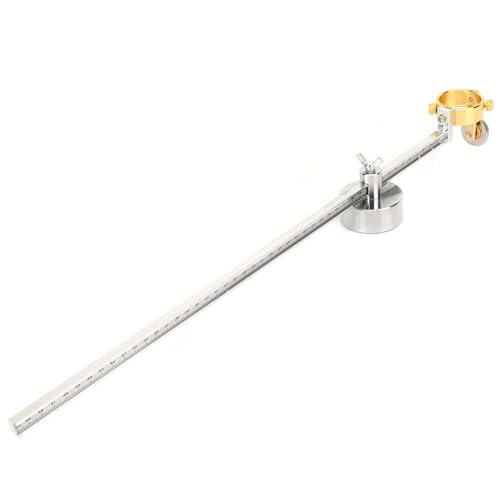
【For P80 Cutting Torch】This compass roller is specifically suitable for the P80 cutting torch. If you own a P80 cutting torch, this roller is the perfect companion. It enhances the performance of the torch and helps you achieve better cutting results

Richard Finch, Welder's Handbook: A Complete Guide to MIG, TIG, Arc & Oxyacetylene Welding, "Completely Revised and Updated Edition!" paperback
Frequently Asked Questions
Can I Attend Welding School Part-Time While Working Full-Time?
Yes. Many programs offer flexible scheduling for working students. You’ll keep a steady income while building skills gradually, but you’ll need strong time management and realistic pacing to stay on track.
Are There Age Restrictions for Enrolling in Welding Programs?
Most programs have no strict upper age limit. You’ll typically need a high school diploma or equivalent, a valid ID, and sometimes parental consent if you’re under 18.
Do Welding Schools Offer Evening or Weekend Classes?
Yes. Many welding schools schedule evening and weekend classes so students can work while training. Part-time cohorts and hands-on labs outside daytime hours are common at both trade schools and community colleges.
Will Previous Metalworking Experience Allow Me to Skip Courses?
Often, yes. If your existing skills match program outcomes, many schools offer course exemptions after an assessment or challenge exam. Contact the school directly, bring documentation or a portfolio, and be ready for both practical and written competency tests.
Can I Transfer Credits Between Different Welding Schools?
It depends on each school’s credit transfer policies and how they evaluate program equivalency. Get course syllabi, contact admissions early, and request a formal evaluation to confirm which credits they’ll accept.
Conclusion
Choosing the right welding program comes down to matching costs, credential value, and your career goals. Factor in tuition, gear, living costs, and certification fees, then weigh those against available financial aid and expected wages. Prioritize hands-on training, solid job placement rates, and industry certifications. That combination is what turns your training investment into steady work and a worthwhile return.
