
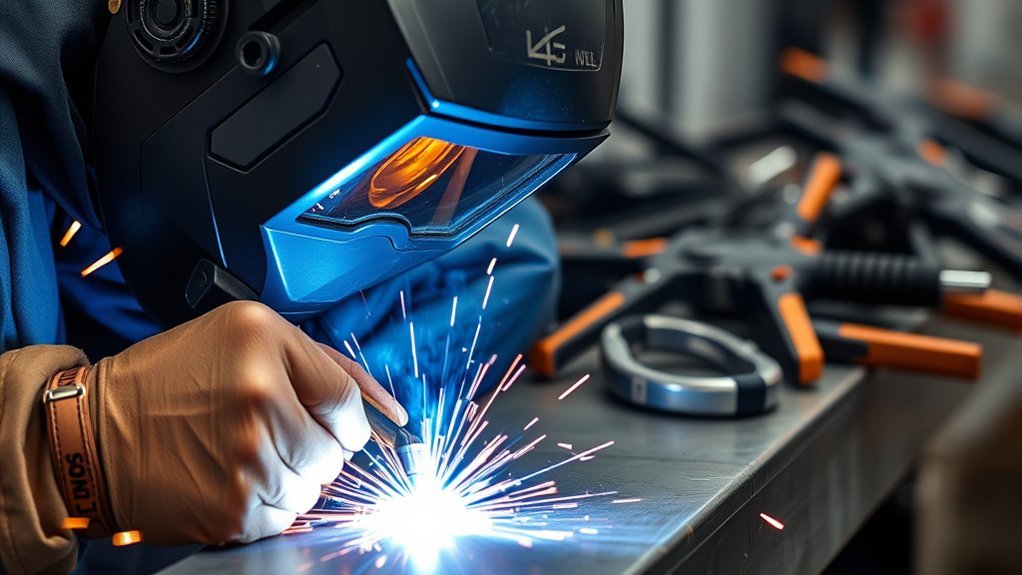
Sill welding costs typically range from £350 to £1,000. It all depends on how much damage there is. The state of the metal, the welding method you choose, and the time the job takes can all change the final bill. For a full inner and outer sill replacement on both sides, most people pay around £700. Going to a professional keeps the car’s structure strong and makes the repair last. There’s still plenty more to think about before you book the work.
Quick Answer
Sill welding usually costs between £350 and £1,000 in the UK. Full inner and outer replacement on both sides comes in at around £700.
- Expect roughly £350 per side for inner or outer work.
- Damage level, materials, and welding style affect the price most.
- Professional repairs give you proper strength and safety.
- DIY can save money but only if you have the right skills.
Understanding Sill Welding
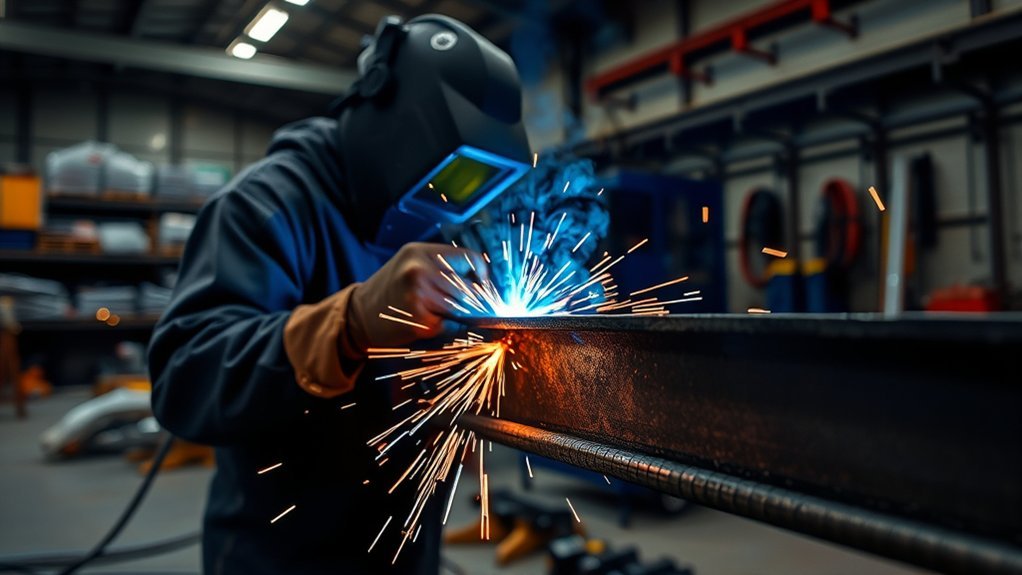
Sill welding is a key part of automotive repair. It fixes the sills – those important structural parts along the bottom of the car that rust easily over time.
Regular checks for rust help you catch problems early and stop them getting worse. When you weld sills, always follow proper safety steps. Wear the right protective gear and work in a well-ventilated space, following guidelines from the Health and Safety Executive.
Professional welders usually go for fully welded joints. These give the strongest result, especially at jacking points where the car needs real strength. Depending on the damage, you might need both inner and outer sills replaced. A good welder will check the metal underneath first to make sure it can take the weld.
Factors Influencing Sill Welding Costs
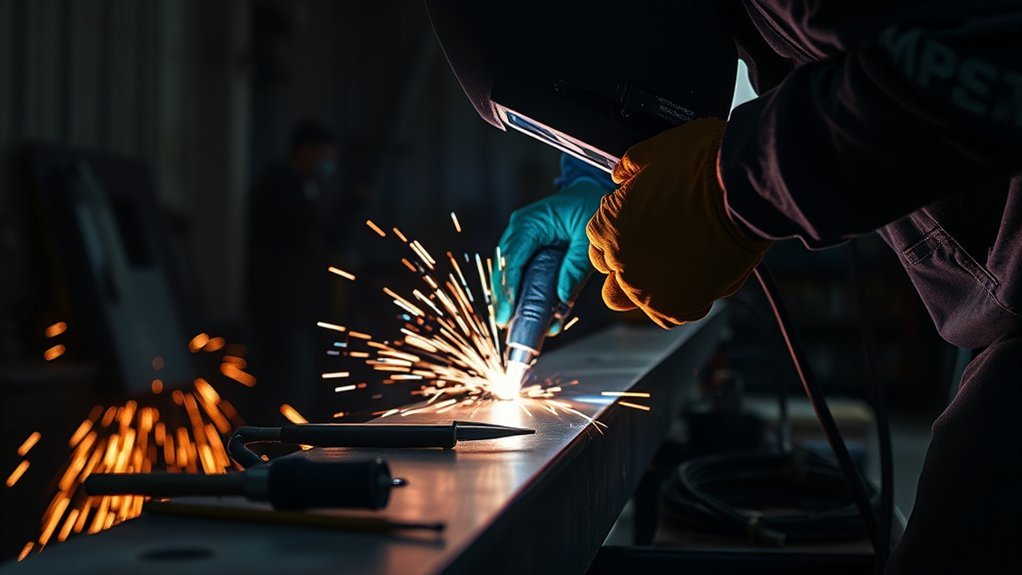
Several things decide the final price of sill welding.
The condition of the sill and nearby metal matters most. Bad metal underneath means extra work and higher costs. The repair method also changes things – starting from scratch usually costs more but gives better results.
The welding process itself plays a part. Continuous welds cost a bit extra but are the right choice for load-bearing areas. Tack welding is quicker and cheaper but not always strong enough. Finally, the time the job takes – often 1 to 2 hours for simple fixes – adds to the bill.
Products Worth Considering

【 material】Filler Neck Cap,Crafted from premium-grade aluminum alloy, this fuel tank cap is exquisitely constructed to withstand and offer unparalleled durability.


J-B Weld Fiberglass Putty is a fiberglass-reinforced, two-component putty system that provides waterproof, durable repairs to cracks up to ½ inch on fiberglass, composites, metal, and concrete.
Estimated Costs for Inner and Outer Sill Replacement
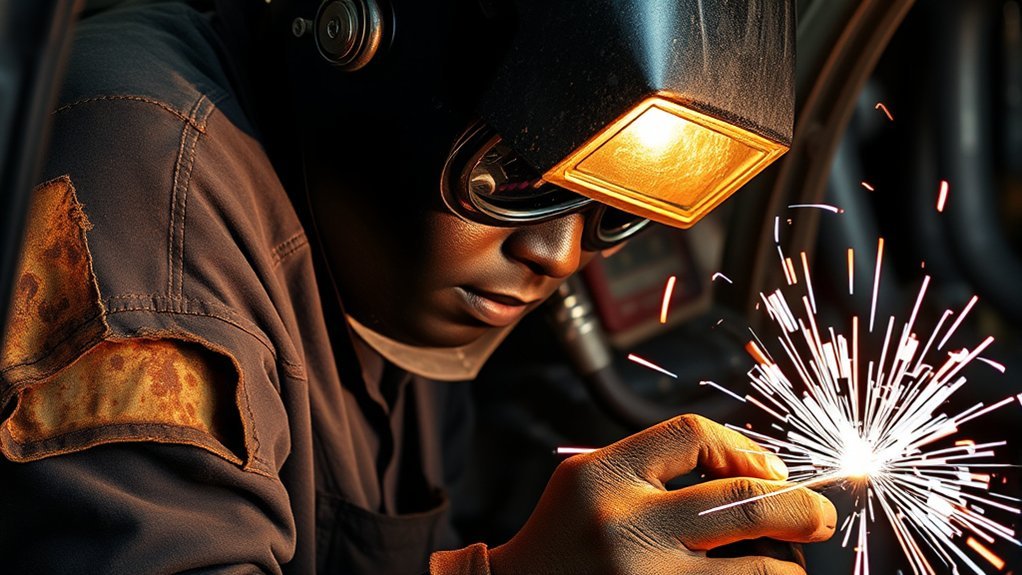
Inner and outer sill replacement normally falls between £700 and £1,000. The exact figure depends on how much damage there is and what extra work is needed.
Many garages charge around £350 per side. That figure usually covers the welding but not parts or paint.
Products Worth Considering

220W Rapid Heating:The plastic welding machine has a power of 220 watts and a 110V-US plug, which has higher output current and faster heating speed. Using heat to embed nails or plastic rods into plastic will not cause damage to the car or plastic surface, and is very sturdy. Not only are there two repair methods to choose from: welding rods and hot nails, but there is also an overheat protection device to ensure your safety

Accessories: The black tool bag contains a 110V-100W plastic welder, Cutting tip M8, a knife, 2 hot smoothing tips-M6, 38 multi-type welding rods and 800 plastic welding staples (200 flat, 200 wavy, 200 M-type and 200 V-type)

Multipurpose Fit: Repairs at least 98% of the plastics on the market. Suitable for repairing: bumper, dashboard, lamp holder, plastic ring, radiator, spoiler, handles, headlights, plastic wings, car and motorcycle plastic device, etc
Cost Breakdown Overview
Here’s a clear look at the typical costs:
| Cost Components | Estimated Costs |
|---|---|
| Inner Sill Replacement | £350 per side |
| Outer Sill Replacement | £350 per side |
| Both Sills Replacement | Starting at £700 |
| Multiple Areas Repair | Around £600 |
| Labor Costs (Preparation) | Variable |
Good maintenance and quick action on small problems can keep costs down. Check your sills regularly so you avoid bigger bills later.
Factors Influencing Prices
Prices for inner and outer sill work sit between £700 and £1,000 in most cases. The type of sill and how much rust or damage there is make the biggest difference.
Professionals often quote £350 per side for the welding itself. Add parts and paint on top. If several areas need fixing at once, some owners have paid around £600 total. Preparation work like removing the old metal can save money, but many welders prefer to handle everything themselves.
Continuous welds give the best strength and cost a little more than simple tacks. Think about these details before you choose a repair method.
Professional vs. DIY Sill Welding
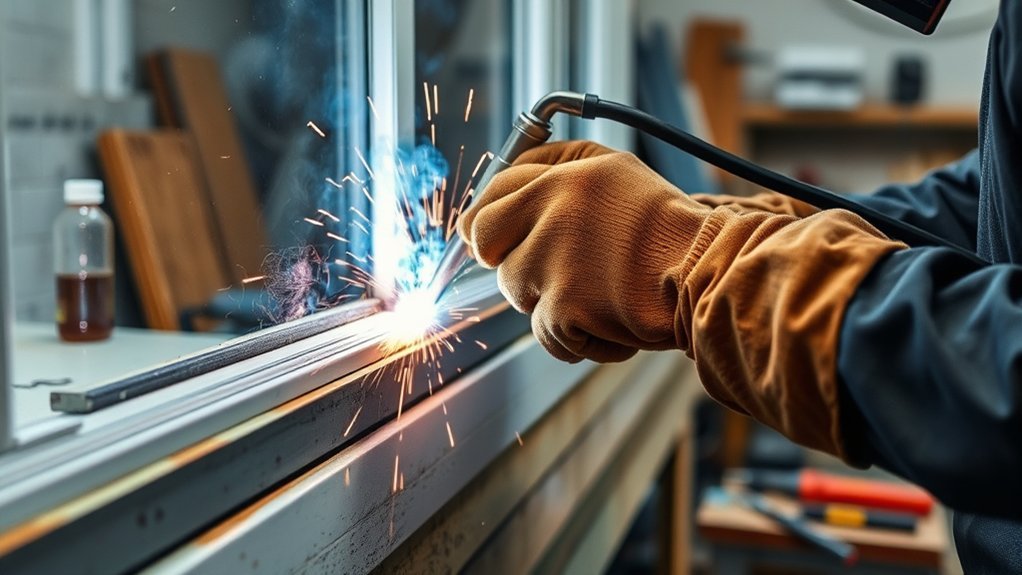
Both professional and DIY sill welding have pros and cons. Here’s how they compare:
| Aspect | Professional Sill Welding | DIY Sill Welding |
|---|---|---|
| Cost | £350 per side, up to £700 total | Potentially lower, skill-dependent |
| Skill Requirement | Experienced welders | Learning required, e.g., MIG |
| Quality Assurance | High, ensuring structural integrity | Variable, risk of improper welds |
| Personal Satisfaction | Less involvement | High, sense of achievement |
Professionals use the right techniques and deliver work that lasts. DIY can cut costs and feel rewarding, but you need solid MIG skills and a good understanding of safety.
Products Worth Considering

Crafted with precision, our steel plates are laser-cut, offering unparalleled edge smoothness and dimensional accuracy compared to stamped and sheared parts.

MULTI PROCESS: Experience the convenience of a high-quality, budget-friendly 3-in-1 welding machine that masterfully handles Gasless Flux Core MIG/Stick/Lift TIG(additional 10-25 lift TIG torch required). This unit caters to a wide range of welding applications and meets your various welding needs.

DIY Kit: try your hand at welding with this comprehensive welding flower kit that can create a vase and two flowers, ignite your passion for welding, and embark on an ideal journey of artistic expression
Importance of Structural Integrity in Sill Repairs
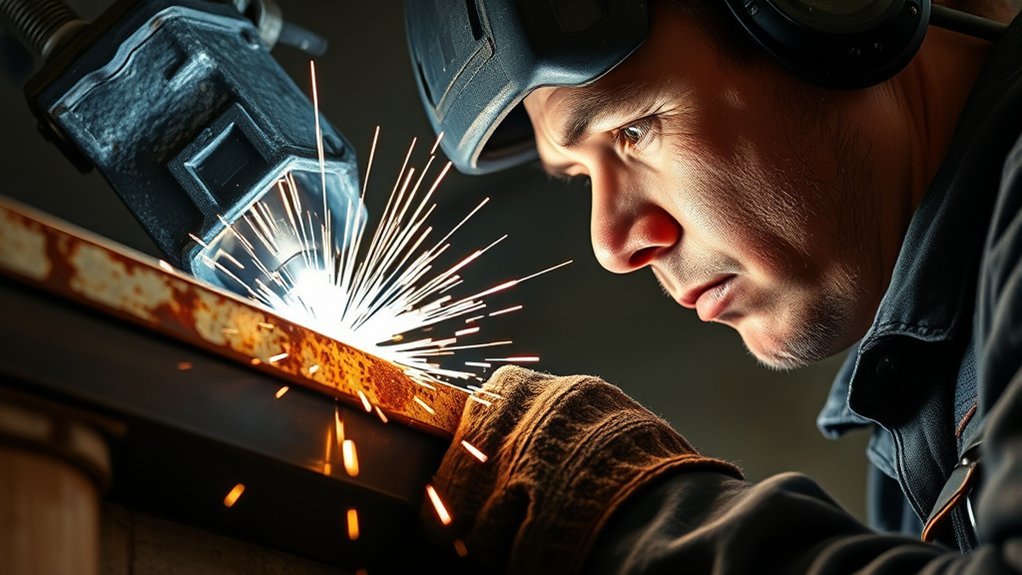
Sills are vital for holding the car’s body together. They affect how the vehicle handles and stays safe on the road.
Continuous welds beat tacked sections every time because they spread stress better and resist rust longer. Always check the surrounding metal before you start. Weak metal can ruin even a good weld.
Role of Sills
Sills form part of the main chassis and give the car its rigidity. They also act as jacking points, so they have to be strong.
When they rust or get damaged, handling and safety suffer. Proper repairs matter. Professionals always assess the whole area and use the right method so the car stays safe for years.
Welding Techniques Comparison
Good welding technique makes all the difference to how long the repair lasts and how safe the car stays.
Consider these key factors:
- Continuous Welds: Best for structural areas. They create the strongest bond and fight corrosion well.
- Fully Welded Joints: Stronger than spot welding and the preferred choice for sill work.
- Material Assessment: Check the metal underneath first. Weak or rusty sections can make any repair fail.
These approaches keep the car’s strength exactly where it needs to be. You can see real examples in detailed sill replacement guides.
Long-term Repair Considerations
A quick patch might seem cheaper, but it often leads to bigger problems later. Full replacement with continuous welds gives the best chance of a lasting fix.
Always add rust protection during the job. Professionals usually recommend complete new sections instead of patches, especially on load-bearing areas. Yes, it costs more upfront, but you avoid repeat repairs down the line.
Community Insights on Sill Welding Experiences
Real stories from owners and mechanics can help you plan better.
Here are three common points that keep coming up:
- Cost Variability: Most people report £350 to £700 depending on how much work is needed.
- Professional Preferences: Many welders prefer a clean new job over patching old metal.
- DIY Benefits: Learning MIG welding saves money and gives a real sense of achievement when it turns out well.
These experiences show why it pays to think carefully before you start.
Frequently Asked Questions
How Long Does the Sill Welding Process Usually Take?
Most jobs take a few hours. Simple patches are quicker, while full replacements need more time. Safety always comes first, so don’t rush.
Can I Drive My Car During the Welding Process?
No. The car must stay still while welding is happening. Moving it is unsafe for you and the person doing the work.
What Materials Are Commonly Used for Sill Repairs?
Mild steel or galvanised panels are the usual choice because they match the original car. Some newer models use aluminium. MIG or TIG welding gives the strongest, most rust-resistant join.
Are There Any Warranties on Sill Welding Services?
Most proper garages offer a warranty on workmanship and materials. Ask exactly what it covers and how long it lasts before you agree to the job.
How Can I Prevent Future Sill Damage?
Check the sills every few months and fix small rust spots straight away. A good protective coating helps keep moisture out and stops corrosion starting.
Conclusion
Getting to grips with sill welding costs helps you look after your car properly. Prices vary with the damage and where you live, but paying for proper professional work is usually the smartest move. Skip the repair and you risk serious safety problems later. Weigh up your options, talk to a few garages, and you’ll end up with a car that’s safe and solid for years to come.
