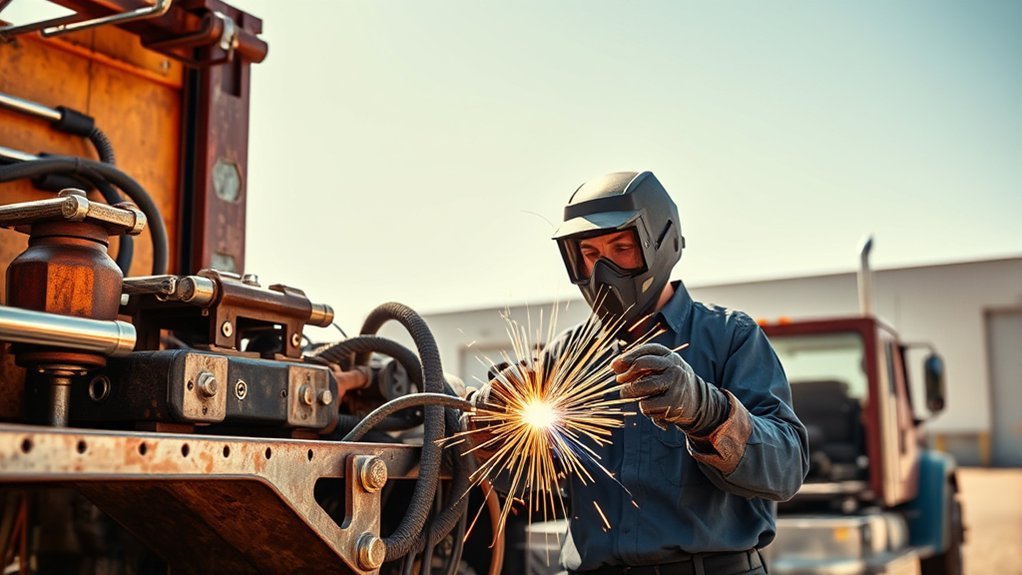
Mobile welding cost is commonly quoted at about $100 to $125 per hour, compared with roughly $80 to $105 per hour in a shop. The extra covers travel, a fully equipped truck and on-site setup. Treat these as commonly cited planning figures, not fixed prices: rates vary by region, metal, job type and urgency, and many mobile welders add a service-call fee or minimum charge on top of the hourly rate.
Quick Answer
- Typical hourly range: about $100 to $125 for mobile welding and $80 to $105 for shop welding in commonly cited estimates. Specialized or urgent work can cost more.
- Extra charges: expect a service call, travel or mileage fee and sometimes after-hours pricing. Amounts vary by company, so ask before booking.
- Materials: wire, gas, rods, grinding discs and metal are often billed separately or built into the quote.
- Metal type: mild steel is usually the cheapest to weld. Stainless steel and aluminum often take more skill, prep and time, so labor costs more.
- Best way to save: send clear photos and measurements, bundle several small repairs into one visit and compare written quotes.
Mobile Welding Cost: Hourly Rates
Mobile welders usually charge more per hour than a fixed shop because they bring the machine, gas, tools and generator to you and cover travel time and vehicle costs. Published guides such as Angi and Thumbtack show that national averages and ranges differ by source, which is a good reason to treat any single figure as a starting point.
Very low advertised rates can reflect an uninsured or uncertified welder, or a quote that leaves out travel and materials. Ask what the rate includes, how time is billed and whether you will be charged for setup and cleanup.
Factors Affecting Mobile Welding Cost
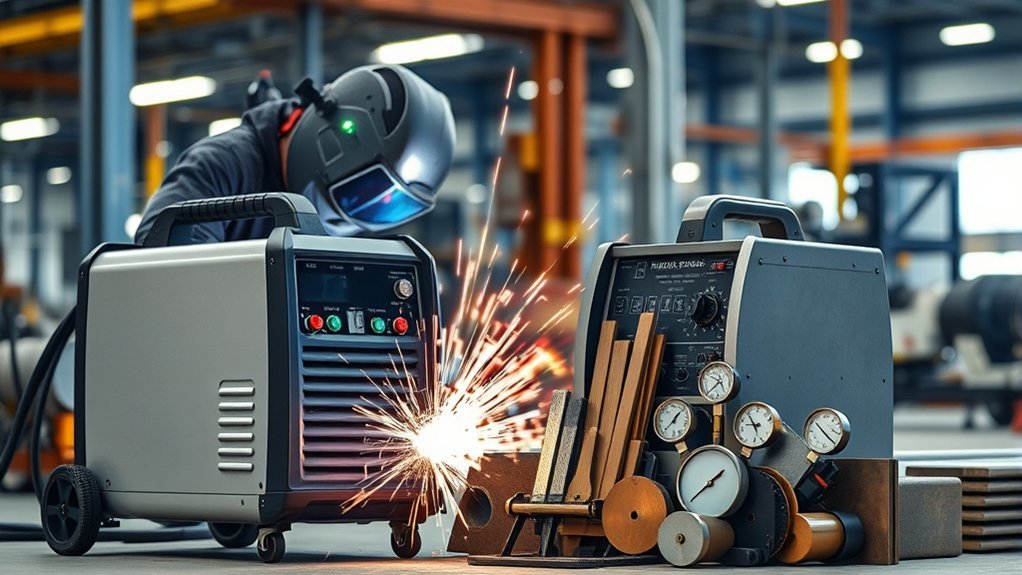
The final price depends on more than the hourly rate. These factors change the bill most:
- Material: steel, stainless steel and aluminum need different filler, gas and technique.
- Job complexity: cracks, thin metal, tight access and out-of-position welds take longer.
- Welding process: MIG is common for steel, while TIG is slower and often used for stainless steel and aluminum.
- Location and travel: longer distances mean more travel time and mileage.
- Timing: emergency, evening and weekend work often costs more.
- Preparation: removing paint, rust or coatings adds time before welding can start.
Materials and Supplies
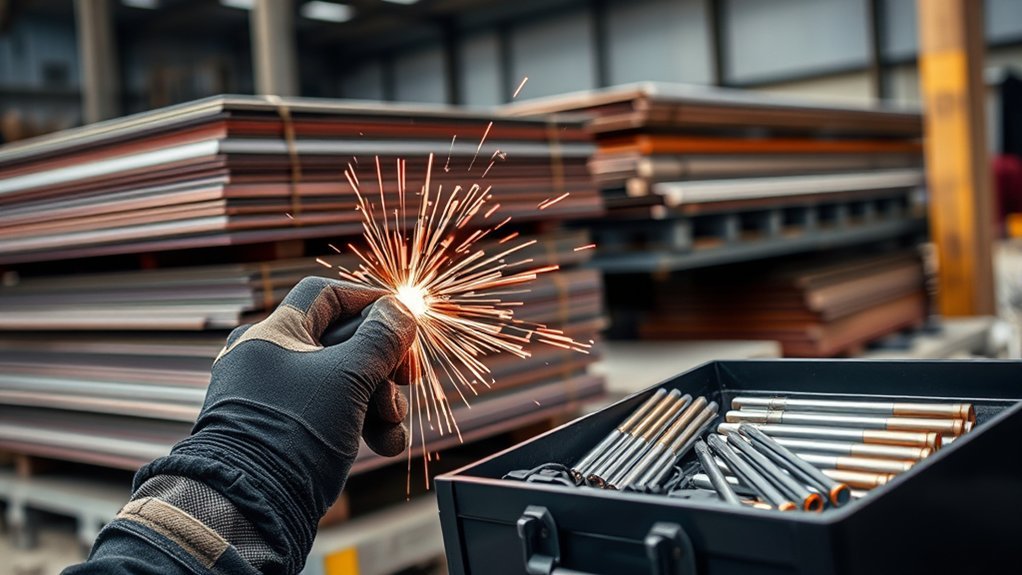
Materials can be billed at cost, marked up or included in the quote. Typical items include welding wire or rods, shielding gas or flux, cutting and grinding discs, and the metal itself, such as plate, tube or brackets. Ask whether you can supply your own metal, and confirm that it is the right grade for the job.
Prices for wire, gas and steel change with the market and the supplier, so ask the welder for the unit price or a fixed materials allowance rather than relying on a generic figure.
Type of Metal and Its Costs
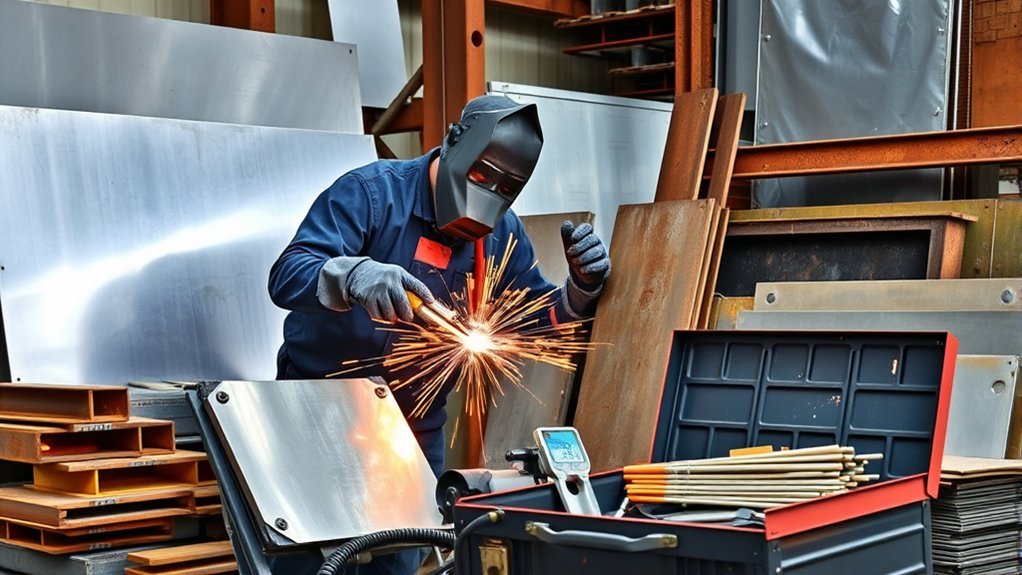
| Metal | Typical effect on cost | Why |
|---|---|---|
| Mild steel | Usually the lowest | Easy to weld and widely available; MIG or stick is common |
| Stainless steel | Usually higher | Needs cleaner prep, suitable filler and careful heat control to avoid warping and discoloration |
| Aluminum | Usually higher | Oxide layer and high heat conductivity require TIG or spool-gun MIG and more experience |
| Cast iron or unknown alloys | Varies, can be high | May need preheating, special rods or a repair method that suits the alloy |
The size of the premium depends on the welder and the job, so ask for a written quote based on photos of the actual piece.
Small Job and Repair Pricing
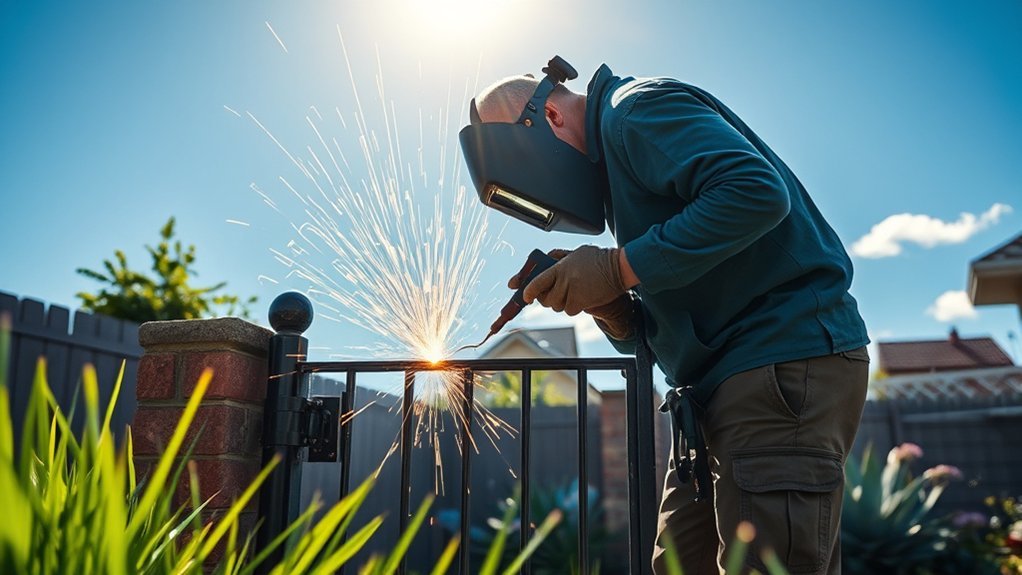
Small repairs are often priced with a minimum charge or service-call fee because the welder still has to travel, set up and clean up. The amount differs from company to company and by region. Ask these questions before booking:
- Is there a minimum charge, and how much labor does it include?
- Is there a separate travel or mileage fee, and where does it start?
- Are materials, gas and consumables included?
- Is the quote fixed, or billed by time?
- Are after-hours or emergency rates different?
Bundling several small jobs into one visit spreads the fixed costs and usually lowers your cost per repair. For general job pricing, see our small welding job cost guide and guide to mobile welder rates and fees.
Tips for Hiring a Welder
- Request written estimates from at least two or three welders and compare the same scope.
- Send photos, measurements and the metal type, if you know it, so the quote is accurate.
- Ask about relevant certifications, experience with your metal and liability insurance.
- Confirm who supplies materials and what warranty or guarantee applies, in writing.
- For structural, pressure or safety-critical work, ask which code or procedure the welder will follow.
For hourly benchmarks across the industry, read our guides to welding cost per hour and how much welding should cost.
Regional Variations in Welding Costs
Rates tend to be higher in areas with high labor costs and strong demand, and lower in some rural areas. Travel distance matters too, since remote job sites add drive time. Check local quotes rather than relying on a national average.
Safety and Hot Work
Welding creates sparks, fumes and fire risk. A professional mobile welder should assess the site, protect or remove combustible materials and keep fire protection nearby. Do not allow welding on containers that held fuel or chemicals unless they have been properly cleaned and prepared. OSHA outlines fire-prevention requirements in 29 CFR 1910.252.
Frequently Asked Questions
Do mobile welders offer warranties on their work?
Some do, but terms differ between companies. Ask for the warranty or guarantee in writing, including what it covers, how long it lasts and what voids it.
Can I provide my own materials for a welding job?
Often yes, but confirm with the welder first. Some will not warrant work done on customer-supplied metal, and the metal must be the correct grade for the repair.
How far in advance should I schedule a mobile welder?
It depends on the welder and the season. Book as early as you can for planned work, and ask about availability and any rush or after-hours charges for urgent repairs.
Are there additional charges for emergency or after-hours service?
Many mobile welders charge higher rates for emergency, evening or weekend work. Ask for the premium, and when it starts, before agreeing to the job.
What affects mobile welding cost the most?
Labor time is usually the biggest part of the bill, followed by travel, materials and the type of metal. Complex or hard-to-reach repairs take longer and cost more.
Conclusion
Mobile welding cost usually runs higher per hour than shop work because of travel and on-site setup. Use commonly cited ranges as a guide, then get written quotes that show hourly rate, minimums, travel and materials. Clear photos and a well-defined scope help you get a fair price.