
Updated on February 26, 2026
If you buy 75/25 argon/CO2 from Linde, you’ll want to know actual costs by cylinder size, refill option, and local market. Prices can vary more than you expect. I’ll walk you through typical 125–300 cu ft pricing, exchange versus refill economics, and how to calculate your annual gas spend. This helps you compare suppliers and avoid surprises. Ready to see which option saves you the most?
Quick Answer: In 2025, a typical Linde 75/25 Argon/CO2 refill costs between $115 and $130 for a standard 125 cu ft cylinder. Smaller 40 cu ft tanks refill for roughly $60–$70, while large 300 cu ft exchange cylinders (often leased) range from $90 to $120 per swap depending on regional supply.
Key takeaways
- Blend Benefits: 75/25 minimizes distortion on thin gauges. It ensures reliable penetration on thicker joints.
- Refill vs. Exchange: Exchange programs save you hydrostatic testing fees and maintenance. Refill costs might be slightly lower on customer-owned tanks.
- Cost Strategy: Sticker prices are misleading. Calculate annual cost by factoring in refill cadence, tank rental fees, and regional hazmat charges.
Common Uses for 75/25 Argon/CO2 in Welding
While welding mild steel, you get a stable arc and deep penetration from the 75/25 Argon/CO2 mix. It lets you control bead shape and heat input precisely.
You use this gas mixture for consistent, low-spatter results in sheet metal assembly, automotive body repair, and light fabrication.
The blend minimizes distortion on thin gauges. It delivers higher penetration on thicker joints. You can adjust travel speed and wire feed without losing weld quality.
On certain stainless steels or when shifting between panel work and structural tack-ups, this mix gives predictable fusion and easy cleanup.
Plan your parameters around its thermal balance. Reduce voltage slightly on thin material. Increase wire feed for thicker sections.
In shop settings where finish and efficiency matter, gas mixtures like 75/25 simplify setup. They shorten grinding time and improve first-pass acceptability.
Typical Cylinder Sizes and Price Ranges
Now that you know why 75/25 Argon/CO2 works well for many shop jobs, match it to the right cylinder size. This keeps costs and downtime under control. Linde offers common cylinder sizes. They affect cost per cubic foot differently. Plan around your weld volume and storage capacity.
| Cylinder Size | Typical Use | Price Range (Refill) |
|---|---|---|
| 40 cu ft | Light/occasional shop work | $60–$70 |
| 125 cu ft | Regular daily use | ≈ $116 |
| 300 cu ft | High-volume shops | ≈ $96 (Argon refill example) |
Compare local suppliers. Regional supply and demand shift these price ranges. Smaller cylinders cost less up front. But they raise unit costs if you refill often. Larger cylinders lower per-unit cost and reduce downtime. You need space and handling capacity for them. Choose sizes that balance working hours, storage, and cash flow.
Products Worth Considering

All HP cylinders come with a 10 year hydrotest date stamped.

CGA580 Inlet Connection: Welding gas regulators connects easily to argon and Co2 tanks, note that a CGA-320 adapter is required for use with Co2 cylinders. This product comes standard with the CGA-580 connector only

【Argon Hose Material & Fittings】50FT Argon hose designed for inert gas welding hose systems, compatible with Miller/Lincoln TIG/MIG welders and argon/CO2/Helium mixtures. Fits standard welding gas hose regulators, flow meters, and welding accessories, ensuring seamless integration with argon regulator setups
How Refill Costs and Exchange Programs Work

Refill and exchange options change your per-weld cost and maintenance burden. Compare them closely before committing. This matters if you use a lot of gas or manage multiple bottles.
Refill pricing differs right away. Linde typically charges more to refill non-exchange cylinders. A recent 125 CF 75/25 refill was around $116.19. This shows how refill fees can climb.
An exchange program has clear benefits. You avoid hydrostatic test costs. Supplier-maintained bottles arrive certified and ready.
Weigh the savings against access limits. Exchange tanks may require designated refill locations. This affects logistics and downtime. Ask local Linde reps about exact refill pricing, exchange policies, and any handling or transport fees.
If you run high throughput or manage many bottles, exchange often lowers per-weld costs and administrative load. If you need flexibility or specific fittings, non-exchange refills might still make sense.
Products Worth Considering
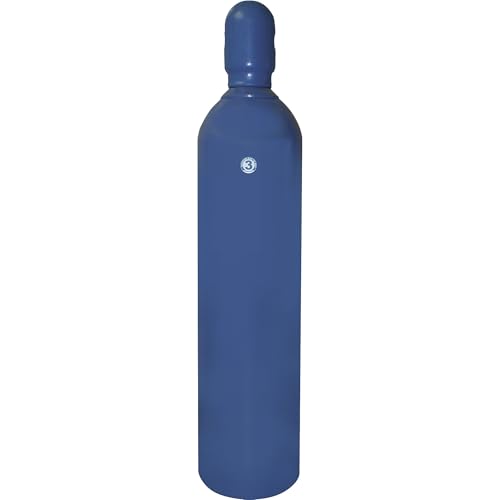
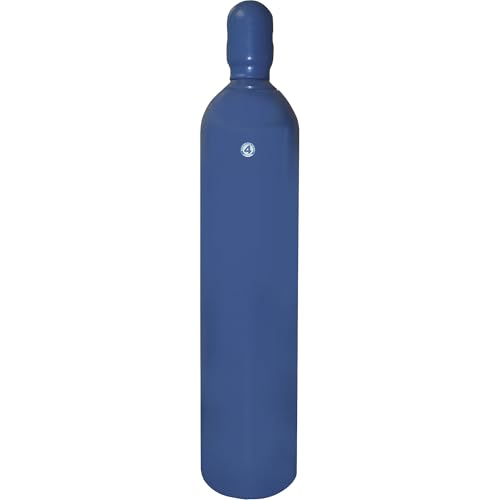

TESTED AND CERTIFIED: Certification/hydro test within 12 months and DOT Approved
Regional Price Variations and Recent Quotes

Regional market swings can cut or raise your welding gas bill by dozens of dollars per cylinder. Check local quotes before you commit to a supplier or program. Linde quotes near $120 for a 300 cf 75/25 cylinder refill. But nearby markets differ sharply. In East Tennessee, a 300 cf Argon price was $72. Airgas quoted Argon at $73 and C25 at $78. Members in Michigan noted a 330 cf Argon as low as $54 plus hazmat. Those variations matter when you optimize welding techniques, scheduling, and gas storage to reduce run-time costs.
| Location | Recent Quote |
|---|---|
| Linde (various) | $120 (300 cf refill) |
| East Tennessee | $72 (300 cf Argon) |
| Airgas | $73 Argon / $78 C25 |
| Michigan (member) | $54 + hazmat (330 cf Argon) |
| Note | Check local supply and demand |
Use these quotes tactically. Compare exchange vs refill. Verify hazmat fees. Lock short-term contracts when regional supply tightens.
Calculating Your Real Annual Gas Cost
Those price snapshots show why you can’t treat sticker prices as the whole story. You need a firm grasp of refill cadence, tank sizes, and one-time purchases to see the true expense.
Itemize initial tank purchase separately from recurring refills. A 125 CF filled at about $116.19 (up from historical $63.11) creates a baseline. Then factor refill frequency. Quarterly refills yield roughly $280 a year after that first purchase.
Compare per-refill economics. 40 CF at ~$60. 80 CF at ~$70. 125 CF at a higher single cost. Larger cylinders can be more cost-effective over time. Include regional supplier variation, Linde vs Airgas, in your cost analysis. Run simple annualized comparisons to pick the best tank size and refill cadence.
How Long a Cylinder Lasts at Different Flow Rates
Match tank capacity to your typical flow rate. You get a reliable estimate of run time. This lets you plan refills instead of reacting to downtime.
Calculate cylinder duration by dividing tank volume by your chosen flow rate. An 80 CF tank at 10 CFH gives about 8 hours. The same tank at 40 CFH runs roughly 2 hours. Flow rates commonly span 10–40 CFH. Map run times for each job. Schedule work around real cylinder duration.
Use the pressure gauge to refine estimates. A full tank reads about 2015 psi. A half-spent tank is near 1000 psi. Remember, psi-to-volume isn’t perfectly linear. Temperature and regulator settings matter. Track average flow rate per project. Keep a simple reference table so you’re never guessing remaining weld time.
Tips for Buying, Leasing, and Refilling Safely
Handle cylinders safely. Secure them upright. Use appropriate regulators and caps. Inspect DOT certification and valves before each use to prevent leaks and guarantee compliance. For detailed guidelines, refer to AWS Safety Standards or your local regulations. Also check OSHA welding safety guidelines.
Weigh the costs of leasing versus buying. Leasing cuts upfront expense. It simplifies refills and exchanges at Linde locations. Buying can be cheaper long-term if you need high-capacity tanks like 300 CF. Plan refill frequency around tank size and local pricing. Ask your Linde rep about exchange programs and regional rates to optimize safety and cost.
Products Worth Considering
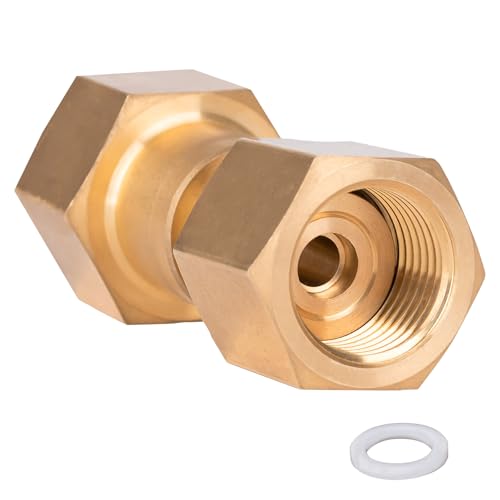
Compatible Design: CGA-320 to CGA-580 adapter designed to connect a CO₂ cylinder to compatible gas regulators, flow meters, or welding equipment. Commonly used in CO₂ or mixed-gas welding setups for MIG and related applications, such as connecting a CO₂ cylinder to an argon regulator
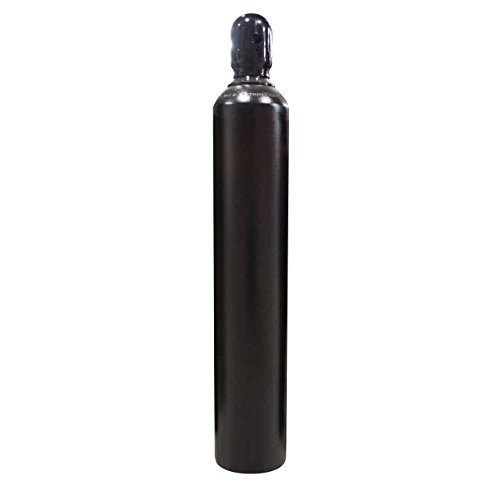
All HP cylinders come with a 10 year hydrotest date stamped.

Adapter Compatibility: Seamlessly connects CGA-320 CO2 bottles to CGA-580 flowmeters
Safe Cylinder Handling
Anyone handling welding gas cylinders should treat them like pressurized tools. Inspect DOT certification and the date stamp to confirm they’re within the 10-year refill window. Check for dents, rust, or valve damage. Plan for secure, upright transport using proper lifting techniques and restraints to prevent tipping or rolling. Perform cylinder inspection systematically. Wear gloves and goggles. Never modify cylinders yourself. Store upright in ventilated areas, away from heat and flammables. When refilling, confirm the supplier follows safety protocols and inspects for corrosion.
| Task | Frequency | Responsibility |
|---|---|---|
| Inspection | Before refill | You/Supplier |
| Transport | Every move | You/Carrier |
| Storage | Daily check | You/Site Manager |
Lease vs. Buy
Your choice affects both cash flow and long-term cost. Weigh leasing against buying with your usage pattern and safety needs in mind. If you need low upfront expense and flexible swaps, leasing benefits include smaller initial outlay and easy exchange programs. Just track ongoing rental fees and refill pricing to avoid surprises. For steady, high-volume work, purchasing considerations favor buying a properly sized tank. Larger volumes like 300 CF lower per-refill costs and reduce downtime. Always compare refill structures between leased and owned cylinders. Confirm local supplier exchange restrictions.
Alternatives to 75/25 and When to Use Them
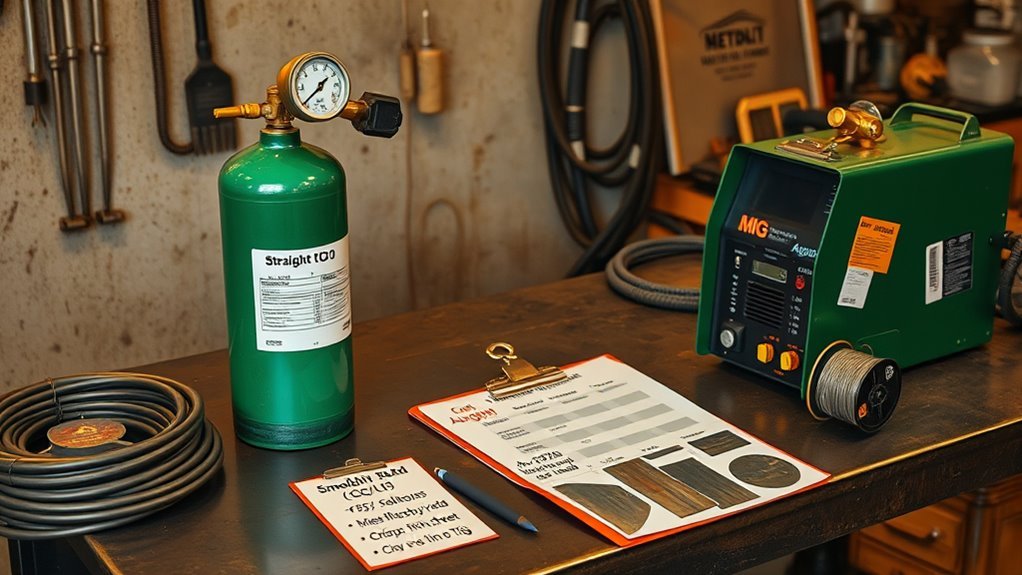
When 75/25 isn’t the right fit, consider flux-cored wire for outdoor MIG work. It avoids gas issues and still gives good fill and deposition. For TIG on aluminum or when you need cleaner, quieter arcs, pure argon gives the control and surface finish you want. For steel or stainless jobs that need tighter arc control or deeper penetration, small oxygen-added blends or argon/helium mixes can be the strategic choice. This depends on thickness and bead profile.
Products Worth Considering

E308LFC-O FLUX CORE WIRE: E308LFC-O is a stainless steel welding wire featuring flu core inside, which is used to stabilize the arc, improve the operating performance and play a protective role.

E308LFC-O FLUX CORE WIRE: E308LFC-O is a stainless steel welding wire featuring flu core inside, which is used to stabilize the arc, improve the operating performance and play a protective role.
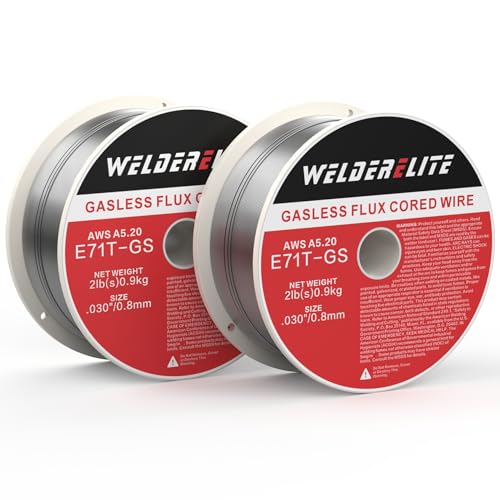
[High-Efficiency Gasless Welding]: WelderElite E71T-GS 0.030'' welding wire is specifically designed for gasless welding, applicable to all positions. It facilitates single or multiple pass welding without the need for shielding gas, ready for use right out of the box, enhancing welding efficiency.
Flux-Cored Alternatives
If you need a reliable alternative to 75/25 MIG welding, especially for outdoor or heavy-duty work, flux-cored wire deserves serious consideration. It eliminates external shielding gas. You keep welding in wind or on thick sections without constantly topping off bottles. Flux cored advantages include self-shielded wires. They give deep penetration on thicker plates. They tolerate drafts that wreck gas-shielded MIG. Expect more spatter but higher deposition rates. You finish joints faster on structural and fabrication work. Learn more about flux-cored welding basics.
Pure Argon Benefits
Switching from flux-cored to gas-shielded processes means thinking about the gas itself. Pure argon offers clear advantages for applications that demand cleaner, more controlled arcs. Choose argon applications like GTAW and plasma cutting when oxidation must be prevented. Aluminum and non-ferrous work benefit most. Pure argon gives a stable, focused arc. It improves welding quality on intricate joints and stainless steel. It reduces porosity and contamination.
Oxygen-Added Blends
Argon-oxygen blends like 80/20 rely on inert carrier gas. The added oxygen gives you a sharper, more stable arc and better heat concentration than a straight 75/25 mix. You see oxygen benefits in improved penetration, reduced spatter, and faster travel speeds. These minimize distortion on thin stainless.
- Use 80/20 for stainless MIG when you need deeper penetration and cleaner beads.
- Choose lower oxygen if toughness or specific mechanical properties are critical.
- Opt for oxygen-added blends to reduce heat input and control warping on thin sections.
- Consult your supplier to confirm compatibility with wire, machine settings, and base metal.
How to Shop Local Suppliers and Compare Linde Quotes

Wondering how to get the best price on Linde 75/25? Call local suppliers. Request quotes for Linde’s 75/25 Argon/CO2 mix. Track regional differences carefully. Pricing strategies vary by territory and vendor.
Start by comparing Linde’s quote. Recent reports put a 125 cu.ft bottle near $116. Compare with competitors like Airgas. Some welders find Linde pricier. Ask each supplier about exchange program policies. Check if you’ll face higher refill charges for non-exchange bottles. Those fees can skew total cost. Discuss supplier relationships candidly. Tell them your usage. Ask about volume discounts. Explore business account terms. These often reveal better rates for frequent users.
Products Worth Considering
All HP cylinders come with a 10 year hydrotest date stamped.

Welding Gas to Your Door - Get PrimeWeld's industrial grade 75 %Argon 25% CO2 gas cylinder delivered right to your door. We offer different mixtures for any application, and you can purchase a tank without worrying about costly rental fees or wasted trips out to your local welding supply shop.

All HP cylinders come with a 10 year hydrotest date stamped.
Frequently Asked Questions
Is 75/25 safe to store in a home garage long-term?
No, you shouldn’t store 75/25 long term in a home garage. You must follow safety precautions: secure cylinders upright, ensure ventilation, keep away from heat or sparks, and inspect valves regularly. For long-term needs, consider professional storage or outdoor cages.
Can I mix leftover gases from different brands safely?
No, do not mix gases. Transfilling cylinders yourself creates high risks of contamination and dangerous reactions, and it typically violates DOT regulations. Always return cylinders to the supplier for proper refilling.
Do welding shops accept partial-cylinder trade-ins?
Yes, many shops accept them, but you rarely get credit for the leftover gas. You pay the full exchange price for the new bottle. Ask about cylinder exchange policies to see if they waive any handling fees.
How does temperature affect cylinder pressure readings?
Gas density changes with temperature. Warmer temperatures raise pressure readings, while cold drops them (e.g., a full tank might read 1800 psi in winter instead of 2015 psi). Allow the tank to reach room temperature for an accurate gauge reading.
Are there special permits for transporting large cylinders?
For personal use, you generally don’t need a permit for limited quantities (usually up to 1000 lbs combined weight). However, commercial transport requires DOT compliance, proper placards, and securement. Always transport cylinders upright with caps on.
Related articles
