
Starting a blog can cost as little as $30 to $250 for initial setup. The exact amount depends on your choices for hosting, domain name, and design. (Prices reflect typical 2025 market ranges as of August 29, 2025.)
Quick Answer
- Domain name: $10–$20 per year
- Web hosting (shared): $2–$20 per month, depending on your plan
- Blog platform: free (WordPress.org, Blogger) or $16–$17/month (Squarespace, Wix)
- Premium theme: free to $100+
- Total starter budget: roughly $30–$250 for your first year
- You can start a blog for free, but a paid setup gives you more control and a professional look.
Starting a blog feels less intimidating with a clear plan. Costs can stay low or climb quickly depending on what you choose. A free platform saves money upfront, but it limits your features and branding.
Securing hosting and a custom domain are the two foundational steps for a professional blog. Getting these right early makes growth much easier down the road.

Choosing between a free or paid WordPress theme also shapes your overall costs. Allocating budget wisely across content, design, and marketing helps attract more readers and opens the door to income.
Quality and consistency are what separate blogs that grow from those that stall out.
Mapping The Blogging Landscape
Blogging has grown from a niche hobby into a serious content channel. Understanding the terrain helps you plan your budget and set realistic expectations from the start.
The Rise Of Blogging
Key elements behind the rise of blogging:
- Accessibility: Anyone with an internet connection can start a blog.
- Hosting and Domain Costs: Basic costs are low and within reach for most people.
- Content Management Systems: Platforms like WordPress are user-friendly.
The Potential For Profit And Influence
Blogs can be more than a hobby. Successful bloggers earn money through ads, sponsored content, and product sales. They also build strong personal and corporate brands that carry real authority in their niche.
How profit and influence work together:
| Profit Avenue | Basics | Influence Factor |
|---|---|---|
| Advertisements | Affiliate links, banner ads | Attracts revenue based on traffic |
| Sponsored Content | Paid posts by brands | Builds credibility in a niche |
| Merchandise & Sales | Online courses, e-books | Establishes authority |
Immediate Costs Of Starting A Blog
Two items make up the bulk of your startup spend: a domain name and web hosting. Understanding these immediate costs upfront helps you set a realistic budget before you commit.
Products Worth Considering



Domain Name Registration Fees

Your domain name is the web address people type to find your blog. Registration fees depend on the provider and the suffix you choose. Common extensions like .com, .net, or .org typically run $10 to $20 per year. Premium or specialty domains can cost significantly more.
Web Hosting Service Expenses
With a domain secured, web hosting is what keeps your blog accessible around the clock. Introductory shared hosting plans start as low as $2 to $5 per month, though typical renewal pricing is usually in the $5 to $20 per month range. Dedicated hosting, which provides better performance through dedicated server resources, commonly starts at $100 per month or more. Pick a plan that matches your blog’s current needs and expected growth.
| Service | Cost Range |
|---|---|
| Domain Name | $10 – $20 / Year |
| Web Hosting (Shared) | $2 – $20 / Month |
| Web Hosting (Dedicated) | $100+ / Month |
- Pick a memorable domain name that fits your budget.
- Compare hosting plans to balance cost with performance.
Platform And Design Investment
Picking a platform and designing your site are two decisions that shape your blog’s future. The right choices give your blog a professional look and can directly affect how well it performs with readers and search engines.
Products Worth Considering


Choosing A Blogging Platform
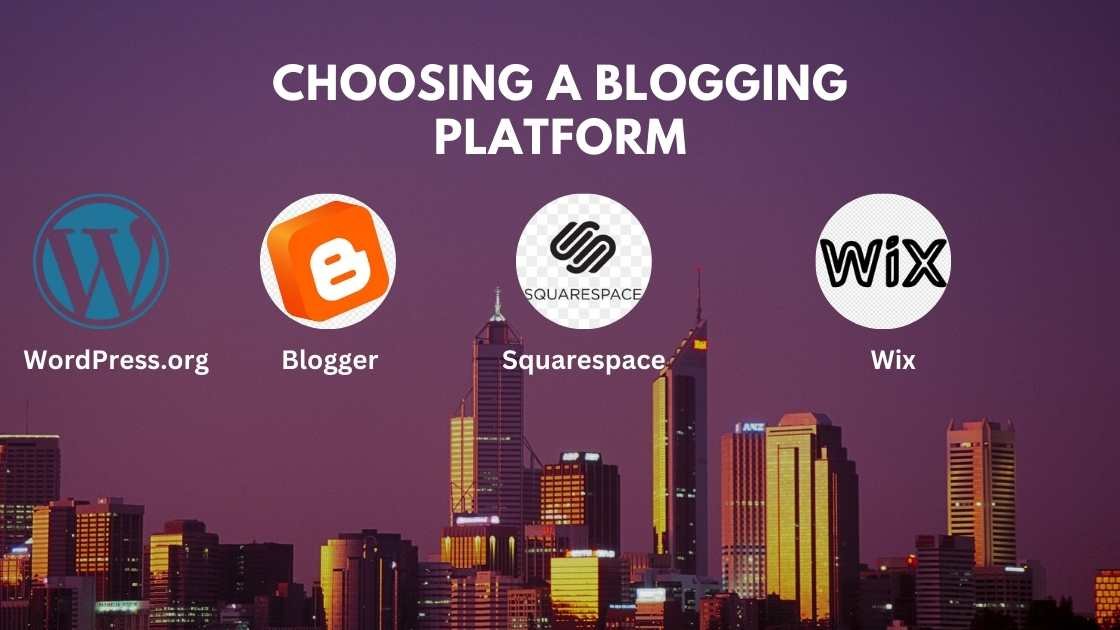
Your blogging platform is the software you use to publish content online. Each option comes with different features and cost structures.
- WordPress.org – Free to use, but you need your own hosting.
- Blogger – A free platform from Google with basic blogging tools.
- Squarespace – Polished, design-forward templates starting at $16/month.
- Wix – Drag-and-drop editing with plans beginning at $17/month.
Themes And Design Customization
Themes set the visual tone for your blog. A good theme makes a strong first impression and helps readers trust your content.
| Platform | Free Themes | Premium Themes |
|---|---|---|
| WordPress.org | Over 3,000 | Starting at $30 |
| Squarespace | Limited selection | Included in plan |
| Wix | Limited selection | Included in plan |
Design customization covers things like your logo, color palette, and page layouts. These tools vary by platform and sometimes require extra investment.
A well-designed blog keeps readers on the page longer. Investing in a premium theme or professional design help is often worth the cost.
Free vs. Paid: Which Route Should You Take?
This is one of the first real decisions new bloggers face. Both paths have tradeoffs worth knowing before you commit.
Free platforms like WordPress.com, Blogger, and Medium let you publish at no cost. They handle hosting and setup for you. The downside: limited customization, platform branding displayed on your site, and no custom domain unless you upgrade to a paid plan.
Paid setups using WordPress.org with your own hosting and domain give you full control. You own the site, choose your design, and can monetize freely from day one. The tradeoff is that setup takes more effort and there are costs from the start.
For most bloggers who want to grow, a paid setup is the better long-term choice. For casual writing or testing an idea, starting free and upgrading later is a practical path.
Products Worth Considering

Content Creation And Management
Good content is what makes readers return. High-quality writing and smart content management are central to a blog’s long-term success. Here is what those typically cost.
Hiring Writers And Editors
Skilled writers produce posts that attract and hold visitors. Quality writing does come at a price:
| Type of Content Creator | Cost Range |
|---|---|
| Freelance Writer | $50 – $300 per post |
| Professional Editor | $30 – $100 per hour |
Rates depend heavily on the writer’s experience level. New bloggers often start with budget-friendly options. As the blog grows, investing in professional writing raises quality and strengthens your reputation.
Investing In Content Marketing Tools
Tools for SEO, analytics, and design help you manage and optimize your content. Common types include:
- SEO Plugins – improve search engine rankings
- Analytics Tools – track blog performance
- Graphic Design Software – create visually appealing posts
Typical price ranges for each:
- Free to $100+/month for SEO Plugins
- Free to $200+/month for Analytics Tools
- $20 to $50+/month for Graphic Design Software
Pro tip: Start with free versions and upgrade as your blog grows. This keeps early costs low. Once revenue comes in, paying for advanced features makes much more sense.
Marketing And Growth Strategies
Advertising And Promotion Costs

Paid advertising is a direct way to increase visibility quickly. Costs vary by platform and campaign goals:
- Pay-Per-Click (PPC): You pay for each click or impression your ads receive.
- Social Media: Platforms like Facebook and Instagram offer paid promotional tools.
- Influencer Partnerships: Collaborating with influencers can expand your reach fast.
| Medium | Average Cost |
|---|---|
| Google Ads | Varies by industry — 2025 benchmarks show roughly $2.69 per search click up to $5.26 average CPC across categories. |
| Facebook Ads | Typical ranges around $0.50 – $2 per click; industry-average benchmarks in 2025 show about $1.72 per click. |
| Influencer Marketing | $10 – $10,000 per post |
Plan budgets around these channels based on your specific goals.
Seo And Outreach Initiatives
SEO and outreach are the foundation of organic growth.
SEO means optimizing your content to rank higher in search results. It can be done at no cost, but it takes significant time. Many bloggers eventually hire an SEO consultant to speed up results.
- Keyword Research Tools: Essential for finding the right terms to target.
- Content Creation: Quality content drives organic traffic.
- Link Building: Vital for establishing domain authority.
Outreach means connecting with other bloggers and websites to promote your content:
- Reach out to websites for guest posting opportunities.
- Use social media to network with peers and potential readers.
- Engage in online communities related to your blog’s topic.
Both SEO and outreach compound over time. Work done today pays off in growth months from now.
Ongoing Operational Expenses
After launch, running costs keep your blog healthy and secure. These regular expenses are easy to overlook, but budgeting for them avoids unpleasant surprises.
Regular Maintenance And Updates
A blog needs regular attention to stay fast, secure, and relevant:
- Content updates keep readers coming back.
- Plugin updates protect the blog from security threats.
- These adjustments reflect your brand’s evolution.
- SEO tweaks increase visibility and attract new visitors.
Costs vary based on how often you update and which tools you rely on.
Renewal Fees And Hidden Costs
Each year, budget for renewal fees on your domain and hosting:
| Expense Type | Typical Cost Range |
|---|---|
| Domain Name | $10 – $30 |
| Hosting Plan | $40 – $300 |
Also watch out for these hidden costs:
- SSL certificates for secure connections.
- Backup services to protect your content.
- Premium themes or plugins for extra features.
Revenue Streams To Offset Costs

A blog can pay for itself, and eventually much more. Knowing your monetization options from the start helps you cover costs sooner and plan for profit.
Monetizing Your Blog
Several methods work well for generating steady blog income:
- Advertising: Place ads on your site and earn per click or view. Google AdSense is one of the most common starting points for new bloggers.
- Affiliate marketing: Earn commissions by promoting products or services.
- Digital products: Sell eBooks or courses and keep 100% of the revenue.
- Memberships: Create exclusive content for paying members.
- Sponsored content: Get paid for posts that feature a brand’s message.
- Consulting services: Use your blog to attract clients for one-on-one work.
Balancing Investments And Returns
Spending smart early on keeps your blog from losing money before it earns any. Here is a simple cost overview:
| Expense | Cost |
|---|---|
| Domain Name | $10 – $15 / Year |
| Hosting | $40 – $300 / Year |
| Theme Design | Free – $100+ |
| Plugins and Tools | Varies |
Track all income and expenses from day one. Focus on revenue strategies with a clear return. Grow steadily without overextending your budget.
Frequently Asked Questions Of How Much Does It Cost To Start A Blog
Does It Cost Money To Start A Blog?
Starting a blog can be free using platforms like WordPress.com or Blogger. Costs come in if you choose premium themes, paid hosting, or a custom domain name.
Can You Start A Blog With No Money?
Yes. Free platforms like WordPress.com and Blogger let you launch a blog at no cost. Pick a free template and start publishing content right away.
Can I Start A Blog Completely Free?
Yes. WordPress.com, Blogger, and Medium all offer free plans that let you launch a blog with no upfront payment required.
Is It Still Profitable To Start A Blog?
Blogging can be profitable when you consistently publish valuable content, target a specific audience, and monetize through advertising, affiliate marketing, or your own products.
Conclusion
Blog startup costs range from nearly nothing to a few hundred dollars, depending on your goals and the tools you choose. The key is budgeting smartly and picking services that fit where you are right now, not where you hope to be in two years.
A great blog combines passion with practical spending. Happy blogging!

4 thoughts on “How Much Does It Cost to Start a Blog in 2025?”
Pingback: How Much Does It Cost To Install Solar Panels? Expert Tips
Pingback: How Much Does A Student Loan Lawyer Cost : Expert Guideline
Pingback: How Much Does A Qdro Lawyer Cost? Professional Guideline
Pingback: How Much Does It Cost To Repair An External Ssd?