

Opening a coffee house can require a substantial investment, but there is no single price that fits every business. For many independent U.S. coffee shops, a practical planning range is roughly $80,000 to $300,000+. A small kiosk or already-equipped space may cost less, while a large café, drive-thru, or major buildout can cost much more.
Quick Answer
Plan on roughly $80,000–$300,000+ to open many independent U.S. coffee houses. Your actual total depends on the location, condition of the space, construction, espresso equipment, furniture, permits, staffing, opening inventory, marketing, and the cash reserve needed to cover expenses while sales are still growing.
Key Takeaways
- $80,000–$300,000+ is a useful planning range, not a guaranteed national average.
- Construction and lease-related costs can change the budget more than almost any other category.
- Do not budget only for opening day. Include several months of operating cash for rent, payroll, utilities, inventory, repairs, and marketing.
- Local wages, permits, taxes, health rules, accessibility requirements, and rent must be researched for the exact city and property.
- Calculate break-even sales before signing a lease or committing to expensive equipment.
Startup money pays for much more than coffee beans and an espresso machine. A typical budget can include a lease deposit, renovations, plumbing and electrical work, equipment, furniture, permits, insurance, technology, inventory, payroll, training, professional services, marketing, and working capital.
The U.S. Small Business Administration recommends separating startup expenses into one-time and ongoing costs so you can estimate how much capital the business needs before it becomes self-supporting. Its startup-cost guidance specifically includes space, equipment, utilities, licenses, insurance, professional services, inventory, employee salaries, and advertising.
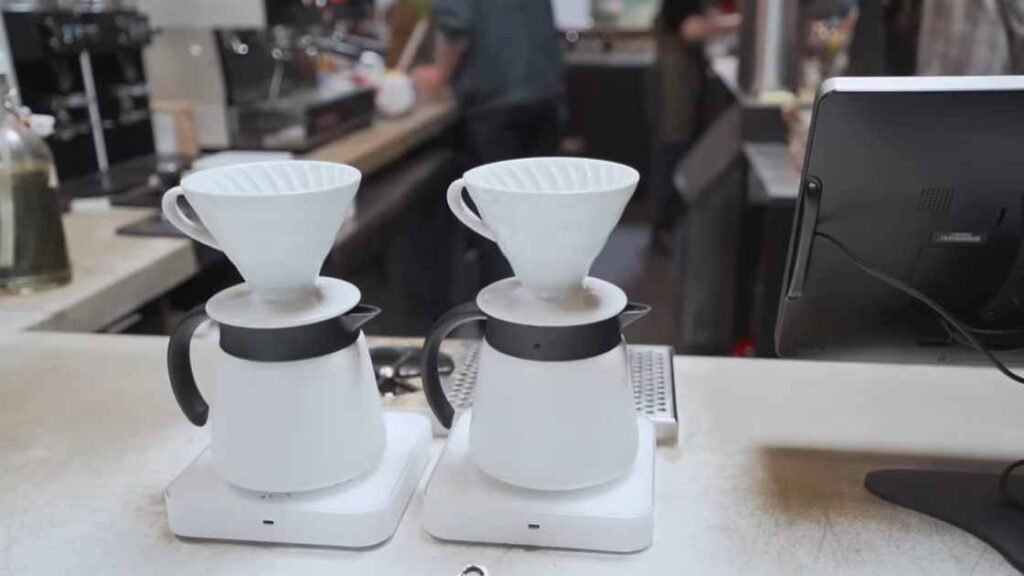
Operational costs matter just as much as startup costs. Once the doors open, the business must keep paying for ingredients, wages, payroll expenses, utilities, merchant-processing fees, maintenance, insurance, marketing, software, cleaning supplies, and other recurring costs.
A good location, quality products, dependable service, and a clear reason for customers to choose your café can help the business compete, but none guarantees profitability. Build your plan around realistic traffic, average-ticket, labor, ingredient, and occupancy assumptions rather than best-case sales.
Note: All dollar figures in this guide are planning estimates for U.S. businesses, not quotes. Construction, rent, wages, taxes, permits, insurance, and equipment prices vary greatly by location and business model. Verify important numbers with local agencies, landlords, contractors, insurers, accountants, attorneys, suppliers, and lenders before committing funds.
Groundwork Before Starting a Coffee House
Before buying equipment or signing a lease, define the type of coffee house you want to operate. A compact takeout counter has very different space, staffing, inventory, and construction needs from a full café with a kitchen or drive-thru.
Research the Coffee Market
Understanding the local market creates a stronger foundation for your budget. Research:
- Coffee and food trends: Identify what people in your target market are buying rather than copying national trends automatically.
- Your customers: Estimate who will visit, when they will visit, and how much they are likely to spend.
- Competitors: Compare nearby cafés on price, menu, seating, parking, hours, reviews, speed, and customer traffic.
- Supplier costs: Request current prices for beans, milk, syrups, cups, lids, food ingredients, cleaning products, and other consumables.
- Local labor costs: Research both the legal minimum wage and the market rate needed to hire reliable workers.
The SBA’s business-plan guidance recommends market and competitive research as part of building a viable business plan.
Create a Business Plan
Your business plan should connect the concept to real numbers. At minimum:
- Define your concept: Decide whether you are building a neighborhood café, specialty espresso bar, bakery-café, kiosk, drive-thru, or another model.
- Define your unique selling proposition: Explain why customers should choose your shop.
- Plan the menu: Decide what you will sell and what equipment, storage, preparation space, and staffing each item requires.
- Estimate sales: Build conservative, expected, and strong-sales scenarios.
- Estimate startup costs: Include every one-time expense needed before opening.
- Estimate monthly expenses: Include rent, payroll, utilities, inventory, insurance, software, repairs, marketing, and debt payments.
- Calculate break-even: Determine the sales volume needed to cover your fixed and variable costs.
Legal, tax, food-service, employment, building, zoning, and accessibility requirements also need to be checked before money is committed.
How Much Should You Budget to Start a Coffee House?
A coffee house budget is more than the cost of coffee beans. The format, location, size, existing condition of the property, menu, equipment level, and working-capital reserve can move the final investment by tens or hundreds of thousands of dollars.
Startup Cost Breakdown
- Lease and deposits: First month’s rent, security deposit, possible prepaid rent, and other lease charges.
- Renovations and buildout: Flooring, walls, counters, plumbing, electrical upgrades, lighting, restrooms, accessibility work, ventilation, signs, and finishes.
- Equipment: Espresso machines, grinders, brewers, refrigerators, freezers, ice machines, water treatment, sinks, dishwashing equipment, ovens or food equipment where needed.
- Furniture: Tables, chairs, stools, shelving, outdoor furniture, and service counters.
- Opening inventory: Coffee, milk, food, syrups, cups, lids, napkins, packaging, merchandise, and cleaning supplies.
- Licenses and permits: Business registration, food-service permits, inspections, signage approvals, building permits, and other locally required approvals.
- Technology: POS hardware, payment equipment, printers, Wi-Fi, software, security cameras, and networking.
- Professional services: Legal, accounting, design, architecture, engineering, and contractor services when required.
- Insurance: Coverage may include general liability, property, workers’ compensation, business interruption, and other policies appropriate to the operation.
- Marketing: Branding, signs, website, photography, local promotion, menus, social media, and opening events.
- Working capital: Cash held back to pay operating expenses while the business builds consistent sales.
Use the following as a planning framework rather than a national price list:
| Expense Category | How to Budget It |
| Location Lease | Use actual local quotes. Include base rent, deposit, pre-opening rent, and any CAM/NNN or similar pass-through charges that apply. |
| Renovations | Can range from modest cosmetic work to a six-figure buildout. Obtain contractor estimates before finalizing the lease. |
| Equipment | Build a line-by-line equipment list and obtain current vendor quotes. Include delivery, installation, water treatment, accessories, and warranties. |
| Permits and Professional Fees | Verify requirements with the city, county, health authority, fire authority, and other agencies involved in the property. |
| Opening Inventory | Price beans, dairy, food, cups, packaging, chemicals, merchandise, and backup stock from your intended suppliers. |
| Working Capital | Reserve enough cash to cover a realistic period of rent, payroll, inventory, utilities, marketing, debt payments, and unexpected repairs while sales grow. |
A detailed spreadsheet should add every relevant row rather than relying only on broad categories. SBA recommends separating one-time startup expenses from recurring monthly expenses and using both to estimate total funding needs.
Pro Tip: A former café or restaurant space with usable plumbing, electrical service, restrooms, counters, and food-service infrastructure may reduce construction needs. Have the property inspected before assuming existing equipment or improvements are usable or code-compliant.
Ongoing Operational Expenses
Once the doors open, recurring expenses determine whether the business can stay healthy. Track them by category instead of focusing only on coffee-bean costs.
- Inventory: Coffee, dairy, alternative milk, food, syrups, cups, lids, cleaning products, and retail items.
- Payroll: Wages, employer payroll taxes, workers’ compensation, benefits where offered, overtime, and paid training.
- Occupancy: Rent and any property-related charges assigned to the tenant.
- Utilities: Electricity, gas where applicable, water, sewer, waste collection, phone, and internet.
- Payment processing and software: POS, scheduling, accounting, ordering, loyalty, and merchant-processing costs.
- Maintenance: Espresso-machine servicing, grinders, refrigeration, plumbing, HVAC, furniture, and other repairs.
- Insurance: Ongoing premiums for applicable coverage.
- Marketing: Promotions, loyalty programs, website costs, local advertising, and community events.
Instead of assuming a universal monthly amount such as $500 for beans or $3,000 for payroll, use supplier quotes, staffing schedules, lease terms, utility estimates, and local wage data. These costs can vary several-fold between businesses.
Location and Lease Costs
The location can affect customer traffic, sales potential, staffing, parking, delivery access, construction costs, rent, and the overall experience of the café. A cheap lease is not a bargain if the space cannot support your projected sales or requires an expensive conversion.
Choosing the Right Spot
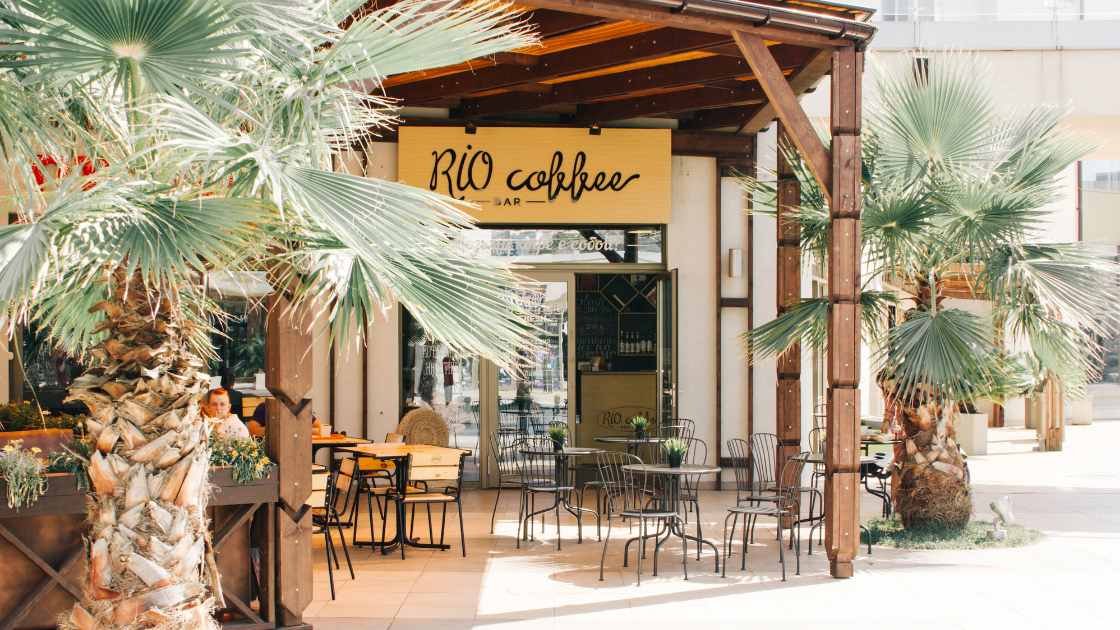
Evaluate the property with both customer demand and operating requirements in mind. Review:
- Pedestrian and vehicle traffic
- Visibility from the street
- Parking and public transit
- Nearby offices, schools, apartments, shops, and competitors
- Morning and afternoon traffic patterns
- Delivery and loading access
- Square footage and seating capacity
- Restroom requirements
- Plumbing, electrical capacity, water, drainage, and HVAC
- Zoning and permitted use
- Accessibility
- Signage restrictions
Lease Costs and Considerations
Signing a lease is one of the largest financial commitments in the project. Rent varies too much by market to use one national monthly figure. Review the full occupancy cost instead.
- Area: Rent can differ sharply between cities, neighborhoods, and individual blocks.
- Size: Extra space increases rent and can also increase furnishing, utility, cleaning, and construction costs.
- Lease term: Longer terms can offer stability but can also lock the business into a location that underperforms.
- Condition: A raw shell may require much more capital than a second-generation café or restaurant space.
- Pass-through costs: Check whether taxes, insurance, common-area maintenance, repairs, or other charges are billed to the tenant.
- Tenant improvements: Determine who pays for construction and whether the landlord offers an allowance or rent-free buildout period.
Warning: Do not assume a space can legally or economically become a coffee house just because the landlord is willing to lease it. Confirm zoning, food-service use, utilities, accessibility, permitting, construction feasibility, and expected buildout cost before making an irreversible commitment.
| Lease Aspect | Details to Consider |
|---|---|
| Term Length | Compare short-term flexibility with the stability required to recover buildout costs. |
| Renewal Options | Understand how extensions and future rent are determined. |
| Exit or Assignment Terms | Review whether the lease can be terminated, transferred, or assigned and under what conditions. |
| Additional Costs | Check CAM/NNN charges, taxes, insurance obligations, repairs, waste fees, utilities, and other tenant expenses. |
| Buildout | Clarify landlord approvals, contractors, permits, tenant-improvement allowances, and ownership of improvements. |
Commercial leases can create significant long-term obligations. Consider having a qualified commercial real-estate attorney review the lease before signing.
Coffee Equipment, Furniture, and Buildout Costs
Quality equipment is important, but buying the most expensive machine in every category does not automatically produce a better business. Match equipment capacity to the menu, expected peak traffic, available utilities, staff skills, service support, and budget.
Sourcing Coffee and Equipment
Fresh beans and dependable equipment are central to beverage quality. Develop supplier relationships and compare both purchase price and total ownership cost.
- Commercial espresso machines: A rough planning range of about $3,000 to $20,000+ is reasonable for many commercial units, but high-capacity and premium systems can cost more.
- Commercial grinders: Many café-grade grinders fall around $500 to $2,000+ each, and a shop may need separate grinders for different coffees or workflows.
- Batch brewers: Equipment ranges from relatively simple commercial brewers to higher-capacity systems costing well over $1,000.
| Item | Planning Guidance |
|---|---|
| Commercial Espresso Machine | Roughly $3,000–$20,000+ depending on capacity, features, brand, installation, and service support. |
| Coffee Grinder | Roughly $500–$2,000+ each; budget for the number of grinders your menu and workflow require. |
| Coffee Brewer | Simple commercial systems may cost hundreds of dollars, while larger or specialized systems can exceed $1,500. |
| Refrigeration and Ice | Obtain quotes based on required capacity and verify electrical, ventilation, drainage, and installation needs. |
| Water Treatment | Budget for filtration or treatment appropriate to local water and equipment requirements. |
| Smallwares | Include pitchers, tampers, scales, containers, utensils, knock boxes, thermometers, cleaning tools, and backup items. |
Used or refurbished equipment can lower the purchase price, but check its condition, remaining warranty, local service availability, parts availability, installation requirements, and repair history. Leasing can reduce the initial cash requirement but may increase long-term cost.
Furnishings and Ambiance
Comfortable seating and a coherent design can improve the customer experience, but furniture should be budgeted from the shop’s actual capacity and concept.
- Chairs: Basic commercial seating may begin around tens of dollars per chair, while premium furniture can cost several hundred dollars each.
- Tables: Prices vary by material, commercial durability, size, and custom work.
- Décor: Lighting, shelving, artwork, plants, acoustical treatment, menu boards, and decorative finishes can range from a modest DIY budget to many thousands of dollars.
Durability, cleanability, accessibility, and replacement cost matter as much as appearance. Furniture intended for commercial use may cost more upfront but can be better suited to daily traffic.
Permits, Food Safety, and Accessibility
Coffee houses are food-service businesses, so opening requirements can include business registration, zoning approval, building permits, fire approval, food-establishment permits, health inspections, food-safety training, signage permits, and other local requirements.
The FDA Food Code provides a model for retail food-safety rules, but state and local authorities decide which provisions apply in your jurisdiction. Check the applicable health department before construction because requirements for sinks, refrigeration, surfaces, plumbing, storage, and food handling can influence the layout and budget.
Businesses serving the public, including restaurants and cafés, are also generally covered by ADA Title III. Review ADA guidance for businesses open to the public when planning entrances, routes, service areas, dining areas, and alterations.
Staffing and Training Expenses
Labor is one of the biggest recurring costs for a coffee house. Your staffing budget should reflect operating hours, expected rush periods, the amount of food preparation, cleaning requirements, opening and closing duties, management coverage, and local wage conditions.
Hiring Baristas and Support Crew
Common roles include:
- Baristas: Prepare drinks, operate the POS, maintain the bar, and interact with customers.
- Support crew: Restock supplies, wash dishes, clean, assist with food preparation, and support customer service.
- Shift leads or managers: Supervise service, cash handling, staffing, inventory, quality control, and opening or closing procedures.
Do not rely on a national assumption such as $12–$15 per hour for baristas. Minimum wages and competitive market wages vary by state and city. The U.S. Department of Labor maintains a current state minimum-wage table. Local requirements may be higher.
| Position | Wage Budget | Hours |
|---|---|---|
| Baristas | Use the applicable legal minimum plus the competitive local hiring rate. | Build from the actual weekly schedule and expected peak coverage. |
| Support Crew | Use applicable local law and market rates. | Base hours on prep, cleaning, dishwashing, restocking, and service demand. |
Add employer payroll taxes, workers’ compensation, required leave, benefits where applicable, uniforms, recruiting, turnover, overtime, and other employer costs rather than treating hourly wages as the entire labor budget.
Training Costs
Training helps employees produce consistent drinks, work safely, control waste, and provide dependable service. A training plan can cover:
- Espresso machine and grinder operation
- Drink recipes and quality standards
- Customer service
- POS and cash-handling procedures
- Cleaning and equipment care
- Food safety and allergen procedures
- Opening and closing procedures
A small operation might initially set aside roughly $500–$1,000 for training materials, practice ingredients, and outside instruction, but that figure is only a starting allowance. Paid employee training hours can make the real cost higher.
- Materials: Manuals, videos, recipe cards, and ingredients used for practice.
- Time: Paid training hours for employees and managers.
- Trainers: Equipment suppliers, experienced managers, consultants, or specialist coffee trainers where appropriate.
Good training can reduce remakes, waste, equipment misuse, inconsistent recipes, and poor customer experiences.
Marketing and Branding Costs

A coffee house needs customers to know that it exists. Marketing costs can begin months before opening and continue after launch. Your best channels depend on the neighborhood, customer profile, concept, and budget.
Building a Brand
Your brand includes the name, logo, signs, menu design, packaging, interior style, website, photography, and the way the business communicates with customers.
- Logo design: A planning allowance of roughly $300–$1,500+ can cover many freelance or small-agency projects, although DIY options may cost less and full branding packages may cost much more.
- Interior theme: Coordinate the design with the target customer and practical needs of the space.
- Packaging: Budget for cups, sleeves, lids, bags, stickers, labels, and food containers.
- Exterior signs: Include design, fabrication, installation, electrical work where needed, and permit costs.
Consistency across signs, menus, packaging, the website, and social media can make the business easier to recognize.
Advertising and Promotion Strategies
- Social media: Show the buildout, menu testing, team, opening date, and products.
- Local partnerships: Work with nearby offices, schools, apartments, gyms, retailers, and community organizations where appropriate.
- Events: Consider tastings, soft-opening sessions, community events, or classes if they fit the concept.
- Local search: Keep accurate business hours, location, photos, menu information, and contact details online.
- Loyalty: Measure whether loyalty offers actually increase repeat visits without giving away excessive margin.
There is no required minimum grand-opening budget. An event might cost $2,000 or more, but a smaller café can spend much less by focusing on local partnerships and digital outreach. Set the amount from a measurable marketing plan rather than an arbitrary minimum.
Financial Resources for Coffee Entrepreneurs

Once you know the expected startup cost, determine how much will come from owner cash and how much must be financed. Borrowing reduces the cash required upfront but adds interest, fees, required payments, and financial risk.
Loans and Financing Options
Banks, credit unions, online lenders, equipment-finance companies, investors, and government-backed lending programs may provide capital depending on the borrower and project.
- SBA-guaranteed loans: Participating lenders offer SBA-backed programs with program-specific eligibility, rates, fees, guarantees, and repayment terms.
- Business loans: May finance construction, working capital, or other eligible expenses depending on the lender.
- Lines of credit: Can provide flexible access to funds but are not automatically available to a new business.
- Equipment financing: Spreads eligible equipment purchases over time.
- Personal savings: Avoids loan payments but puts the owner’s own capital at risk.
- Investors: Can provide capital in exchange for ownership or other negotiated rights.
- Crowdfunding: May fit businesses with strong community support or a compelling launch campaign.
Do not assume an SBA-backed loan automatically has the lowest rate or is easy to obtain. Review current SBA 7(a) loan information and compare total borrowing costs, collateral requirements, guarantees, fees, repayment schedules, and lender requirements.
Estimating Break-Even and Return on Investment
Before focusing on profit, calculate how much the business must sell simply to cover its costs.
The SBA uses this unit break-even formula:
Break-even units = Fixed costs ÷ (Selling price per unit − Variable cost per unit)
A coffee house sells many products, so a broader contribution-margin approach can be more practical:
Break-even sales dollars = Fixed costs ÷ contribution-margin ratio.
For example, if your average selling price increases but ingredients and transaction costs rise at the same time, the improvement in break-even may be smaller than the menu-price increase suggests.
| Expense Type | How to Estimate It |
|---|---|
| Rent | Use the negotiated lease plus all occupancy charges rather than a national $2,000–$5,000 assumption. |
| Renovations | Use contractor bids, professional fees, permit costs, and a contingency allowance. |
| Equipment | Use vendor quotes including freight, installation, accessories, water treatment, and service requirements. |
| Initial Inventory | Build the opening order from the menu, expected sales, storage capacity, and supplier minimums. |
| Permits and Licenses | Verify exact fees and approval requirements with the agencies that regulate the specific property and business. |
| Working Capital | Budget enough cash for operating deficits, slower-than-expected sales, repairs, and unexpected opening expenses. |
ROI is different from break-even. A simple ROI calculation is:
ROI = (Net gain from the investment ÷ Total investment) × 100.
Use conservative projections when estimating both break-even and ROI:
- Determine startup and operating costs.
- Forecast sales from local research and realistic customer counts.
- Estimate contribution margin after ingredients and other variable costs.
- Calculate break-even sales.
- Stress-test the plan using lower sales and higher costs.
- Track actual results after opening and update the forecast.
The timeline to profitability varies. A business that is technically profitable can still experience cash-flow problems if debt payments, inventory purchases, taxes, or other cash needs arrive before customer payments and sales provide enough cash.
Pro Tip: Build a downside scenario before you sign the lease. Recalculate cash needs if opening is delayed, construction costs rise, monthly sales are 20% below plan, or payroll is higher than expected. If the business cannot survive a moderate setback, the project may be underfunded.
Frequently Asked Questions
How profitable is a coffee house?
Profitability varies widely. Do not confuse the high gross margin possible on an individual coffee drink with the shop’s final net profit. Rent, wages, payroll costs, ingredients, card fees, utilities, repairs, insurance, marketing, debt, taxes, and waste all reduce store-level profit. Build your forecast from your own costs instead of assuming a standard 10%–25% net margin.
How much money do you need to start a coffee business?
A practical planning range for many independent U.S. coffee houses is roughly $80,000–$300,000+. Small kiosks, carts, or already-equipped spaces can cost less, while large cafés, drive-thrus, raw-shell buildouts, and expensive markets can require considerably more.
How profitable are coffee huts?
A coffee hut or kiosk can have lower rent, construction, seating, and staffing costs than a full café, but profitability still depends on traffic, average ticket, labor, ingredient costs, operating hours, rent or site fees, and debt. Smaller does not automatically mean more profitable.
What is the success rate of coffee houses?
There is no authoritative national percentage that accurately represents the success rate of all independent coffee houses. U.S. Bureau of Labor Statistics data show that business-establishment survival varies by industry, cohort, location, and time period. General small-business survival statistics should not be treated as a coffee-shop-specific prediction.
What are the most commonly overlooked coffee shop startup costs?
Commonly overlooked items include lease deposits, pre-opening rent, professional fees, permit delays, plumbing and electrical upgrades, accessibility work, water treatment, smallwares, signage, POS hardware, software subscriptions, insurance, payroll taxes, paid training, utility deposits, waste service, merchant fees, equipment installation, repairs, and working capital.
Should you buy new or used coffee shop equipment?
Used equipment can reduce the upfront purchase price, but inspect its condition, maintenance history, warranty, parts availability, utility requirements, and local service support. A cheaper machine that needs frequent repairs or cannot handle peak volume may ultimately cost more.
Conclusion
Starting a coffee house requires much more than buying an espresso machine and signing a lease. A realistic plan needs to cover the property, construction, equipment, permits, furniture, inventory, staffing, training, technology, insurance, marketing, and enough working capital to operate while sales grow.
For many independent U.S. cafés, $80,000–$300,000+ is a useful first planning range, but your own quotes and local requirements matter more than any national estimate. Build the budget line by line, calculate break-even sales, add a contingency, and test a weaker-sales scenario before committing major capital.
The goal is not simply to open the doors. It is to open with enough cash, capacity, and cost control to keep serving customers after the excitement of launch day has passed.
Sources
- U.S. Small Business Administration — Calculate Your Startup Costs — startup expense categories, one-time versus monthly costs, and funding preparation.
- U.S. Small Business Administration — Break-Even Point — break-even formulas and fixed versus variable costs.
- U.S. Department of Labor — State Minimum Wage Table — current wage-law reference for staffing budgets.
- U.S. Food and Drug Administration — FDA Food Code — national model guidance for retail food safety.
- ADA.gov — Businesses That Are Open to the Public — accessibility responsibilities affecting restaurants and cafés.
- U.S. Bureau of Labor Statistics — Entrepreneurship and the U.S. Economy — establishment survival data and context.


2 thoughts on “How Much Does It Cost to Start a Coffee House?”
Pingback: How Much Does It Cost To Build A Golf Course?
Pingback: How Much Does It Cost To Build A House Dallas