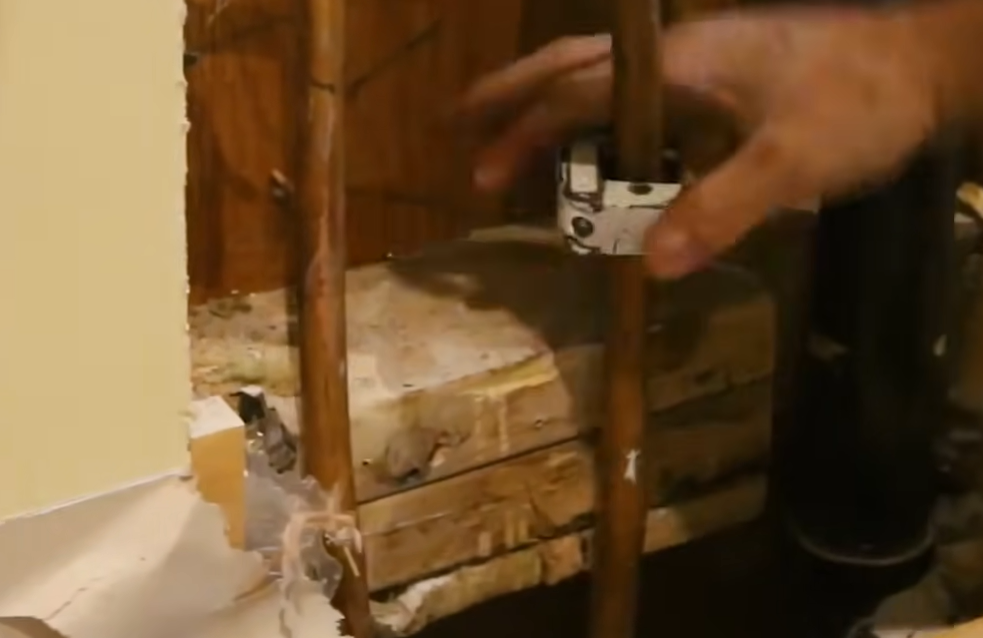
Replacing galvanized pipes in a U.S. home commonly costs about $2,000 to $15,000. Current whole-house repiping data puts many projects around $7,500, but your final galvanized pipe replacement cost depends on the replacement material, number of fixtures, pipe accessibility, home layout, local labor rates, permits, and wall or ceiling repairs.
Last updated: August 11, 2026 · Author: [VERIFY: add real author/byline]
PEX is usually the lower-cost replacement option because it is flexible and faster to route through an existing home. Copper normally costs more in both materials and installation. CPVC may also be an option where local plumbing codes permit it.
For a national benchmark, HomeGuide currently lists galvanized-pipe replacement at about $2,000 to $15,000, while Angi’s 2026 repiping data puts whole-house repiping at roughly $1,500 to $15,000, with many projects around $7,500. Treat these figures as budgeting ranges rather than quotes for a specific house.
How Much Does Galvanized Pipe Replacement Cost?
A whole-house galvanized repipe can fall anywhere from a few thousand dollars to $15,000 or more when access is difficult or a homeowner chooses a higher-cost material. The pipe itself is only part of the bill. Labor, demolition, permits, inspections, and repairing opened walls or ceilings can materially change the final total.
| Cost Item | 2026 Budget Guide | What Changes the Price |
|---|---|---|
| Galvanized pipe replacement | About $2,000–$15,000 | Home size, fixtures, material, pipe access and labor market |
| PEX material | About $0.40–$2 per linear foot | Pipe diameter, product type and local pricing |
| CPVC material | About $0.50–$1 per linear foot | Pipe diameter, fittings and local availability |
| Copper material | About $2–$8 per linear foot | Copper prices, pipe diameter and installation method |
The per-foot figures above are material benchmarks from current national repiping data. They are not installed prices. A whole-house quote includes much more than tubing or pipe.

Galvanized steel was widely used in older plumbing systems. As the pipe ages, internal corrosion and mineral buildup can restrict flow, contribute to rust-colored water, and increase the chance of leaks. Replacing deteriorated sections with approved modern supply piping can restore flow and reduce the risk of failures caused by aging galvanized steel.
Water quality also deserves attention. The U.S. Environmental Protection Agency notes that lead particles can attach to galvanized-pipe surfaces and later enter drinking water. This does not mean every galvanized system produces unsafe water, but homeowners concerned about lead should consider water testing and contact their water utility or local health authority for guidance. See the EPA’s guidance on sources of lead in drinking water.
Evaluating The Need For Pipe Replacement
Galvanized pipes do not need replacement simply because they are old. Condition matters. A plumber should look at water flow, visible corrosion, recurring leaks, pipe restrictions, and the overall condition of the system before recommending a full repipe.
One isolated problem may justify a local repair. Repeated failures across an aging galvanized system make a whole-house replacement easier to justify because repairing one weak area does not renew the remaining pipe.
Products Worth Considering
PREMIUM TYPE M COPPER TUBE - ASTM B88 CERTIFIED: Standard-wall type M copper offers superior strength and durability for medium pressure water, hydronic heating, and gas distribution systems. Made in USA or Mexico to ASTM B88 standards
As an affiliate, we earn on qualifying purchases.
[Durable Copper Tube] - Made of copper material, which is lightweight, with high strength, good thermal conductivity, corrosion resistance, high-temperature resistance, ductility, and weather resistance. Can be used on various occasions.
As an affiliate, we earn on qualifying purchases.
【Size】: Outer diameter: 1/2 inch(12.5mm);Length: 12 inch(300mm);Wall thickness:1mm
As an affiliate, we earn on qualifying purchases.
Signs Of Galvanized Pipe Failure
Have the plumbing inspected if you notice one or more of these warning signs:
- Reduced water pressure, especially when several fixtures are running.
- Brown, orange, or rusty-looking water, particularly after water has been sitting in the pipes.
- Frequent leaks or repeated repairs in different sections of the system.
- Unusual plumbing noises that accompany changes in flow or pressure.
- Visible rust, scale, or deterioration on exposed galvanized pipe and threaded connections.
Impact Of Corrosion On Plumbing

Galvanized steel can corrode internally as its protective zinc coating deteriorates. The resulting scale can narrow the inside of the pipe and restrict water flow.
- Lower water flow or pressure as the inside diameter becomes restricted.
- More frequent plumbing repairs as aging joints and pipe sections deteriorate.
- A greater risk of water damage when weakened plumbing leaks or fails.
- Water-quality concerns that may justify professional inspection or testing.
EPA guidance is especially relevant in homes where galvanized plumbing is or was connected downstream from lead-containing plumbing. Lead particles can accumulate on galvanized surfaces and later enter drinking water. Testing is the only reliable way to know whether lead is present at a concerning level.
Types Of Replacement Pipes
PEX and copper are two common choices for replacing old galvanized water-supply piping. CPVC is another option in locations where it is approved. The best material depends on local code, water chemistry, budget, installation access, and plumber experience.
Products Worth Considering
650-lb. load capacity roof pipe support block
As an affiliate, we earn on qualifying purchases.
Specifications: Material: Carbon steel; Color: White Zinc; Thread Type: Coarse Thread; Lamp Pipe Thread Size: M6*1; Lamp Pipe Length: 25mm / 0.98 inch; Hole Inner Diameter: 3.5mm / 0.14 inch; Lock Nut Size: 9.5 x 3.6mm / 0.37 x 0.14 inch (W * H); Packing List: 10 x Lamp Pipe, 20 x Lock Nut
As an affiliate, we earn on qualifying purchases.
[Precision Size]: Features a 1/2-inch (12.7 mm) hinge plate head/die, providing accurate and clean threading for your pipe projects. This precision size ensures optimal performance and reliability in your threading tasks.
As an affiliate, we earn on qualifying purchases.
Copper Piping: Pros And Cons
Copper piping has a long history in residential plumbing and handles hot and cold potable water. It is rigid, so routing it through an existing finished home may require more fittings and access openings than flexible PEX.
- Pros:
- Long track record in residential plumbing
- Good corrosion resistance when compatible with local water chemistry
- Handles hot-water applications
- Not damaged by ultraviolet light in the same way PEX can be
- Cons:
- Higher material cost than PEX or CPVC in current national estimates
- Rigid installation can require more fittings and labor
- Can still experience corrosion or pinhole leaks under unfavorable conditions
Pex Piping: Flexible Solutions
PEX, or cross-linked polyethylene, is flexible plastic tubing commonly used for residential hot- and cold-water supply lines. Its flexibility can reduce the number of fittings and make routing new lines through an existing house easier.
- Pros:
- Flexible and relatively fast to install
- Generally less expensive than copper
- Does not rust like galvanized steel
- Can tolerate freezing expansion better than rigid pipe in some situations
- Cons:
- Must be protected from prolonged ultraviolet exposure
- Plastic tubing can be physically damaged, including by rodents
- Installation methods and permitted applications depend on local code
CPVC And PVC: Different Plumbing Uses
CPVC and PVC should not be treated as interchangeable. CPVC may be permitted for hot- and cold-water supply plumbing, depending on the local plumbing code. Standard PVC is commonly associated with drain, waste, vent, and appropriate cold-water applications rather than a complete hot-water supply repipe.
- CPVC advantages:
- Lower material cost than copper in current national estimates
- Does not rust like galvanized steel
- Can be used for approved hot- and cold-water applications
- Considerations:
- Installation must follow the manufacturer’s temperature, pressure, and joining requirements
- Local plumbing codes determine where the material can be used
- Plastic piping requires protection from conditions that exceed its rated use
What Makes Galvanized Pipe Replacement More Expensive?

The replacement pipe is only one part of a repipe quote. Labor can dominate the project because plumbers must locate old lines, open access points, route new piping, reconnect fixtures, test the system, and complete required inspections.
Material Costs
PEX is generally the lower-cost material, CPVC can also be economical where permitted, and copper normally carries the highest material cost of these common options. Ask whether the estimate specifies the exact material and whether fittings, valves, supports, and other installation components are included.
Labor Expenses
Labor rises when pipes are difficult to reach. An unfinished basement or accessible crawlspace is usually easier to work in than finished walls, ceilings, cabinets, or concrete. Multistory houses can also require more routing and access work.
Number Of Fixtures And Plumbing Zones
Bathrooms, kitchens, laundry connections, hose bibs, water heaters, and other supplied fixtures add branches and connection points. A 2,000-square-foot home with one bathroom can therefore be a different job from a similar-size home with four bathrooms.
Wall And Ceiling Repairs
Ask whether the plumber’s price includes opening and repairing drywall, plaster, tile, cabinetry, or ceilings. A low plumbing estimate may exclude finish restoration, leaving the homeowner to hire another contractor afterward.
Permitting And Regulation Fees
Permit and inspection requirements vary by jurisdiction. Before comparing final prices, determine whether each contractor’s estimate includes required permits and inspections or lists them separately.
| Quote Item | What To Confirm | Why It Matters |
|---|---|---|
| Replacement material | PEX, copper, CPVC, pipe size and fittings | Material choice changes both material and labor cost |
| Old-pipe work | Removal, abandonment and disposal | Not every quote includes the same scope |
| Access work | Wall, ceiling, cabinet, crawlspace or slab access | Difficult access can add substantial labor |
| Finish repair | Drywall, plaster, paint or tile restoration | May require a separate contractor |
| Permits and inspections | Who obtains and pays for them | Requirements and fees vary locally |
| Testing and warranty | Pressure testing and workmanship coverage | Helps compare the actual value of competing bids |
Compare itemized scopes rather than choosing a contractor from the bottom-line number alone. Two estimates can look thousands of dollars apart simply because one includes access repairs, permits, disposal, or finish work that the other excludes.
Calculating The Total Expense

A reliable repipe estimate cannot be calculated by multiplying your home’s floor area by an assumed amount of pipe. Plumbing does not follow the perimeter or square footage of each room. Two houses with the same floor area can have very different piping layouts.
Products Worth Considering
All-in-One Angle Stop Valve Kit: Quickly replace compression angle stops and remove compression rings with step-by-step instructions, designed for DIYers and professional plumbers. No need to buy tools separately—includes an angle stop wrench, compression sleeve puller, sandpaper, and storage bag.
As an affiliate, we earn on qualifying purchases.
【Replacement Blade】Replacement Blade for SUIZAN Small Hand Saw 5" Plastic Bamboo Blade
As an affiliate, we earn on qualifying purchases.
10 x replacement cutter wheels; Size: 18 x 6mm/0.71" x 0.24"(OD*H); Hole diameter: 5mm/0.2".
As an affiliate, we earn on qualifying purchases.
How To Estimate The Scope More Accurately
A plumber normally needs to evaluate the actual plumbing system. Useful estimating inputs include:
- Number of bathrooms, kitchens and other supplied fixtures
- Number of stories and distance between plumbing zones
- Location of existing galvanized supply lines
- Basement, crawlspace, attic, slab and wall access
- Selected replacement material and pipe sizes
- Amount of demolition and finish restoration required
Home square footage is still useful as a rough complexity indicator, but it should not be converted directly into pipe length. Fixture count and routing usually give a more useful picture of the work involved.
The Role Of House Size And Layout
Larger homes often cost more because they can require more material and labor, but layout is just as important. Keep these factors in mind:
- Number of stories: Multiple levels can make routing and access more complicated.
- Number of bathrooms: More fixtures generally mean more branches and connections.
- Types of walls and finishes: Tile, plaster, cabinets, and finished ceilings can increase access and restoration work.
- Foundation and access: Accessible basements and crawlspaces may simplify routing compared with concealed or hard-to-reach lines.
| Project Characteristic | Typical Cost Effect | Reason |
|---|---|---|
| Simple one-story layout | Lower relative cost | Shorter routes and easier access may reduce labor |
| Multiple bathrooms or stories | Moderate to higher relative cost | More branches, fixtures and access points |
| Finished walls or difficult access | Higher relative cost | More demolition, routing and restoration work |
| Copper instead of lower-cost PEX | Higher relative cost | Higher material cost and potentially more installation labor |
Use national prices only to establish a planning range. Two or three itemized local estimates are more useful for deciding what your particular house will cost.
Saving Money On Pipe Replacement

The best way to reduce galvanized pipe replacement costs is to compare the same scope of work. A cheaper quote is not automatically cheaper if it leaves out permits, wall repair, disposal, valves, or fixture reconnection.
Diy Considerations: Is It Worth It?
PEX can look DIY-friendly because the tubing is flexible, but a whole-house repipe is much more involved than replacing a short accessible section.
- Tools and equipment: Correct cutting, joining, support, testing, and shutoff equipment may be required.
- Skills: Incorrect sizing or connections can cause pressure problems or hidden leaks.
- Code compliance: Pipe materials, sizing, supports, penetrations, permits, and inspections can be regulated locally.
- Property damage: A failed connection inside a wall can turn labor savings into an expensive water-damage repair.
- Time: The home may have limited water service while work is underway.
For a complete repipe, homeowners should first check their local permit rules and realistically assess whether they have the experience to size, route, connect, test, and inspect an entire potable-water system.
Hiring A Professional: Compare Scope, Not Just Price
When requesting estimates, give each plumber the same project description and compare the written scope line by line.
- Verify licensing and insurance: Confirm whatever credentials your state or local jurisdiction requires.
- Ask which pipe material and fittings are included: Avoid comparing unspecified systems.
- Confirm access and restoration: Ask who opens and repairs walls and ceilings.
- Confirm permits and inspections: Determine whether they are included in the quoted price.
- Ask about testing: The completed system should be checked for leaks and proper operation.
- Read the workmanship warranty: Compare what is covered rather than relying on the word “warranty.”
A detailed estimate makes it easier to find genuine savings without removing work you actually need.
Should You Repair Or Fully Repipe Galvanized Plumbing?
A single accessible leak does not automatically mean every galvanized pipe in the house must be replaced. A local repair may make sense when the remaining system is in acceptable condition and flow is normal.
A full repipe becomes easier to justify when problems are widespread. Repeated leaks in different locations, severe internal restriction, rusty water, badly deteriorated exposed pipe, or a history of continual repairs can indicate that repairing one section will not address the rest of the aging system.
Ask the plumber to explain whether the recommended scope is a spot repair, partial repipe, or whole-house repipe and why. That distinction should appear clearly in the written estimate.
Final Thoughts Before Re-piping
Replacing galvanized plumbing is a major project, but a clear scope makes the decision easier. Start by confirming which pipes are galvanized, whether the problem is isolated or system-wide, and which replacement materials local code allows.
Choosing Quality Materials
Material choice affects both upfront cost and installation. PEX is flexible and generally economical. Copper has a long track record but usually costs more. CPVC can be a lower-cost alternative in jurisdictions and applications where it is approved.
- Code approval – Confirm the proposed pipe is allowed for the intended application.
- Water chemistry – Local conditions can influence material selection.
- Installation access – Flexible PEX may reduce the number of openings needed in some retrofits.
- Contractor experience – Use an installer familiar with the chosen piping system.
Selecting A Reliable Plumbing Contractor
Installation quality matters as much as the material. Before signing a contract:
- Check credentials – Verify applicable licensing and insurance requirements.
- Read recent reviews – Pay particular attention to repiping work and how problems were handled.
- Ask for relevant references – Previous whole-house repipe customers are more useful than unrelated plumbing jobs.
- Get written estimates – Require a clear project scope, material, exclusions, payment schedule, and warranty terms.
- Compare inclusions – Make sure wall repair, permits, disposal, testing, and fixture reconnection are addressed.
If you are budgeting for another type of aging plumbing system, see our guide to the cost to replace cast iron pipes.
Frequently Asked Questions On How Much Does It Cost To Replace Galvanized Pipes
What Is The Average Cost For Replacing Galvanized Pipes?
Replacing galvanized pipes commonly costs about $2,000 to $15,000 in the U.S. Current general whole-house repiping data places many projects around $7,500. The actual price depends on the replacement material, home layout, number of fixtures, pipe accessibility, labor rates, permits, and required wall or ceiling repair.
How Long Does Galvanized Pipe Replacement Take?
Many straightforward whole-house repipes take several days, but there is no universal timeline. Large or multistory homes, difficult pipe access, inspections, larger fixture counts, and extensive wall or finish repairs can extend the project. Ask whether the contractor’s schedule covers only plumbing work or also includes restoration.
Are Galvanized Pipes Worth Replacing?
Replacement is often worth considering when galvanized plumbing has widespread corrosion, repeated leaks, restricted water flow, or continuing water-quality problems. One isolated defect may not require a full repipe, so have the overall system evaluated before choosing between repair and replacement.
Can I Replace Galvanized Pipes Myself?
A skilled homeowner may be able to handle a limited accessible repair where local rules allow it, but a whole-house repipe requires correct pipe sizing, connections, routing, supports, testing, and code compliance. Check permit and inspection requirements before starting. For most homeowners, a licensed plumbing professional is the lower-risk choice for a complete repipe.
How Long Do Galvanized Pipes Last?
There is no single age at which every galvanized pipe fails. Actual service life depends on water chemistry, installation, corrosion, mineral buildup, pipe condition, and environment. Instead of relying only on age, watch for declining pressure, repeated leaks, discolored water, visible corrosion, and evidence of internal restriction.
What Makes Galvanized Pipe Replacement More Expensive?
Difficult pipe access, multiple stories, more bathrooms and fixtures, copper piping, extensive wall or ceiling openings, local labor rates, permits, inspections, and finish restoration can all raise the final cost. Ask for an itemized quote so you know which of these expenses are included.
Conclusion
Budget about $2,000 to $15,000 for galvanized pipe replacement as a broad U.S. planning range, while recognizing that an individual house can fall outside it. PEX generally offers the lower material cost, while copper typically costs more. Accessibility, fixture count, labor, permits, and wall restoration can matter just as much as the pipe itself.
Before committing to a whole-house repipe, get two or three itemized estimates. Compare the same material and project scope, confirm what happens to walls and ceilings, and make sure permits, testing, disposal, and warranties are addressed in writing.


2 thoughts on “How Much Does It Cost to Replace Galvanized Pipes?”
Pingback: How Much Does It Cost To Replace Airbags?
Pingback: How Much Does It Cost To Replace A Torque Converter?