
How Much Does It Cost to Replace Ball Joints?
Ball joint replacement currently averages about $308 to $463 for a typical U.S. repair, according to RepairPal’s estimate updated June 18, 2026. That estimate includes roughly $96 to $152 for parts and $212 to $311 for labor, before taxes, fees, location differences, or related repairs. Your actual quote can be lower or much higher depending on the vehicle’s suspension design, whether the ball joint is replaceable by itself, and whether other work such as a wheel alignment is needed.
Last updated: August 11, 2026. Cost and repair guidance in this article was reviewed against current information from RepairPal, Firestone Complete Auto Care, Cars.com, and MOOG.
A ball joint connects a suspension control arm to the steering knuckle and lets the wheel move with the suspension while steering. A badly worn joint can create clunking, wandering steering, vibration, abnormal tire wear, and excessive suspension movement. Severe wear can allow the joint to separate, so a confirmed failing ball joint should not be treated as a repair to postpone.
Before approving the repair, ask which ball joint failed, how the shop confirmed the wear, whether the joint is sold separately or as part of a control-arm assembly, and whether the estimate includes an alignment check. Those details explain much of the difference between a relatively simple ball-joint job and a much more expensive suspension repair.
Do not assume every front-end clunk means a bad ball joint. Tie-rod ends, control-arm bushings, wheel bearings, strut mounts, sway-bar links, and other suspension components can create overlapping symptoms. A proper inspection should identify the failed component before parts are replaced.
Get the estimate in writing and check the warranty on both parts and labor. An itemized quote makes it easier to compare shops and see whether the price includes only the joint or also related suspension work.
Introduction To Ball Joint Replacement
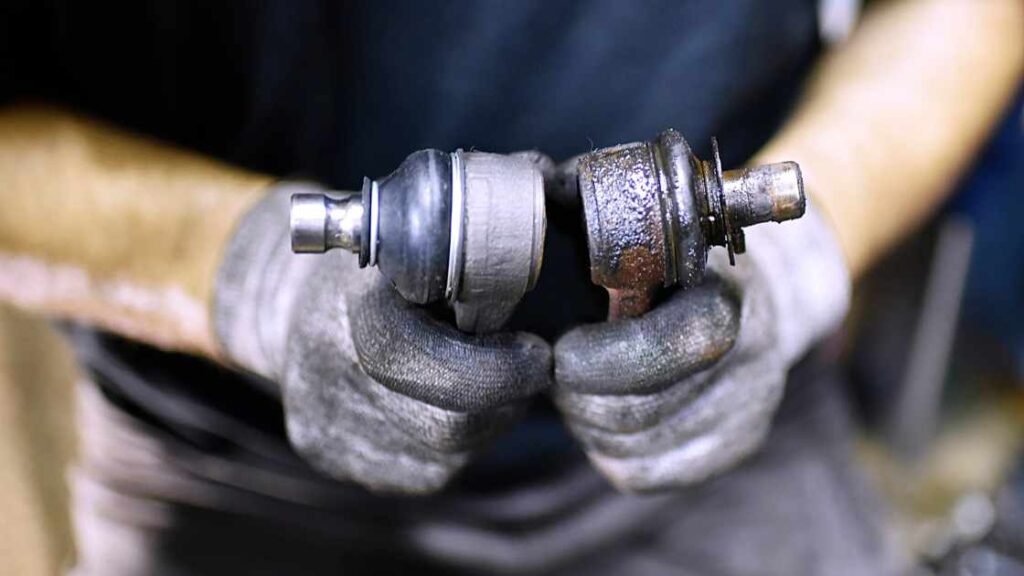
Ball joints are pivoting connections between suspension control arms and steering knuckles. They allow the suspension to move up and down while allowing the steering knuckle and wheel assembly to turn. When excessive wear develops, suspension geometry and steering control can deteriorate.
How Many Ball Joints Does a Vehicle Have?
Ball-joint count depends on the suspension design. Many vehicles with MacPherson-strut front suspension use one lower ball joint on each front side. Double-wishbone or short-long-arm designs may use both an upper and a lower ball joint on each side. Some vehicles also use ball joints in the rear suspension.
That difference matters when comparing repair estimates. A quote for one lower joint on a passenger car is not directly comparable with a truck that has upper and lower joints or a vehicle that requires a complete control-arm assembly.
Signs Your Ball Joints Need Replacement
Common symptoms that justify a steering and suspension inspection include:
- Clunking or popping: Noise may occur while driving over bumps or while turning.
- Uneven tire wear: Excess suspension movement can contribute to abnormal tread wear.
- Loose or wandering steering: The vehicle may require more correction to stay on course.
- Steering-wheel or chassis vibration: A worn joint can allow unwanted suspension movement.
- Damaged dust boot: A torn or leaking boot can allow contamination into the joint and loss of lubrication.
These symptoms are not unique to ball joints. Have the steering and suspension inspected before authorizing replacement.
How Does a Mechanic Confirm a Bad Ball Joint?
A technician should use the inspection procedure and wear limits specified for the vehicle. Depending on the suspension design, diagnosis may include safely raising and supporting the vehicle, checking the wheel or joint for excessive movement, inspecting the dust boot, and looking for abnormal tire wear or looseness.
Vehicle-specific specifications matter. Some suspension designs can show movement that would look excessive on another vehicle, so a ball joint should not be condemned solely because someone can move the wheel by hand. The correct service procedure and allowable play should determine whether replacement is necessary.
What Affects Ball Joint Replacement Cost?
The final bill depends on more than the price of the ball joint. Vehicle design, labor access, corrosion, parts choice, and related suspension work can change the total substantially.
Vehicle Make, Model, And Suspension Design
The exact suspension layout is one of the biggest cost drivers. Some joints are easy to access and replace separately. Others require significant steering-knuckle or control-arm disassembly.
- Simple separately serviceable joints can keep the parts portion of the repair relatively low.
- Press-fit joints may require a ball-joint press and additional disassembly.
- Integrated designs may require replacement of the complete control arm rather than the ball joint by itself.
- Trucks, SUVs, and complex suspension layouts may require more labor because components are larger or access is more involved.
Ball Joint Alone Vs. Control-Arm Assembly
Ask whether the ball joint is available as a separate service part. On some vehicles, the shop replaces only the worn joint. On others, the ball joint is built into or serviced with the control arm.
| Repair Design | What It Means For Your Quote |
|---|---|
| Separate bolt-on ball joint | The joint can usually be replaced without buying a complete control arm, although access and labor still vary. |
| Press-fit ball joint | Specialized pressing equipment and additional disassembly may increase labor. |
| Integrated control-arm assembly | The parts bill can rise because the complete arm is replaced instead of only the joint. |
Cost Variations: OEM Parts Vs. Aftermarket
Choosing between OEM (Original Equipment Manufacturer) and aftermarket parts can change the parts portion of the estimate. Do not judge only by the lowest price. Confirm fitment, warranty coverage, and whether the part meets the repair requirements for your specific vehicle.
| OEM Parts | Aftermarket Parts |
|---|---|
| Vehicle-maker replacement part or approved service component; often priced higher. | Pricing and quality vary widely by manufacturer and product line. |
Labor Rates, Rust, And Location
Labor is a major part of the bill. Local shop rates differ, but access to the joint can matter just as much. Rusted or seized fasteners, damaged hardware, and difficult suspension disassembly can add time to the job.
- Shop labor rates vary by region and facility.
- Corrosion can increase removal and installation time.
- Dealer, independent-shop, and mobile-service estimates may use different labor rates and parts policies.
Will You Need a Wheel Alignment?
A wheel-alignment check should be part of the conversation after ball-joint replacement. Whether a full adjustment is required can depend on the suspension design, what was removed during the repair, and whether the previous alignment was performed while the joint was worn.
RepairPal recommends an alignment after ball-joint replacement, while Firestone notes that the need can depend on the condition of the suspension and the previous alignment. Ask whether the estimate includes an alignment check or a complete alignment if needed.
Average Cost Range For Ball Joint Replacement
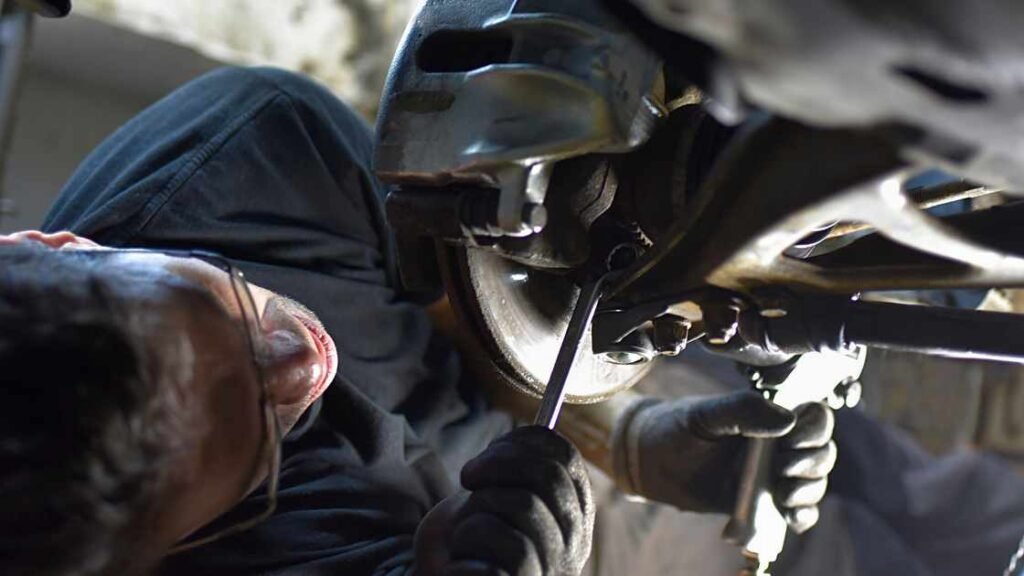
There is no single price that fits every vehicle. For a current national reference point, RepairPal’s June 18, 2026 estimate puts the average suspension ball-joint replacement at $308 to $463. Its published breakdown is approximately $96 to $152 for parts and $212 to $311 for labor.
Those figures exclude taxes and fees, do not account for your exact location, and may not include related repairs. A vehicle requiring a full control-arm assembly, extensive rust removal, additional worn suspension parts, or alignment work can produce a substantially different total.
Price Breakdown: Parts And Labor
A useful quote separates the repair into the component being installed and the labor required to reach and replace it.
- Parts: Ask whether the estimate is for a standalone ball joint or a complete control-arm assembly and whether the part is OEM or aftermarket.
- Labor: The amount depends on suspension design, access, press-fit versus bolt-on construction, corrosion, and the other components that must be disconnected.
- Related work: Alignment, damaged hardware, worn bushings, tie-rod ends, tires, or other front-end parts may be quoted separately if inspection finds additional problems.
When comparing estimates, make sure every shop is quoting the same repair scope. A cheap quote for one standalone joint cannot be fairly compared with another estimate that includes a control arm, alignment, and additional hardware.
Front Vs. Rear Ball Joints: Is There A Cost Difference?
There is no reliable universal front-versus-rear ball-joint price table. Many vehicles do not use rear ball joints, while others use different rear suspension links or integrated assemblies. The correct comparison is based on the exact joint and suspension design on your year, make, model, and trim.
| Question To Ask | Why It Affects Cost |
|---|---|
| Does this vehicle have a serviceable ball joint at that position? | Not every wheel uses an upper and lower ball joint. |
| Can the joint be replaced separately? | An integrated control-arm assembly can cost more than a standalone joint. |
| Is the joint press-fit or bolt-on? | Press-fit designs can require specialized tools and more labor. |
| What else must be removed? | Additional suspension or steering disassembly increases labor time. |
Use a vehicle-specific estimate rather than assuming that front joints always cost more or that your vehicle even has rear ball joints.
DIY Vs. Professional Mechanic
Ball-joint replacement can range from manageable intermediate DIY work to a difficult suspension job requiring a press and significant disassembly. The correct choice depends on the vehicle, the joint design, your tools, and your ability to support the vehicle safely.
Can DIY Ball Joint Replacement Save Money?
DIY can eliminate shop labor, but it does not automatically make the job inexpensive. Tool rental or purchase, replacement hardware, an alignment, and correcting installation mistakes can add cost.
| Expense Or Risk | DIY | Professional Mechanic |
|---|---|---|
| Shop labor | No shop labor charge | Included in repair estimate |
| Specialized tools | You may need a ball-joint press, pullers, torque tools, jack stands, or other equipment | Shop supplies required equipment |
| Vehicle-specific procedure | You must obtain and follow the correct service information and torque specifications | Technician is responsible for the repair procedure |
| Alignment | May still require a professional alignment or alignment check | Can often be coordinated with the repair |
| Parts/labor warranty | Usually limited mainly to the purchased part | Coverage depends on the shop and installed part |
DIY makes the most sense when you already have the required equipment, understand suspension work, and have the correct procedure for the exact vehicle. Saving labor is not worth compromising steering or suspension safety.
Risks And Skills Required For DIY Replacement
Knowledge and skills are key. Before starting, make sure you can handle:
- Safely lifting, supporting, and stabilizing the vehicle
- Identifying the correct ball joint and suspension design
- Working around suspension components that may be under load or tension
- Using a ball-joint press or separator where required
- Following vehicle-specific tightening sequences and torque specifications
- Recognizing damaged mounting holes, hardware, boots, or related steering parts
An incorrectly installed or improperly torqued ball joint can create a serious safety problem. If the procedure is outside your experience or equipment level, professional replacement is the safer choice.
Long-term Maintenance And Cost Prevention
Ball joints are wear components, but they do not have one universal replacement mileage or age. Their life depends on suspension design, road conditions, contamination, lubrication design, vehicle load, and component condition.
What Should You Check To Catch Ball Joint Wear Early?
Use symptoms as a reason for inspection rather than replacing ball joints on an invented mileage schedule. Watch for:
- New clunking, squeaking, or popping from the suspension.
- Abnormal inner- or outer-edge tire wear.
- Steering that suddenly feels loose or wanders.
- A torn, leaking, or damaged ball-joint dust boot.
- Suspension looseness identified during a professional inspection.
Follow the service information for your exact vehicle when checking allowable ball-joint movement. A technician should compare measured wear with the correct specification rather than applying one generic test to every suspension design.
When Is A Higher-Quality Ball Joint Worth It?
Price alone should not decide which replacement part goes into a safety-critical steering and suspension connection. Compare fit, application, construction, warranty, and the manufacturer’s service requirements.
| Decision Factor | What To Check | Why It Matters |
|---|---|---|
| Correct application | Exact year, make, model, trim, and suspension fitment | Incorrect fit can make the repair unsafe or impossible to install correctly. |
| Construction | Standalone, press-fit, bolt-on, or integrated control-arm design | Determines repair method and total cost |
| Warranty | Part coverage and shop labor coverage | Helps compare total value rather than purchase price alone |
| Service requirements | Installation orientation, hardware, torque procedure, and alignment guidance | Supports correct installation and suspension geometry |
Choose a part that is correctly specified for the vehicle and installed according to the proper service procedure. A cheap part is not a bargain if poor fit, installation difficulty, or weak warranty leads to repeat labor.
How Should You Compare Ball Joint Repair Quotes?
The cheapest estimate is not necessarily the best value, and the highest estimate is not automatically overpriced. First make sure each shop is quoting the same failed component and the same repair scope.
What Should Be Included In The Estimate?
Ask the shop to identify the failed ball joint and explain whether it is being replaced separately or with a control arm. Also ask how the joint was diagnosed. A written estimate should make it clear what you are paying for and what could change after disassembly.
Use this checklist before approving the job:
- Which ball joint failed? Ask for the exact position: left/right and upper/lower where applicable.
- How was wear confirmed? Ask whether the shop measured play, inspected the boot, or followed a vehicle-specific inspection procedure.
- Is the joint separate or part of the control arm? This can substantially change parts and labor.
- What part will be installed? Ask for the brand, OEM/aftermarket status, and warranty.
- What related work is included? Confirm whether hardware, alignment checks, a full alignment, taxes, shop supplies, and other suspension repairs are separate.
Tips To Choose The Right Service For Your Needs
Compare shops on repair scope as well as price:
- Read recent reviews – Focus on steering, suspension, and warranty experiences.
- Ask about warranties – Confirm both parts and labor coverage.
- Check technician qualifications – Suspension work requires correct diagnosis and installation procedures.
- Get several itemized quotes – Compare like-for-like parts and labor.
- Ask why related repairs are recommended – Additional parts should be supported by inspection findings.
If the inspection points to another front-end component instead, compare that repair separately rather than assuming every noise is caused by the ball joint. For another common driveline repair, see our guide to CV joint replacement cost.
Frequently Asked Questions Of How Much Does It Cost To Replace Ball Joints
What Factors Affect Ball Joint Replacement Cost?
The biggest variables are the vehicle’s suspension design, whether the ball joint is replaceable separately or comes with a control arm, parts choice, local labor rates, corrosion, and the amount of disassembly required. Alignment or other worn suspension parts can add to the final bill.
Is Replacing Ball Joints A DIY Project?
It can be an intermediate or advanced DIY repair depending on the vehicle. Safe lifting equipment, the correct service procedure, torque specifications, and sometimes a ball-joint press or other specialty tools are required. If you are not experienced with steering and suspension work, professional installation is the safer choice.
Can Driving On Bad Ball Joints Cause Damage?
Yes. Excessive ball-joint wear can affect steering, suspension movement, tire wear, and nearby components. If a severely worn joint separates, steering control and wheel position can be compromised. Have a suspected bad ball joint inspected promptly and avoid driving a vehicle with severe looseness or unstable steering.
How Often Should Ball Joints Be Replaced?
Ball joints do not have one universal replacement interval. They should be replaced when inspection shows wear beyond the vehicle manufacturer’s limits, when the joint is damaged, or when other confirmed defects require replacement. Road conditions, suspension design, contamination, and vehicle use all affect service life.
Are Ball Joints Expensive To Replace?
RepairPal’s U.S. estimate updated June 18, 2026 lists an average suspension ball-joint replacement at about $308 to $463, including approximately $96 to $152 in parts and $212 to $311 in labor. Your bill may fall outside that range when the joint is integrated into a control arm, access is difficult, corrosion adds labor, or related suspension and alignment work is needed.
Can I Drive With Bad Ball Joints?
A confirmed severely worn ball joint should not be ignored. Continued driving can allow steering and suspension movement to worsen, and complete separation can cause loss of control. If the vehicle has major looseness, severe clunking, unstable steering, or visible abnormal wheel movement, have it inspected before continuing to drive.
Do I Need An Alignment After Ball Joint Replacement?
Have the alignment checked after ball-joint replacement. Whether adjustment is required depends on the suspension design, what was disturbed during the repair, and the vehicle’s previous alignment condition. Ask the shop whether an alignment check or full alignment is included in the estimate.
How Many Ball Joints Does My Car Have?
There is no universal number. Many MacPherson-strut vehicles use one lower ball joint on each front side, while double-wishbone and similar suspensions may use upper and lower joints. Some vehicles also have ball joints in the rear. Check the service information for your exact year, make, model, and suspension.
Conclusion
For a current U.S. reference point, ball-joint replacement averages about $308 to $463 in RepairPal’s June 2026 estimate, but the number on your invoice depends heavily on the vehicle’s suspension design and repair scope. A standalone joint can be a very different job from a press-fit joint or a complete control-arm replacement.
Before approving the repair, ask the shop to identify the failed joint, explain how wear was confirmed, specify the replacement part, and state whether alignment or other suspension work is included. If the ball joint is severely worn or the vehicle has unstable steering, do not delay the inspection simply to shop for the lowest price.

3 thoughts on “How Much Does It Cost to Replace Ball Joints?”
Pingback: How Much Does It Cost To Build A Shouse?
Pingback: How Much Do Retainers Cost To Replace?
Pingback: How Much Does It Cost To Replace A Retainer?