
There is no official national average for the cost to open a convenience store in the U.S. As a planning benchmark, a lean leased store without fuel may start around $50,000–$100,000, while a better-capitalized independent no-fuel store can require roughly $100,000–$450,000. A ground-up location with fuel can exceed $1 million and may run into several million dollars. Your actual cost depends on the property, build-out, refrigeration, inventory, licenses, staffing, and working capital.
Last updated: August 10, 2026. This guide was updated using current U.S. Small Business Administration guidance, 2025 Bureau of Labor Statistics wage data, 2025 NACS industry data, and current federal retail-regulation sources.
Author: Weston Harrison
The biggest mistake is treating opening day as the entire budget. A convenience store needs money for the location, build-out, shelving, refrigeration, POS and security equipment, opening inventory, permits, insurance, payroll, utilities, early inventory reorders, and a cash reserve.
The U.S. Small Business Administration recommends separating one-time startup expenses from recurring monthly expenses. That approach is especially useful for convenience stores because products begin selling and needing replacement immediately after opening.

You also need to decide what type of store you are opening. Taking over a former retail or convenience-store space can reduce construction work. An empty shell needs more build-out. Adding fuel pumps creates a very different project because tanks, dispensers, site work, environmental requirements, and a canopy can become major capital expenses.
An independent store gives the owner more control over merchandise, suppliers, branding, and operating decisions. A franchise may provide a recognized brand and operating system, but its costs and obligations depend on the specific franchisor. Do not estimate franchise costs from a generic fee range; review the current Franchise Disclosure Document and the exact property arrangement.
Convenience Store Startup Cost: Quick Budget

The total depends first on the store format. These are planning ranges, not guaranteed quotes:
| Store Format | Planning Range | What Changes the Budget |
|---|---|---|
| Lean leased store, no fuel | About $50,000–$100,000 | Small footprint, limited renovation, focused inventory, existing retail infrastructure |
| Standard independent store, no fuel | Roughly $100,000–$450,000 | Build-out, larger refrigeration package, security, broader inventory, staffing and working capital |
| Ground-up or fuel-equipped location | $1 million+ can be required | Land/site work, tanks, dispensers, canopy, environmental work, construction and larger equipment package |
Because there is no government-published national average for a convenience-store opening, use the ranges above for early planning only. Build the final budget from landlord proposals, contractor bids, equipment quotes, supplier orders, insurance quotes and government fee schedules.
How Much Do Location And Build-Out Cost?
Renting usually requires less cash upfront than buying a property, but the lease can create long-term obligations and rent increases. Buying requires more capital and may add financing, closing, property-tax and renovation costs.
| Location Cost | How to Budget It |
|---|---|
| Lease | Add the security deposit, first rent payment, monthly rent, common-area charges if applicable, and required tenant improvements. |
| Purchase | Add the purchase price, down payment, closing costs, financing costs, inspections, renovations and ongoing property expenses. |
| Build-out | Obtain contractor bids for electrical work, flooring, counters, plumbing, lighting, signage, accessibility work and refrigeration requirements. |
A low advertised rent does not automatically mean a low startup cost. A former convenience-store space with usable electrical service, counters and coolers may require less work than an inexpensive empty shell.
Store Setup: Shelves And Equipment
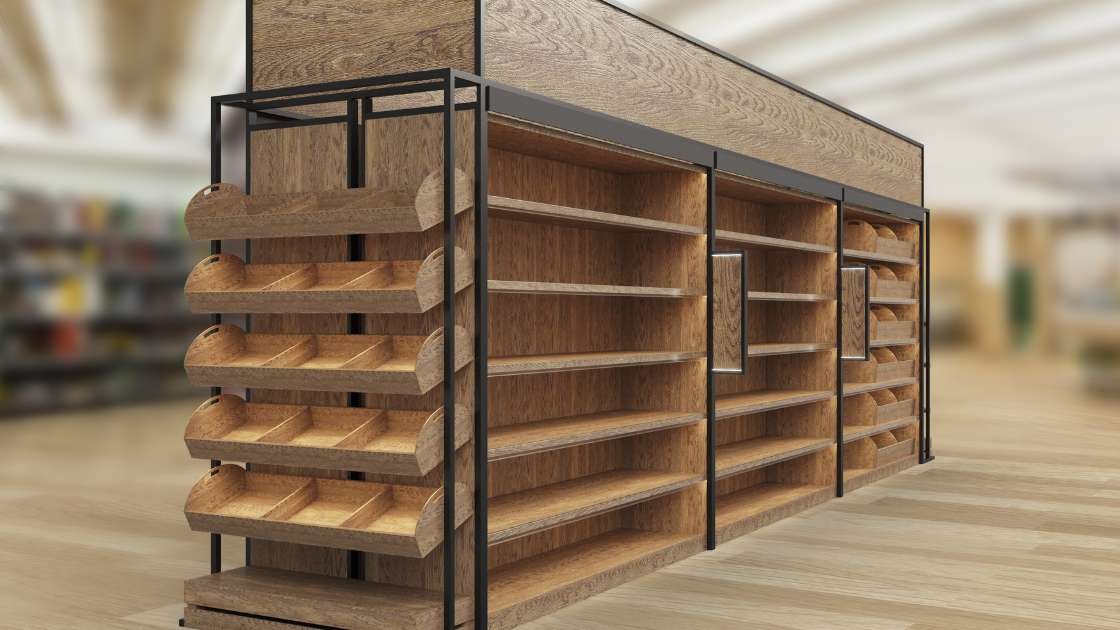
Your equipment package depends on what you plan to sell. A basic convenience store commonly needs:
- Shelving and display fixtures
- Refrigerators, freezers or walk-in coolers
- Point-of-sale hardware and software
- Barcode scanners and receipt printers
- Security cameras, alarm equipment and secure cash storage
- Coffee, fountain or foodservice equipment if those categories are part of the plan
Do not rely on one national equipment number. Request itemized quotes and separate each purchase into required-at-opening, optional-at-opening and future-upgrade categories.
- Measure the store before ordering fixtures.
- Confirm electrical and plumbing requirements for refrigeration and foodservice equipment.
- Price the POS system as hardware plus recurring software and processing costs.
- Include installation, freight, warranties and replacement equipment in the comparison.
For fuel infrastructure, use a separate project budget. GetCostIdea’s gas station construction cost guide covers the larger site-development and fuel-system expenses in more detail.
How Much Does Opening Inventory Cost?
Opening inventory can consume a large share of your startup cash because many categories must be stocked before the first customer arrives. The correct number depends on store size, supplier case quantities, product mix, credit terms and how much back stock you keep.
Which Products Should A Convenience Store Stock?
Start with categories that match local demand rather than filling every shelf simply to make the store look full. Common categories include:
- Snacks: chips, candy, nuts and protein snacks
- Packaged beverages: water, soda, energy drinks and juice
- Dairy: milk, cheese and eggs where local demand supports them
- Frozen products: ice cream and frozen meals
- Personal care: basic toiletries and hygiene products
- Household items: batteries, cleaners and other emergency purchases
- Foodservice: coffee, dispensed beverages and prepared food when the store has the equipment and permits to support them
Product mix matters to profitability. According to the National Association of Convenience Stores, foodservice represented 28.5% of U.S. convenience-store in-store sales in 2025 but generated 38.9% of in-store gross-profit dollars. Packaged beverages represented 18.7% of in-store sales.
Inventory Management: Systems And Software
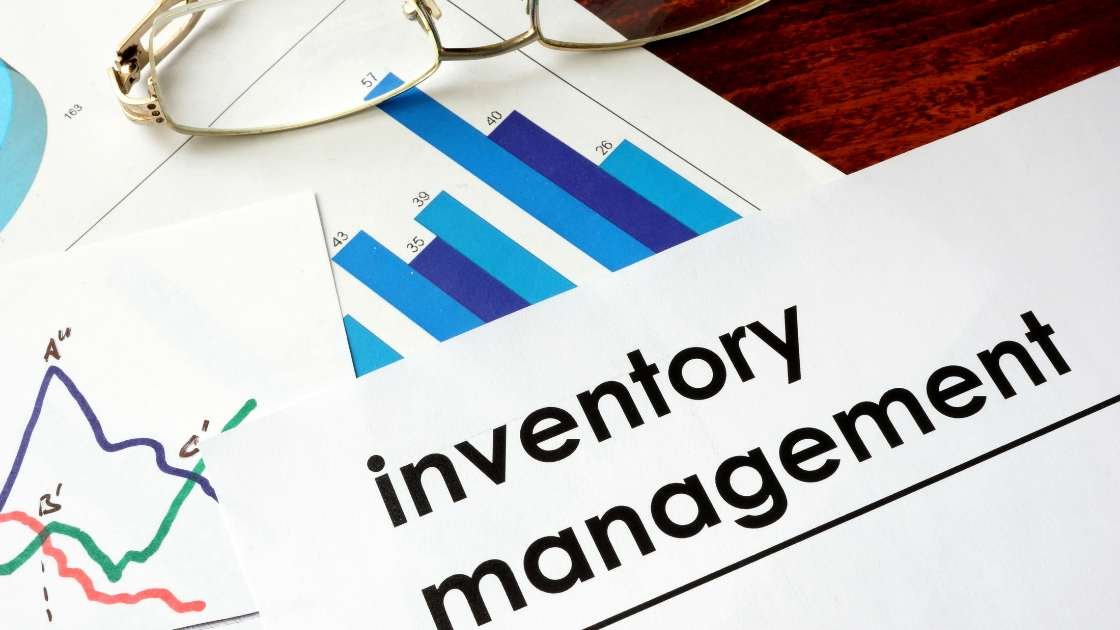
An inventory system should help you see what sold, what is running low, what is moving slowly, and what needs to be reordered. Compare systems by total cost instead of hardware price alone.
| Cost Area | What It Covers | How to Budget It |
|---|---|---|
| POS hardware | Terminals, scanner, receipt printer, cash drawer and related equipment | Get an installed hardware quote for the number of checkout stations required. |
| POS software | Sales reporting, inventory, employee access and other features | Compare monthly or annual subscription costs and contract terms. |
| Payment processing | Card and mobile-payment transactions | Model transaction fees using your expected sales mix and average ticket. |
| Optional integrations | EBT/SNAP, lottery, loyalty, accounting and other services | Confirm compatibility and any one-time or recurring integration fees. |
Opening inventory is only the first inventory expense. Reserve enough cash for early reorders so strong opening-week sales do not leave your shelves empty.
What Licenses And Permits Do You Need?
There is no universal convenience-store permit package. The U.S. Small Business Administration states that licenses, permits and fees depend on business activities, location and the government agencies involved.
Business Registration And General Permits
Your first steps can include choosing a legal structure, registering the entity where required, obtaining tax accounts and confirming city or county retail requirements. Common legal structures include:
- Sole proprietorship
- Partnership
- Limited liability company (LLC)
- Corporation
If your business needs an Employer Identification Number, the IRS issues EINs directly at no charge.
| Requirement | When It May Apply | Where to Verify It |
|---|---|---|
| State/local business and retail permits | Depends on entity, city, county, state and business activities | U.S. Small Business Administration and the relevant state/local agencies |
| EIN | Required for many entities and employers; also used for federal tax administration | Internal Revenue Service |
| SNAP retailer authorization | If the store wants to accept SNAP benefits and qualifies | USDA Food and Nutrition Service |
| Alcohol registration and licenses | If the store sells beer, wine or spirits where permitted | Alcohol and Tobacco Tax and Trade Bureau plus state/local alcohol authorities |
| Tobacco retail compliance | If the store sells tobacco or covered nicotine products | U.S. Food and Drug Administration plus state/local requirements |
| Food/health permits | Requirements increase when preparing or serving food | Local or state health department |
Important: Verify the exact rules for the store address and product mix before signing contracts or ordering regulated inventory.
Insurance: Protecting Your Investment
Insurance costs are too store-specific for one reliable national price. Coverage may include:
- General liability insurance: Helps cover certain customer injuries and liability claims.
- Commercial property or business-owner coverage: Helps protect covered equipment, inventory and property.
- Workers’ compensation: Requirements depend on state law and your employment situation.
- Additional coverage: Fuel, alcohol, commercial vehicles, foodservice or other operations can change the risk profile.
Ask a licensed commercial insurance professional for quotes based on your real address, sales categories, payroll, property values and coverage limits. Do not build the financial model from a generic online premium estimate.
What Are The Ongoing Operating Costs?
Startup cash gets the doors open. Operating cash keeps them open. Build a monthly model for occupancy, utilities, payroll, inventory reorders, processing fees, maintenance, insurance, waste, spoilage, shrink and other recurring costs.
Utilities And Maintenance

Convenience stores can have substantial electricity demand because refrigeration, freezers, lighting and POS equipment may operate for long hours.
- Electricity: Refrigeration, freezers, lighting, HVAC and foodservice equipment.
- Water and sewer: Restrooms, cleaning and foodservice where applicable.
- Internet and phone: POS, payment processing, cameras and business communications.
- Waste services: Trash, recycling and grease handling where applicable.
Maintenance should include routine cleaning plus a reserve for refrigeration, HVAC, plumbing, electrical, POS and security repairs.
| Operating Cost | Budgeting Method |
|---|---|
| Utilities | Request historical usage from the landlord or seller where available and obtain local utility-rate information. |
| Cleaning | Price employee hours or a commercial cleaning contract. |
| Equipment repairs | Use equipment age, service contracts and vendor maintenance estimates. |
| Card processing | Model fees against projected card volume and average transaction size. |
| Shrink and spoilage | Track actual losses by category after opening and update the forecast monthly. |
Employee Salaries And Training
Labor can be one of the largest recurring expenses. Your budget depends on opening hours, local wages, number of workers per shift, overtime, payroll taxes and benefits.
The following are 2025 national median annual wages reported by the U.S. Bureau of Labor Statistics for occupations in food and beverage stores. They are benchmarks, not guaranteed convenience-store salaries.
| Position | 2025 BLS Median Annual Wage |
|---|---|
| First-line supervisor/manager of retail sales workers | $50,110 |
| Cashier | $34,220 |
| Stock clerk/order filler | $35,880 |
Build payroll from the hourly rates you expect to pay in your city rather than simply multiplying a national salary estimate. Include training time, employer payroll taxes and any required benefits.
Marketing And Customer Acquisition Costs
A new convenience store needs local awareness, but marketing does not require one fixed national budget. Base spending on your location, competition, opening strategy and customer-acquisition goals.
Grand Opening Campaign
Common launch expenses include:
- Exterior banners and approved signs
- Flyers or local direct-mail advertising
- Local search and map listings
- Social media promotion
- Opening-week discounts or samples where legally permitted
Set the grand-opening budget after pricing the actual channels you plan to use. Track which promotions drive transactions so later marketing dollars go to campaigns that produce measurable results.
Building Customer Loyalty: Strategies And Programs
Loyalty programs can increase repeat visits, but the system should fit the store’s POS and customer base.
| Program | What to Price |
|---|---|
| Points program | Software integration, rewards cost and administration |
| Discount club | POS rules, promotional discounts and customer communication |
| Digital membership | Software, messaging and privacy/compliance requirements |
Include loyalty software and the cost of redeemed rewards in your operating forecast rather than treating the program as free marketing.
How Much Working Capital Should You Plan?
Opening day is not the finish line for the startup budget. You need enough liquidity to keep paying bills while sales develop and while inventory begins cycling through reorders.
The U.S. Small Business Administration recommends organizing startup expenses into one-time and monthly categories and modeling recurring expenses to understand how much capital the business needs.
Build A 12-Month Operating Forecast
Start with your one-time costs:
- Lease deposit or property acquisition costs
- Licenses and permits
- Build-out and renovations
- Shelving, refrigeration and equipment
- Opening inventory
- Signage and grand-opening costs
Then model recurring expenses:
- Rent or mortgage payments
- Payroll and employer costs
- Utilities
- Inventory replenishment
- Insurance
- Card-processing and software fees
- Cleaning, maintenance and waste services
- Interest and debt payments where applicable
Use realistic sales assumptions from local traffic, competitors, expected transaction volume and product mix. Test a conservative case as well as your expected case so you can see what happens if sales grow more slowly than planned.
How Do You Calculate Break-Even?
There is no dependable rule that every convenience store earns back its investment within one, two or three years. Break-even depends on the store’s fixed costs, variable costs, gross margin, debt and sales.
The SBA’s break-even calculator uses fixed costs and contribution per unit to estimate the sales required to cover expenses. A convenience store with thousands of products will usually need a broader financial model, but the principle is the same: know how much gross profit must be generated before fixed expenses are covered.
| Factor | Effect on Break-Even |
|---|---|
| Location and traffic | More qualified customer traffic can support higher transaction volume, but premium locations can also carry higher occupancy costs. |
| Product mix | Categories with stronger gross-profit contribution can improve store economics when demand supports them. |
| Inventory control | Better ordering can reduce stockouts, excess inventory, spoilage and tied-up cash. |
| Labor scheduling | Matching staffing to customer volume helps control payroll without hurting service. |
| Debt | Loan principal and interest increase the cash the business must generate. |
Review actual sales, gross profit, payroll and operating expenses every month. Update the forecast when real results differ from the original assumptions.
Sources And Methodology
The startup ranges in this guide are planning benchmarks rather than an official government national average. The budgeting framework and current factual benchmarks were cross-checked against the following sources:
- U.S. Small Business Administration — Calculate Your Startup Costs
- U.S. Small Business Administration — Licenses and Permits
- U.S. Bureau of Labor Statistics — Food and Beverage Stores
- NACS — 2025 U.S. Convenience-Store Industry Data
- Internal Revenue Service — Employer Identification Numbers
- USDA Food and Nutrition Service — SNAP Retailer Authorization
- U.S. Food and Drug Administration — Federal Tobacco Retail Rules
- Alcohol and Tobacco Tax and Trade Bureau — Beverage Alcohol Retailers
- Toast — Convenience Store Opening Cost Guide
Frequently Asked Questions About Convenience Store Startup Costs
Is Owning A Convenience Store Profitable?
A convenience store can be profitable, but profitability is not guaranteed. The result depends on sales volume, gross margin, rent, payroll, inventory control, shrink, debt and product mix. Current NACS data shows why foodservice deserves attention: it produced 38.9% of U.S. convenience-store in-store gross-profit dollars in 2025 while representing 28.5% of in-store sales.
How Much Does It Cost To Start A Convenience Store In The U.S.?
For early planning, a lean leased convenience store without fuel may start around $50,000–$100,000. A more fully equipped independent no-fuel store can require roughly $100,000–$450,000. A ground-up store with fuel can exceed $1 million and may cost several million dollars. Treat these as planning ranges and replace them with local bids, supplier quotes and government fee schedules before committing money.
How Much Does A Convenience Store Owner Make A Year?
There is no dependable national owner-income figure that applies to every convenience store. Owner take-home income depends on the store’s net profit after inventory cost, payroll, rent or mortgage payments, utilities, card fees, insurance, maintenance, debt service, taxes and reinvestment. Use the store’s financial statements rather than a generic salary estimate to judge earning potential.
What Makes The Most Money In A Convenience Store?
Foodservice is currently one of the strongest contributors to in-store gross profit. NACS reported that foodservice generated 38.9% of U.S. convenience-store in-store gross-profit dollars in 2025. The category includes prepared food and hot, cold and frozen dispensed beverages. Packaged beverages were also a major sales category, accounting for 18.7% of in-store sales.
What Licenses Do I Need To Open A Convenience Store?
The exact licenses depend on the store’s state, county, city and product mix. You may need business and retail registrations, food or health permits, and additional approvals for alcohol, tobacco, lottery or other regulated products. SNAP retailers must be authorized by USDA before accepting SNAP benefits. Verify every requirement with the responsible government agency for your store address.
How Much Inventory Do I Need To Open A Convenience Store?
There is no reliable one-size-fits-all inventory amount. Build the opening order from the store’s shelf space, cooler capacity, supplier case sizes, expected sales, product mix and vendor payment terms. Keep additional cash available for early reorders instead of spending the entire inventory budget before opening day.
Conclusion
A practical U.S. convenience-store budget can range from roughly $50,000 for a very lean leased no-fuel launch to several hundred thousand dollars for a more complete independent store. Ground-up projects with fuel can move beyond $1 million. The range matters less than the quality of your local numbers. Before signing a lease or applying for financing, price the property, build-out, refrigeration, POS, security, opening inventory, licenses, insurance and payroll, then build a 12-month operating forecast with enough cash for early reorders and unexpected expenses.