
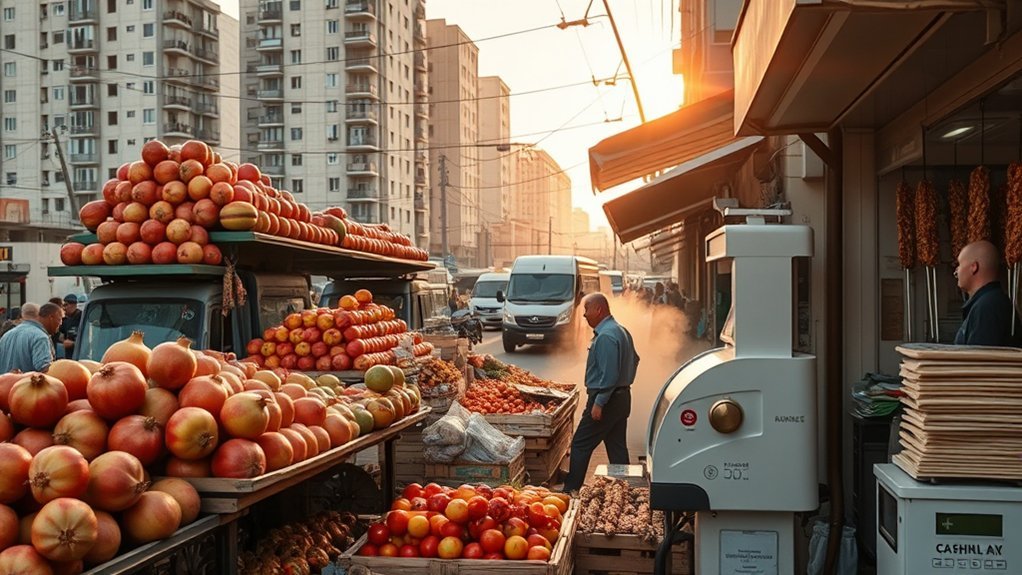
You can live cheaply in Uzbekistan: a single person’s average monthly budget is about $677, roughly 1.7× cheaper than the global average. Rent is the biggest cost, with a one-bed in Tashkent ranging from $380 to $600, while utilities run about $50–$55 per apartment and internet around $10–$16 (60+ Mbps). Groceries and transport are very affordable (milk ~$1.07, bus ~$0.13–$0.24). Keep reading for detailed city, food, and salary breakdowns.
Quick Answer
- A single person needs roughly $677/month on average, about 1.7× cheaper than the world average.
- Rent in Tashkent runs $380–$600 for a one-bedroom; a decent small apartment costs around $800/month.
- Utilities average $50–$55/month per apartment; internet (50+ Mbps) adds $10–$16.
- Food is affordable: lunch menus average $5.36, dinner for two around $33, and basic groceries stay low.
- The national average after-tax salary is only about $470/month, so expats with foreign income have a clear advantage.
Overview of Living Expenses in Uzbekistan

Prices vary by city and lifestyle, but overall Uzbekistan is an affordable place to live. The average cost of living runs about $677 per month, roughly 1.69 times cheaper than the world average. According to Numbeo’s Uzbekistan cost-of-living data, these figures align closely with crowdsourced reports from residents and expats.
Core expenses stay low. Basic groceries like 1L of milk (~$1.07) and 0.5 kg of bread (~$0.39) keep weekly food bills modest. Utilities average about $50–$55 per month for an 85 m² apartment.
Eating out is affordable too. Lunch menus average $5.36 and a dinner for two costs about $33, so dining out occasionally won’t break your budget.
Local transport is cheap. Single tickets run ~$0.13–$0.24 and an 8 km taxi is about $3.10–$3.30.
One thing to watch: housing in major centers can push your total higher. Small, well-equipped apartments in Tashkent average around $800 monthly, so factor that into any long-term budget.
Housing and Utilities Costs by City
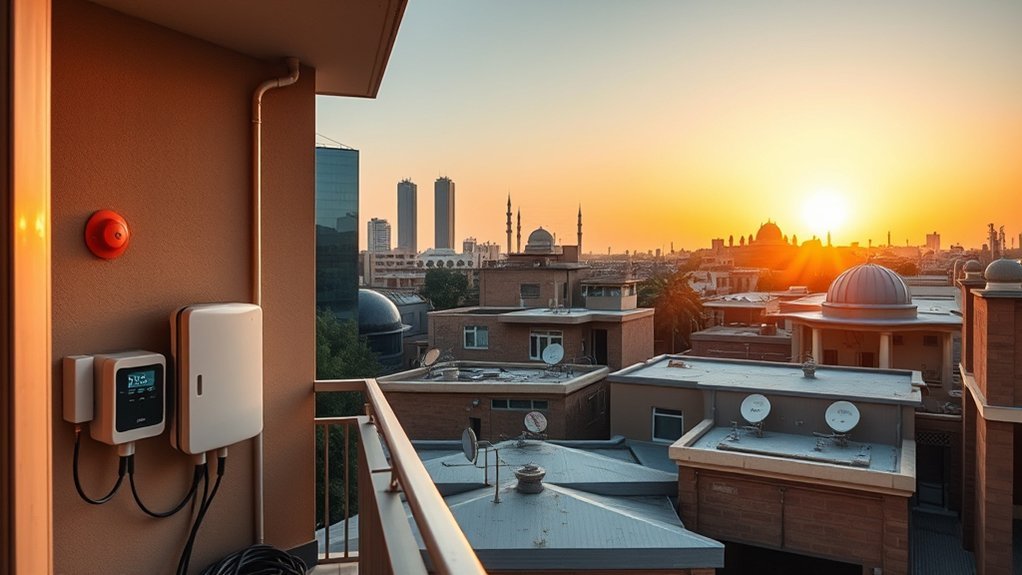
There are clear rent gaps across Uzbek cities. Expect about $600 for a one-bedroom in central Tashkent, closer to $380 outside the center, and roughly $1,120 for a three-bedroom in prime areas.
Utilities stay modest at about $50–$55 per 85 m² apartment, with 50+ Mbps internet costing $10–$16 per month.
Always compare furnished versus unfurnished listings carefully. Neighborhood and building amenities can push rents considerably higher.
Average Rent Differences
Location drives cost more than anything else. In Tashkent, a one-bedroom in the city center averages about $600/month versus $380 outside the center. A three-bedroom downtown runs roughly $1,120. Utilities add another $50–$55 for an 85 m² apartment, and internet comes in at $10–$16.
Those figures strongly favor smaller units or suburban areas for anyone on a tight budget.
When planning housing costs, keep these points in mind:
- City-center one-bedrooms command a premium, typically 40–60% higher than suburbs.
- Suburbs offer cost savings with similar living space.
- Larger units jump substantially in price in prime areas.
- Internet costs are low relative to rent across all city types.
Utilities: Typical Bills
A reliable monthly baseline for utilities is $50–$55 per 85 m² apartment. Internet (50+ Mbps) adds about $10–$16. That keeps total housing-related costs modest, even alongside a $600 city-center rent.
Larger cities tend to push utility bills slightly higher, while smaller towns stay below these averages. Watch for seasonal spikes in heating costs during winter in regional centers. The table below gives a quick snapshot.
| Item | Typical monthly cost |
|---|---|
| Single-person utilities | $50–$55 (per apartment) |
| Family utilities | $50–$55+ (larger flats higher) |
| Internet (50+ Mbps) | $10–$16 |
| City-center one-bedroom rent | $600 |
Furnished Vs Unfurnished
Once you’ve settled on a city, decide whether to rent furnished or unfurnished. The choice affects both upfront costs and your monthly budget.
In Tashkent, one-bed city-center units average about $600/month versus $380 outside the center. Furnished units sometimes include utilities, though the rent premium varies by listing. Smaller cities are cheaper across both options.
- Furnished: higher rent, lower setup time, sometimes utilities included.
- Unfurnished: lower rent, larger upfront furnishing cost, more control.
- Tashkent vs smaller towns: significant price gap worth factoring in.
- Expats: furnished rentals often simplify move-in logistics and bill management.
Food, Groceries, and Dining Out Prices
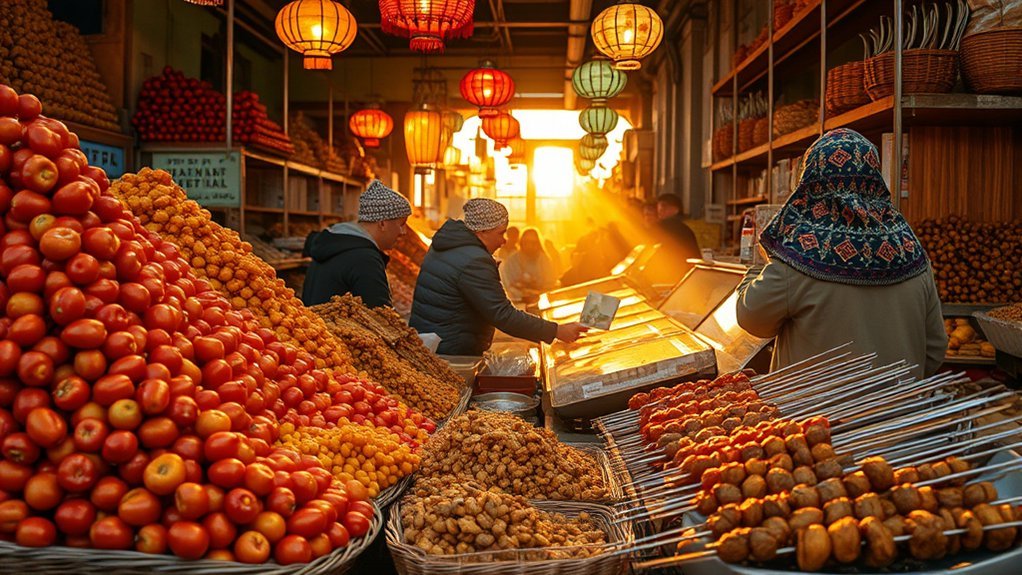
Food and dining in Uzbekistan are generally cheaper than in most Western countries. A typical lunch runs about $5.36, dinner for two averages $33, and fast-food meals cost roughly $4.15.
Grocery bills stay low too. One liter of milk is about $1.07 and 0.5 kg of bread costs $0.39. Buying local produce keeps weekly supermarket totals modest.
Local restaurants offer varied menus at accessible prices. Some cities even have Japanese-style options, though fresh fish quality tends to lag behind what you’d find in Japan.
For budget planning, a mix of home cooking and occasional dining out works well. If you prefer eating out frequently, budget around regional averages. If you cook most meals, groceries will significantly reduce your monthly food spend while still leaving room for dining splurges.
Transportation, Communication, and Healthcare Expenses
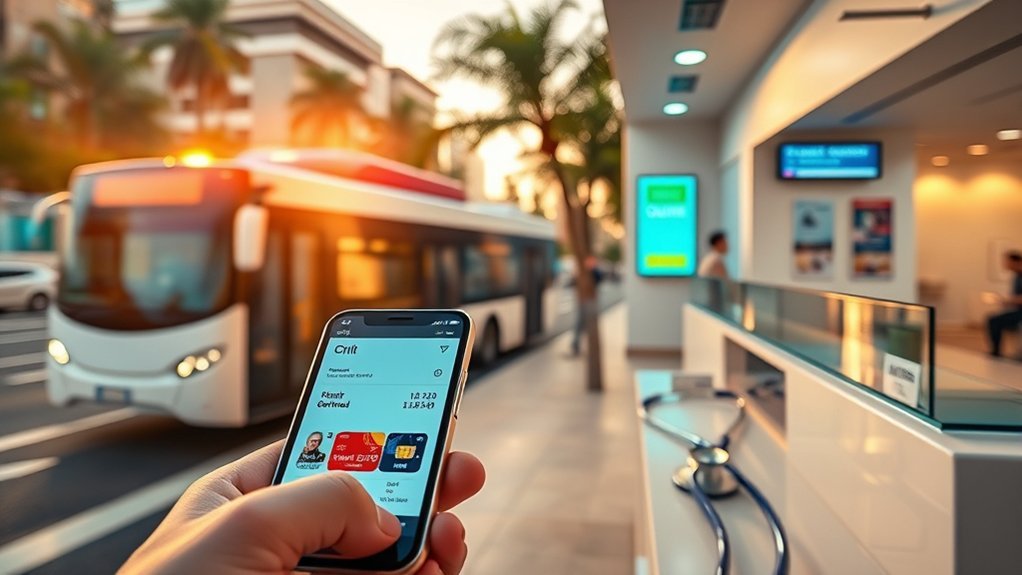
Getting around Uzbekistan is inexpensive. Public transit single tickets run about $0.13–$0.24 and a monthly pass costs roughly $10–$11, making metro and bus commuting very economical. Taxis are a flexible option for door-to-door travel, with an 8 km ride costing about $3.10–$3.30.
- Local transport: ~$0.13–$0.24 per ride; monthly pass around $10–$11, ideal for daily commuters.
- Taxis: ~$3.10–$3.30 for 8 km, competitive for short urban trips.
- Internet and utilities: internet (50+ Mbps) averages $10–$16/month; basic utilities for an 85 m² apartment average $50–$55/month; some regions have slower or less reliable connections.
- Healthcare: quality varies. Many expats pay extra for private clinics because public facilities often lack modern standards.
Budget for public transport plus occasional taxis, add internet and utility costs, and set aside a buffer for private healthcare if you want consistent quality.
Products Worth Considering

Uzbekistan Flag Vintage design. Great for your next Uzbekistan Trip with this Vintage Grunge Uzbekistan Flag Outfit. If your favourite country is Uzbekistan, then this cool Uzbekistan Outfit with the Uzbekistan flag is perfect for you.

Salaries, Savings, and Budgeting for Expats

The average after-tax pay sits around $470/month nationally (2024–2025). That income covers only about 0.7 months of expenses based on a $677 cost-of-living baseline, which means many locals can’t afford a comfortable urban lifestyle without additional income or subsidies. For broader economic context, see World Bank data on Uzbekistan.
As an expat, you’ll typically earn more than the national average, but you should still budget carefully against local prices and expat expectations. Housing in Tashkent will be your largest line item, around $800/month for a decent small apartment.
Utilities are modest (~$50–$55/month per apartment) and transport is cheap (~$0.13–$0.24 per ride), which lowers recurring costs. Compare your potential wages to the $677 baseline and the $800 housing estimate to figure out what net income you need. Aim for at least 1.5–2× the local cost-of-living to save meaningfully.
Prioritize housing negotiations, use public transport daily, and track utility usage to maximize savings while staying comfortable.
Pros and Cons of Living in Uzbekistan
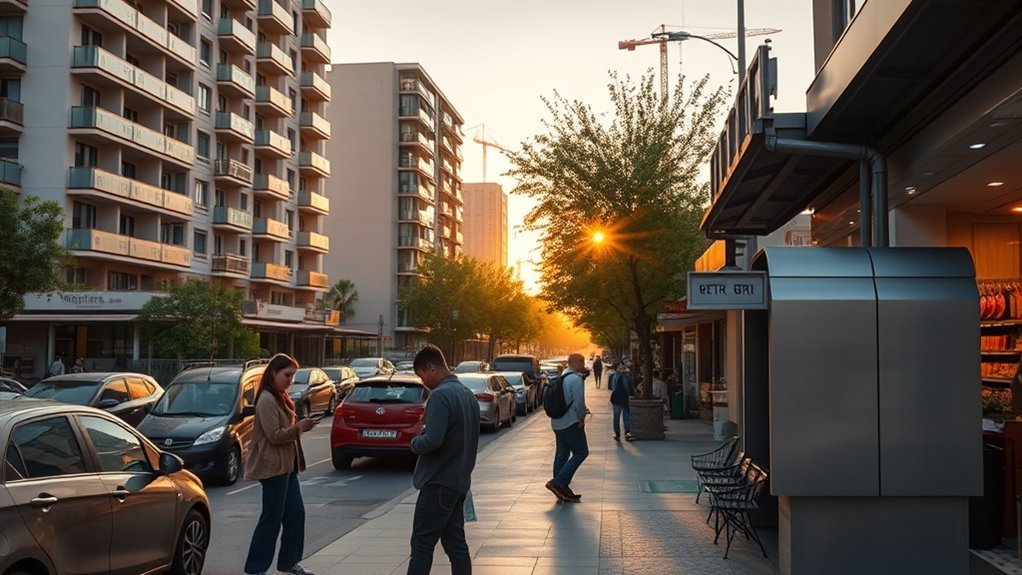
With a monthly cost of living around $677, which is about 1.69 times lower than the world average, most expat salaries go further here. City-center rents near $600 and cheap transport at $0.13–$0.24 per ride help stretch budgets considerably.
On the other hand, lower wages in some sectors and variable healthcare quality require careful planning before you relocate. Limited English proficiency outside major cities can also raise non-monetary costs when navigating daily life.
Living Costs Vs Income
Uzbekistan’s overall cost of living is attractive compared to the world average. But local income realities create a real gap. The average after-tax salary is only about $470 a month, which covers roughly 0.7 months of a $677 baseline budget.
Residents often need extra income sources to reach a comfortable standard of living. Key figures to weigh:
- Average salary: ~$470 after tax, which falls short of basic monthly costs.
- National cost of living: $677, attractive versus global averages.
- Tashkent rent: $800 for a decent small apartment; ~$600 for a one-bedroom city center.
- Dining: ~$33 for two, affordable for visitors but a real expense for locals.
These numbers show regional affordability that still leaves many locals financially stretched.
Language and Services Accessibility
English is rare outside major cities. Public services and healthcare operate mainly in Uzbek or Russian, and limited English raises transaction and time costs for expats. Translation apps and learning basic phrases will cut repeated interpreter fees. Urban centers have pockets of English-speaking resources that reduce costs for expat-focused services.
| Situation | Likely Language | Cost Impact |
|---|---|---|
| Rural clinic visit | Uzbek/Russian | Higher communication time/call for help |
| City private hospital | Russian/English mix | Moderate interpreter fees |
| Government office | Uzbek/Russian | Potential delays, extra visits |
| Expat community services | English available | Lower hidden costs, faster resolution |
Set aside a modest budget for translation help and extra time when building your cost estimates.
Frequently Asked Questions
How Much Do You Need to Live in Uzbekistan?
You’ll need about $677 monthly on average. Expect around $800 for a small Tashkent apartment, $50–$55 for utilities per apartment, and affordable meals throughout. Keep in mind the average after-tax salary is roughly $470 monthly, so most locals supplement their income.
How Much Does a Coke Cost in Uzbekistan?
A 0.33L Coke costs about $0.82 in local stores and roughly $1.39 in restaurants. Prices climb in Tashkent, and buying in bulk or at supermarkets brings the unit cost down.
Is Uzbekistan an Expensive Country?
No. Overall living costs run around $677 monthly, city-center rents are near $600, and transport is $0.13–$0.24 per ride (or $10–$11 monthly). Costs are affordable compared to global averages, especially outside major cities.
What Is the Cheapest City in Uzbekistan?
Samarkand is among the cheapest cities in Uzbekistan. Rents run around $225 for a one-bedroom in the center, meals cost about $4, local transport is $0.15–$0.20, and overall living costs are roughly 1.5 times lower than Tashkent.
Conclusion
Living in Uzbekistan can be very affordable. Regional cities offer low housing and food costs, Tashkent runs higher on rent, and public transport and utilities stay cheap throughout the country. You’ll save more by shopping local and living outside the capital. Salaries are modest, so budget realistically for healthcare and any international travel. Weigh the low day-to-day expenses against limited local wages and you’ll have a clear picture of what life here actually costs.
