You’ll typically need about €1,300–€1,600 a month to live comfortably in Latvia as a single person if you rent a modest apartment, use public transport, cook often, and keep entertainment spending reasonable. Non-rent expenses can sit near €982 for one person, while a 1-bedroom city-center flat may average around €524. Utilities and internet can add roughly €309, groceries are usually moderate, and public transport passes are often near €39. Local salaries can be much lower than Western European wages, so the real question is not only whether Latvia is cheap, but whether your income fits the lifestyle you want.
Quick Answer
Latvia is generally affordable compared with many Western European countries. A single renter may need about €1,300–€1,600 monthly for a comfortable but practical lifestyle, while families need much more. Rent, winter utilities, private healthcare, school costs, and income level make the biggest difference.
Key Takeaways
- Latvia can be affordable, but rent and utilities take a large share of local take-home pay.
- A single person should usually budget around €982 before rent, then add housing, utilities, and internet.
- Riga is usually the most expensive area, while smaller cities and shared housing can reduce monthly costs.
- Groceries, public transport, basic dining, and many everyday services remain reasonable by European standards.
- Winter heating, private schooling, visa needs, and language requirements can change the budget quickly.
Cost of Living Overview and Monthly Budgets
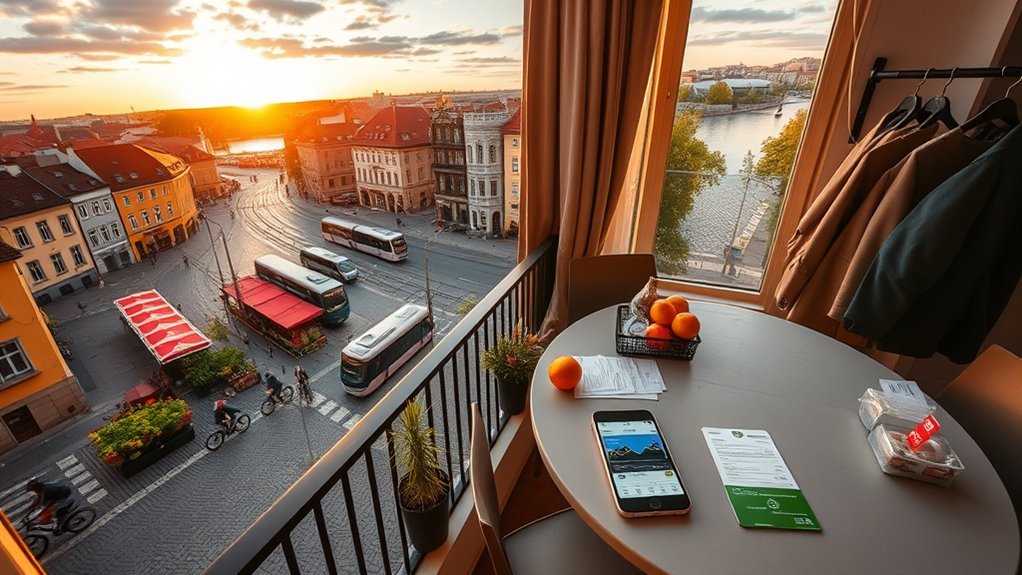
While Latvia’s overall cost of living stays well below many Western European countries, you should still plan carefully. A realistic baseline is roughly €982.40 per month for a single person before rent and about €3,283.70 for a family of four before rent. After that, add housing costs, utilities, internet, transport, healthcare, and any school or visa-related expenses.
Latvia can feel inexpensive if you earn foreign income, but it can feel tight if you rely only on an average local salary.
For a simple monthly estimate, a single renter in Riga might combine non-rent expenses of about €982 with a 1-bedroom city-center rent near €523.68. That places a practical comfort budget near €1,500 before savings, debt payments, insurance upgrades, travel, or major lifestyle spending.
You’ll find utilities such as heat, electricity, and water can average about €291.75 per month, while reliable internet may cost around €17.38 for a 60+ Mbps plan. Together, those fixed home services can add about €309–€310 on top of rent.
Food costs remain moderate. A three-course meal for two may run about €50, while a simple lunch menu can average around €13.10. If you cook most meals at home, your budget stretches much further than if you rely on cafés, delivery, and restaurants.
Note: Prices vary by city, season, apartment size, energy use, and lifestyle. Treat every figure as a planning estimate, then confirm current rent and utility costs before signing a lease.
Monthly Budget at a Glance
| Single Person, No Rent | Around €982 for food, transport, personal costs, and daily expenses |
| Single Renter in Riga | Often around €1,300–€1,600 depending on rent, utilities, and lifestyle |
| Family of Four, No Rent | Around €3,283 before rent, school fees, private care, or car ownership |
| Biggest Budget Pressure | Rent, winter heating, local salary level, private education, and healthcare preferences |

Die With Zero offers a fresh perspective on personal finance by encouraging readers to use money intentionally to create memorable life experiences instead of simply accumulating wealth. Written by Bill Perkins, this book combines practical guidance with a motivating philosophy to help readers align spending, saving, and life goals for a more fulfilling future.

This hardcover cookbook offers fast, approachable recipes designed for busy days and low-energy nights. Caroline Chambers focuses on simple, flavorful meals that help you get dinner on the table without overthinking it. It's a practical pick for home cooks who want quick weeknight inspiration and minimal-fuss cooking.

Come Eat offers 100 approachable recipes designed to make everyday cooking more enjoyable, nourishing, and sustainable. With a focus on flavorful meals and practical preparation, this hardcover cookbook is ideal for home cooks looking for inspiration for salads, sides, and main dishes. Author Melissa Ben-Ishay shares recipes that encourage consistent, feel-good eating without sacrificing taste.
Housing and Rental Prices in Riga and Beyond
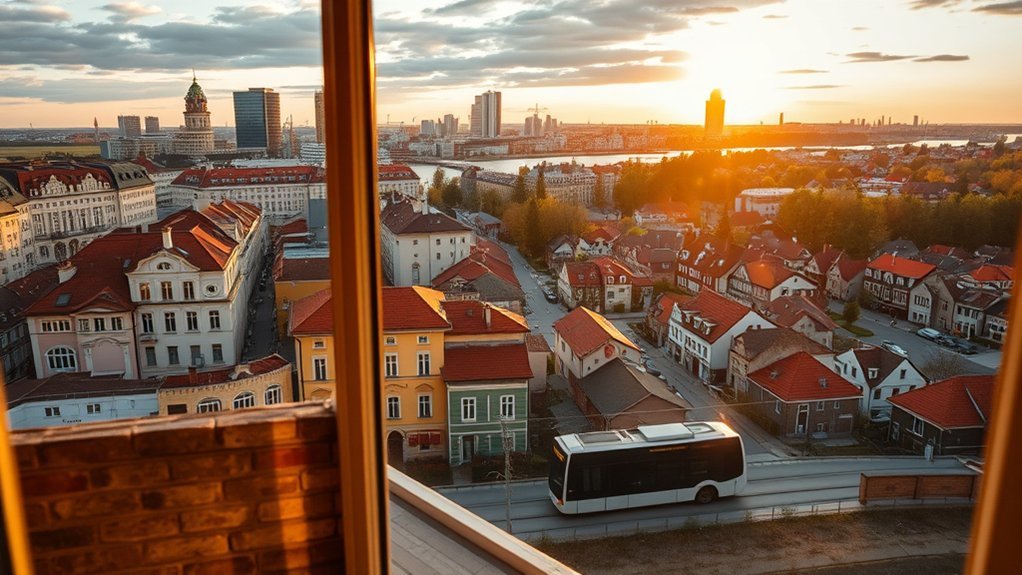
Now that you’ve estimated monthly non-rent costs, housing is the next major line item. In Riga, a 1-bedroom city-center flat may average about €523.68 per month, while a small 1-bedroom can be found near €400. Furnished studios near popular areas such as Spice mall may start around €270, and larger 3-bedroom apartments outside the center can sit near €645.45.
You’ll use these figures to balance location, space, and cost. If you prioritize central access, expect higher rental prices but lower commute costs. If you choose a small 1-bedroom, studio, or shared flat, you can reduce monthly spending sharply. A 3-bedroom outside the center raises the rent total but gives more living space, which may work better for families or remote workers.
Also plan for deposits, agency fees, utility differences, building condition, heating type, parking, and seasonal availability. Older apartments may look cheaper at first, but winter heating can change the true monthly cost. Newer or renovated flats may cost more in rent but sometimes offer better insulation and comfort.
| Unit type | Avg rent | Notes |
|---|---|---|
| Studio (furnished) | €270 | Near Spice mall; practical for short stays or lower budgets |
| 1-bedroom (small) | €400 | Affordable option if you do not need much space |
| 1-bedroom (center) | €523.68 | Central convenience, shorter commutes, higher demand |
| 3-bedroom (outside center) | €645.45 | More space; useful for families or shared housing |
Pro Tip: When comparing apartments, ask for the average winter utility bill, not only the rent. A cheaper flat with poor insulation can cost more over a full year.
Utilities, Internet, and Household Expenses
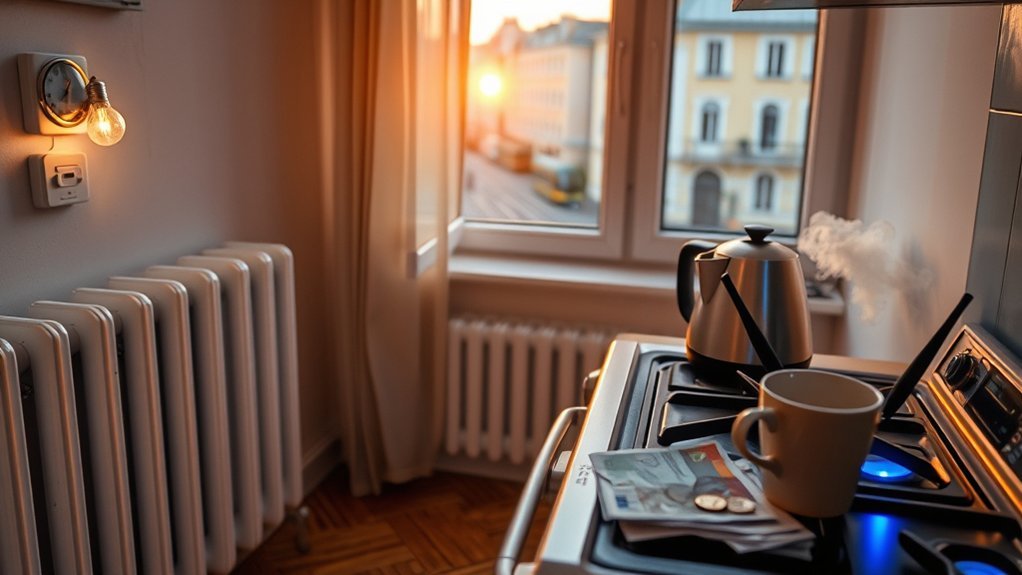
Expect your household utilities—electricity, heating, and water—to average about €291.75 per month for a small apartment, though the actual amount depends heavily on building condition, apartment size, heating system, and winter weather. Internet is comparatively affordable, with a high-speed plan often around €17.38 monthly.
Compare those fixed costs to rent levels. Single rooms may start from about €200, city-center 1-bedroom apartments may sit near €523.68, and 3-bedroom units outside the center may average around €645.45. Rent plus utilities can consume a large share of an average local salary, so this category deserves the most attention.
Also budget for routine household supplies such as cleaning products, toiletries, laundry items, light bulbs, kitchen basics, replacement towels, small appliances, and occasional repairs. These items may not feel expensive one by one, but they create a steady monthly outlay.
Monthly Utility Breakdown
If you’re budgeting for a household in Latvia, plan on around €275–€292 a month for core utilities such as electricity, heating, water, and related building services. Small apartments can still see noticeable winter increases, especially if heating is inefficient or billed by usage.
Add roughly €17.38 for a high-speed internet plan and factor in rent differences. City-center 1-bedroom apartments at about €523.68, 3-bedroom apartments outside the center near €645.45, and single rooms from around €200 can produce very different monthly totals.
For practical planning, use utilities as a fixed monthly budget line, add internet, then layer rent by unit type. Expect seasonal spikes from heating in winter and keep a 10–20% buffer for variability, repairs, deposits, and surprise charges.
Internet Plans and Costs
One clear monthly line item you should plan for is internet. A basic high-speed plan of 50 Mbps or more may run about €17.38. That makes internet one of the more manageable fixed costs compared with rent, heating, and groceries.
You’ll find internet plans competitively priced in many urban areas. Bundled deals with TV or mobile can sometimes lower total household bills, but check contract terms, installation fees, cancellation rules, and speed guarantees before choosing a provider.
| Item | Monthly Cost | Notes |
|---|---|---|
| Internet (50+ Mbps) | €17.38 | Basic high-speed plan |
| Utilities (small apartment) | €291.75 | Electricity, heating, water, and basic services |
| City transport pass | €38.70 | Useful for commute comparisons |
Compare providers and check contract terms to avoid surprises. If you work from home, prioritize stable speed, router quality, and backup mobile data rather than choosing only the cheapest plan.
Household Supplies Expenses
Start by tallying predictable monthly essentials. Utilities may average about €291.75, internet may add roughly €17.38, and household supplies add a smaller but steady amount. When combined with average city-center rent of about €523.68, housing and home costs can quickly dominate a local income.
Use these figures to model your baseline living costs and identify where small adjustments can free up budget room. Cheaper internet bundles, better shopping habits, lower heating use, shared housing, and careful grocery planning can all improve monthly breathing room.
You should treat household supplies expenses as a control point. Track recurring grocery and personal-care spending, set weekly limits, buy seasonal produce, compare stores, and avoid buying large quantities of items that may expire or go unused.
Small, repeatable savings on supplies and energy quickly improve disposable income, especially if your salary is close to the local average.
Grocery and Everyday Shopping Costs
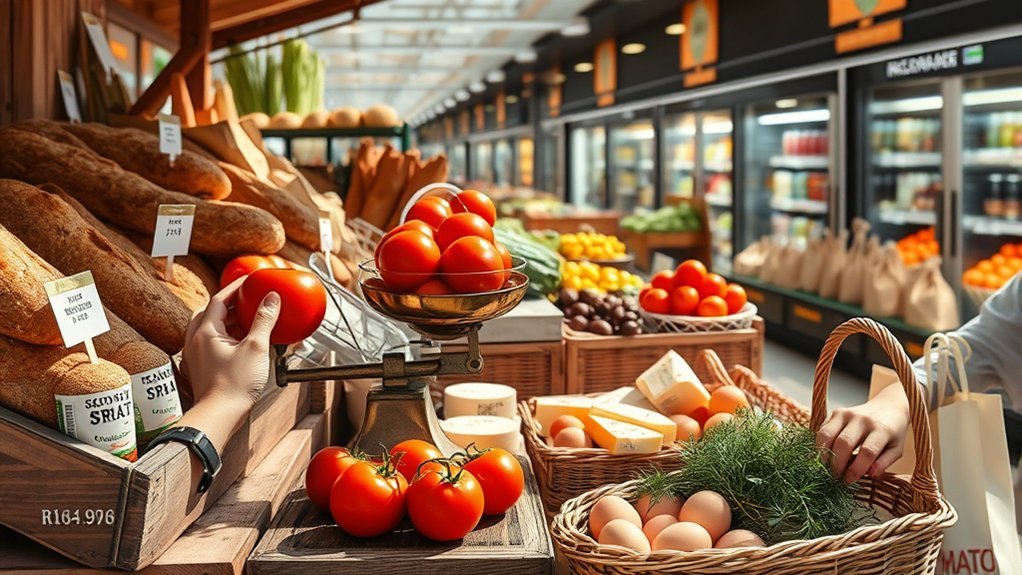
You’ll find typical supermarket staples like 1 liter of whole milk for about €1.42 and a dozen large eggs for around €3.01. These figures help you build a practical weekly grocery plan, especially if you cook most meals at home.
Fresh produce is usually manageable. Tomatoes may cost around €2.95 per kilogram, apples about €1.32 per kilogram, and 500 g of local cheese roughly €1.63. Prices vary by season, store, city, and whether you shop at a supermarket or local market.
Expect household essentials and personal care items to remain fairly accessible. A 6-day cold medicine may cost around €5.32, a 12-dose antibiotic pack around €11, and a men’s haircut in expat areas around €20. Prescription rules, availability, and insurance coverage can vary, so do not assume every medicine is available without a local doctor or pharmacy advice.
Typical Supermarket Prices
Grocery bills in Latvia are noticeably budget-friendly compared with many higher-cost European cities. A liter of whole milk may run about €1.42, a dozen large eggs about €3.01, and apples about €1.32 per kilogram.
You’ll find basic items priced to keep living costs more manageable. A kilo of tomatoes may cost around €2.95, and 500 g of local cheese about €1.63, so you can plan simple meals affordably without sacrificing basic nutrition.
- Milk €1.42/L — useful for breakfasts, coffee, baking, and cooking.
- Eggs €3.01/12 — a practical protein source for simple meals.
- Apples €1.32/kg — a lower-cost fruit option for snacks and lunches.
- Cheese €1.63/500 g and tomatoes €2.95/kg — useful for salads, sandwiches, pasta, and quick meals.
Prices reflect practical, everyday shopping choices. Imported foods, specialty diets, premium brands, and convenience products can raise your monthly grocery budget.
Fresh Produce Costs
Although prices vary by season and market, fresh produce in Latvia stays generally affordable. Expect apples around €1.32 per kilogram and tomatoes near €2.95 per kilogram, while staples like milk, eggs, and local cheese help keep simple meals inexpensive.
You’ll find fresh produce costs consistently lower than in many Western European cities, especially if you buy local and shop markets. Seasonal produce usually gives better value than imported fruit and vegetables.
Plan for small weekly purchases to maximize freshness and minimize waste. Compare supermarket chains and farmer markets. Chains offer convenience and predictable prices, while markets may offer better per-kilogram value during peak season.
For budgeting, allocate roughly €25–€40 per person weekly for basic fruits, vegetables, dairy, and eggs, then adjust for diet, appetite, cooking habits, and whether you buy meat, fish, imported snacks, or specialty items.
Household Essentials Pricing
When you shop for household essentials in Latvia, expect competitive prices on basics: a liter of whole milk may run about €1.42, a dozen large eggs about €3.01, 1 kg of tomatoes about €2.95, 1 kg of apples about €1.32, and 500 g of local cheese about €1.63.
Common personal-care and health items also stay fairly accessible. Cold medicine for six days may cost roughly €5.32, a 12-dose antibiotic box about €11, and a men’s haircut in expat areas around €20. Always follow local medical rules and pharmacist guidance for medicines.
You’ll find household essentials pricing competitive across supermarkets and local markets, so you can plan weekly budgets more precisely. Consider these typical purchases to estimate monthly needs and reduce waste.
- Weekly milk and eggs: €5–€8 depending on household size and usage.
- Fresh produce basket: €10–€20 for basic fruit and vegetables.
- Cheese and staples: €5–€12 depending on brand and quantity.
- Personal care and medicines: €6–€25 depending on needs.
Pro Tip: Build your food budget around local staples first, then add imported or specialty items only after you know your real monthly rent and utility costs.
Eating Out, Entertainment, and Nightlife Prices
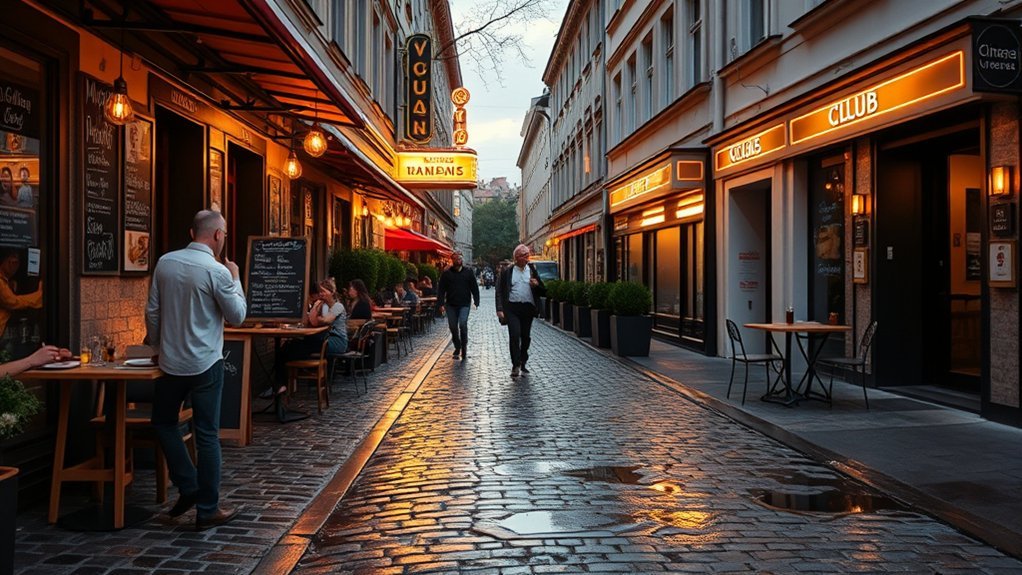
Eating out and going out in Latvia can stay affordable if you choose casual venues. A basic pub dinner for two may run about €25, an Italian dinner about €68, and a downtown cocktail roughly €10. This lets you mix low-cost and mid-range options without destroying your monthly budget.
For eating out, neighborhood pubs and casual restaurants often deliver strong value. A €25 pub meal may cover two main courses and a drink each in many areas, while more central, tourist-friendly, or upscale restaurants cost more.
Entertainment prices are varied but predictable. Two movie tickets may cost around €17, making cinema nights inexpensive compared with many Western cities. If you prefer higher-culture outings, top-tier theater seats can be about €100 for two, reflecting premium demand in Riga.
Nightlife is accessible. Cocktails at about €10 let you socialize without steep spending, though multiple drinks, club entry, ride-hailing, and late-night food can raise the final bill quickly.
A practical entertainment budget for one person might include a few casual meals, one or two cinema nights, occasional coffee, and limited drinks. If you dine out often, your food budget can double compared with cooking at home.
Transportation and Mobility Expenses
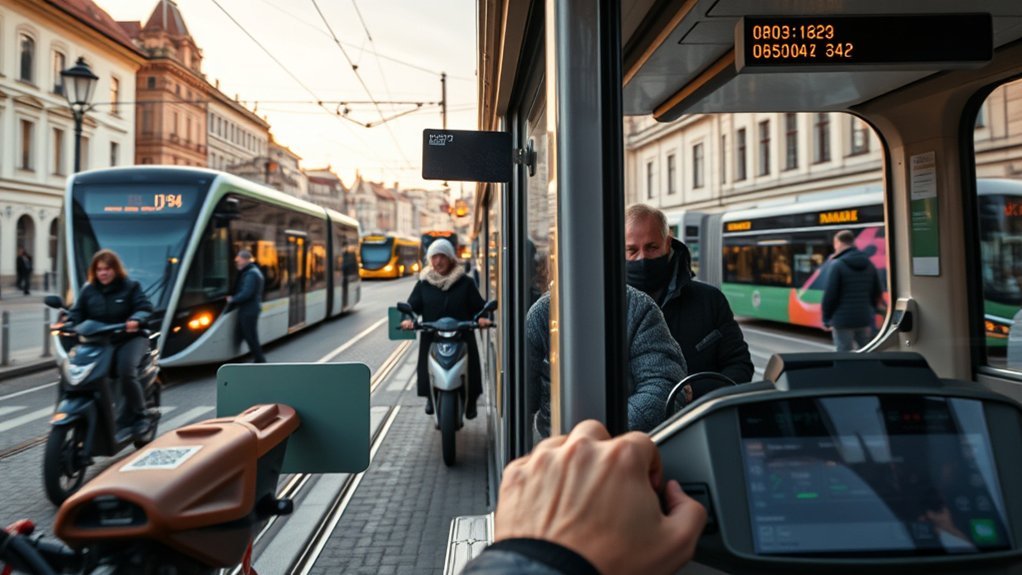
Getting around Latvia stays affordable and predictable if you rely on public transport. A single local transport ticket can run about €1.52, while a monthly pass may cost around €38.70. If you commute regularly, a monthly pass can be much cheaper than paying per ride.
You’ll find transportation and mobility expenses here tilt toward public transit, which keeps monthly budgets steadier and lower than in many car-dependent places. Riga’s public transport network is especially useful for residents who live and work near good routes.
- Public transit: A €1.52 single fare and €38.70 monthly pass make daily commuting cost-effective and predictable.
- Taxis: An 8 km ride at roughly €9.38 can be useful for late nights, bad weather, airport trips, or routes with poor connections.
- Driving: Petrol at about €1.87 per liter means car ownership can become expensive once you add insurance, parking, repairs, tires, and maintenance.
- Overall: With widespread public transportation and modest taxi fares, transportation and mobility expenses in Latvia can remain economical for residents who do not need a private car every day.
If you are choosing where to live, compare rent savings against commute time. A cheaper apartment outside the center may still be a good deal, but only if the transport connection is reliable and does not add too much stress to your daily routine.
Salaries, Job Market, and Purchasing Power

Although average take-home pay can sit near €1,000 a month, earnings vary sharply. Some lower-paid workers may bring home about €800, specialists may earn around €1,200, and self-employed people can sometimes reach €2,000 or more. This wide spread shapes real purchasing power and lifestyle choices.
You’ll find that these salaries translate into modest everyday budgets for many residents. Job openings exist, but opportunities can be limited for foreigners depending on sector, language skills, work authorization, and local competition. Latvian and Russian can matter in many roles, while English may be enough in international companies, tech, remote work, or tourism-related work.
Many young people leave for higher pay abroad, which affects the domestic talent pool and hiring dynamics. If you’re self-employed, remote-employed, or in a specialist role, your purchasing power improves markedly, letting you cover rent, utilities, and moderate discretionary spending more comfortably.
If you’re in a lower-paid job, you’ll need tighter budgeting or supplementary income. When evaluating living costs, match expected salaries to local prices, language requirements, taxes, visa rules, and your real housing costs. Latvia may look cheap from the outside, but it can feel less cheap when your income is also local.
Warning: Do not judge affordability by rent alone. If your income is local, one apartment, winter utility bill, or private school fee can change the whole budget.

Velveeta Shells and Cheese Original Cup delivers a creamy, comforting mac and cheese experience in convenient single-serve cups. Made with real cheese and shelf-stable for easy storage, it’s a quick microwave meal or side that works for busy nights, kids’ meals, and snack cravings. Each cup includes shell pasta and cheese sauce for rich flavor with minimal prep.

Ensure Max Protein Café Mocha Shake delivers 30g of protein per bottle to support muscle health and help manage hunger, making it a convenient option after workouts or between meals. It includes 25 vitamins and minerals, 4g of fiber with a prebiotic, and immune-supporting antioxidants to help support digestive, bone, brain, and immune health. The café mocha flavor also contains caffeine for an energizing boost, and the shake is gluten-free and suitable for lactose intolerance.

The Manbook offers a blunt, practical approach to mental toughness, responsibility, and professional growth. Written by Nick Freitas, it is designed to help readers push through excuses, build discipline, and get the job done with focus and confidence. This hardcover edition is a useful pick for anyone looking for straightforward guidance on self-improvement and resilient living.
Living Standards, Healthcare, and Education
Those salary patterns shape how people experience living standards in Latvia. With average monthly non-rent costs often estimated near €830–€982 and net salaries commonly around €900–€1,200 depending on role, many households face tight margins once rent and utilities are added.
You’ll find living standards that are modest but stable. Essentials are affordable compared with many Western European countries, yet discretionary spending can be limited for residents earning local wages. Remote workers, retirees with foreign income, and higher-paid specialists may experience Latvia as much more comfortable.
- Healthcare: Private GP visits may run about €40, so you should budget for care or rely on public services where eligible. Basic cold medicine may average around €5.32.
- Education: Private or international schooling can become a major expense, with some primary schooling costs reaching about €12,000 yearly.
- Language and work: Many people speak English in cities, but Latvian or Russian can matter for specialist jobs, customer-facing roles, and deeper integration.
- Budgeting: With a €900 net salary, you’ll likely prioritize rent and utilities first, then healthcare, transport, groceries, and education as variable but significant expenses.
For retirees and expats, the most important planning step is to separate everyday affordability from long-term stability. Groceries and transit may be cheap, but healthcare access, residency rules, insurance, winter heating, and family needs deserve careful review before moving.
Sample Monthly Budgets for Different Lifestyles
Because Latvia’s affordability depends heavily on lifestyle, it helps to compare sample budget types. These are planning examples based on the costs discussed above, not fixed guarantees.
| Lifestyle | Estimated Monthly Range | Best Fit |
|---|---|---|
| Budget single | €900–€1,200 | Shared housing, cooking at home, public transport |
| Comfortable single | €1,300–€1,600 | Private rental, moderate eating out, basic savings room |
| Couple | €2,000–€2,800 | Shared rent, mixed cooking and dining, occasional travel |
| Family of four | €3,800–€5,000+ | Larger housing, childcare or school costs, higher grocery use |
A budget single can keep costs low by choosing a room or studio, shopping at supermarkets, using a monthly transport pass, and limiting nightlife. A comfortable single has more room for a private apartment, casual dining, better internet, gym membership, healthcare visits, and savings.
Couples benefit from shared rent and utilities, while families face bigger pressure from apartment size, food volume, school costs, healthcare, and transport needs. If you have children, confirm education costs before estimating your final budget.
Money-Saving Tips for Living in Latvia
Latvia rewards practical budgeting. You do not need to cut every comfort, but you should know where money disappears. The biggest savings usually come from housing, winter utilities, transport choices, and eating habits.
- Compare heating costs before renting: Ask for past winter bills and not just the summer estimate.
- Use public transport: A monthly pass is often cheaper than taxis, fuel, parking, and car maintenance.
- Cook most meals at home: Groceries are manageable, but frequent restaurants can raise monthly spending fast.
- Choose location carefully: A cheaper apartment far from work may cost you time, taxi rides, or a longer commute.
- Shop seasonal and local: Produce prices are often better when you avoid imported or out-of-season items.
- Keep an emergency buffer: Winter bills, medical costs, deposits, and repairs can surprise new residents.
If your income is foreign or remote, Latvia can offer strong value. If your income is local, the same prices require more discipline. The best approach is to build a budget from your expected income first, then choose housing and lifestyle around that number.
Frequently Asked Questions
Can a US citizen live in Latvia?
Yes, a US citizen can live in Latvia if they qualify for the correct visa or residence permit. You may need proof of employment, sufficient funds, study status, business activity, family ties, or another legal basis. Latvian or Russian language skills can improve job prospects and daily integration.
Is Latvia a cheap place to live?
Latvia is relatively cheap compared with many Western European countries, especially for groceries, public transport, and casual dining. However, it may not feel cheap if you rely on an average local salary, rent alone, or face high winter utility bills.
What is the average rent in Latvia?
A 1-bedroom city-center apartment may average about €524 per month, but rental prices vary by city, building condition, apartment size, and location. Small 1-bedroom flats may be around €400, furnished studios may start near €270, and larger units can cost more.
Is Latvia a good place for Americans to retire?
Latvia can be practical for some American retirees because daily expenses, public transport, and basic services can be affordable. Before moving, check residence permit rules, healthcare access, insurance, winter climate, language comfort, and whether your retirement income covers rent, utilities, and medical needs.
How much money do you need per month to live comfortably in Latvia?
A single renter should often plan around €1,300–€1,600 per month for a comfortable but practical lifestyle. You may need less with shared housing and careful spending, or more if you live centrally, dine out often, drive, travel, or need private healthcare.
Is Riga more expensive than the rest of Latvia?
Yes, Riga is usually more expensive than smaller Latvian cities, mainly because of housing demand, central location premiums, restaurants, nightlife, and international services. Smaller towns can be cheaper, but they may offer fewer jobs, fewer English-friendly services, and less public transport convenience.
Conclusion
You’ll find Latvia affordable compared with much of Western Europe, especially for groceries, public transport, and basic everyday spending. Average rent in Riga can often sit around €500–€700 for many standard apartments, groceries may be manageable at about €200–€300 for careful shoppers, and local take-home pay can vary widely by job type.
The best way to judge Latvia’s cost of living is to compare income against fixed costs. A person earning foreign or remote income may find Latvia very comfortable. A person earning an average local wage may need to watch rent, winter utilities, and discretionary spending closely.
Think of someone who swaps a Berlin studio for a Riga flat and pays far less in rent. That lower rent can buy weekend trips, savings, and peace of mind. But the same move only works if the full budget fits: housing, utilities, healthcare, food, transport, and realistic income. With modest wages but lower costs, Latvia can offer a comfortable, pragmatic life when you plan carefully.
Sources
- Official Statistics of Latvia — economic, population, income, and price context for Latvia.
- Eurostat — European comparison data for prices, income, labor market, and living conditions.
- Office of Citizenship and Migration Affairs of Latvia — residence permit and immigration information for non-EU citizens.
- Rīgas satiksme — Riga public transport routes, tickets, and passenger information.

Feel Good Gluten Free is a cookbook by Becky Excell designed to make gluten-free cooking approachable, satisfying, and full of flavor. It offers recipe ideas for everyday meals and special treats, helping home cooks enjoy a wider variety of dishes without gluten. This hardcover edition is ideal for anyone seeking reliable gluten-free inspiration from a trusted author.

Capri Sun Roarin' Waters Fruit Punch offers a kid-friendly flavored water beverage in convenient, mess-free pouches for school lunches, sports, and travel. Made with natural flavors, stevia, and just 1g of sugar per pouch, it delivers refreshing apple, orange, and cherry flavor with no artificial colors, flavors, or preservatives. This multipack is ideal for families looking to stock up on an easy hydration option kids will enjoy.

This kid-friendly cookbook helps young chefs build confidence in the kitchen with more than 100 recipes designed for fun, learning, and delicious results. Created by America's Test Kitchen Kids, it offers approachable instructions, helpful guidance, and a wide range of dishes that make cooking and eating an engaging family activity.