

Building a gym in the U.S. typically ranges from about $50,000 for a small studio to $250,000–$500,000+ for a full-service facility (startup build-out, equipment, and opening costs; 2026 estimates).
Starting a gym takes real money and careful planning. You need to decide on leasing or buying space—one of the biggest expenses. Commercial-grade equipment eats up a large chunk of the budget too, along with permits, renovations, flooring, and sound systems.
You also have to budget for marketing and staff to bring in members from day one. A solid business plan that covers all these pieces is the best way to keep costs under control. Fitness demand stays strong year after year, so a well-run gym can deliver steady profits and real satisfaction.
Clear numbers on every expense make it easier to line up funding or loans. Most people starting out ask the same question: How much does it cost to build a gym? Good budgeting and planning make all the difference in this industry.
Quick Answer
- Small studio: ~$50,000
- Full-service facility: $250,000–$500,000+
- Biggest costs: space, equipment, build-out, and opening expenses
- Profit potential: strong with good management—typical margins 10-25%
Introduction To The Gym Industry

Welcome to the ever-expanding world of fitness and well-being! The gym industry keeps growing, and anyone thinking about jumping in needs to understand the real numbers. From planning to opening day, costs and smart choices decide whether your gym succeeds. This guide walks through exactly what it takes to build one and where the money goes.
Rise In Health Consciousness
More people than ever want to get and stay healthy. They focus on both physical fitness and mental well-being. That steady demand makes right now a good time to open a gym.
Potential For Profit
A well-located gym with the right equipment and service can become a regular part of people’s lives. Startup costs feel high at first, but strong long-term returns are possible when you run things efficiently.
Initial Considerations
Before you spend anything, get the basics right. Location and target customers shape every later decision and every dollar you spend.
Choosing The Right Location
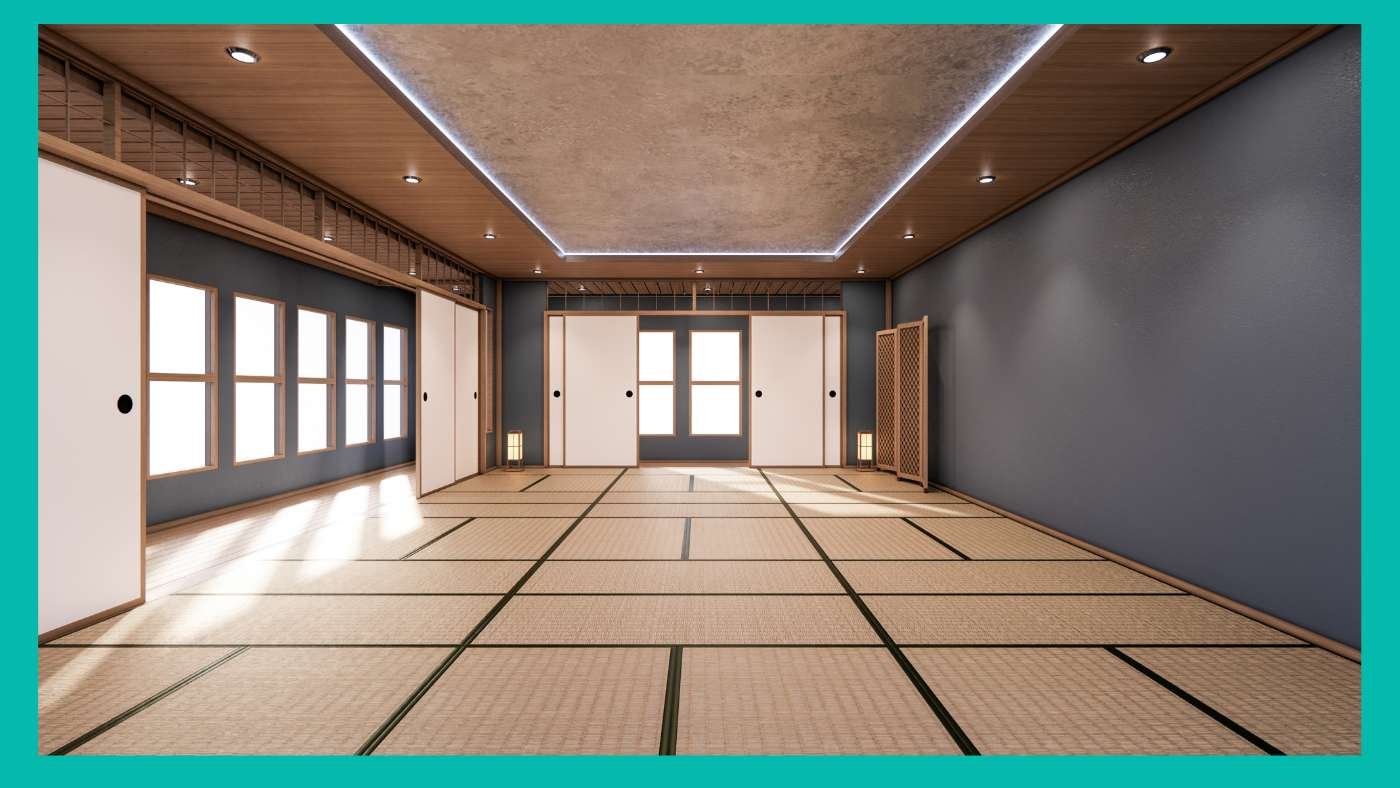
Pick a spot that helps you succeed. Think about these points:
- Visibility: Easy to see from the street or road.
- Access: Plenty of parking and nearby public transport.
- Competition: Check how many other gyms are close by.
Identifying Your Target Market
Who will actually use your gym? That answer decides your layout, hours, and marketing. Here are common groups:
| Target Market | Needs and Preferences |
|---|---|
| Working Professionals | Convenience, extended hours |
| Students | Affordable options, group classes |
| Fitness Enthusiasts | Advanced equipment, training programs |
Types Of Gyms
The type of gym you choose sets your budget and your daily operations. Small boutique spots cost less than big full-service centers, but each has its own strengths.
Boutique Fitness Centers
Boutique fitness centers stay popular because they feel personal and upscale. They use smaller spaces with high-end finishes. Typical costs include:
- Lease: Lower rent because the space is compact.
- Equipment: Fewer pieces but specialized and top quality.
- Design: Nice décor that matches the premium feel.
Full-service Gyms
Full-service gyms offer everything under one roof—weights, cardio, classes, sometimes pools or saunas. Higher costs come with higher earning potential. Main expenses:
| Cost Factor | Description |
|---|---|
| Space | Larger area required |
| Equipment | Wide range, from treadmills to weights |
| Amenities | Adding saunas, and pools increases the costs |
Specialty Fitness Studios
Specialty studios focus on one activity—yoga, cycling, boxing, etc. They need moderate space and the right gear for that activity. Key points:
- Size: Moderate spaces, tailored to the activity.
- Equipment: Niche-specific; yoga mats or boxing rings.
- Atmosphere: Creating the right vibe is key.
Leasing Or Buying Space
Deciding whether to lease or buy affects your starting cash and long-term finances. Both options have clear trade-offs.
Comparing Costs
Leasing usually needs less money up front—just monthly rent, a security deposit, and maybe broker fees. Buying requires a bigger down payment plus closing costs, but you build equity over time.
- Leasing: Monthly rent, security deposit, brokers’ fees
- Buying: Down payment, closing costs, purchasing fees
| Expense Type | Leasing | Buying |
|---|---|---|
| Initial Outlay | Lower | Higher |
| Ongoing Costs | Predictable Rent | Variable Maintenance |
| Flexibility | Higher | Lower |
Pros And Cons
Here is a straight look at the advantages and drawbacks of each choice.
Pros of Leasing:
- Lower startup costs.
- Flexibility to relocate.
- Landlord handles maintenance.
Cons of Leasing:
- No equity building.
- Rent may increase over time.
- Less control over the property.
Pros of Buying:
- Asset accumulation over time.
- Fixed mortgage payments.
- Complete control of the space.
Cons of Buying:
- Higher initial investment.
- Responsibility for all maintenance.
- Less flexibility to move.
Equipment Investment
Equipment is one of the biggest visible investments. Quality and durability matter because members notice right away. Costs depend on brand and features.
Cardio Machines
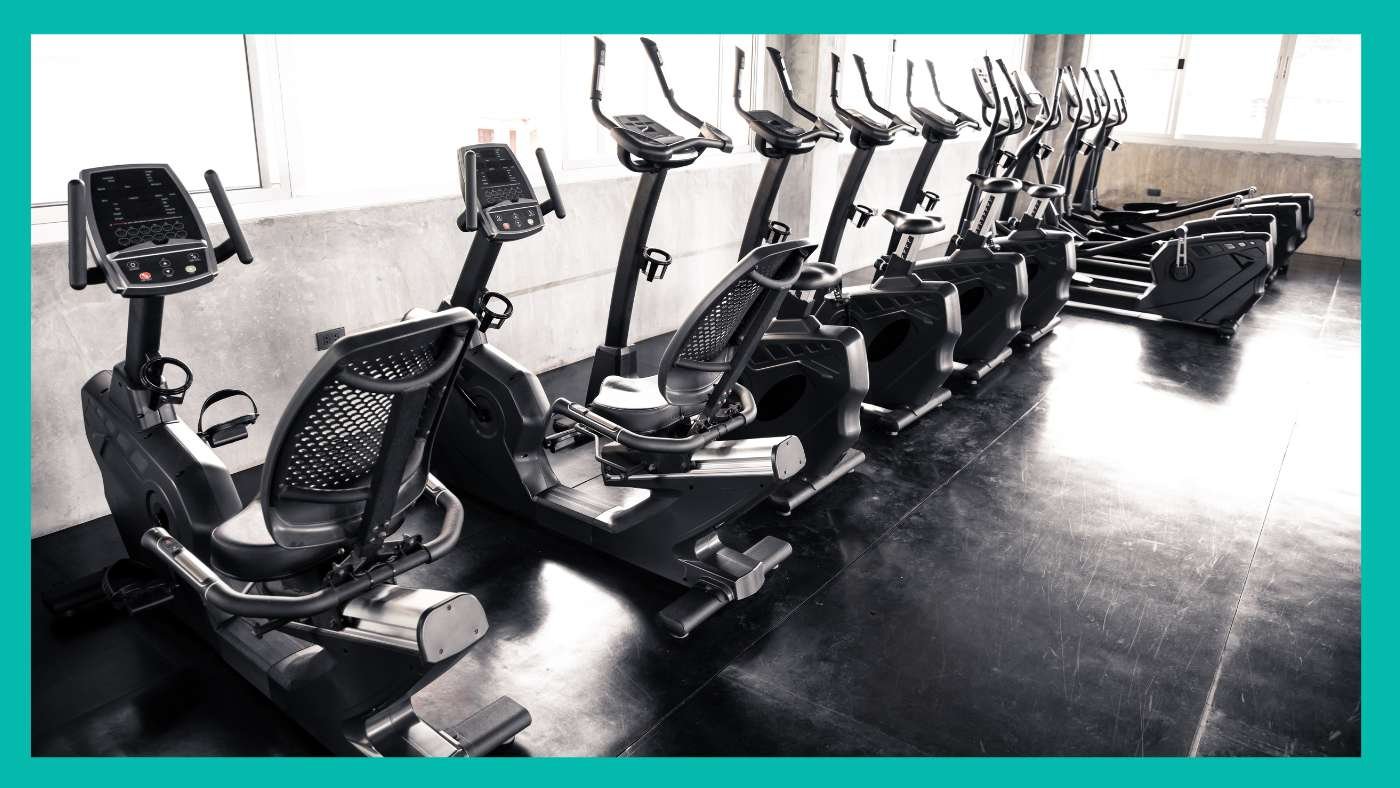
Cardio machines draw the most daily use. Common options include treadmills, ellipticals, and stationary bikes. Basic models start around $500; advanced ones can reach $5,000 each.
| Machine Type | Basic Cost | High-End Cost |
|---|---|---|
| Treadmill | $800 | $3,000+ |
| Elliptical | $600 | $2,500+ |
| Stationary Bike | $500 | $1,500+ |
Strength Training Equipment
Strength equipment brings in serious lifters. Weight benches, dumbbells, and cable machines are standard. Small items like dumbbells start at $10 a pair; full machines run thousands.
Functional Fitness Gear
Kettlebells, medicine balls, and resistance bands add variety without huge cost. Most pieces run $5–$60 each.
Interior Design And Amenities
The look and feel of your gym matter as much as the equipment. Good flooring, lighting, locker rooms, and a comfortable lounge keep members coming back.
Flooring And Lighting
Durable, non-slip flooring is non-negotiable—rubber for heavy lifting, laminate or LVT for a clean look. Bright, even lighting (LED or track) improves safety and energy. Natural light helps too when possible.
Locker Rooms And Showers
Secure lockers, benches, and mirrors make the space practical. Showers need non-slip tiles, partitions, and water-saving heads.
| Locker Room Features | Shower Amenities |
|---|---|
| Secure lockers | Non-slip tiles |
| Bench seating | Privacy partitions |
| Mirrored areas | Eco-friendly showerheads |
Lounge Area Essentials
A simple lounge with comfortable seats, charging outlets, water, and free Wi-Fi gives members a place to relax and chat.
- Comfy seating: Armchairs and sofas.
- Charging stations: To keep devices powered up.
- Refreshment corner: For hydration and snacks.
- Entertainment: TVs, magazines, and free Wi-Fi.
Licenses, Permits, And Insurance
Legal paperwork and insurance protect you from the start. Costs vary by city and size but are usually a few hundred to a couple thousand dollars.
Navigating Legal Requirements
Every city requires a business license. You may also need health permits, building permits, or zoning approval. Total cost for these steps often lands between $100 and $1,000+.
Protecting Your Business
Liability insurance covers injuries, property insurance covers your building and gear, and workers’ compensation is required once you hire staff. Expect a few thousand dollars a year total.
| Insurance Type | Approx. Annual Cost |
|---|---|
| Liability Insurance | $450 – $2,000 |
| Property Insurance | $1,000 – $3,000 |
| Worker’s Compensation | Varies by state |
Talk to an agent for exact quotes based on your location and setup.
Operational Costs
Once the doors open, monthly bills keep the lights on and the machines running. These ongoing expenses include utilities, staff pay, and regular maintenance.
Utility Bills
Electricity for equipment, water for showers and cleaning, and heating or cooling add up quickly. Budget carefully for all three.
Staff Wages
Trainers, front-desk help, and cleaners form your team. Typical hourly ranges:
| Position | Wage Range |
|---|---|
| Trainers | $25-50/hr |
| Front Desk | $15-20/hr |
| Cleaning Staff | $12-18/hr |
Maintenance And Cleaning Services
Regular machine checks, deep cleaning, and occasional upgrades prevent bigger repair bills later and keep the space welcoming.
Marketing And Promotion
Getting the word out brings in your first members. Budget for a professional logo and colors, a simple website, social media, and a strong grand opening event.
Branding Your Gym
A clear brand helps people remember and trust you. Spend on a good logo, consistent colors, and maybe some branded merchandise.
Digital Marketing Strategy

Most members find you online. Build a clean website, use basic SEO, stay active on social media, and send occasional emails.
Grand Opening Event
Host a fun opening day with free classes, local ads, and healthy snacks. It creates buzz and gets people through the door.
Additional Revenue Streams
Membership fees are the base, but extra services bring in more money and keep members engaged.
Personal Training
Certified trainers can charge premium rates. Many pay you rent to use your floor space.
Group Classes
Yoga, spin, or bootcamp classes build community and add steady income.
Merchandise Sales
Branded apparel, water bottles, and supplements sell well when displayed near the entrance.
| Stream | Investment | Revenue |
|---|---|---|
| Personal Training | Certification costs | Session charges |
| Group Classes | Trainer fees | Class fees |
| Merchandise | Production costs | Sales profits |
Navigating Financial Challenges
Unexpected costs always pop up—delays, higher permits, or equipment price changes. Set aside 10-20% of your total budget as a cushion. Good financing options include small-business loans, investors, or crowdfunding. A clear business plan helps you get the money you need.
Long-term Financial Planning
After opening day, keep an eye on the future. Set monthly membership targets, plan equipment upgrades, and decide how much to reinvest each year. Regular updates to the facility and staff training keep the gym competitive and profitable for years.
Frequently Asked Questions For How Much Does It Cost to Build a Gym
How Profitable Is Owning A Gym?
Owning a gym can be profitable with good management. Profit margins typically range from 10-25%, with many clubs seeing EBITDA margins around 24% according to the Health & Fitness Association’s 2025 report. Success hinges on location, membership retention, and cost control. High customer value services boost profitability.
How Much Does It Cost To Make A Good Gym?
The cost to build a good gym varies widely. As of 2026 in the U.S., expect roughly $50,000+ for a small studio and $250,000–$500,000+ for a full-service facility, depending on equipment quality, facility size, and location. GymDesk’s 2026 guide shows the same ranges.
Is It Worth Building Your Own Gym?
Building your own gym can be a worthwhile investment, offering tailored fitness convenience and potential long-term savings over commercial gym memberships. Consider your budget and commitment before investing in home gym equipment.
How Much Does It Take To Setup A Gym?
Setting up a gym in the U.S. typically requires about $50,000+ for a small studio and $250,000–$500,000+ for a full-service gym, depending on location, size, and equipment quality.
Conclusion
Understanding gym construction costs is essential for realistic budgeting. Variables like location, equipment quality, and facility size shape your final price tag. Plan diligently and consider personalizing your gym to ensure financial efficiency without sacrificing quality or essential amenities. Remember, an informed investment is key to building a successful fitness hub.

5 thoughts on “How Much Does It Cost to Build a Gym in the US in 2026?”
Pingback: How Much Are Construction Supervision Costs In Usa?
Pingback: How Much Does A Criminal Lawyer Cost?
Pingback: How Much Does It Cost To Replace Carpet With Hardwood?
Pingback: How Much Does It Cost To Install Solar Panels? Expert Tips
Pingback: How Much Does A Salsa Buisness Cost To Start Up?