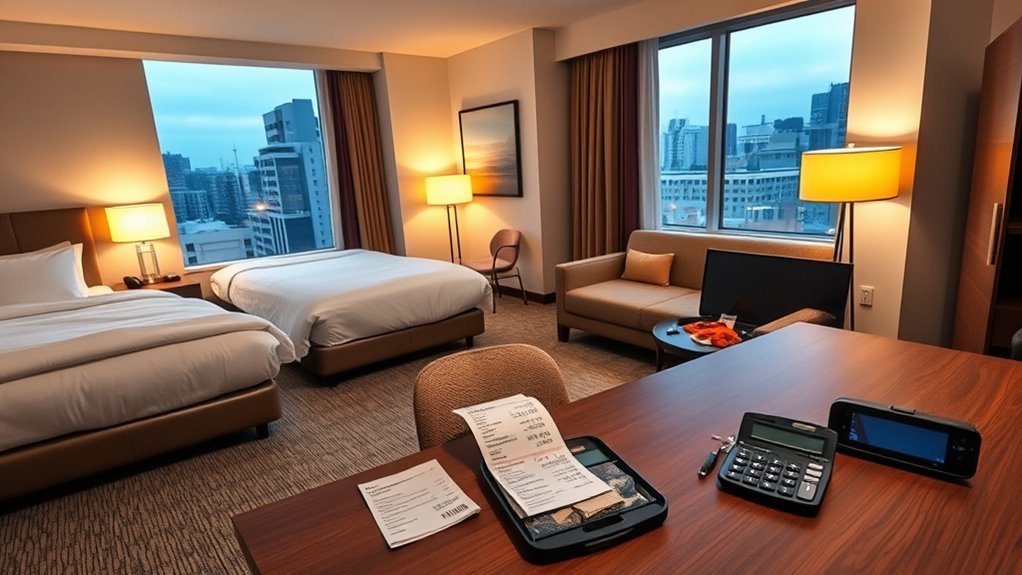
The hotel cost for a family of 4 in the USA depends on where you stay, when you travel, and how much space your family needs. One room with two queen beds may work well, while a suite or two connecting rooms can cost much more. Before booking, compare the total price, sleeping arrangements, occupancy rules, and included amenities.
Quick Answer
For a family of four, budget roughly $150–$300 per night before taxes for one standard U.S. hotel room in 2026. Basic properties may cost $90–$160, while suites, resorts, and expensive city hotels often cost $250–$500 or more. These are planning estimates, not national family-specific averages. Always check occupancy, beds, and the final price.
Last checked: October 31, 2026. Key industry figures, government lodging benchmarks, and pricing rules were verified against official sources.
Key Takeaways
- National hotel averages describe occupied rooms, not the specific price paid by families of four.
- A room advertised for four guests may have two double beds, two queen beds, or a sofa bed. Check the layout before paying.
- Two standard rooms sometimes cost less than a large suite, but connecting rooms must be confirmed when that arrangement is essential.
- Government taxes, parking, meals, and selected extras can make the final family trip cost much higher than the advertised room price.
- Free breakfast, parking, kitchen facilities, laundry access, and flexible dates can offer greater savings than choosing the cheapest nightly rate.
How Much Does a Hotel Cost for a Family of 4 in the USA in 2026?
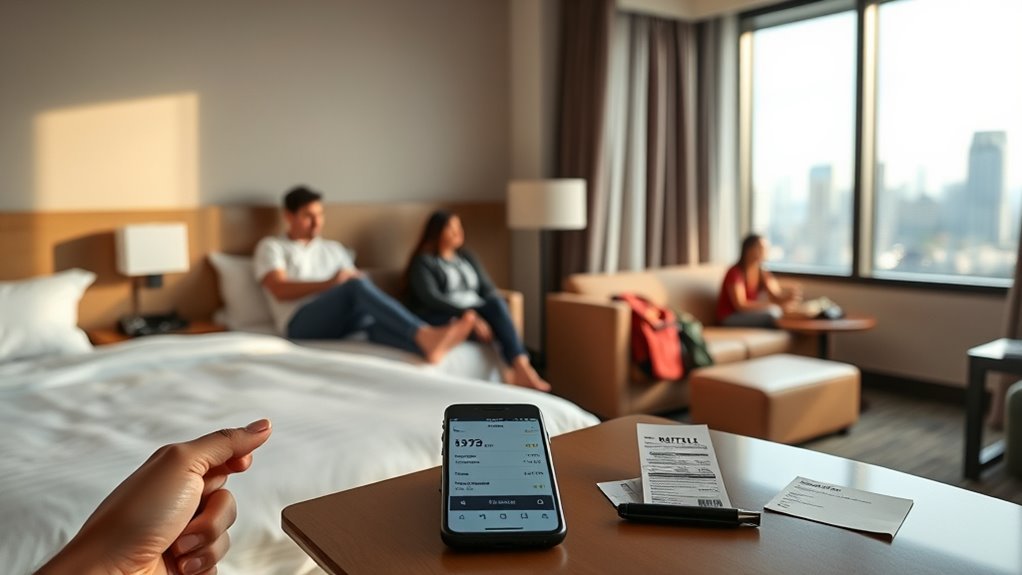
A family of four can sometimes find a suitable hotel room below $100 per night in a lower-cost market. However, a room in New York City, a popular beach town, or a major resort destination can cost several hundred dollars.
The clearest national benchmark comes from hotel industry data. CoStar reported a 2025 U.S. average daily hotel rate of $160.54. That was the average revenue per occupied room, not a rate specifically for four guests.
Hotel prices also change over time. According to the U.S. Bureau of Labor Statistics, the lodging-away-from-home index increased 4.9% year over year in June 2026. Its newer September 2026 report showed a 2.0% monthly increase after seasonal adjustment.
Those inflation figures describe price changes across lodging services. They do not mean every hotel raised its room rate by the same percentage.
2026 Hotel Price Ranges by Accommodation Type
The following ranges provide a starting budget for one room or accommodation that can sleep four people. They are broad planning bands rather than measured national averages for each category.
| Accommodation type | 2026 planning range | What your family may get |
|---|---|---|
| Basic hotel or motel | About $90–$160 per night | One room with basic amenities, limited floor space, Wi-Fi, and toiletries. Breakfast or parking may cost extra. |
| Mid-range family hotel | About $150–$280 per night | Often two queen beds or a sofa bed, with possible breakfast, parking, pool, refrigerator, or laundry facilities. |
| Suite, resort, or high-demand city hotel | About $250–$500+ per night | Separate sleeping areas, additional amenities, kitchenette facilities, resort activities, or a central location. |
| Vacation rental | Varies widely | One or more bedrooms, a kitchen, and laundry facilities, but potentially additional cleaning charges, service fees, and minimum stays. |
For a typical five-night trip, a $150–$300 nightly room budget works out to $750–$1,500 before taxes and extras. This calculation assumes one suitable room for all four guests.
Note: These estimates are not guaranteed prices. Your actual hotel cost depends on the destination, check-in dates, guest ages, room occupancy limit, bed setup, and the services included in your reservation.
What Do Average U.S. Hotel Rates Tell Families?
Average hotel rates help you understand the market, but they cannot tell you exactly what a family room will cost. Published averages combine business travelers, couples, solo guests, group bookings, budget properties, and luxury hotels.
A hotel may have an average nightly rate close to the national figure but charge more for a room with two beds. The price may also change when you enter four guests instead of two.
National and Government Hotel Price Benchmarks
CoStar’s $160.54 U.S. average daily rate for 2025 is an industry measure of room revenue. It should not be treated as the amount every family will pay.
The U.S. General Services Administration provides another useful comparison. Its standard lodging reimbursement allowance for fiscal year 2026 was $110 per night, excluding taxes. That fiscal year ran from October 1, 2025, through September 30, 2026.
For travel beginning October 1, 2026, the FY2027 standard lodging allowance increased to $113. Higher location-specific limits apply in many major travel markets.
GSA allowances are federal employee reimbursement limits, not hotel offers or family room prices. They are useful for comparing locations and seasons, but they do not guarantee room availability.
How Much Do Hotel Prices Vary by Destination?
Destination can change your lodging budget more than almost any other factor. Major cities, coastal resorts, tourist districts, and popular vacation areas often cost more than small towns or highway locations.
New York City provides a clear example. According to New York City Tourism + Conventions, the city’s 2025 hotel average daily rate was $334. That average covers the citywide hotel market, not rooms specifically designed for four travelers.
Florida also shows why location and season matter. In the federal FY2026 lodging schedule, Orlando’s GSA lodging allowance was $140 for many months and $169 from January through March.
For comparison, the FY2026 Key West allowance reached $436 per night in February, March, and April. These rates exclude lodging taxes.
Even though these are reimbursement limits rather than actual family booking prices, they show the wide variation between destinations.
The lowest room price is not always the best family deal. The better choice is a room that accommodates everyone comfortably and costs less once you include the services your family needs.
When Are Family Hotel Prices Highest?
Hotel prices often rise when more travelers compete for rooms. School vacations, holidays, conventions, major sporting events, and local festivals can increase demand.
However, different destinations have different peak seasons. A ski resort may be busiest in winter, while a summer beach destination may charge its highest prices during warm-weather school holidays.
Family travel dates can be especially expensive when they overlap with:
- Spring break: Popular beach destinations, theme-park areas, and warm-weather resorts may see more family travelers.
- Summer vacation: Coastal hotels, national park gateways, and popular road-trip destinations can experience strong demand.
- Thanksgiving and year-end holidays: Hotels near major attractions, events, and family gathering destinations may charge higher rates.
- Major conventions and sporting events: A normally affordable city can become expensive when a large event fills nearby hotels.
Do not assume that one month is cheapest throughout the country. Compare your specific destination for nearby dates and account for local events.
Pro Tip: Search the same family-sized room for dates one or two days apart. A small change in arrival or departure date can lower the total without changing hotels. When a refundable rate is available, you can also monitor the price and rebook if the terms allow.
What Are the Best Budget-Friendly Hotel Options for Families?
Budget-friendly family accommodations include basic hotels, mid-range properties, suites, and vacation rentals. The best option depends on your children’s ages, length of stay, sleeping needs, and transportation plans.
A property with a higher nightly rate can offer better value when it includes meals, parking, or enough space to avoid booking a second room.
Budget Hotels: Lowest Nightly Prices
Basic hotels and motels can be good choices for overnight stops and short family road trips. Planning rates around $90–$160 per night may be realistic in lower-cost areas.
The main trade-off is usually space and amenities. A small room may feel crowded when four people bring luggage, a stroller, or a travel crib.
Check the exact sleeping arrangement rather than relying on a listing that only says “sleeps four.” Two double beds, two queen beds, and a bed with a sofa sleeper provide different levels of comfort.
Also confirm the availability of a refrigerator, breakfast, Wi-Fi, parking, and late check-in if your trip requires them.
Mid-Range Family Hotels: Best Balance of Cost and Comfort
Mid-range properties often provide a practical balance for families of four. A planning budget around $150–$280 per night may offer larger rooms and useful amenities without the cost of a full suite.
Some properties include:
- Two queen beds or a bed with a sofa sleeper.
- Complimentary breakfast for eligible guests.
- Free self-parking.
- A swimming pool or fitness facilities.
- A mini refrigerator or microwave.
- Guest laundry facilities.
None of these features is guaranteed by the hotel’s price category. Check the exact room and rate before booking.
For many families, included breakfast is especially useful because it avoids the need to buy a separate morning meal for everyone. Free parking can make a suburban hotel more economical than a downtown property.
Suites, Resorts, and Vacation Rentals for Families
Suites and resorts typically cost more than standard rooms, but they can make longer trips more comfortable. A planning range of $250–$500 or more per night may apply to larger accommodations, especially in expensive destinations.
A family suite may provide a separate bedroom, living area, sofa bed, or kitchenette. That extra space can be useful when parents and children have different sleeping schedules.
Vacation rentals can offer multiple bedrooms, a kitchen, and private laundry facilities. They may also provide more privacy than a single hotel room.
However, a rental’s advertised nightly price may not reflect the full cost. Mandatory cleaning charges, service fees, local taxes, and minimum-night requirements can change its value.
For a longer stay, compare the total rental cost against the cost of a hotel suite. Include food preparation, laundry, parking, and transportation when deciding which option saves more.
When Are Two Hotel Rooms Cheaper Than One Suite?
Two standard rooms may cost less than one large suite, especially when suites are in high demand. They can also offer two bathrooms and more beds, which may benefit families with teenagers or older children.
However, two rooms do not always mean connecting rooms. An adjoining-room request may simply place the rooms near each other, while a connecting arrangement provides an interior doorway between them.
Some hotel chains offer a way to book and confirm connecting rooms before arrival at participating properties. Other hotels may accept requests without guaranteeing them.
If connecting rooms are essential, obtain confirmation of that specific arrangement. Also check the hotel’s policies on children staying in separate rooms and whether an adult must be registered in each room.
Compare the combined price of both rooms, including taxes and any duplicated charges, against the total for a suitable suite.
How to Choose Between Budget, Mid-Range, and Luxury Hotels

Choose a hotel based on your family’s space requirements and the value of the included features. A budget room may be enough for one night, while a mid-range hotel or suite can work better for a longer vacation.
Start with the maximum occupancy and sleeping arrangements. Then compare the costs and amenities that matter most to your trip.
| Choose this option | Best for | Check before booking |
|---|---|---|
| Budget hotel | Short stays, road trips, and families comfortable sharing a smaller room. | Bed sizes, maximum occupancy, breakfast, parking, refrigerator, and recent cleanliness reviews. |
| Mid-range hotel | Most family vacations where comfort and included amenities matter. | Whether breakfast and parking are included, pool hours, laundry access, and cancellation rules. |
| Suite or resort | Families wanting separate sleeping areas, longer stays, or on-site entertainment. | Mandatory total price, resort inclusions, parking, kitchenette equipment, and sofa-bed comfort. |
| Vacation rental | Families wanting more bedrooms, private laundry, and cooking facilities. | Cleaning and service charges, host rules, cancellation policy, location, and total price. |
What Room Setup Works Best for Four People?
A room with two queen beds can be a practical choice for two adults and two children. However, larger children and teenagers may prefer more separate sleeping space.
Before reserving, confirm:
- Maximum occupancy: The property permits all four guests in the selected room.
- Number and size of beds: The room has enough suitable sleeping space for everyone.
- Children’s ages: The reservation accurately lists the ages required by the booking system.
- Crib or rollaway policies: Additional beds are permitted, available, and priced clearly.
- Room accessibility: The accommodation meets any mobility or accessibility needs your family has.
- Cancellation terms: You understand the deadline, any prepayment, and the cost of changing plans.
Entering all four guests at the start of your search is essential. A room suitable for two people may be unavailable or cost more when you change the reservation to four occupants.
What Hidden Fees and Extra Hotel Costs Should Families Expect?
Taxes, parking, meals, and optional services can increase the cost of a family hotel stay. Mandatory lodging fees must generally appear in the advertised total price under the federal pricing rule, but other expenses may still be listed separately.
Since May 12, 2025, the Federal Trade Commission has required covered short-term lodging businesses to display upfront prices that include mandatory fees, such as required resort or cleaning charges.
The rule allows certain government taxes and optional services to appear separately, provided the necessary information is disclosed before payment.
Common Extra Costs for a Family Hotel Stay
- Hotel and lodging taxes: State, city, county, and local tourism taxes vary by destination.
- Parking: Downtown hotels and resorts may charge separately for self-parking or valet service.
- Pet charges: Properties may charge per pet, per night, or per stay, with additional deposit requirements.
- Breakfast: A listing that says breakfast is available does not mean breakfast is complimentary.
- Extra guests: Some room rates change based on the number or ages of guests, even when the room can accommodate everyone.
- Rollaway beds and cribs: Fees and availability depend on the property and room type.
- Early check-in or late checkout: Optional services may have additional charges or availability limits.
- Tips: Housekeeping, valet, and luggage assistance may involve separate gratuities based on service and local custom.
- Incidental deposits or card holds: Hotels may temporarily reserve funds to cover potential room charges or damage.
- Airline baggage fees: These are not hotel expenses, but they belong in a complete family travel budget. The U.S. Department of Transportation explains how airlines disclose baggage fees before purchase.
Are Hotel Incidental Holds an Additional Charge?
An incidental hold is generally a temporary authorization, not an automatic extra hotel expense. The property may use it to cover potential charges such as food, parking, or other services.
For example, Hilton’s payment guidance explains that hotels may authorize a card for expected charges and estimated incidentals. Unused holds are released after checkout, although the card issuer may take longer to make the funds available.
With a debit card, a temporary hold can reduce the money available in your bank account. Ask about the hold amount before arrival and make sure your payment method has enough available funds.
Warning: Never compare hotel offers using only the lowest nightly number. Check that both quotes cover the same four guests, room type, dates, mandatory charges, taxes, cancellation conditions, and included services. A cheaper-looking reservation may cost more overall.
How to Calculate the Real Hotel Cost for a Family of Four
To estimate your actual hotel bill, multiply the nightly rate by the number of nights. Then add taxes, mandatory charges not already included in the subtotal, and optional expenses your family plans to use.
Estimated hotel bill = room subtotal + mandatory charges not already included + taxes + selected extras + parking.
Do not add a mandatory resort fee again if the booking platform has already included it in the displayed total. Double-counting fees can make one hotel appear more expensive than it really is.
Example: Five Nights in One Family Hotel Room
Suppose a room suitable for four people costs $190 per night, with a five-night reservation and parking at $30 per night.
| Cost item | Calculation | Amount |
|---|---|---|
| Room subtotal | $190 × 5 nights | $950 |
| Illustrative lodging tax | 12% of $950 | $114 |
| Parking | $30 × 5 nights | $150 |
| Estimated hotel bill | $950 + $114 + $150 | $1,214 |
This example assumes there are no other mandatory charges. The 12% tax is only an illustration, not a nationwide lodging tax rate.
The $1,214 total excludes optional meals, pet charges, tips, transportation, and activities. Your actual reservation may use a different tax base or include additional taxable fees.
How to Compare a Cheaper Room With a More Expensive One
Now imagine choosing between a $175 room that charges for parking and breakfast and a $210 room that includes both.
The second room costs $35 more per night before other charges. If your family would spend more than $35 combined on breakfast and parking at the first property, the $210 room may offer better overall value.
This distinction matters: included amenities reduce your overall trip expenses, not necessarily the hotel bill itself.
When comparing properties, keep the following figures separate:
- Hotel bill: Room charges, taxes, mandatory fees, and selected hotel extras.
- Other trip expenses: Meals, local transportation, entertainment, and other costs outside the hotel bill.
- Temporary funds needed: Any refundable deposit or incidental authorization hold.
Separating these amounts gives you a clearer picture of both your final spending and the money you may need at check-in.
How Can a Family of Four Save Money on Hotels?
The best way to save on family lodging is to reduce the total cost without giving up essential comfort or safety. You may save more by choosing the right room setup and included amenities than by chasing the lowest advertised rate.
Use these strategies when comparing reservations:
- Choose flexible dates: If possible, compare nearby travel dates rather than booking the first available option.
- Use refundable reservations when practical: Check whether you can cancel and rebook without a penalty if a better rate appears.
- Compare hotel-direct and third-party prices: Match the exact room, guest count, cancellation policy, included benefits, and total charges.
- Consider nearby neighborhoods: A hotel outside the busiest tourist district may cost less, but include travel time and transportation expenses.
- Prioritize breakfast when it saves money: Confirm that all four guests qualify and that the serving hours match your plans.
- Look for kitchen facilities: A refrigerator, microwave, or kitchenette can help reduce food costs during longer stays.
- Consider laundry access: Washing clothes during a trip can help your family pack less and may reduce baggage expenses.
- Compare one suite against two rooms: A larger room can sometimes replace two separate bookings, while two standard rooms may provide better value in other cases.
- Check the exact bed layout: Avoid paying for a room that technically sleeps four but does not provide comfortable space for your family.
Which Hotel Type Usually Gives Families the Best Value?
For many families, a mid-range hotel in the $150–$280 planning band offers a useful balance of comfort, space, and included services.
A budget hotel can be the better choice for a one-night stop. A suite or vacation rental may offer stronger value during a longer stay if it provides separate sleeping areas and cooking facilities.
The deciding factor is your family’s actual needs. A room that is slightly more expensive but includes the amenities you will use may cost less over the full trip.
Frequently Asked Questions
What is the average cost of a vacation for a family of four?
There is no single official U.S. average that fits every family. Your vacation cost depends on the number of nights, destination, transportation, meals, activities, and room needs. For lodging, calculate the full hotel price for your dates, including taxes, parking, selected extras, and any second room.
What is the cost of living for a family of four in the United States?
Cost of living is different from vacation lodging. It includes ongoing housing, food, transportation, healthcare, taxes, childcare, and other expenses. The amount varies widely by location and household needs, so hotel prices should not be used as a cost-of-living estimate.
Is a hotel room priced per person or per room?
Most standard U.S. hotel rooms are advertised with a room rate, but the price can change based on the number and ages of guests. Some properties charge extra occupancy fees, while all-inclusive accommodations may price stays per guest. Enter all four family members before comparing rates.
Can a family of four stay in one hotel room?
Yes, many hotels offer rooms that accommodate four guests, particularly rooms with two queen beds. However, occupancy limits and sleeping arrangements vary. Confirm that the selected room permits four people and provides suitable beds before booking.
Are resort fees included in the advertised hotel price?
Mandatory resort fees must generally be included in the upfront displayed total under the FTC pricing rule effective May 12, 2025. Government taxes and optional extras may appear separately, but applicable charges must be disclosed before payment. Review the final booking breakdown to understand exactly what you will pay.
When should a family book a hotel?
Book earlier when traveling during school holidays, major events, or peak resort seasons, especially if you need a specific bed setup or connecting rooms. For flexible trips, a refundable reservation can help you secure a suitable room while leaving room to compare prices before the cancellation deadline.
Conclusion
A family of four can use $150–$300 per night before taxes as a starting hotel budget for one suitable U.S. room in 2026. Basic lodging may cost less, while suites, resorts, and expensive destinations can cost considerably more.
Before reserving, confirm that everyone can sleep comfortably in the selected room. Then compare the final cost, occupancy rules, parking, breakfast, cancellation terms, and location. The right choice may be a budget room, a mid-range hotel, a larger suite, or a vacation rental, depending on what your family actually needs.
Sources
- CoStar: 2025 U.S. Hotel Performance — national average daily room rate and hotel market benchmarks.
- New York City Tourism + Conventions: 2025 Tourism Results — New York City hotel average daily rate.
- U.S. General Services Administration: FY2026 Per Diem Bulletin — fiscal year 2026 federal standard lodging allowance.
- U.S. General Services Administration: FY2027 Per Diem Bulletin — standard lodging allowance effective October 1, 2026.
- GSA: Orlando FY2026 Lodging Rates — location-specific monthly lodging allowances.
- GSA: Key West FY2026 Lodging Rates — seasonal lodging reimbursement figures.
- U.S. Bureau of Labor Statistics: June 2026 Consumer Price Index — year-over-year lodging inflation.
- U.S. Bureau of Labor Statistics: September 2026 Consumer Price Index — monthly lodging price movement.
- Federal Trade Commission: Rule on Unfair or Deceptive Fees FAQs — upfront total-price requirements for short-term lodging.
- Hilton: Confirmed Connecting Rooms — booking and confirming connecting rooms at participating properties.
- Hilton: Payment and Card Authorization FAQs — incidental authorization holds and payment processing.
- U.S. Department of Transportation: Buying a Ticket — airline baggage-fee disclosure guidance.