

If you’re budgeting for Leeds in 2026, plan on about £1,300 to £1,500 a month for rent, bills, food, and transport. A one-bedroom flat in the city centre usually costs £600 to £800, while shared housing is cheaper at £300 to £600 each. Expect groceries to run £100 to £150, a bus pass £50 to £70, and utilities plus internet around £70 to £130, with more tips below.
Cost of Living in Leeds at a Glance

If you’re considering a move to Leeds, the cost of living is generally manageable compared with many other major UK cities. You can expect a single-person budget of about £824.5 to £1,016.68 each month before rent, which gives you room to plan without feeling boxed in.
Your spending will usually cover groceries, transport, and everyday essentials, so smart financial planning matters. Groceries often run from £100 to £150 monthly, and budget supermarkets can help you keep more money in your pocket.
A monthly bus pass usually costs £50 to £70, so you can move around the city affordably. That makes it easier to support a flexible student lifestyle or build a steady routine as a young professional.
Leeds stays more affordable than places like London and Manchester, so you can focus on freedom, choices, and building a life on your terms.
How Much Rent Costs in Leeds
Rent in Leeds is still fairly manageable, especially when you compare it with bigger UK cities. If you’re looking at a one-bedroom flat in the city centre, expect to pay about £600 to £800 a month. That gives you a decent benchmark for your budget and helps you plan with more confidence.
Leeds rent stays manageable, with one-bedroom city-centre flats typically costing £600 to £800 a month.
If you’d rather share, private houses or flats usually cost £300 to £600 per person each month, which can free up more of your income for the life you want.
For students, university halls usually run from £400 to £700 monthly, with en-suite rooms at the top end. Student accommodations near universities often sit in the same range for shared rooms or apartments.
Recent rental trends show prices have stabilised, with growth of just 2-3% after earlier jumps of 10-12%. That means Leeds remains a smarter, more affordable choice than London when you want room to breathe.
Food and Grocery Costs in Leeds
When you budget for food in Leeds, you’ll usually spend about £100 to £150 a month on groceries, or around £20 to £50 a week if you cook for yourself.
If you eat out, expect budget meals to cost roughly £8 to £15, while a mid-range meal for two can come to about £50.
You can keep costs down by shopping at Lidl, Aldi, or Tesco and buying staples in bulk.
Grocery Budget Basics
Grocery costs in Leeds are usually pretty manageable if you shop smart, with most people spending around £100 to £150 a month depending on their diet and habits.
You can keep control by planning grocery shopping around Lidl, Aldi, and Tesco, where everyday essentials stay affordable.
If you cook at home, your weekly spend may sit between £20 and £50, especially when you use meal prep to stretch ingredients across several days.
Bulk buying helps you cut waste and lock in savings on staples.
Try simple budget recipes that use the same base items in different ways, so nothing gets wasted.
A quick price comparison between shops can reveal real savings and keep more money in your pocket, where it belongs.
Eating Out Costs
Eating out in Leeds can fit a modest budget, especially if you stick to casual spots where a meal usually costs about £8 to £15. That means you can enjoy dining experiences without letting food costs run your month.
If you eat out once a week, you’ll likely spend about £40 to £60 monthly, which leaves room for your other priorities. Inexpensive restaurant meals can still range from £10 to £35, so you’ve got options across different budgets.
For more control, pair dining out with meal planning and home cooking, since groceries in Leeds usually run £100 to £150 a month. Using budget shops like Lidl or Aldi can keep your spending low and your choices open.
Smart Food Saving Tips
Keeping your food costs down in Leeds starts with smart shopping and a bit of planning. You can keep weekly groceries near £20 to £50 by cooking at home, using Lidl or Aldi, and sticking to meal prep.
Tap discount apps before you shop, then compare student deals at local eateries and shops. Bulk buying staples like rice, pasta, and oats can cut your monthly bill toward £100 to £150.
Visit local markets for seasonal produce, which often costs less and tastes better. Swap recipes with friends to stretch leftovers and avoid waste.
If you want more confidence in the kitchen, join cooking classes and learn simple, low-cost meals. These habits help you spend less, eat well, and stay in control.
Transport Costs in Leeds
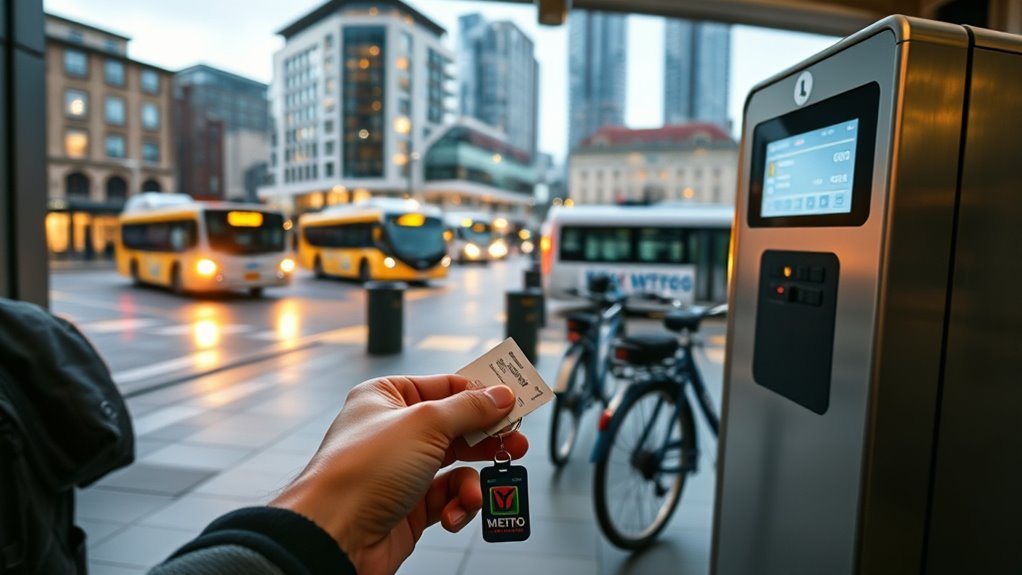
In Leeds, you can get around by bus, train, or the Metro. A monthly bus pass usually costs about £50 to £70.
If you travel often, you’ll want to plan routes carefully, since fares are capped but outer-suburb commutes can still add up.
You can also cut costs by walking or cycling, which many students use to keep transport spending low.
Public Transport Options
Getting around Leeds by public transport can stay fairly affordable, especially if you choose the right option for your routine. A monthly bus pass usually costs £50 to £70 and gives you unlimited access across many bus routes, so you can move freely without counting every ride.
If you’re a student, look into student passes and travel discounts for trains and the Leeds Metro, which can trim fares beyond the city. Public transport fares are capped, so your costs stay predictable for budget planning, even when seasonal fares shift.
Use transport apps to compare timings, accessibility options, and connections before you leave. If you want more flexibility, cycling benefits can also lower your spending, but buses and trains still offer the easiest, most reliable way to stay connected in Leeds.
Cycling And Walking
Leeds offers bike lanes, secure parking, and urban pathways that make student commuting easier. You’ll also gain cycling benefits like faster trips and more freedom.
If you prefer walking, you can use free walking routes between campuses, shops, and services. That choice supports eco friendly transport, lowers stress, and improves your budget.
Both options boost fitness advantages, but always watch traffic safety, use lights, and stay alert. Choosing your own route can feel liberating.
Utilities, Internet, and Phone Bills

When you budget for Leeds, utilities, internet, and phone bills can add a noticeable monthly cost. In private housing, you’ll often pay £50 to £100 a month for gas, electricity, and water, and winter can push that higher.
Smart utility management helps you keep control: track usage, switch off what you don’t need, and compare tariffs before you sign.
Track usage, switch off what you don’t need, and compare tariffs before you sign.
Internet options usually cost £20 to £30 a month, and many private rentals use separate contracts, so check speed, contract length, and setup fees early.
If you’re in student accommodation, utilities may already be included, which can make budgeting simpler and give you more freedom.
Don’t forget council tax if it applies to you; Band D households in Leeds are set to rise by about £90 a year.
Mobile phone plans range from £10 to £30 a month, so you can choose a plan that fits your data needs without paying extra.
Leisure and Student Living Costs in Leeds
Leisure in Leeds is affordable if you budget carefully, with students usually spending around £50 to £100 a month on outings, entertainment, and social plans.
You can keep your leisure activities lively without draining your money by using student discounts at cinemas, venues, and campus bars. A gym membership usually costs £20 to £30 a month, and university facilities often offer cheaper access, so you can stay active without paying premium prices.
If you eat out, budget restaurants charge about £8 to £15 per meal, and a weekly meal out can add £40 to £60 to your monthly costs. Your grocery bill will usually sit between £100 and £150, but Lidl and Aldi help you stretch it further.
You can also enjoy free or low-cost events from the University and Leeds University Union, so you keep your freedom and social life alive.
How to Budget for Leeds in 2026
To budget well for Leeds in 2026, you should plan for about £1,300 to £1,500 a month to cover essentials like rent, utilities, groceries, and transport.
Start with accommodation: student housing often costs £400 to £700, while a shared house may run £300 to £600 each.
Add £50 to £130 for utilities, depending on what’s included. For food, expect £100 to £150 for groceries, plus £40 to £60 if you eat out once a week.
A monthly bus pass usually costs £50 to £70, so public transport won’t trap your freedom.
Use clear budgeting strategies: set spending limits, track every bill, and separate fixed costs from flexible ones.
Strong financial planning helps you stay in control, avoid stress, and keep money available for study, social life, and independence.
With a realistic plan, you can live in Leeds without letting costs run your life.
Frequently Asked Questions
How Much Do You Need to Earn to Live in Leeds?
You’d want at least about £25,000–£30,000 a year for basic independence in Leeds. For comfort, aim higher, since rent drives housing affordability and your minimum income should cover £1,300–£1,500 monthly living costs.
What Is the Cost of Living Rate in 2026?
You’ll likely face a 2026 cost of living rate in Leeds of about £1,300–£1,500 monthly as a student, driven by housing market rents, transportation costs, groceries, and your lifestyle choices.
How Expensive Is It to Live in Leeds?
Leeds isn’t too expensive; you can live here on a student budget of about £1,300–£1,500 monthly. You’ll save with affordable housing, low grocery bills, and manageable transportation costs, especially compared with London or Manchester.
What Is the Nicest Area to Live in Leeds?
Chapel Allerton often feels the nicest, with 600 to 800 one-bedroom city-centre rents showing why many choose calmer streets. You’ll enjoy community amenities, local attractions, independent cafes, and a welcoming, liberated feel close to Leeds.
Conclusion
In Leeds, your budget can feel tight at first, but it doesn’t have to stay that way. When rent, food, travel, and bills line up, you’ll see where your money goes and where small choices save more than you’d expect. Plan well, and you won’t just cover the basics—you’ll leave room for the life you want. In 2026, that balance matters, and in Leeds, it’s closer than you think.
