When deciding where to buy a car battery, choose a seller that confirms the exact fit and explains installation, warranty service and core return. A local parts store or qualified repair shop is useful when you need testing and support; a dealer or specialist may be needed for coding or difficult access. An online seller can suit a verified specialty application when shipping and returns are clear.
Affiliate disclosure: As an Amazon Associate we earn from qualifying purchases.
Chart note: Sentiment and buyer-preference graphics without a stated source, sample, date and calculation method should not be read as verified customer statistics or product test results. Check recent feedback and the exact product specifications before buying.
Selection note: Compare these picks by their features, intended use and limitations. No numerical performance score is assigned in this guide.
Model specifications below were checked against the linked manufacturer pages on November 10, 2026. Seller prices, stock, installation availability and return eligibility still require a current quote.
Quick Answer
Buy a car battery from a seller that verifies group size, terminal layout, battery type, and cold-cranking amps for your exact vehicle. Local auto-parts stores are usually best for testing and convenient warranty help. Warehouse or big-box stores suit value-focused DIY buyers, while dealers and qualified shops are best for complex modern vehicles.
Affiliate disclosure: This roundup is reader-supported. We may earn a commission from qualifying purchases made through Amazon links, at no extra cost to you.
Key Takeaways
- Match the battery to the vehicle, not just the brand. Group size, polarity, terminal style, venting, hold-down design, and battery chemistry must be correct.
- Compare the total installed cost, including labor, required adapters, battery registration, taxes, shipping, and any refundable core charge.
- Choose a local seller when fast testing, installation, and simple warranty service matter most.
- Use manufacturer-direct or authorized online sellers when you need a specialized battery and can confirm shipping, return, and warranty rules before ordering.
- Return the old lead-acid battery to a retailer or approved collection program. Do not place it in household trash or curbside recycling.
At a Glance
| Time Required | Depends on the fitment checks, diagnosis and installation required |
| Difficulty | Easy to compare; installation ranges from easy to professional-only |
| Tools Needed | Owner’s manual or vehicle fitment tool; tape measure and multimeter are optional |
| Cost | Varies by group size, chemistry, warranty, installation, and refundable core charge |
Warning: Lead-acid batteries are heavy and contain corrosive acid and lead. Keep sparks and flames away, remove metal jewelry, wear eye protection and suitable gloves, and follow the vehicle manufacturer’s disconnect and reconnect procedure. Some modern vehicles require battery registration or coding after replacement.
Where to buy a car battery: compare seller types
The best seller depends on whether you care most about price, installation, expert help, or immediate availability. A low shelf price can become a poor deal if the battery is old, does not fit, needs extra adapters, or comes with a warranty that is difficult to use.
| Seller Type | Best For | Main Advantage | What to Check |
|---|---|---|---|
| Local auto-parts store | Most drivers | Convenient testing, fitment help, core return, and local warranty service | Whether installation is offered for your exact vehicle |
| Independent repair shop | Diagnosis and installation | Can test the battery, starter, alternator, and parasitic draw before replacing parts | Parts and labor warranty terms |
| Warehouse club or big-box store | Value-focused DIY buyers | Competitive pricing on common group sizes | Membership, installation availability, stock age, and local warranty process |
| Dealer | Newer, luxury, hybrid, start-stop, or complex vehicles | Vehicle-specific installation, venting, programming, and battery registration | Total installed price and whether an equivalent aftermarket battery is acceptable |
| Manufacturer or authorized online seller | Specialty AGM and high-output batteries | Access to uncommon models and verified technical information | Authorized-seller status, hazardous-material shipping, return costs, damage claims, and warranty registration |
| Online marketplace | Convenience and broad selection | Easy model comparison and home delivery | Seller identity, warranty eligibility, packaging, return restrictions, and exact fitment |
Pro Tip: Before paying, ask who handles a warranty claim. A local counter that can test and exchange the battery may be more valuable than a slightly lower online price.
How to Choose the Right Car Battery Before You Buy
Start with the vehicle owner’s manual, the label on the original battery, or a reputable fitment tool. Ford’s battery guide identifies group size, cold-cranking amps, reserve capacity, date code, and warranty as key buying factors. See Ford’s battery selection guidance.
1. Confirm Group Size and Physical Fit
The group size controls the battery’s basic dimensions and often its terminal arrangement. Check length, width, height, hold-down style, polarity, and cable reach. A battery that physically enters the tray can still be unsafe if the terminals sit too close to the hood or nearby metal.
2. Match the Terminal Layout and Venting
Confirm whether the vehicle uses top posts, side terminals, threaded terminals, or a model-specific adapter. Batteries mounted in a trunk or passenger compartment may require an external vent tube. Never block a required vent or improvise a hold-down.
3. Use the Correct Battery Chemistry
- Flooded lead-acid: Often suitable for basic vehicles designed for a conventional battery.
- EFB: Used in some start-stop systems and should normally be replaced with the same or an approved higher specification.
- AGM: Common in start-stop, luxury, high-accessory, and cycle-heavy applications. Do not downgrade an AGM-equipped vehicle to a conventional flooded battery unless the vehicle manufacturer explicitly allows it.
4. Match Cold-Cranking Amps and Reserve Capacity
Choose a battery that meets or exceeds the vehicle manufacturer’s required CCA without changing the physical fit or chemistry. Reserve capacity matters when the charging system fails or accessories run with the engine off. Do not confuse CCA with CA, HCA, MCA, pulse amps, or a manufacturer’s “maximum amps” figure because these are measured differently.
5. Check Battery Age and Condition
Ask for the newest available unit in the correct size. Inspect the case for cracks, swelling, wet spots, damaged terminals, or a loose handle. If you have a multimeter and know the battery’s chemistry, compare its open-circuit voltage with the manufacturer’s fully charged specification rather than using one universal number for every battery.
6. Read the Warranty Before Purchase
Check the free-replacement or limited-warranty period, whether coverage is parts-only, who pays shipping, whether proof of purchase is required, and whether commercial, audio, racing, deep-cycle, or modified use changes the coverage. Save the receipt, order confirmation, serial number, and warranty registration.
7. Compare the Total Installed Cost
Include labor, testing, battery registration, terminal adapters, delivery, taxes, and the refundable core charge. A core charge encourages the return of the old battery and is usually refunded when an eligible used battery is returned under the seller’s rules.
The best battery deal is the correct battery with a warranty you can actually use, not simply the lowest shelf price.
Top Picks
|
Category |
Product |
Comparison Note |
|---|---|---|
|
🏆 Best Starting-Focused Group 34/78 |
Confirm fitment |
|
|
💰 Best OEM-Style Group 94R AGM |
Confirm fitment |
|
|
🔋 Best Dual-Purpose Group 34/78 |
Confirm fitment |
|
|
🚀 Best High-Output Group 34 |
Confirm fitment |
|
|
🔰 Best Heavy-Duty Group 34 Endurance |
Confirm fitment |
Note: The editorial scores compare intended use, published specifications, fitment complexity, warranty clarity, and ownership considerations. They are not independent laboratory-test scores. Confirm the exact battery fit for your year, make, model, engine, and equipment before ordering.
Fitment Note: These batteries are not interchangeable just because their electrical ratings look similar. Group 94R and Group 34 cases differ, terminal layouts vary, and the XS Power D3400 uses M6 terminal hardware that may require the correct post adapters for some vehicles. Confirm physical size, polarity, hold-down, venting, terminal clearance, and vehicle-specific fitment before ordering.
Compare specifications without a numerical ranking
These examples illustrate different AGM applications. Compare group size, terminals, CCA, capacity, intended use and service requirements after confirming vehicle fit. They are not interchangeable and no numerical editorial score or representative owner-satisfaction result is established here.
OPTIMA’s model comparison distinguishes starting-focused REDTOP from cycling-capable YELLOWTOP. GM’s exact 94RAGM page, XS Power’s D3400 page and ODYSSEY’s ODX-AGM34 page provide the model-specific references.
Optima RedTop

The Optima RedTop 34/78 is a starting-focused SpiralCell AGM battery with both top and side terminals. Optima rates this model at 800 CCA and 50 Ah. It suits vehicles that need strong starting power and Group 34/78 fitment, but Optima states that RedTop models are not designed or warranted for deep-cycle use. Vehicles with winches, large audio systems, or repeated accessory use with the engine off should use an approved dual-purpose battery instead.
This is a strong choice when dependable starting, vibration resistance, sealed construction, and dual-terminal flexibility matter more than deep-cycle capacity. Confirm hood clearance and protect any unused terminals from accidental contact with metal.
Buyer Considerations
Why you’ll like it: The RedTop focuses on starting power, sealed AGM construction, and flexible top-and-side terminal access in compatible Group 34/78 applications.
Who should avoid it: Skip this model if you regularly run a winch, large audio system, lighting, or other accessories with the engine off; Optima directs deep-cycle users toward the YellowTop instead.
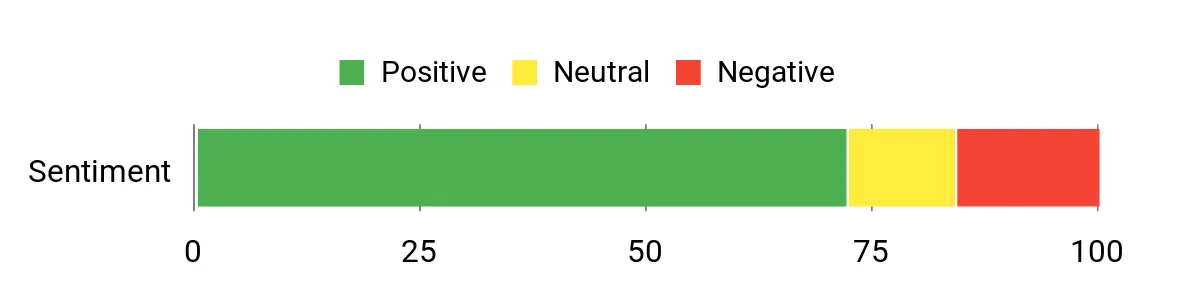
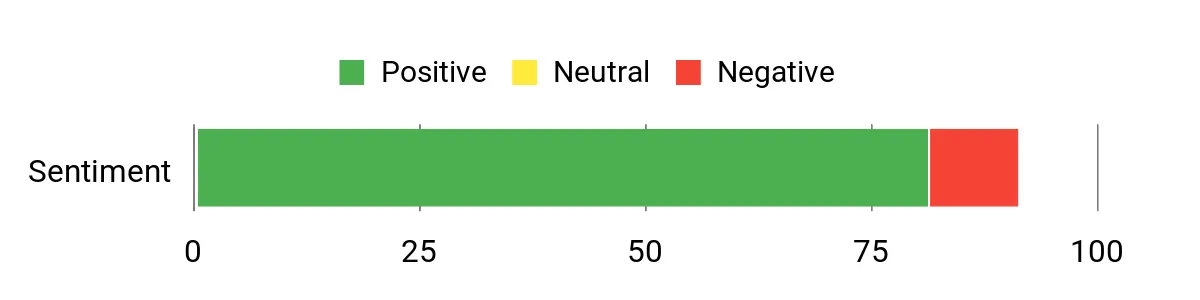
Unverified legacy chart: No source dataset, sample or calculation method was established. Its values are not factual owner statistics or laboratory results.
Durability
Optima markets the RedTop as a vibration-resistant, maintenance-free starting battery. Actual service life depends on heat, charging voltage, storage, parasitic draw, and whether the battery is used within its starting-only design. Keep the receipt and avoid deep-cycle use that may fall outside warranty coverage.
Recycling and Environmental Handling
The sealed AGM construction reduces spill risk during normal handling, but it remains a lead-acid battery containing regulated materials. Return it to a battery retailer or approved collection program at end of life.
Key Benefits
- 800 CCA for strong starting performance
- Group 34/78 design with top and side terminals
- Sealed, maintenance-free AGM construction
- Good vibration resistance for rough-use vehicles
- Check OPTIMA’s current model-, use- and seller-specific warranty terms
ACDelco Gold
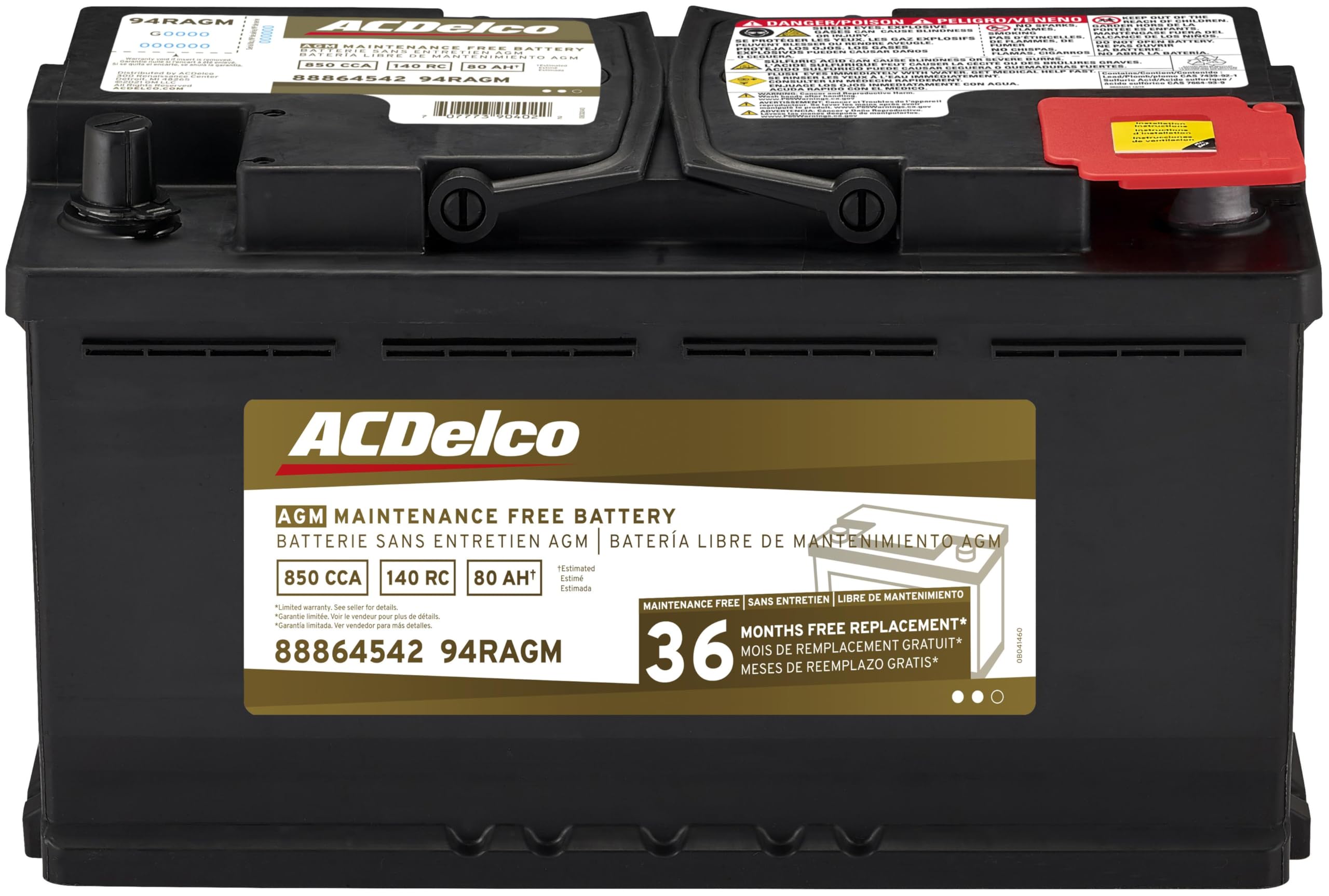
The ACDelco Gold 94RAGM is a Group 94R AGM battery intended for vehicles that require this long European-style case size and terminal orientation. General Motors lists 850 CCA, 1,020 cranking amps, a 12-volt rating, and a weight of about 51.6 pounds. Choose it only when your vehicle fitment data calls for Group 94R and AGM construction; AGM chemistry alone does not make it a universal start-stop replacement.
It is a practical OEM-style aftermarket option for compatible GM and non-GM vehicles. The 94R case is much longer than a Group 34 battery, so do not treat these products as interchangeable even when their electrical ratings look similar.
Buyer Considerations
Why you’ll like it: The 94RAGM is a straightforward premium aftermarket choice when your vehicle specifically calls for a Group 94R AGM with this terminal layout and rating.
Who should avoid it: Do not buy it simply because the CCA number looks right. The long 94R case, polarity, battery-management requirements, and vehicle-specific fitment must all match.
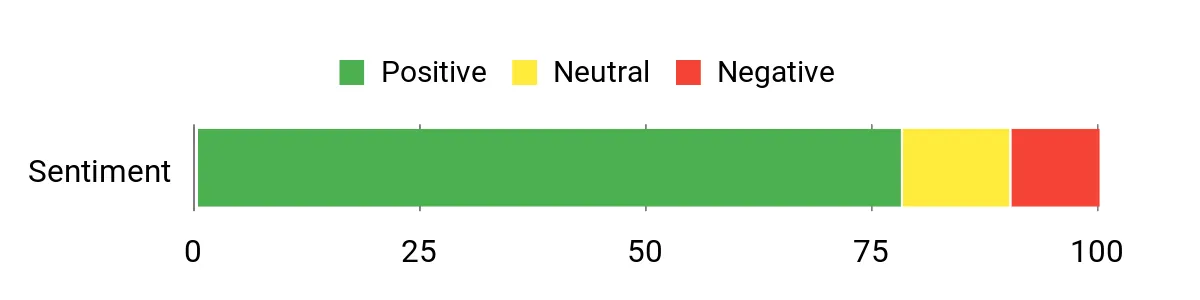
Unverified legacy chart: No source dataset, sample or calculation method was established. Its values are not factual owner statistics or laboratory results.
Durability
The AGM design supports charge acceptance, cycling, and vibration resistance. GM currently describes the warranty as a 36-month/unlimited-mile limited warranty for parts only, subject to the complete warranty terms. That wording is more precise than assuming every failure receives an automatic free replacement.
Recycling and Environmental Handling
The sealed AGM design limits routine water loss and spill risk, but the battery still contains lead and sulfuric acid. Recycle it through a retailer or approved collection program.
Key Benefits
- 850 CCA and 1,020 cranking amps
- BCI Group 94R fitment with specified terminal orientation
- AGM design suited to compatible high-cycling applications
- Strong charge acceptance and maintenance-free operation
- 36-month/unlimited-mile limited parts warranty under current GM terms
Optima YellowTop

The Optima YellowTop D34/78 is a dual-purpose AGM battery designed for both engine starting and cyclic use. Optima rates it at 750 CCA and 55 Ah. It is better suited than the RedTop for compatible vehicles with winches, aftermarket audio, auxiliary lighting, alarms, or repeated accessory use while the engine is off.
The battery has top and side terminals, but Optima advises using the top terminals for deep-cycle accessories such as winches. Confirm the tray, cable reach, hold-down, polarity, and terminal clearance before ordering.
Buyer Considerations
Why you’ll like it: The YellowTop combines starting ability with repeated accessory use, making it the more suitable Optima choice for compatible vehicles with winches, audio gear, auxiliary lighting, or similar cyclic loads.
Who should avoid it: If your vehicle only needs a conventional starting battery and never sees repeated engine-off accessory use, the extra dual-purpose capability may not be necessary.
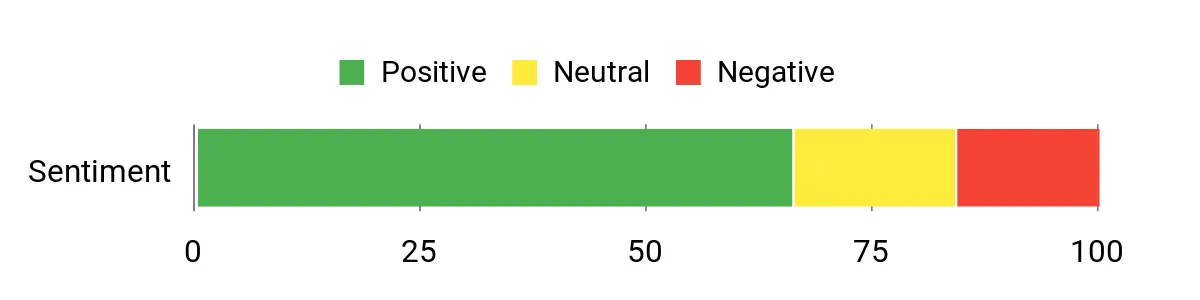
Unverified legacy chart: No source dataset, sample or calculation method was established. Its values are not factual owner statistics or laboratory results.
Durability
The YellowTop is designed for repeated cycling that can damage a starting-only battery. Its life still depends on proper charging, secure mounting, cable condition, heat exposure, and avoiding long periods in a discharged state.
Recycling and Environmental Handling
The sealed AGM case reduces spill risk during normal use. It is still a lead-acid battery and must be returned to an approved recycling channel.
Key Benefits
- Dual-purpose design for starting and cyclic accessory use
- 750 CCA and 55 Ah
- Group D34/78 top and side terminal configuration
- Suitable for many compatible accessory-heavy vehicles
- Check OPTIMA’s current model-, use- and seller-specific warranty terms
XS Power D3400

The XS Power D3400 is a Group 34 AGM battery designed for high electrical demand. The current manufacturer page lists 3,300 maximum amps, 1,150 cranking amps, 1,012 CCA, and 160 minutes of reserve capacity. The 3,300 figure is not a CCA rating and should not be treated as one.
This model targets powerful audio systems, racing, and accessory-heavy builds, but it is not a universal direct-fit battery. It uses M6 terminal hardware, weighs about 49.97 pounds, and may require the correct posts, adapters, tray, or hold-down for the vehicle.
Buyer Considerations
Why you’ll like it: The D3400 targets high electrical demand and can serve as a main battery in compatible applications, with strong published cranking and reserve figures.
Who should avoid it: It is overkill for many stock vehicles and uses M6 terminal hardware, so buyers who want a simple factory-style clamp-on replacement should confirm whether the correct adapters and hold-down hardware are required.
Unverified legacy chart: No source dataset, sample or calculation method was established. Its values are not factual owner statistics or laboratory results.
Durability
The sealed AGM design is intended for repeated high-current use and vibration resistance. Correct charging, cable sizing, fusing, mounting, and system design are essential in high-output installations. The manufacturer’s current product page lists a three-year warranty.
Recycling and Environmental Handling
This high-output AGM battery still contains lead and regulated materials. Handle it carefully, wash hands after contact, and return it through an approved lead-acid battery recycling program.
Key Benefits
- 1,012 CCA and 3,300 maximum amps
- 160-minute reserve-capacity rating
- Designed for high-output audio and accessory-heavy builds
- Sealed AGM construction
- Three-year manufacturer warranty under current terms
ODYSSEY ODX-AGM34

The current manufacturer designation is ODYSSEY ODX-AGM34, with the legacy 34-PC1500 naming still used in product references and some retail listings. It is a heavy-duty Group 34 AGM battery rated at 850 CCA, 1,500 five-second pulse hot-cranking amps, 68 Ah at the 20-hour rate, and 135 minutes of reserve capacity. It weighs about 49.5 pounds and uses SAE top terminals.
This battery is designed for strong starting power, rapid recovery, and deep-cycling capability in compatible vehicles. Its weight and charging requirements make careful installation and charging-system health important.
Buyer Considerations
Why you’ll like it: The ODX-AGM34 combines 850 CCA with substantial reserve capacity and a design intended for both starting and cycling in compatible Group 34 applications.
Who should avoid it: At about 49.5 pounds, it is a heavy battery, and buyers should confirm the tray, hold-down, terminal clearance, and charging requirements before choosing it for a custom or tightly packaged installation.
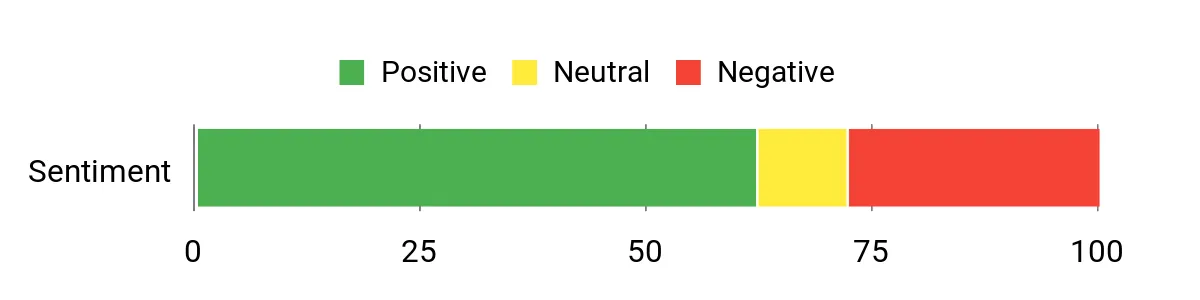
Unverified legacy chart: No source dataset, sample or calculation method was established. Its values are not factual owner statistics or laboratory results.
Durability
Odyssey’s Extreme Series uses thin-plate pure-lead AGM construction and is designed for both high starting output and cycling. Confirm the current warranty for the exact model, use and seller before ordering.
Recycling and Environmental Handling
The non-spillable AGM format reduces normal leak risk, but the battery remains a lead-acid product. Return it to a retailer or approved recycling program and follow all label warnings.
Key Benefits
- 850 CCA and 1,500 five-second pulse hot-cranking amps
- 68 Ah and 135-minute reserve capacity
- Starting and deep-cycling capability
- SAE top-post Group 34 format
- Check current model- and seller-specific warranty terms
Online Battery Buying Checklist
- Enter the full year, make, model, engine, drivetrain, and start-stop configuration in the fitment tool.
- Compare the listed group size, dimensions, polarity, terminals, CCA, reserve capacity, and battery chemistry with the owner’s manual and original battery.
- Confirm that the seller is authorized when manufacturer warranty eligibility depends on the sales channel.
- Read hazardous-material shipping, delivery-signature, damage, return, and core-return rules before ordering.
- Photograph the box and battery before installation if there is visible shipping damage.
- Check the manufacture or date code and test the battery promptly if it arrives discharged.
- Keep the invoice, seller name, serial number, and warranty registration together.
When Professional Installation Is the Better Choice
Use a dealer or qualified repair shop when the battery is under a seat, in a trunk, behind trim, or difficult to lift safely. Professional service is also wise for vehicles that need battery registration, coding, vent-tube transfer, memory protection, start-stop calibration, multiple batteries, or high-voltage hybrid-system precautions.
A shop should also diagnose the charging system if the previous battery failed early, the warning light is on, the engine cranks slowly after a new battery, or the vehicle continues to go dead while parked. Replacing a battery will not fix a weak alternator, poor cable connection, starter problem, or parasitic draw.
Manufacturer Details and Model Checks
Source check: November 10, 2026. The details below were checked against the linked manufacturer pages or manufacturer-authored documents. Where an exact revision or marketplace bundle could not be matched, that limit is stated explicitly.
| Product | Manufacturer information | Important limit | Source |
|---|---|---|---|
| OPTIMA REDTOP 34/78 | OPTIMA identifies 800 CCA and 50Ah for this starting-focused dual-terminal Group 34/78 model. | Its starting role differs from repeated deep cycling. A high CCA number does not establish accessory runtime. | Manufacturer information |
| ACDelco Gold 94RAGM / 88864542 | GM’s exact part page lists 12V, Group 94R, 850 CCA and dimensions of 12.4 × 6.9 × 7.5 inches. | This is a different case/terminal layout from Group 34/78. Do not confuse 88864542 with a high-reserve 94R product bearing another part number. | Manufacturer information |
| OPTIMA YELLOWTOP D34/78 | OPTIMA identifies 750 CCA and 55Ah for the starting-and-cycling D34/78. It has both top and side terminals. | The lower CCA than REDTOP does not mean lower capacity: Ah and cold-start current measure different things. | Manufacturer information |
| XS Power D3400 | The current D3400 page lists Group 34, 12V AGM, 1,012 CCA, 160-minute reserve capacity and M6 terminal hardware. Its 3,300 max-amp figure is separate from CCA. | Check whether clamp-style post adapters are needed. Audio-system wattage claims do not establish standalone runtime or replace an electrical-system assessment. | Manufacturer information |
| ODYSSEY ODX-AGM34 / 34-PC1500T | The current exact-model page specifies 850 CCA, 68Ah at the 20-hour rate, 135-minute reserve and SAE top terminals. | The 1500 model-name/pulse figure is not its CCA. Group 34R and 34/78 variants have different terminal arrangements. | Manufacturer information |
Buying Details That Change the Decision
- Confirm group size, polarity, hold-down geometry, terminal type and cable reach before comparing output.
- Separate CCA, Ah and reserve minutes. Reserve ratings are measured under specified test loads and are not a direct promise of runtime for your accessories.
- Check vehicle battery-management registration/coding and charging requirements in the service information when replacing an AGM battery.
More detail on the Group 34 option
For exact terminal and rating distinctions, read our ODYSSEY ODX-AGM34 fitment guide. This page focuses on the seller and total purchase process, while that guide focuses on one model.
Frequently Asked Questions
How do I choose the right car battery?
Confirm the exact group size, dimensions, polarity, terminals, venting, hold-down, battery chemistry, CCA, and reserve capacity specified for the vehicle. Use the owner’s manual or a trusted fitment tool, and do not downgrade an AGM or EFB start-stop application without manufacturer approval.
Where should I buy a car battery?
A reputable local auto-parts store is the best all-around option for many drivers because it can provide fitment help, testing, core return, and local warranty service. Choose a qualified repair shop or dealer for complex vehicles, and use an authorized online seller for specialty batteries when you can verify fitment and shipping rules.
Is it safe to buy a car battery online?
Yes, when the seller is reputable, the battery is an exact fit, hazardous-material shipping is handled correctly, and the return and warranty rules are clear. Inspect the package immediately, document damage, and do not install a cracked, leaking, swollen, or badly discharged battery.
What is a car-battery core charge?
A core charge is a refundable deposit added when you buy a replacement battery. The seller refunds it when you return an eligible old battery under its rules. This supports collection and recycling of used lead-acid batteries.
How do I maintain and troubleshoot a car battery?
Keep terminals clean and tight, secure the hold-down, and use a chemistry-compatible smart maintainer when the vehicle sits. Test the battery and charging system if you notice slow cranking, dim lights, repeated discharge, or a warning light. Use the battery and vehicle manufacturer’s voltage specifications rather than one universal voltage range.
How should I dispose of an old car battery?
Return a used lead-acid battery to a battery retailer, dealer, or local household hazardous-waste collection program. The U.S. Environmental Protection Agency says automotive lead-acid batteries should not be placed in household trash or municipal recycling bins.
Buyer Preferences
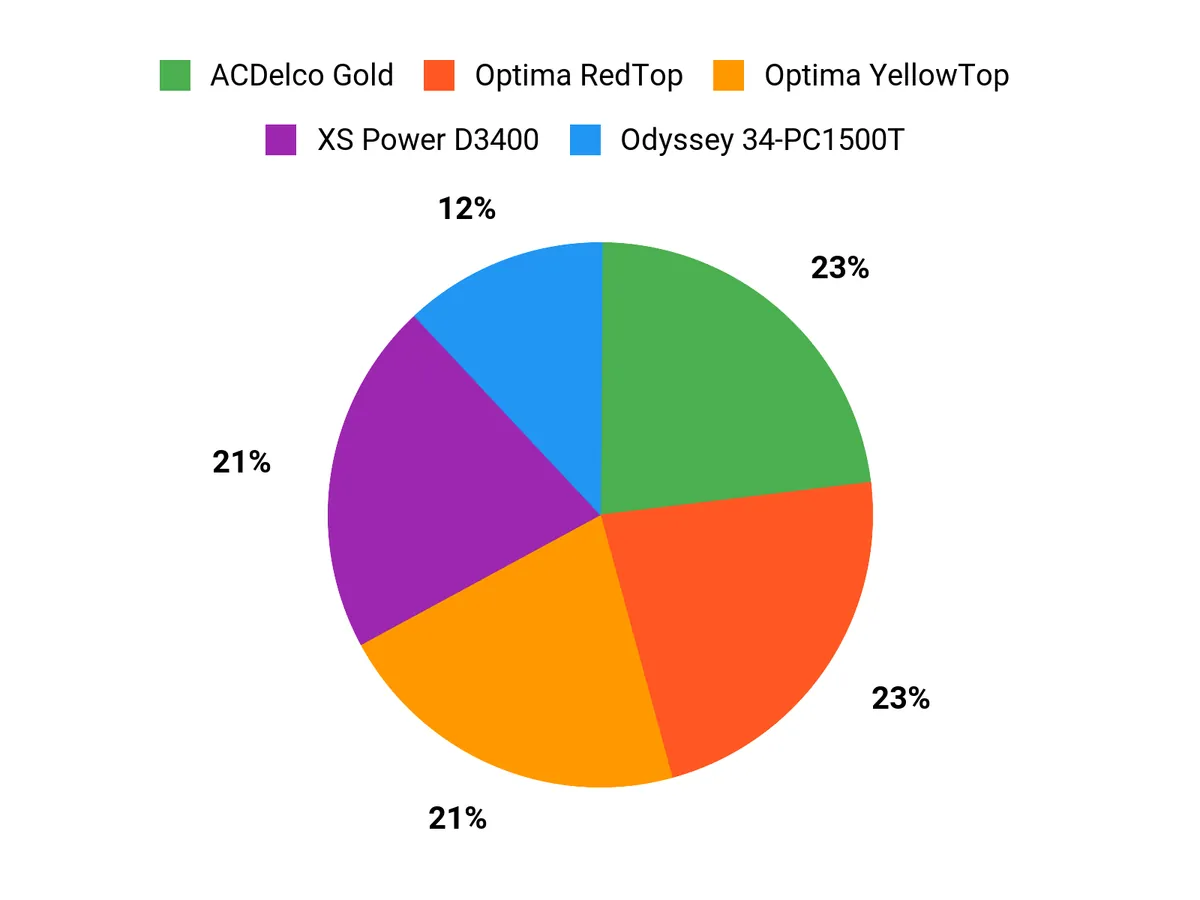
Choose the Optima RedTop when your compatible vehicle needs a starting-focused Group 34/78 AGM. Choose the ACDelco Gold 94RAGM when the vehicle specifically requires a Group 94R AGM, especially in compatible start-stop applications. Choose the Optima YellowTop for Group D34/78 fitment with repeated accessory use. The XS Power D3400 is the high-output choice for properly designed audio or performance electrical systems, while the ODYSSEY ODX-AGM34 suits buyers who want strong starting output and cycling capability in a heavy Group 34 package.
Unverified legacy chart: No representative buyer-preference dataset or calculation method was verified. Do not rely on these values.
Wrapping Up
Knowing where to buy a car battery can prevent incorrect fitment, wasted installation time, shipping damage, and difficult warranty claims. For most drivers, a reputable local parts store or repair shop offers the best balance of fitment help, testing, core return, and support.
For the products in this roundup, the Optima RedTop is the starting-focused choice, the ACDelco Gold 94RAGM is the OEM-style Group 94R option, and the Optima YellowTop is designed for starting plus cyclic accessory use. The XS Power D3400 provides the highest published CCA in this group for specialized systems, while the ODYSSEY ODX-AGM34 combines 850 CCA with substantial reserve capacity and cycling capability.
Before buying, confirm the exact group size, chemistry, terminals, CCA, venting, warranty, seller status, and installation requirements. The correct battery from a seller that will support it is a better purchase than a cheaper battery that creates fitment or warranty problems.
| Product Name | Image | Comparison Note | Cold Cranking Amps (CCA) | Battery Type | Warranty Period | Amazon |
|---|---|---|---|---|---|---|
| Check Amazon availability |
|
Confirm fitment | 800 CCA | Starting-focused SpiralCell AGM lead-acid | Check current model-, use- and seller-specific terms | Check Amazon availability |
| Check Amazon availability |
|
Confirm fitment | 850 CCA | AGM lead-acid | 36 months/unlimited miles limited warranty, parts only | Check Amazon availability |
| Check Amazon availability |
|
Confirm fitment | 750 CCA | Dual-purpose SpiralCell AGM lead-acid | Check current model-, use- and seller-specific terms | Check Amazon availability |
| Check Amazon availability |
|
Confirm fitment | 1,012 CCA; 3,300 max amps | High-output AGM lead-acid | 3 years under current manufacturer terms | Check Amazon availability |
| Check Amazon availability |
|
Confirm fitment | 850 CCA | Thin-plate pure-lead AGM | Check current model- and seller-specific terms | Check Amazon availability |
Sources
- U.S. Environmental Protection Agency: Used Household Batteries — automotive lead-acid handling and recycling guidance
- OPTIMA Batteries: Group 34/78 battery specifications — RedTop and YellowTop CCA, capacity, and intended use
- OPTIMA Batteries: Warranties and manuals — current RedTop and YellowTop warranty terms
- GM Parts: ACDelco Gold 94RAGM — dimensions, 850 CCA, battery type, and warranty
- XS Power: D3400 Group 34 AGM Battery — CCA, maximum amps, reserve, weight, and warranty
- ODYSSEY Battery: ODX-AGM34 (34-PC1500) — current designation, dimensions, CCA, capacity, reserve, and weight